
A dazzling white smile can do wonders for your confidence, but if the thought of dental procedures makes you uneasy, you are not alone. Many patients exploring cosmetic dentistry ask one simple question: Are Lumineers painful?
If you are considering Lumineers to enhance your smile but are worried about discomfort, this blog is for you. Let us explore what Lumineers are, how they differ from traditional veneers, and most importantly, what the actual experience feels like.
What Are Lumineers?

Lumineers are ultra-thin, translucent shells made from patented Cerinate porcelain. They are designed to fit seamlessly over your natural teeth and help correct cosmetic concerns such as:
- Discoloration or staining
- Minor chips and cracks
- Gaps between teeth
- Mild misalignment
- Worn enamel
What sets Lumineers apart from traditional veneers is their non-invasive application. Unlike conventional veneers, which often require the removal of tooth enamel, Lumineers are so thin that they typically do not require shaving or drilling. This makes them a popular option for patients seeking a pain-free cosmetic solution.
Who Is a Good Candidate for Lumineers?
Lumineers can be an excellent solution for many patients, but they are not suitable for every dental condition. Here is a breakdown:
Good Candidates for Lumineers:
- Individuals with minor cosmetic dental imperfections like discoloration, spacing, or mild misalignment
- Patients with healthy teeth and gums who want a minimally invasive procedure
- Those seeking a reversible and low-sensitivity cosmetic dental option
Lumineers May Not Be Ideal For:
- Patients with significant tooth decay or structural damage requiring restorative treatment
- Individuals needing major orthodontic corrections
- Those who grind or clench their teeth regularly, as this can affect the longevity of Lumineers
Scheduling a consultation at Perfect White Smile is the best way to find out if Lumineers are the right option for your unique needs.
Are Lumineers Painful During the Procedure?
Here is the good news: Lumineers are generally not painful, and in most cases, patients do not even need anesthesia.
Following are the reasons why Lumineers are considered painless:
-
No Drilling or Shots:
Traditional veneers often require enamel removal, which can lead to discomfort. Lumineers, however, are placed over your existing teeth with minimal to no preparation. This means no needles, no shots, and no drilling in most cases.
-
Preservation of Natural Tooth Structure:
Since the Lumineers procedure is non-invasive, your dentist does not need to file down the enamel. This preserves your natural tooth structure and helps prevent the sensitivity that often follows traditional veneer procedures.
-
Quick and Convenient Process:
The Lumineers treatment usually involves two simple visits. During the first appointment, your dentist will take digital impressions of your teeth. During the second visit, the custom Lumineers will be bonded to your teeth typically without the need for numbing.
Many patients say that getting Lumineers feels similar to a routine dental cleaning. You may feel slight pressure during placement, but actual pain is uncommon.
Is There Any Pain After Getting Lumineers?
After the Lumineers are placed, some patients experience mild sensitivity to hot or cold beverages. This is a temporary sensation and usually subsides within a few days.
Here is what you might notice after the procedure:
- Mild Gum Tenderness: This can occur as your mouth adjusts to the new shape and thickness of the Lumineers.
- Slight Bite Awareness: It may take a few days for your bite to feel completely natural as you adjust to the Lumineers.
- Occasional Sensitivity: In rare cases, you may experience minor sensitivity around the gum line, especially if your teeth are already prone to sensitivity.
At Perfect White Smile, we provide detailed post-procedure instructions and follow-up care to ensure your comfort and satisfaction.
How Dentists Minimize Discomfort During Lumineers?
At Perfect White Smile, we use advanced techniques and technology to make your cosmetic journey smooth and virtually painless.
- Advanced Digital Imaging: We use digital impressions instead of traditional molds to ensure a more accurate and comfortable experience.
- Custom Fit Design: Your Lumineers are designed specifically for your teeth, ensuring a precise and comfortable fit.
- Experienced Cosmetic Dentists: Our dental professionals are highly trained in cosmetic procedures and have extensive experience placing Lumineers successfully.
- Post-Treatment Follow-Up: We schedule a follow-up visit to ensure your Lumineers fit perfectly and you are adjusting comfortably.
Do Lumineers Hurt More Than Veneers?
No, Lumineers are generally more comfortable than traditional veneers.
Conventional veneers often require significant tooth reduction, which can result in post-procedure sensitivity and soreness. In contrast, Lumineers require little to no enamel removal, resulting in a more comfortable and less invasive experience.
Many patients who have had both types of procedures report that Lumineers feel gentler and involve less discomfort.
Are Lumineers Painful? Not with the Right Dentist
If you are asking yourself, Are Lumineers painful?, rest assured that with the right dentist, they do not have to be. Thanks to their non-invasive design, most patients experience minimal to no discomfort during or after the procedure.
At Perfect White Smile, we specialize in providing high-quality cosmetic treatments in a comfortable, patient-centered environment. We are here to help you achieve a radiant smile without the worry of pain.
Ready for a Pain-Free Smile Makeover?
Lumineers are designed to give you a beautiful smile without the discomfort associated with traditional veneers.
Book your consultation today by calling (310) 737-8787. Let Perfect White Smile show you just how comfortable and transformative cosmetic dentistry can be.
FAQs
Are Lumineers painful?
No, Lumineers are not painful. Because they require little to no enamel removal, the procedure is typically very comfortable and rarely involves the need for anesthesia.
How long do Lumineers last?
With proper care, Lumineers can last up to 20 years. Regular dental checkups and good oral hygiene practices are essential to maintain their longevity.
Can Lumineers be removed later?
Yes, Lumineers are considered a reversible cosmetic option. Since they do not significantly alter natural teeth, your dentist can remove them if necessary.
How long does it take to get Lumineers?
The process usually takes two appointments. The first involves taking digital impressions, and the second is when your custom Lumineers are bonded to your teeth.
Will Lumineers look natural on my teeth?
Yes, Luminaires are made from high-quality porcelain that mimics the look and translucency of natural enamel, offering a beautiful, natural-looking result.
Do Lumineers stain or discolor over time?
Lumineers are crafted from stain-resistant porcelain. However, maintaining good oral hygiene and avoiding excessive consumption of staining foods and beverages will help preserve their brightness.
We all want that Hollywood smile that is bright, symmetrical, and confidence-boosting. Lumineers have become a popular solution for enhancing smiles without extensive dental work. But one concern many people have is: Do Lumineers make your teeth look bigger?
Let us explain how Lumineers work, whether they increase the appearance of tooth size, and how a properly done procedure can enhance your smile without making your teeth look too big.
What Are Lumineers?

Lumineers are a brand of ultra-thin dental veneers made from a durable porcelain material called Cerinate. These custom-made shells are bonded to the front surfaces of teeth to conceal cosmetic flaws such as staining, small chips, gaps, or minor misalignment.
Unlike traditional veneers, Lumineers often require little to no enamel removal. This makes them a less invasive option for patients who want to improve their smile with minimal discomfort or alteration to their natural tooth structure.
Do Lumineers Make Your Teeth Look Bigger?
The short answer is that Lumineers do not make your teeth look noticeably bigger when placed correctly. Although they do add a very thin layer to the surface of your teeth, the effect is subtle and designed to enhance your natural appearance.
-
Your Natural Tooth Shape and Size
The outcome largely depends on the size and shape of your natural teeth. If your teeth are already large or protruding, poor planning can result in a bulkier look. However, if your teeth are small, worn down, or spaced out, Lumineers can actually bring them into better proportion.
-
Expertise of Your Cosmetic Dentist
The skill of your dentist is essential. A well trained cosmetic dentist will evaluate your facial symmetry, bite alignment, and tooth dimensions to ensure that your Lumineers look natural and well balanced. At Perfect White Smile, our dentists use advanced imaging and design tools to customize each case.
-
Your Personal Smile Goals
In some cases, patients want their teeth to appear longer or fuller, especially when dealing with worn enamel or short teeth. Lumineers can be tailored to meet these goals while maintaining a natural and aesthetic result.
In summary, while Lumineers do slightly increase the surface thickness of your teeth, a professionally designed and placed set will not make them appear too big. Instead, Lumineers enhance your smile by correcting imperfections while maintaining natural proportions.
What Happens If Lumineers Look Too Bulky?
In rare cases, Lumineers can look bulky if they are poorly designed or placed without proper assessment. Common causes include:
- Incorrect sizing or shape during fabrication
- Applying Lumineers over teeth that are already large or protruded
- Skipping digital previews or mockups before placement
To avoid these issues, it is crucial to work with an experienced dental team. At Perfect White Smile, we use a combination of digital smile design, 3D scans, and custom measurements to ensure a precise and attractive fit.
How We Ensure a Natural Look with Lumineers?
We take pride in delivering smiles that look and feel natural. Here are some of the ways we make sure your Lumineers do not make your teeth look too big:
- Advanced digital imaging to preview your smile before any treatment
- Customized design to match your face, bite, and tooth proportions
- Careful attention to enamel thickness and gum line alignment
- Bite and comfort checks during and after placement
Our team at Perfect White Smile ensures your Lumineers enhance your smile while preserving harmony with your facial features.
When Might You Want Teeth to Look Bigger?
For some patients, increasing tooth size is actually a goal. People with small, worn down, or uneven teeth may benefit from slightly larger veneers to create a fuller and more balanced smile. In these situations, Lumineers are an excellent option for restoring tooth height, improving symmetry, and enhancing overall aesthetics.
Rather than making teeth look unnaturally big, Lumineers can provide much-needed balance and proportion when applied thoughtfully.
Are Lumineers Right for You?
If you have been wondering, “Do Lumineers make your teeth look bigger?” The answer depends on your individual dental anatomy and the experience of your dentist. When properly planned, Lumineers can enhance your smile in a natural and subtle way.
A consultation with a cosmetic dental expert will help determine whether Lumineers are a good fit for your needs and goals. At Perfect White Smile, we take the time to personalize every case and deliver exceptional results.
Takeaway
Do Lumineers Make Your Teeth Look Bigger? It is completely normal to have concerns about how cosmetic dentistry may affect your appearance. The good news is that Lumineers do not make your teeth look oversized when they are placed correctly. Their ultra-thin design, combined with careful planning and customization, ensures a result that enhances your smile without overwhelming it.
Working with a skilled cosmetic dentist ensures your teeth look proportional, natural, and radiant.
Ready for a Smile That Looks Natural and Balanced?
Still wondering, Do Lumineers make your teeth look bigger? Let us guide you toward a smile that looks and feels just right.
Book your consultation today by calling (310) 737 8787. Discover how Perfect White Smile can help you achieve a confident and natural-looking smile with expertly placed Lumineers.
FAQs
Do Lumineers make your teeth bigger?
Lumineers do not make your teeth look bigger when applied properly. They are designed to be ultra thin and customized to complement your natural tooth shape.
Why do veneers make your teeth look big?
Veneers may look bulky if not customized properly or if applied over large teeth without appropriate planning. Traditional veneers are thicker than Lumineers and often require enamel reduction to avoid a bulky appearance.
Are Lumineers good for small teeth?
Yes, Lumineers are ideal for patients with small or worn-down teeth. They help restore tooth length and create a more proportionate and balanced smile without invasive procedures.
Can Lumineers be adjusted if they feel bulky?
Yes, your dentist can adjust the Lumineers after placement. Minor refinements can improve the fit, reduce bulkiness, and ensure your bite feels natural and comfortable.
Full mouth reconstruction can transform more than just your smile. It can significantly improve your oral function, appearance, and overall quality of life. Whether you are undergoing the procedure due to trauma, advanced tooth decay, bite misalignment, or aesthetic goals, one of the most common questions patients ask is: What is the recovery time for all reconstruction surgery?
This is an important and reasonable concern. Full mouth reconstruction involves a customized combination of procedures, each with its own healing timeline. By understanding the typical recovery phases and what to expect during each stage, you can feel informed, confident, and prepared for a successful outcome.
What Is Full Mouth Reconstruction?

Full mouth reconstruction, also known as full mouth rehabilitation, is a comprehensive dental treatment that rebuilds and restores all or most of the teeth in the upper and lower jaws. It may include:
- Dental implants
- Crowns and bridges
- Veneers
- Root canals
- Tooth extractions
- Bone grafting
- Orthodontic therapy
- Periodontal (gum) treatments
Because this approach integrates restorative, cosmetic, and sometimes surgical procedures, the total healing time will vary based on the scope and complexity of treatment.
What Is the Recovery Time for All Reconstruction Surgery?
The recovery time for all reconstruction surgery generally ranges from a few days to several months. This variation depends on the types of procedures involved and how your body responds to healing. Below is a general outline of the healing process.
-
Immediate Recovery (First 48 to 72 Hours)
Following surgical procedures such as dental implants or tooth extractions, patients may experience mild to moderate swelling, gum or jaw soreness, and slight bleeding. Some difficulty in chewing or speaking may occur temporarily. Most patients begin to feel better within three to five days, especially when following post-operative instructions such as applying ice packs, taking medications as prescribed, and consuming soft foods.
-
Short-Term Recovery (One to Three Weeks)
During the next few weeks, inflammation typically reduces. Stitches will either dissolve on their own or be removed during a follow-up visit. Patients can usually return to work and resume daily activities. However, it is still advisable to avoid hard or sticky foods. For non-surgical treatments like crowns, veneers, or bridges, any gum sensitivity usually begins to subside during this phase.
-
Mid-Term Recovery (One to Three Months)
If your reconstruction includes dental implants, the jawbone will begin the process of osseointegration. This is where the bone fuses with the implant to provide a stable foundation. While this process does not usually cause pain, it is critical for long-term success and may take between six and twelve weeks. Temporary restorations may be worn during this time while healing is monitored.
-
Long-Term Healing and Final Results (Three to Six Months and Beyond)
Depending on the number and complexity of treatments, complete recovery and placement of final restorations may take several months. By this stage, your bite is fully adjusted, all temporary restorations are replaced with permanent ones, and your oral function is optimized. Some patients may need minor adjustments to ensure continued comfort and function.
Factors That Affect Recovery Time
Several individual factors can influence how quickly you recover:
- Scope of procedures: A plan involving only veneers may heal faster than one, including implants and bone grafting.
- Overall health: Chronic conditions like diabetes or smoking habits can delay healing.
- Post-treatment care: Following recovery guidelines, maintaining oral hygiene, and attending follow-up visits are essential for healing.
- Age and immune response: Younger patients tend to heal more quickly, but healing ability varies from person to person.
Your dentist will evaluate these factors and provide a personalized recovery timeline based on your specific treatment plan.
Tips to Support a Smooth Recovery
While some healing time is necessary, patients can take proactive steps to speed up recovery and reduce discomfort:
- Follow your dentist’s post-operative instructions carefully
- Avoid smoking and alcohol as they impair healing
- Stick to soft, nutritious foods during the early stages of recovery
- Use ice packs in the first 48 hours to reduce swelling
- Take all medications as prescribed
- Attend scheduled follow-up appointments
- Keep the mouth clean without irritating the treatment area
These practices not only reduce the risk of complications but also support the long-term success of your dental work.
Is Full Mouth Reconstruction Worth the Recovery Time?
Yes, full mouth reconstruction is often life-changing. While the recovery process requires patience and commitment, the long-term benefits are profound. Patients who undergo full reconstruction often report:
- Increased self-confidence due to an improved smile
- Enhanced ability to eat and speak comfortably
- Relief from chronic dental pain or TMJ-related issues
- Long-lasting improvements in oral and overall health
At Perfect White Smile, our team supports you from your initial consultation through the entire recovery journey to ensure your comfort and optimal results.
Takeaway
What Is the “Recovery Time for All Reconstruction Surgery?” While the exact timeline depends on the person and procedures performed, most patients can expect to go through stages of healing that span from a few days to several months. With expert care, a personalized treatment plan, and a little patience, your full-mouth reconstruction can lead to a stronger, healthier, and more confident smile.
Ready to Start Your Smile Transformation?
If you are considering full mouth reconstruction and want a clear understanding of what the recovery process looks like, we are here to help. We can create a custom plan that fits your needs, goals, and lifestyle.
Book your consultation today by calling (310) 737 8787. Let Perfect White Smile guide you through a safe, supported, and successful recovery experience.
FAQs
What is the average recovery time for full mouth reconstruction?
The average recovery time ranges from several weeks to a few months. Less invasive treatments heal quickly, while surgical procedures such as implants or bone grafting require a longer healing phase.
Will I need to take time off work after full mouth reconstruction?
Yes, most patients take at least a few days off after surgery. For more complex cases, up to a week of rest may be advised. Your dentist will recommend what’s appropriate based on your treatment plan.
How painful is the recovery after full mouth reconstruction?
Pain is typically manageable with medication. Patients may experience swelling, sensitivity, or tenderness for a few days after treatment. Most people feel considerably better within one week.
Can I eat normally after full mouth reconstruction?
Initially, a soft food diet is recommended. As healing progresses, you can slowly resume a regular diet. Your dentist will guide you on when and how to safely transition back to normal eating habits.
Losing one or more teeth can significantly affect your self-confidence, ability to chew properly, and even the shape of your face. Fortunately, dental implants provide a long-lasting solution that looks, feels, and functions like natural teeth. However, there is a lot of information and misinformation available, which can make it difficult to know what is accurate. So, what is the truth about dental implants?
Are they painful? Are they expensive? Are they worth the investment? Let us address these common concerns and provide a clear, evidence-based explanation of what dental implants involve.
What Are Dental Implants?

Dental implants are artificial tooth roots made of biocompatible materials, usually titanium, that are surgically placed into the jawbone. Over time, the implant integrates with the bone in a process called osseointegration. Once healing is complete, a crown, bridge, or denture is securely attached to the implant, creating a permanent and natural-looking tooth replacement.
Dental implants can be used to:
- Replace a single missing tooth
- Support multiple missing teeth with bridges
- Secure full or partial dentures for enhanced stability
Unlike removable prosthetics that sit on the gums, implants are fixed in the jaw and provide superior strength, comfort, and function.
The Truth About Dental Implants: Myths vs. Reality
Let’s separate fact from fiction to help you make a confident, informed decision about dental implants.
Myth 1: Dental Implants Are Painful
Reality: Most patients report that the dental implant procedure is less painful than a tooth extraction. Local anesthesia is used to ensure a painless experience during surgery, and most post-operative discomfort is mild and manageable with medication.
Myth 2: Dental Implants Are Only for Older Adults
Reality: Dental implants are suitable for people of all ages. Whether you have lost teeth because of trauma, decay, or gum disease, implants can be an excellent solution if your gums are healthy and you have adequate bone structure.
Myth 3: Dental Implants Are Too Expensive
Reality: While implants have a higher upfront cost compared to other options, they are more cost-effective in the long run. Unlike bridges or dentures, which often require replacement, dental implants can last a lifetime with proper care.
Myth 4: Recovery Takes Too Long
Reality: Most patients return to their normal routine within a day or two after the procedure. While full healing and osseointegration can take a few months, patients are typically comfortable and able to function during this time.
What to Expect During the Dental Implant Process?
The dental implant journey includes several stages. Each step is equally important for achieving a stable, long-term result.
Step 1: Consultation and Evaluation
Your initial visit includes a thorough examination, dental imaging, and discussion of your goals. Your dentist will assess your oral health, bone density, and suitability for dental implants, then develop a customized treatment plan.
Step 2: Implant Placement
The implant post is surgically inserted into the jawbone in a sterile, controlled environment. Local anesthesia is used to ensure comfort. Most patients recover from this step in just a few days.
Step 3: Healing and Bone Integration
The implant must fuse with the jawbone in a process known as osseointegration. This typically takes three to six months. During this time, a temporary restoration may be used to maintain appearance and function.
Step 4: Attachment of the Abutment and Restoration
Once the implant is fully integrated, an abutment (a connector piece) is placed. Then, your permanent crown, bridge, or denture is secured to the abutment, completing the restoration.
Step 5: Maintenance and Follow-Up
Dental implants require the same care as your natural teeth. It requires regular brushing, flossing, and routine dental checkups to ensure long-term success.
What Is the Worst-Case Scenario?
Although dental implants have a high success rate, complications can occur. Potential issues include infection at the implant site, injury to surrounding structures, or failure of the implant to properly integrate with the bone. These risks are minimized by carefully choosing a skilled and experienced dental provider and following all post-operative instructions.
Signs of Dental Implant Infection
While rare, infection is possible during the early stages of healing. Warning signs include:
- Persistent swelling or discomfort near the implant site
- Red or bleeding gums
- Bad taste or odor in the mouth
- A loose implant or difficulty chewing
- Pus or discharge near the implant area
- Fever or general feeling of unwellness
If you notice any of these symptoms, contact your dental provider immediately for assessment and treatment.
Are There Alternatives to Dental Implants?
Yes, there are several alternatives depending on your oral health needs and preferences:
- Dental bridges: Anchored to adjacent teeth, these are used to replace one or more missing teeth.
- Removable dentures: Cost-effective and non-surgical, though less stable than implants.
- Resin-bonded bridges: Ideal for small gaps, particularly in front teeth, where minimal stress is applied.
Your dentist will help you find the most appropriate solution.
Takeaway
Dental implants are a reliable, effective, and long-term solution for replacing missing teeth. With proper planning and care, they offer a natural appearance, excellent function, and long-lasting oral health benefits.
If you are missing one or more teeth and want a stable, permanent replacement that looks and feels like your own, dental implants could be the right choice for you.
Learn The Truth About Dental Implants With a Consultation
Are you considering dental implants but still have questions? Let us help you explore your options with expert guidance and a personalized approach.
Book your consultation today by calling (310) 737 8787. Let Perfect White Smile help you regain your smile and confidence through expert implant care and compassionate support.
FAQs
What is the downside to dental implants?
The main downsides include the initial cost, the healing time, and the need for adequate bone structure. Dental implants also require surgery, which carries a small risk of infection or complications.
What does no one tell you about dental implants?
Patients often do not realize how important ongoing care is for implant success. Lifestyle factors such as smoking and poor hygiene can negatively impact healing and long-term results.
You do not need to replace healthy teeth
Dental implants are intended to replace missing or severely damaged teeth. If your existing teeth are healthy, there is no reason to remove them. Implants are used strategically, not for a full arch replacement, unless absolutely necessary.
What is the major problem with dental implants?
The most significant issue is implant failure, which can result from poor osseointegration or infection. Other problems include inadequate bone or pre-existing medical conditions. A thorough evaluation and skilled placement can help prevent these outcomes.
Can you live a long life with dental implants?
Yes, dental implants are made to last a lifetime when properly maintained. With good oral hygiene and regular visits to the dentist, they can provide durable and functional tooth replacement for many years.
Who should avoid dental implants?
Individuals with uncontrolled diabetes, heavy smokers, or those with insufficient bone who are not candidates for grafting may not be ideal candidates for implants. A full dental and medical evaluation is needed to determine suitability.
Bibliography & Sources
Dental implants are often considered the most reliable and long-lasting solution for missing teeth. They offer durability, natural appearance, and the ability to restore full dental function. However, while dental implants are an excellent option for many patients, they are not suitable for everyone. So, who cannot get dental implants?
If you are wondering whether you are a good candidate for dental implants, we will help you understand the conditions and health factors that may limit your eligibility. It also explores alternatives that can restore your smile effectively and safely.
Why Are Dental Implants So Widely Recommended?

Dental implants are surgically placed titanium posts that act as artificial roots for crowns, bridges, or dentures. They are highly valued for several reasons:
- Longevity: With proper care, implants can last for decades.
- Bone preservation: They prevent jawbone loss by stimulating the bone.
- Aesthetics: Implants look and feel like natural teeth.
- Functionality: They restore chewing, speaking, and biting capabilities.
- Stability: Implants remain securely in place and do not slip or shift like removable dentures.
Despite their many benefits, some individuals cannot get dental implants without additional treatments or modifications.
What Can Make You Ineligible for Getting Dental Implants
The success of a dental implant depends heavily on the health of your gums and jawbone. For the implant to stay secure, it must undergo osseointegration, where it fuses with the jawbone. Several factors may interfere with this process, including oral health habits, systemic conditions, and lifestyle behaviors. Here are the key reasons some people may not qualify for dental implants:
1. Age
There is no upper age limit for getting dental implants, and even patients in their 80s can benefit from the procedure. However, dental implants are not recommended for individuals under the age of 18. In young individuals, the jaw is still developing, and placing an implant prematurely can disrupt facial and jawbone growth.
2. Gum Disease
Healthy gum tissue is essential to support the dental implant. If a person has periodontal disease, the inflammation and infection can destroy gum tissue and bone, jeopardizing implant stability. Patients with active gum disease must receive treatment and achieve stable oral health before proceeding with implants.
3. Smoking
Tobacco use can significantly impair healing and increase the risk of implant failure. Smoking reduces blood flow to the gums and interferes with the immune response, making it harder for the implant to bond with the bone. Many dentists require patients to stop smoking prior to implant surgery and during recovery.
4. Pregnancy
Dental implants are not recommended during pregnancy because of the stress of surgery and the effects of local anesthesia. Although rare, potential risks to fetal development exist. For this reason, most dentists suggest postponing implant procedures until after childbirth.
5. Chemotherapy and Radiation Therapy
People who have undergone radiation therapy to the head, neck, or jaw may have compromised bone quality. Radiation can weaken the jawbone, making it difficult for the implant to integrate successfully. Chemotherapy can also suppress immune function and hinder healing, both of which are critical for implant success.
6. Health Disorders and Medications
Certain medical conditions, like uncontrolled diabetes, autoimmune diseases, and cardiovascular issues, can interfere with the healing process. Medications that affect bone density, like bisphosphonates or blood-thinning drugs, may also reduce the implant’s success rate. A full medical evaluation is essential before deciding on implant treatment.
Who Cannot Get Dental Implants Without Additional Care?
In addition to the complications above, some individuals may be temporarily ineligible for dental implants. However, with the right treatment and preparation, they could still receive implants in the future. Here are some examples:
- Patients with insufficient jawbone may benefit from bone grafting procedures.
- Those with mild gum disease can undergo periodontal treatment before implant placement.
- Diabetic patients who maintain proper blood sugar control may qualify for implants with medical clearance.
Each case must be evaluated individually by a skilled dental professional.
What Are the Alternatives If You Cannot Get Dental Implants?
If implants are not an option for you at this time, there are other effective solutions to restore your smile:
- Dental Bridges: These use adjacent teeth for support and can replace one or more missing teeth.
- Removable Dentures: Cost-effective and customizable dentures are suitable for partial or full tooth replacement.
- Resin-Bonded Bridges: These are minimally invasive and often used for front teeth where pressure is minimal.
Your dentist will help you choose the best treatment option by considering your oral health, personal goals, and daily lifestyle needs.
Takeaway
Who Cannot Get Dental Implants? While dental implants are not suitable for every individual, modern dentistry offers multiple solutions to help you achieve a healthy, confident smile. Many people who initially are not eligible for implants may become candidates after addressing certain health conditions or receiving preparatory treatments.
Not Sure If You Qualify for Dental Implants? We Can Help
If you’re wondering who cannot get dental implants, the best next step is a one-on-one consultation. Call (310) 737-8787 to book your consultation today.
Let Perfect White Smile help you restore your smile with expert guidance and compassionate care.
FAQs
1. Who should not get a dental implant?
Individuals with uncontrolled diabetes, untreated gum disease, poor bone density, or those undergoing radiation therapy in the jaw area may not be eligible for implants without further treatment or evaluation.
2. When is it not possible to have dental implants?
Dental implants may not be feasible if a patient has insufficient bone, serious medical conditions affecting healing, or is under 18 years of age. In such cases, your dentist will suggest alternative treatments.
3. Are there non-surgical alternatives to dental implants?
Yes. Fixed dental bridges and removable dentures are effective non-surgical alternatives. While they may not offer the same stability as implants, they restore function and aesthetics for many patients.
4. Can dental implants fail due to health conditions?
Yes. Systemic conditions like osteoporosis or autoimmune disorders can impact healing and bone integration. Proper diagnosis and pre-treatment planning are crucial to minimize risks and ensure long-term success.
Dental implants look, feel, and function like natural teeth, offering a long-term solution for missing or damaged teeth. However, some patients may wonder: Can dental implants be removed?
Implant removal may become necessary due to complications, implant failure, or a change in overall health. Let us explain when and why dental implants might be removed, the removal process, and the treatment options available afterward.
What Are Dental Implants?
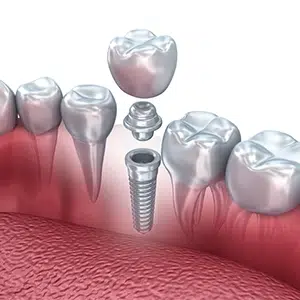
A dental implant is a small titanium post that is surgically inserted into the jawbone to act as an artificial tooth root. Once the implant fuses with the bone through a process called osseointegration, a crown, bridge, or denture is attached to complete the restoration.
Dental implants may last you a lifetime with proper care. However, complications or health changes may require implant removal in certain situations.
Can Dental Implants Be Removed?
Yes, dental implants can be removed, although this is uncommon. Removal typically becomes necessary due to complications such as implant failure, infection, or damage to surrounding structures. Because the implant is fused with the jawbone, removal is considered a surgical procedure and should be performed by an experienced dental professional.
Reasons Why a Dental Implant Might Be Removed
Implant Failure: While dental implants have a high success rate, failure to integrate with the jawbone may occur. This may be due to insufficient bone density, trauma during healing, or improper placement.
Infection (Peri-implantitis): Infection in the gum tissue around the implant can cause inflammation and bone loss. If not treated early, this condition may lead to instability and require implant removal.
Implant Mobility: A properly integrated implant should be stable. Any movement or looseness is a clear indication that the implant has not fused with the bone as intended.
Damage to Surrounding Structures: In rare cases, the implant may affect surrounding nerves, sinuses, or adjacent teeth, leading to discomfort and the need for removal.
Medical Conditions or Treatments: Systemic conditions like uncontrolled diabetes or treatments such as chemotherapy may compromise healing and implant integration, making removal necessary to maintain overall health.
How Are Dental Implants Removed?
Dental implant removal is usually a minor surgical procedure. The method of removal depends on how securely the implant is integrated with the bone:
- Simple Removal: If the implant is loose or not fully integrated, it can often be gently unscrewed with minimal impact on surrounding tissues.
- Surgical Removal: If the implant is firmly integrated, a small portion of bone may need to be removed to extract the implant. This may be followed by bone grafting to restore the area.
Your dental provider will evaluate your case and choose the safest and most effective approach.
Can Dental Implant Crowns Be Removed?
Yes, dental implant crowns can be removed and replaced without disturbing the implant post. If the crown becomes damaged, worn, or does not match your current bite or smile goals, your dentist can replace it easily. It is less invasive than implant removal and typically involves minimal recovery time.
Can a New Implant Be Placed After Removal?
In many cases, a new dental implant can be placed either immediately after removal or once the area has healed. The timing and success depend on the cause of removal and the condition of the surrounding bone and tissue.
If the jawbone is healthy, reimplantation may be performed during the same appointment. If bone loss or infection is present, a healing period and bone grafting may be required before a new implant can be placed. Advanced imaging like X-rays or 3D scans allows the dentist to make a customized treatment plan tailored to your needs.
What Are the Alternatives If Reimplantation Is Not Possible?
If reimplantation is not suitable, there are alternative solutions to restore your smile:
- Dental bridges: These are supported by adjacent teeth and are suitable for replacing one or more missing teeth.
- Removable dentures: These can be used for partial or full tooth replacement and are typically more affordable and non-invasive.
- Resin-bonded bridges: Often used for front teeth, they are less invasive and suitable for areas with low bite pressure.
Your dentist will recommend the best option based on your dental health, preferences, and long-term goals.
Is Implant Removal Painful?
Most people report minimal discomfort during dental implant removal. Local anesthesia is used to numb the area, and the procedure is often quicker and less complex than initial implant placement.
Post-operative discomfort, such as swelling or mild tenderness, is typically short-lived and can be managed with over-the-counter medications or prescriptions if needed. Healing is usually fast, especially when aftercare instructions are followed carefully.
Considering Dental Implant Removal or Replacement?
Dental implants are intended to be permanent, and their high success rate makes them one of the most reliable options for replacing missing teeth.
However, if complications arise or health conditions change, removal may be the best path to recovery and future dental stability. An experienced dental professional will guide you through the process, address your concerns, and provide appropriate solutions for your continued oral health.
Book Your Consultation With Perfect White Smiles
If you are experiencing discomfort, have concerns about an existing implant, or are exploring your options for implant removal or replacement, our dental team is here to help. We provide expert evaluations and customized care to ensure your long-term comfort and confidence.
Book your consultation today by calling (310) 737-8787.
Let Perfect White Smile help you restore, replace, or refresh your dental implants with professional care and personalized attention.
FAQs
1. What happens if a dental implant has to be removed?
If a dental implant needs to be removed, your dentist will assess the cause such as infection or implant failure—and perform a surgical procedure to extract it. Follow-up treatment may include reimplantation or alternative restoration methods.
2. How easy is it to remove a dental implant?
The ease of removal depends on the implant’s integration with the bone. If the implant is loose, removal is straightforward. Fully integrated implants may require a more delicate surgical approach to protect the surrounding structures.
3. Has anyone had a dental implant removed?
Yes, implant removal has been performed in cases of complications like infection, failed integration, or health-related concerns. Many patients successfully undergo reimplantation or switch to other dental restoration options after recovery.