
Two ways
Brighten in a single office visit or over two weeks with custom trays at home.
Years of coffee, tea, and daily wear settle into enamel. Professional whitening lifts that away, safely and with a result you can see.
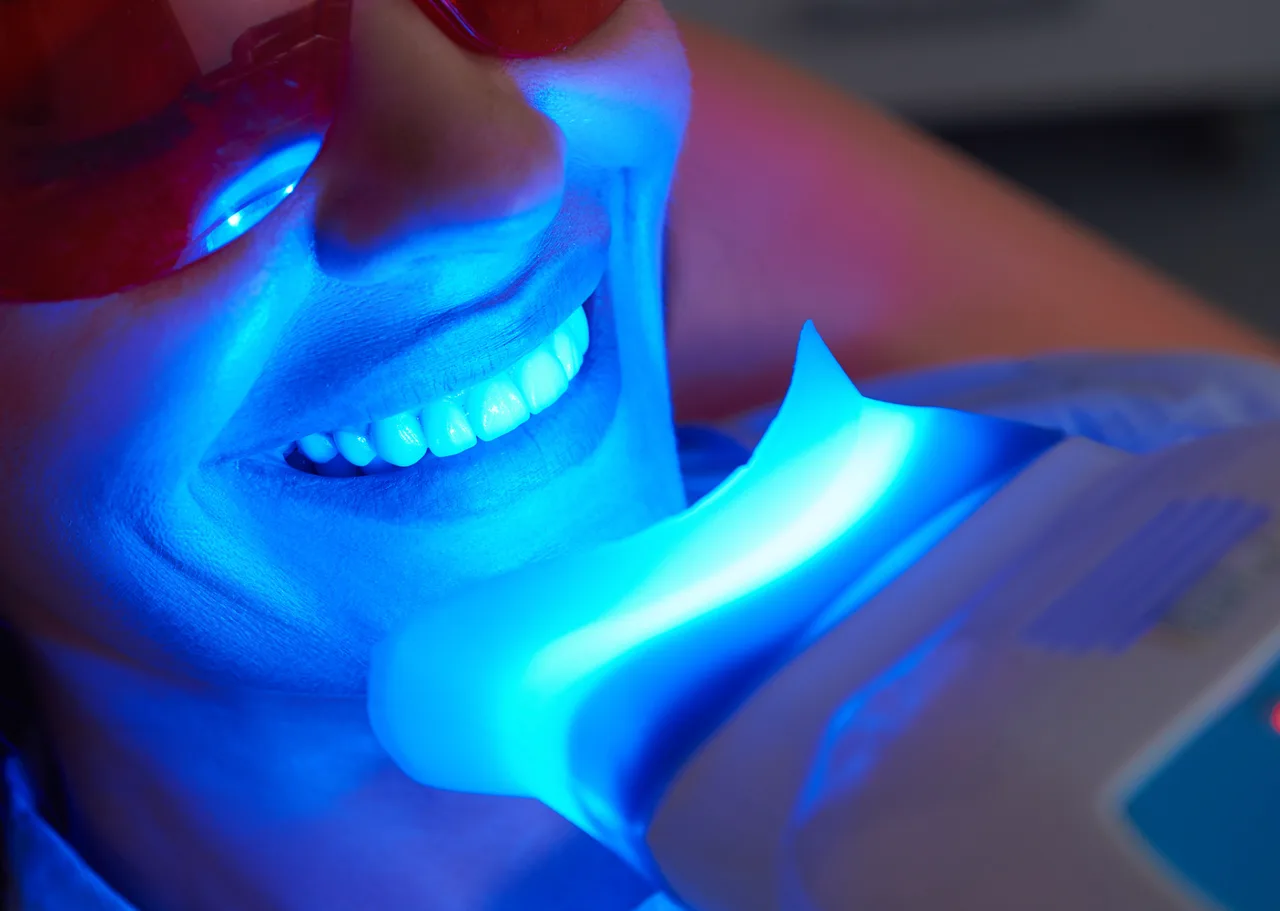
In office, a professional gel activated by light brightens your smile in about an hour. For a gentler pace, we make custom trays and provide the same professional strength gel to use at home.
Because it is done under a dentist's care, we manage sensitivity as we go and guide the products you use afterward, so the result holds without discomfort.
The details that turn a procedure into a result worth keeping.
Brighten in a single office visit or over two weeks with custom trays at home.
Trays are made to your teeth so the gel sits evenly and works cleanly.
Sensitivity is managed throughout and guided afterward.
In many cases, yes, once the cause of the sensitivity is understood. Worn enamel, receding gums, grinding and decay can all make teeth sensitive, and any decay or gum problem is treated before whitening begins. Custom trays keep the gel on your teeth and off your gums, a gentler approach for sensitive teeth. Our article on whitening sensitive teeth explains the causes and what helps.
Whitening is considered safe when it is done correctly and not overused. Professional gels use controlled concentrations and we check your teeth and gums before starting; the risk to enamel comes mainly from overusing store products or from home remedies such as undiluted hydrogen peroxide, baking soda or charcoal. Temporary sensitivity is the most common side effect. Our article on whether whitening is safe also covers who should wait, such as anyone pregnant or breastfeeding.
No. Whitening lightens natural teeth, but crowns, veneers and fillings keep their color, so existing dental work can end up a different shade from the teeth around it. If you have visible restorations, or are planning veneers, we look at them before you whiten, and whitening your natural teeth first lets new porcelain be matched to the brighter shade. Our article on stains on veneers explains how porcelain is kept bright instead.
Not every stain. Discoloration from inside the tooth, such as staining from certain medications like tetracycline or from trauma, may not respond to whitening. In those cases, porcelain veneers or bonding can cover the discoloration instead, and Dr. Frey will tell you at your consultation which kind of staining you have. Our article on whether yellow teeth can become white explains the common causes.
It depends on what you eat and drink and how you care for your teeth, so there is no fixed answer. Coffee, tea, red wine and tobacco bring stains back sooner, while brushing and flossing, regular cleanings and rinsing with water after dark drinks help it last, and periodic touch ups can extend it. Teeth take up stain more easily right after whitening, so it is worth avoiding dark drinks for a short while afterward. Our article on coffee stains has practical tips if coffee is part of your day.
Care at Perfect White Smile is rarely a single procedure. These often work alongside teeth whitening.
In a private consultation, we check your teeth and gums, talk through in office and at home whitening, and help you choose the approach that fits your teeth and your routine.
Accessibility