
It compounds
Small imbalances tend to grow, not fade, over time.
TMJ is not life threatening, but it rarely stands still. Left alone, a strained jaw tends to affect more than the joint itself.
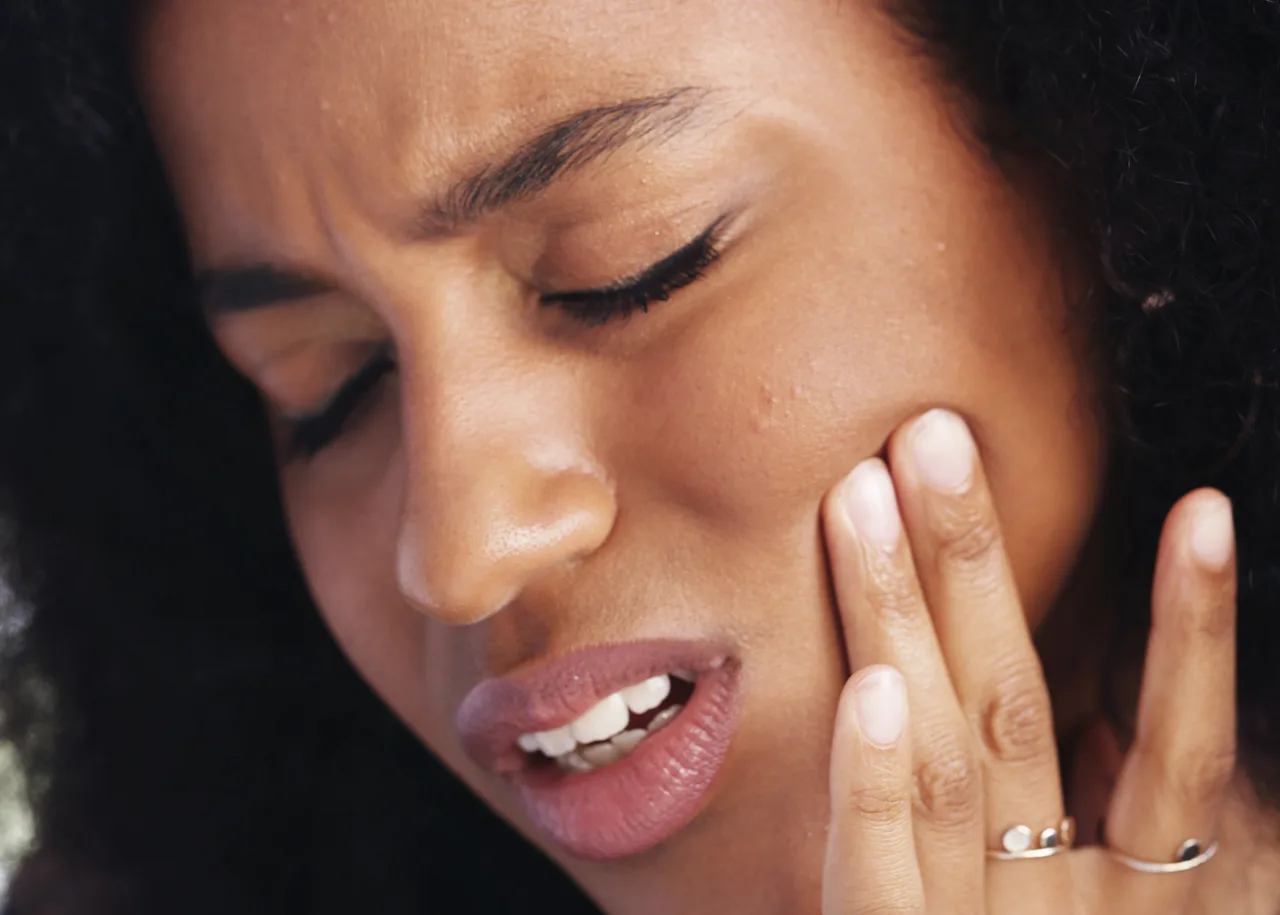
Untreated, the joint keeps absorbing strain. Teeth wear and fracture, the muscles fatigue, and discomfort that was once occasional can settle into something constant.
Because the joint sits beside the ears and the base of the skull, its strain can reach hearing, balance, and sleep. Addressing the bite early keeps a manageable problem from becoming a lasting one.

Temporomandibular joint disorder is a disorder of the temporomandibular joint, the joint of the jaw that sits just in front of each ear. It causes discomfort and pain that can come and go or become chronic. Because the symptoms are often put down to stress, the disorder frequently goes untreated, and left untreated, its effects can stay with you for years.
Many people live with TMJ without ever seeking treatment. Ordinary daily tasks such as chewing, talking and yawning can aggravate it, so it is hard to simply avoid, and over time it can contribute to other health problems. That is why we encourage anyone with the signs of TMJ to have it looked at by Dr. Frey in Beverly Hills.
Temporomandibular joint disorder is often misunderstood, and it is sometimes misdiagnosed as migraine headaches or as neck and upper back pain. TMJ is not a life threatening condition, but it can have a very real effect on your quality of life.
Chronic jaw pain, headaches, ringing in the ears and difficulty chewing and biting are not issues to shrug off. They deserve the full attention of a temporomandibular joint expert such as Dr. Frey. You do not have to settle for ongoing pain.
You do not simply wake up one day with temporomandibular joint disorder. It can begin in childhood, and mouth breathing is one sign of this, because it points to a misaligned jaw. Those are congenital causes.
Other causes relate to problems with the bite, or to subtler issues such as stress and clenching the teeth during sleep. An injury to the jaw joints or the muscles around them can also lead to TMJ. Some causes are still unknown, although there also appears to be a genetic tendency. Common causes of TMJ include:

TMJ can lead to chronic pain. It is most common in people between the ages of 20 and 40, and it occurs more often in women than in men. These are the typical TMJ symptoms, along with symptoms related to TMJ:

Your bite has three parts: the teeth, the masseter muscles and the temporomandibular joint. All three must work together for the bite to function correctly. When they do, you have no facial or jaw pain and chewing is silent. When one of them falls out of alignment, the bite problems that follow create pain in the jaw and face that can radiate down into the neck and shoulders.
The pain comes from the continued stress of a misaligned jaw trying to find alignment. We use the jaw and its joint almost constantly, for eating, talking, breathing during exertion and even yawning, so the pressure of misalignment overworks the muscles and builds tension. That strain produces pain that starts in the joint and spreads outward.
When TMJ goes untreated, its effects can reach well beyond the jaw. Not everyone experiences all of these, but they are worth understanding.
Constant pain from TMJ, combined with grinding the teeth, can disturb sleep and lead to insomnia. Many people try to manage the pain on their own with medication, which can dull it without addressing its source. Some begin avoiding the problem by eating only soft foods or liquids, which makes it harder to eat well. Over time, pain that does not let up can also weigh on your mood, your work and your relationships.
Over the long term, the grinding and clenching that often come with TMJ can fracture teeth and wear down enamel. People with TMJ also tend to favor one side of the jaw, which can cause swelling on that side of the face and uneven muscle development, giving the face a lopsided appearance.
Because the joint sits directly beneath the ears, TMJ disorder may contribute to ringing in the ears and, in some cases, lasting changes in hearing. Inner ear involvement can affect balance and bring on vertigo, or recurring dizziness. In more advanced cases the jaw can lock open or closed, and wear on the cartilage in the joint can make it less stable.
No one should have to live with these effects. TMJ can be treated with conservative, non surgical care, and the earlier the bite is addressed, the simpler that care tends to be.
A period of new stress, at work or in a relationship, can lead a person to clench their teeth at night, and the TMJ gets worse. Poor posture in the neck and upper back is another trigger: it strains the neck and interferes with how the jaw muscles work. This can happen when you are doing more computer work than usual and not paying attention to your posture. We cover more of what can make TMJ worse on our blog.
These are generally not acute pain conditions. TMJ does not develop overnight; it behaves more like a chronic pain condition. So while TMJ is rarely an emergency, it tends to persist, which is why it is worth having it looked at rather than waiting it out.
There are many treatment options for TMJ disorder, including:
For more severe cases, surgery or injections may be used. Dr. Frey treats his TMJ patients in two phases: first finding and holding a comfortable jaw position, then making the corrected bite lasting, often with neuromuscular orthodontics. You can read more about TMJ treatment at our Beverly Hills practice.
Whether TMJ resolves on its own varies a great deal from person to person. Some people are in the middle of an especially stressful time in their life; when that stress eases, they may stop grinding their teeth and the TMJ may fade. But if the jaw is out of alignment, the condition needs treatment.
Sometimes treatment is as simple as a custom night guard, worn during sleep to stop grinding and clenching. Sometimes it is much more involved. Every case is unique, and in the most severe cases surgery may be necessary. We also look at how long TMJ lasts on our blog.
A misaligned bite can lead to TMJ, and there is little you can do about that at home; bringing the bite into alignment is work for Dr. Frey. But for other causes, or to help prevent a relapse after treatment, we give patients these exercises to do at home:
You will find more detail in our guide to exercises for TMJ.
Sometimes TMJ is used only to describe the temporomandibular joint itself, and TMD to describe problems with the joint. TMJ is the more common name for the disorder, and it is the term Dr. Frey uses. We explain more in TMD vs TMJ.
Migraine headaches and tinnitus, a ringing in the ears, are both classic symptoms of TMJ, and each can be debilitating in its own way. Once the jaw is brought into alignment, much of the stress on the temporomandibular joint is removed, which often relieves pain. Because that stress is often what lies behind a person’s migraines and tinnitus, both can ease as well.
The details that turn a procedure into a result worth keeping.
Small imbalances tend to grow, not fade, over time.
Untreated strain can reach teeth, ears, sleep, and posture.
Timely care prevents the harder problems that follow.
Care at Perfect White Smile is rarely a single procedure. These often work alongside the dangers of untreated tmj.
Sit with Dr. Frey for a private TMJ consultation. He will look at your bite, muscles and joints together and explain what, if anything, needs attention.
Accessibility