
Barely any prep
Little to no enamel is removed, and no temporaries are needed between visits.
Lumineers are the most conservative way to transform a smile. At roughly a third of a millimeter, they rest over your teeth with almost no preparation.
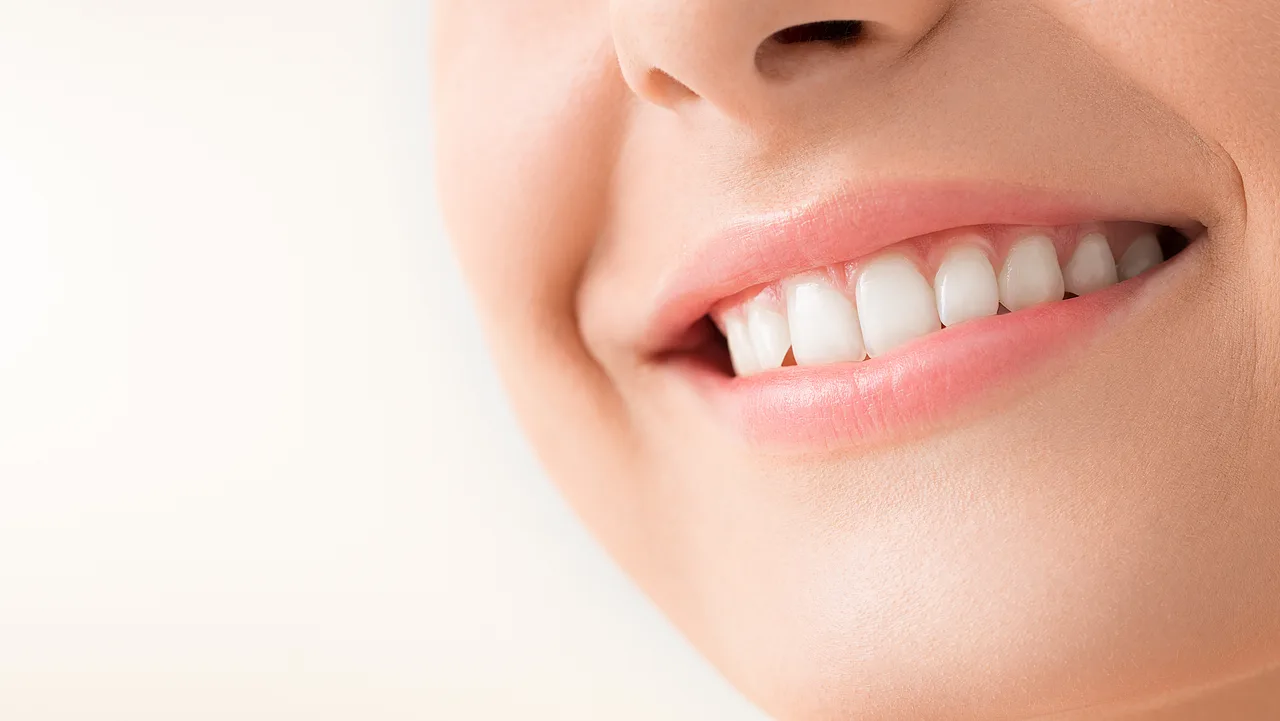
Because so little enamel is touched, the process is comfortable and, in most cases, reversible. Their translucency reads like natural tooth, softening chips, gaps, stains, and uneven shape.
Lumineers are not right for everyone, and we say so. Dr. Frey weighs them against traditional veneers and recommends whichever suits your teeth and your goal.
The details that turn a procedure into a result worth keeping.
Little to no enamel is removed, and no temporaries are needed between visits.
With natural tooth left intact, the option to change course remains.
Recommended only when they are the better fit for your smile.
Neither is better for everyone; they suit different teeth. Traditional porcelain veneers are slightly thicker and usually need a thin layer of enamel prepared, but they can mask heavier discoloration and make a larger change, while Lumineers keep more of your natural tooth and may not fully cover deep stains. Our article on Lumineers and veneers compares the two, including how each is placed.
Lumineers are not usually painful, and they are often placed without any numbing. You may feel slight pressure while they are bonded, and some patients notice mild sensitivity to hot or cold, or tender gums, while the mouth adjusts. Our article on whether Lumineers are painful explains what to expect at each visit.
Not when they are planned around the natural size of your teeth. They add a very thin layer to the front of each tooth, so the change is subtle; a bulky look is more of a risk when teeth are already large or push forward, while for small, worn or spaced teeth the added fullness can bring them into better proportion. If a Lumineer feels bulky after placement, it can be refined. Our article on Lumineers and tooth size explains how the shape is planned.
Lumineers tend to suit healthy teeth and gums with mostly cosmetic concerns, such as mild discoloration, small chips, small gaps or slightly uneven teeth. They are usually a weaker fit for deep stains, significant decay or damage, a bite that needs major orthodontic correction, or teeth that are regularly clenched or ground, which can shorten their life. If you clench or grind, Dr. Frey looks at that first, and our page on clench and grind relief explains how it is eased.
No. Lumineers are porcelain, and whitening gel does not change the color of porcelain, so their shade is set when they are made. If you would like your other teeth brighter, it is best to whiten them first so the Lumineers can be matched to the new shade. Porcelain resists staining, and regular professional cleanings remove surface stains.
Care at Perfect White Smile is rarely a single procedure. These often work alongside lumineers.
Bring the chips, gaps or stains you would like to soften to a private consultation, and Dr. Frey will show you what Lumineers could change, and where traditional veneers might serve you better.
Accessibility