
Jaw before teeth
We find the right jaw position, then align the teeth to it.
Straight teeth mean little if the bite is wrong. Here the jaw is guided into balance first, then the teeth are aligned to fit.
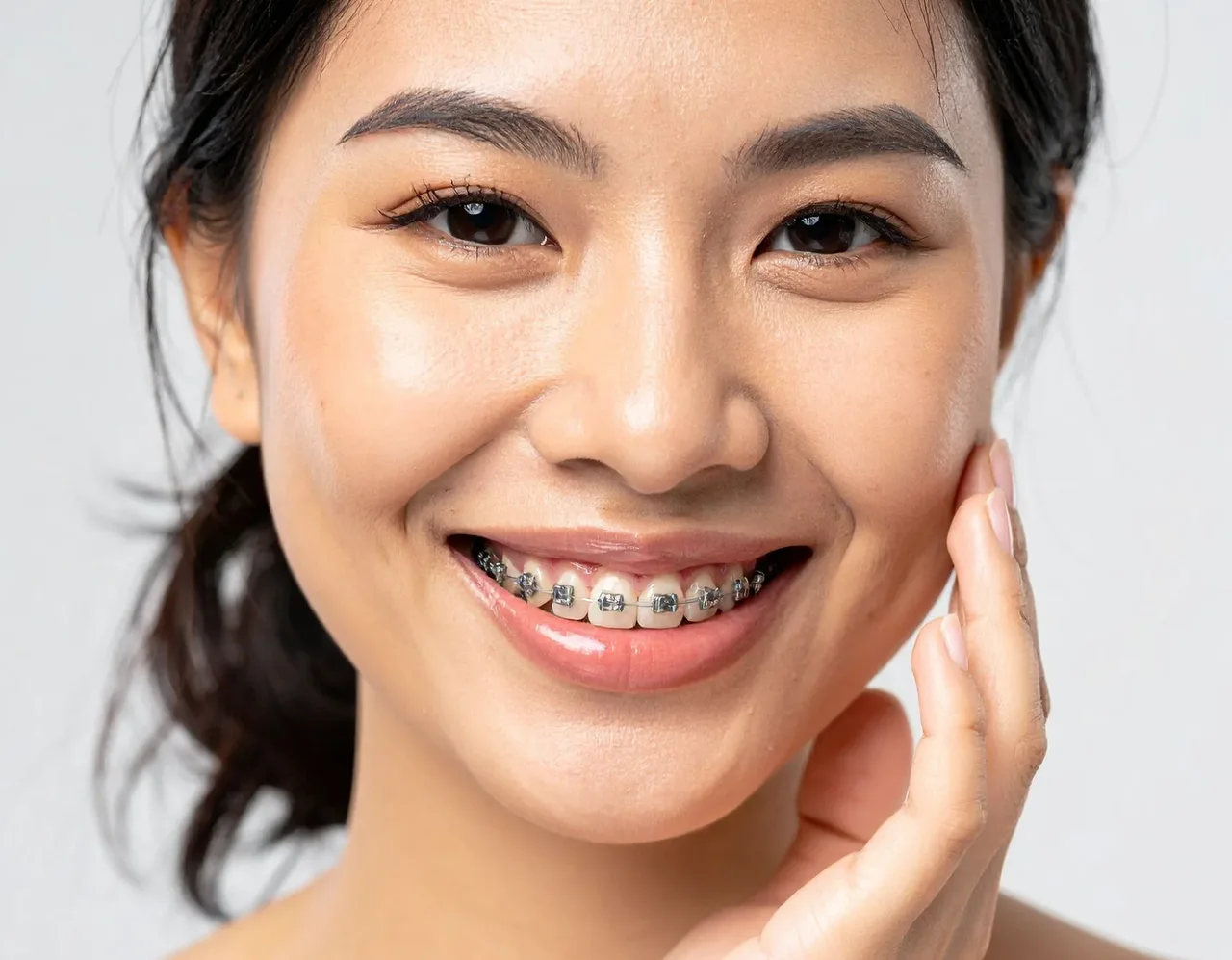
Traditional orthodontics moves the teeth and expects the jaw to follow. Dr. Frey reverses the order, developing the jaw into a physiologically sound position and letting the teeth settle around it.
For many, this is the second phase of TMJ care. Once the muscles hold the new position comfortably, the corrected bite becomes permanent and the temporary appliance is no longer needed.
Neuromuscular, or orthopedic, orthodontics is an option for Phase 2 of our TMJ treatment, the phase that makes a healthy jaw position lasting. Putting the word neuromuscular or orthopedic in front of orthodontics means we are doing more than straightening teeth.
The aims are to increase the volume of air that reaches the throat, to bring the vertebrae of the neck in line with the dental arches, to make breathing through the nose more comfortable, and to give the jaw joints enough space to open and close smoothly, without clicking, cracking or popping. The sections below explain how.
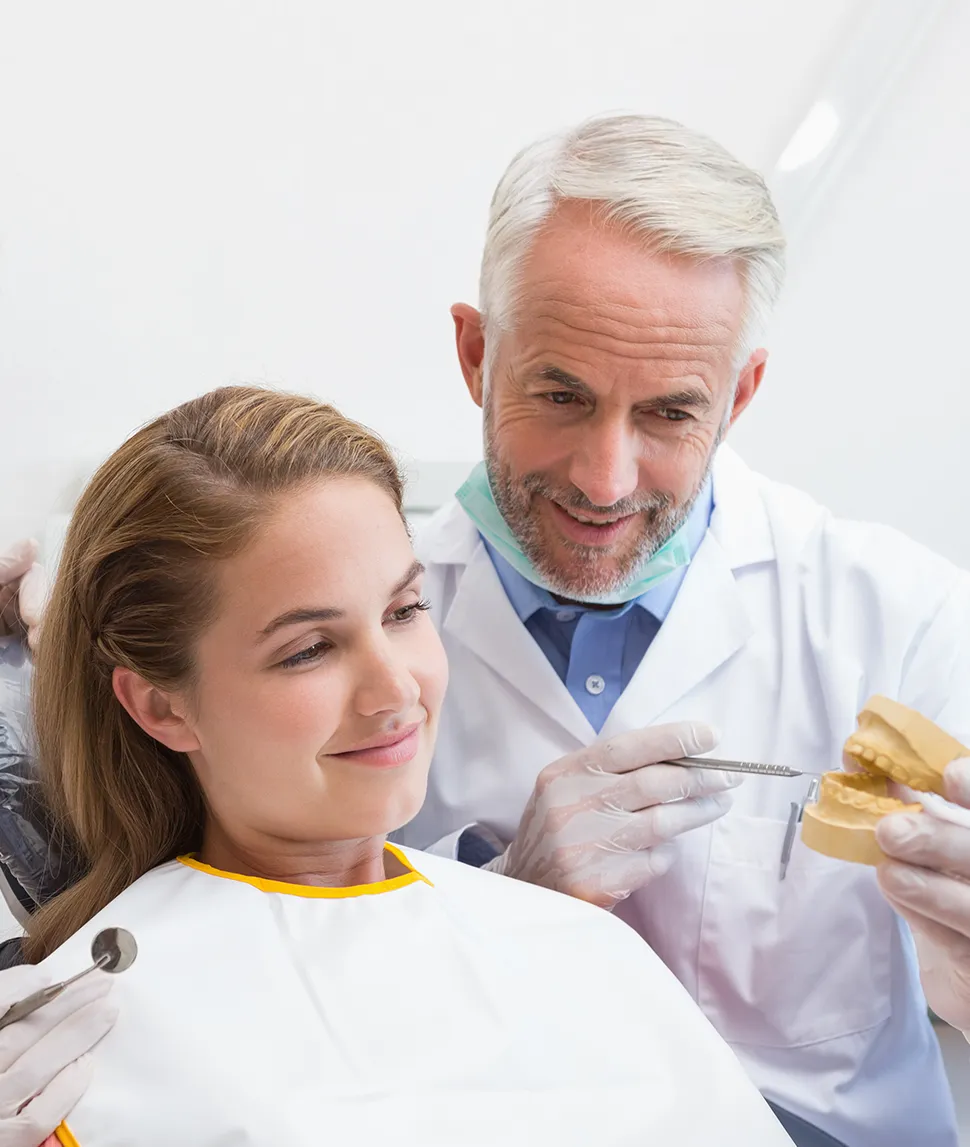
In Phase 2 of TMJ therapy, orthodontics can come into play. The goal is to keep the correct jaw position and bite without continuing to need the Phase 1 TMJ orthotic. Neuromuscular orthodontics moves the teeth so that the newly corrected position lasts.
This often involves widening the upper and lower arches and bringing them forward, which develops bone in the upper jaw in three dimensions. That upper arch development is usually done with controlled arch orthodontics. The goal, again, is to move the teeth into the position that is physiologically correct for your head, neck and posture, and to keep them there.
Dr. Frey uses the Controlled Arch System to rehabilitate the mouth. With it, he can reposition your jaw in a physiologically balanced position, with the aim of reducing pain and correcting your bite. The Controlled Arch approach develops the jaw first and then moves the teeth to fit the jaw, rather than the reverse. We describe the appliances used in controlled arch orthodontics on our page on TMJ treatment without surgery.


In under two minutes, Dr. Frey explains how he uses neuromuscular dentistry and modern technology to find the right bite alignment, and why it matters for headaches and jaw tension.
The surest way to know whether you are a candidate is a consultation with Dr. Frey. You may be suited to controlled arch orthodontics if you have experienced any of the following:
First, Dr. Frey locates your most relaxed, natural jaw position using specialized equipment. The next step is to make that position lasting, so the temporary orthotic is no longer needed. This is Phase 2 of our TMJ disorder treatment.
Once you are completely comfortable with your new bite, Dr. Frey may recommend restorative or cosmetic dentistry, or orthodontics, to sustain the results of your TMJ treatment. If your teeth need to move to reach the proper bite alignment, orthodontics may be the better choice for Phase 2.
Orthodontics that straightens the teeth without regard to where the jaw rests comfortably can leave the jaw muscles working harder to hold a stable position, the same strain that lies behind many TMJ symptoms. That is why we find the jaw position first and then move the teeth to fit it.
If you have had orthodontic treatment before and now have jaw pain, it is worth having your bite evaluated. We have written more about TMJ pain and braces on our blog.
There is no set duration for orthodontic treatment. It is unique to every patient and depends on how far the teeth need to move to reach the proper alignment. Each person is different, so Dr. Frey will talk you through what to expect in your own case.
For many patients, TMJ symptoms ease a great deal once the teeth are moved into the corrected position, and for some they settle completely. The reason is that the jaw muscles no longer have to work harder to keep the jaw stable. Every case is different, so Dr. Frey will talk through what is realistic for yours.
As with orthodontics for teenagers, keeping the teeth in place after they have been moved is crucial to long term success. Because orthopedic orthodontics moves the teeth into a position that is in harmony with the jaw muscles and the jaw joint, the new position tends to be a stable one. Retainers hold the teeth while everything settles, and Dr. Frey will tell you how long to wear yours.
The details that turn a procedure into a result worth keeping.
We find the right jaw position, then align the teeth to it.
The corrected bite is made stable and permanent.
Often the second phase after conservative TMJ care.
Care at Perfect White Smile is rarely a single procedure. These often work alongside neuromuscular orthodontics.
Sit with Dr. Frey for a private consultation. He will assess where your jaw rests most comfortably and explain whether neuromuscular orthodontics could help it stay there.
Accessibility