
Conservative
Minimal tooth is touched compared with veneers or crowns.
Bonding is quiet, careful work. Resin is layered and shaped directly on the tooth, then polished until it disappears into your smile.
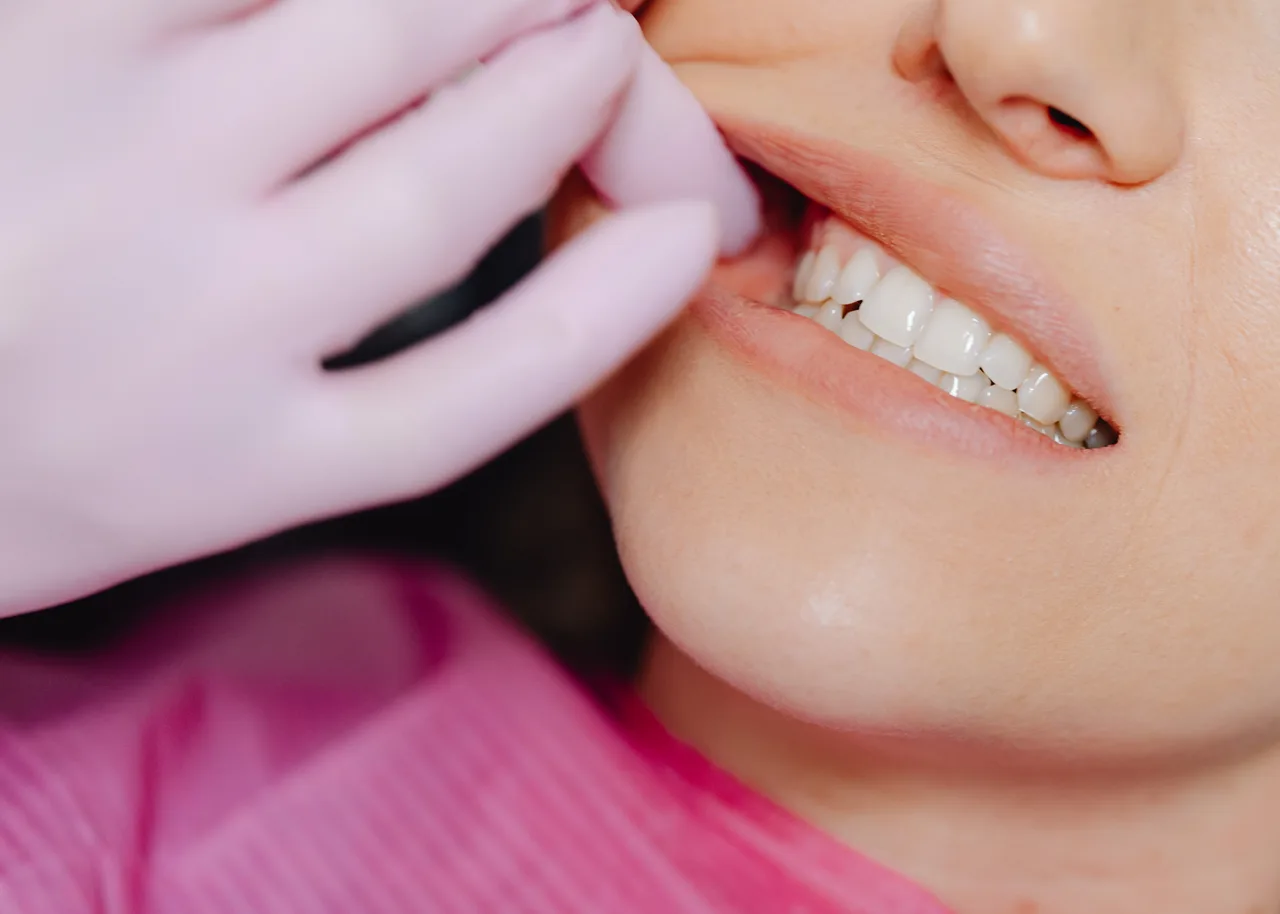
It is the most conservative correction we offer. Small chips, gaps, and uneven edges are refined with little or no reduction of natural tooth, and often without anesthesia.
Dr. Frey shapes each tooth with you present, matching color to the teeth beside it and checking the bite before polishing. Most corrections are complete in one appointment.
The details that turn a procedure into a result worth keeping.
Minimal tooth is touched compared with veneers or crowns.
Most bonding is shaped, cured, and polished in a single appointment.
Contour and color are refined in the chair, not sent to a lab.
After an exam to confirm bonding suits the tooth, the surface is lightly roughened and a conditioning liquid is applied so the resin holds. The resin is then sculpted, hardened with a special light, trimmed and polished. Our guide to the dental bonding process walks through each step.
It can, though resin asks for a little more care than porcelain. It picks up stains from coffee, tea, red wine and tobacco more readily than porcelain, and it can chip, so brushing and flossing, regular cleanings and not biting ice or pens all help. A chipped or dulled area can usually be repaired by adding and polishing new resin. Our article on whether bonding looks natural goes into more detail.
Often, when the chip is small. The right repair depends on the size and location of the chip, which tooth it is and the health of the tooth around it, and when a larger part of the tooth is lost, a porcelain veneer or a crown usually serves better. Our article on bonding a chipped tooth explains the options, and Dr. Frey confirms which suits your tooth after an exam.
Small gaps, yes. How a gap is closed depends on its size, cause and location: larger spaces may suit porcelain veneers or moving the teeth with orthodontic treatment, and a gap left by a missing tooth usually calls for a dental implant or a bridge. Dr. Frey will talk you through which approach fits at your consultation.
It depends on how much you want to change. Bonding suits small refinements such as a chip or a small gap and can be repaired or added to later, but resin is not as strong or as stain resistant as porcelain. Porcelain veneers suit larger changes to color, shape or alignment and resist staining well, though they usually need a thin layer of enamel prepared and more than one visit. Our comparison of bonding and veneers sets out the differences, and Dr. Frey recommends one after examining your teeth and bite.
Care at Perfect White Smile is rarely a single procedure. These often work alongside dental bonding.
Bring the chip, gap or uneven edge that bothers you to a private consultation, and Dr. Frey will tell you whether bonding is the simplest way to refine it.
Accessibility