
One plan
Every tooth considered as part of the whole.
Full mouth rehabilitation rebuilds the health, function, and appearance of your teeth, gums, and bite together, following one coordinated plan.

Full mouth rehabilitation brings together cosmetic, restorative, and bite focused care into a single, sequenced treatment plan.
Function and beauty are restored together, so the result feels as good as it looks.
Full mouth rehabilitation, also called full mouth reconstruction or full mouth restoration, is a comprehensive approach for a mouth that needs more than a tooth or two of care. It is designed to replace missing teeth, repair damaged teeth, correct a misaligned jaw joint and bite, treat gum disease, rebuild lost jawbone, and replace worn out dental appliances with dental implants. Just as important, it aims to create a smile that looks relaxed and in proportion with your face.
At our Beverly Hills practice we call this approach Smile 360. Dr. Frey looks at the entire mouth, not just the teeth that show when you smile, so the work goes well beyond making a beautiful smile. Depending on your situation, it can include placing implants to rebuild the bite, repositioning a bite that is under strain from TMJ, moving teeth with orthodontics, or rebuilding the jawbone with bone grafts. It is an involved process. Dr. Frey handles much of it himself, and because we are a multi specialty practice, he can also bring in the endodontists, oral surgeons, and periodontists who work in our office.
Dr. Frey often describes oral health as a pie with several pieces: healthy gums, no infection, no missing teeth, a healthy and comfortable bite, and a beautiful smile. Smile 360 is designed to address every piece, not just the one that prompted your visit.
If any piece stops working well, your oral health can suffer. It may be missing or badly decayed teeth. It could be gum disease, or bite problems caused by temporomandibular joint disorder. It could be a crooked smile. When these problems build up, the teeth in both the upper and lower jaws may all need attention, and that is when full mouth rehabilitation makes sense.
Dr. Frey’s combination of neuromuscular and cosmetic dentistry, built over more than 35 years of practice, is aimed at giving you back a healthy, natural smile that feels like your own.

Full mouth rehabilitation is not a one appointment treatment. Before the Smile 360 procedure itself can begin, every piece of the dental pie has to be addressed. Are your gums healthy? Is your bite sound? Depending on what your mouth needs, your plan can include any combination of the following.

There is no single threshold that makes a case full mouth rehabilitation. The term mainly describes a situation that has moved past one or two teeth needing attention, or where the gums have progressed from gingivitis into gum disease. We plan these cases with what Dr. Frey calls a reorganized approach: treating the mouth as one connected system rather than one tooth at a time, which he sees as the foundation for healthy teeth and a beautiful smile.
Some of the issues that lead patients to full mouth rehabilitation:
Treatment techniques and timelines vary from patient to patient, but the first step is always a comprehensive dental exam. Before we plan any restorative work, we need a clear picture of your dental health.
Some patients need neuromuscular dentistry first, to address pain and teeth worn down by grinding. It is one of several pieces of the dental pie that have to be settled before cosmetic work begins, so that your new smile rests on a comfortable, stable bite.
Once the foundations are in place, we like to complete the Smile 360 procedure in two major visits, with a shorter visit in between.
To be true artists of the smile, we look at the entire mouth, not just the teeth that show. This is the reorganized approach. Full mouth rehabilitation may call for neuromuscular therapy or bite correction to treat the underlying problem behind cracked, broken, missing, or crooked teeth. It combines our expertise in neuromuscular and cosmetic dentistry to create a healthy, natural smile.
A smile makeover is generally elective. It uses treatments such as porcelain veneers or dental implants to improve the look of your smile, and its focus is the teeth that show when you smile. At our practice even a smile makeover begins with a check of your bite and gum health, but its goal is mainly cosmetic.
Full mouth rehabilitation, on the other hand, is often necessary for patients who want to keep their teeth and avoid losing significant jawbone. Its purpose is to halt a decline in your oral health and rebuild from there.
Success in full mouth rehabilitation is the whole mouth working together: healthy gums, no infection or missing teeth, a comfortable bite, and a smile you are glad to show. You see and approve the look in your trial smile before anything final is placed, so the result is one you have chosen.
When every piece of the dental pie works together, the aim is that your visits can settle back into routine cleanings and exams for years to come. Every mouth is different, and Dr. Frey will talk through what is realistic for yours at your consultation.
Two patients of our practice, photographed before treatment and after their full mouth rehabilitation was complete.
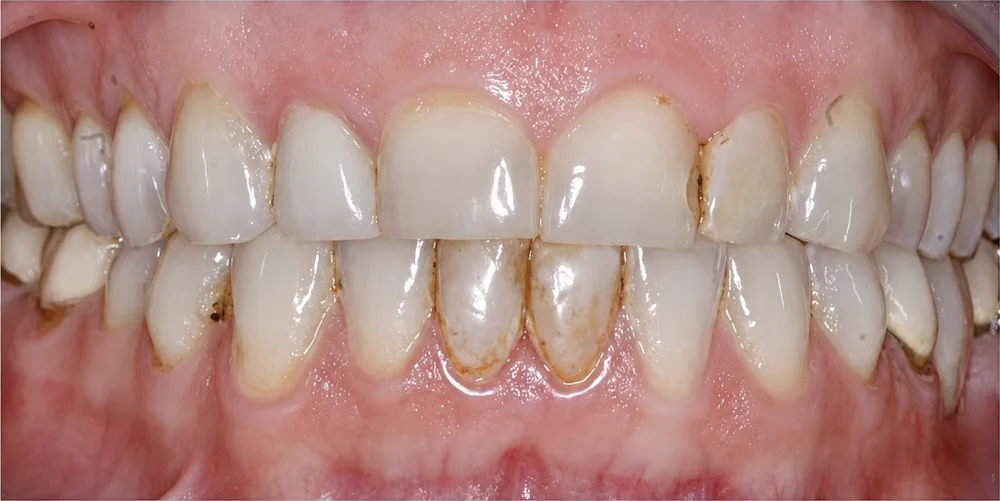 Before
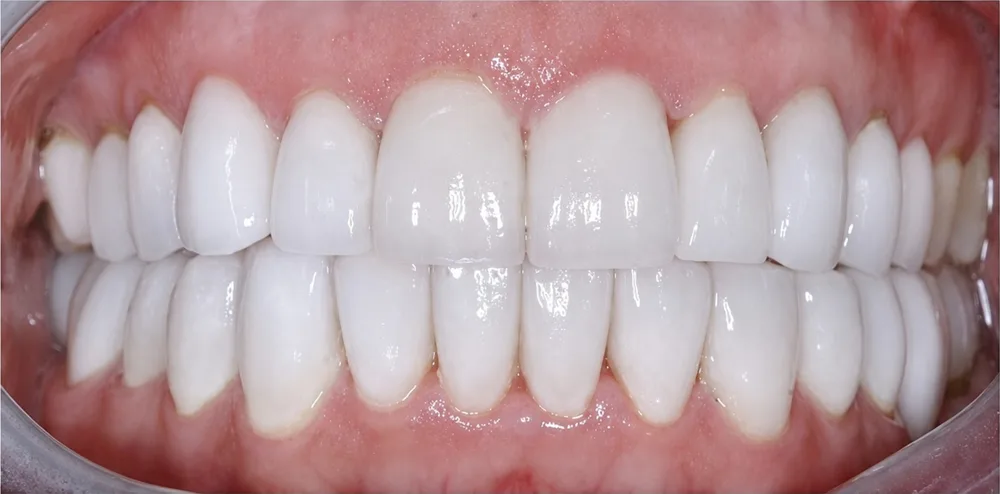 After
After
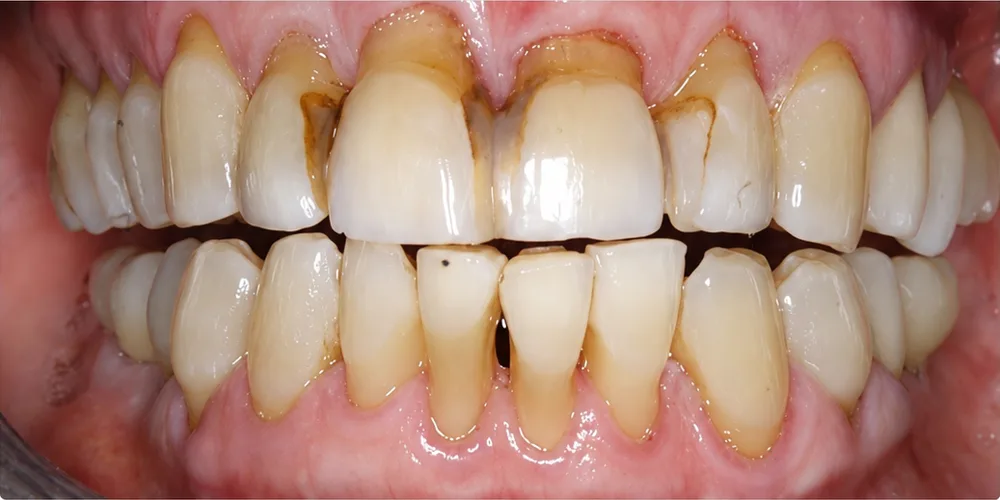 Before
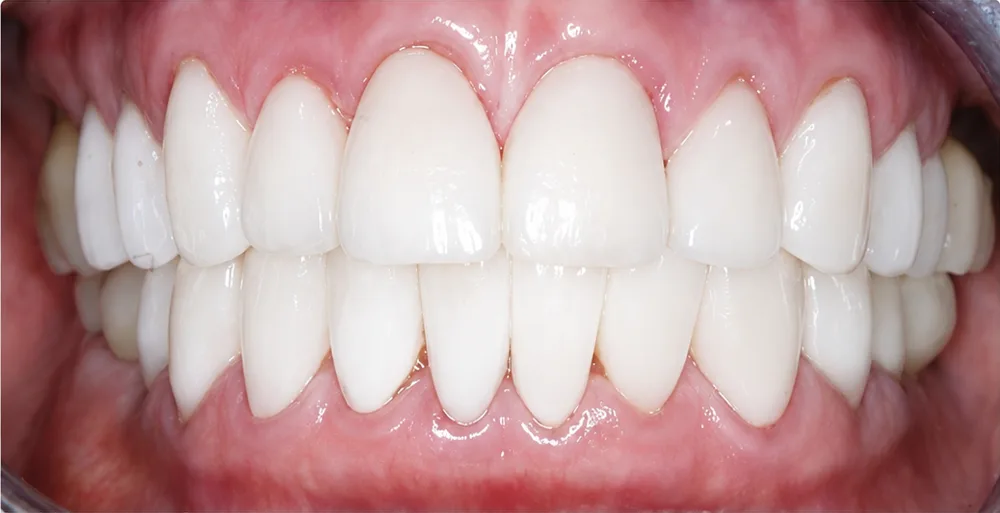 After
After
Shown with patient permission. Individual results vary.
Full mouth veneers with Dr. Frey, in the patient’s own words.
How Dr. Frey plans the bite, the joint and the smile together, as one coordinated plan.
We work to keep every stage as comfortable as possible, and our aim is for you to feel at ease before, during, and after each visit. Local anesthetic is used throughout. You may have some soreness while you recover, and we help you manage it. If you feel anxious about dental visits or procedures, we offer sedation, including oral and IV options, through our sleep dentistry care.
It depends on where you are starting from. Any groundwork your mouth needs, such as treating gum disease or correcting the bite, can take several phases and visits, and that varies from patient to patient. Once the foundations are in place, the Smile 360 procedure itself usually takes two major visits with a shorter one in between, as described above. Dr. Frey will map out the sequence for your case at your consultation. Our article on how long full mouth rehabilitation takes goes into more detail.
The details that turn a procedure into a result worth keeping.
Every tooth considered as part of the whole.
A comfortable bite and a beautiful result.
Sequenced around your comfort and your calendar.
Care at Perfect White Smile is rarely a single procedure. These often work alongside full mouth rehabilitation.
Sit with Dr. Frey for a private consultation. He will look at your teeth, gums, and bite together and walk you through what a Smile 360 plan could involve for you.
Accessibility