
You’re not alone if you’ve ever experienced jaw discomfort, clicking sounds, or difficulty chewing. Millions of Americans report jaw-related pain each year. Often, this discomfort is connected to conditions involving the temporomandibular joint (TMJ). But there’s a lot of confusion around TMJ vs. TMD.
At Perfect White Smile, we believe that patient education is the foundation of effective treatment. This guide will clearly explain the symptoms, causes, and treatment options so you can seek the right care.
What Is TMJ?
TMJ refers to the temporomandibular joint, which connects the jawbone (mandible) to the skull (temporal bone). It acts as a sliding hinge that allows essential movements such as speaking, chewing, and yawning. Everyone has two TMJs, one on each side of the jaw.
TMJ is not a diagnosis—it’s an anatomical part of the body.

What Is TMD?
TMD stands for temporomandibular disorders—a group of conditions that affect the function of the TMJ, surrounding muscles, and jaw structures. According to the National Institute of Dental and Craniofacial Research (NIDCR), over 10 million Americans suffer from some form of TMD, with women more frequently affected than men.
Recognizing the Symptoms of TMD
Understanding the signs of TMD is crucial for early intervention. Delaying diagnosis can worsen symptoms over time.
Common Symptoms Include:
- Jaw pain or tightness, especially in the morning
- Clicking, popping, or grinding sounds during jaw movement
- Difficulty opening or closing the mouth
- Ear pain or a sensation of fullness without infection
- Frequent headaches, especially near the temples
- Pain or fatigue while chewing
- Facial swelling near the joint
- Tinnitus (ringing in the ears)
Some may experience mild or intermittent symptoms, while others may experience debilitating chronic pain. Our dentists evaluate symptoms in context with your medical and dental history to arrive at an accurate diagnosis.
What Causes TMD?
Several risk factors can contribute to TMD. In most cases, the cause is multifactorial, meaning a combination of issues affects the joint or surrounding muscles.
- Bruxism (Teeth Grinding and Clenching): Habitual grinding or clenching, especially during sleep, places constant pressure on the TMJ, leading to muscle fatigue, joint inflammation, and potential enamel damage.
- Jaw or Facial Injury: Physical trauma from accidents or sports can displace or damage the TMJ, altering jaw alignment and triggering chronic pain or joint dysfunction over time.
- Arthritis: Inflammatory conditions like osteoarthritis or rheumatoid arthritis can break down joint cartilage, causing pain, stiffness, and restricted jaw movement within the TMJ.
- Malocclusion: An uneven bite causes misalignment in jaw movement, resulting in excessive strain on one or both TMJs and leading to muscle stress and joint wear.
- Stress and Muscle Tension: Emotional stress often triggers involuntary jaw clenching, which overworks the jaw muscles, leading to tightness, pain, and eventual joint irritation or dysfunction.
Identifying the cause helps tailor treatment. For example, a TMD related to bruxism responds well to night guards and behavior modification, while an arthritis-related TMD may require anti-inflammatory therapy.
Diagnosing TMD at Perfect White Smile
At Perfect White Smile, diagnosis is handled by our skilled dental professionals who are experienced in evaluating TMJ-related issues. We use a combination of:
- Comprehensive medical and dental history: We review your health records to identify risk factors and past jaw-related symptoms.
- Digital X-rays and 3D scans for joint analysis: High-resolution imaging helps visualize joint position, bone structure, and any signs of degeneration.
- Bite assessments and joint palpation: We examine your bite alignment and gently feel the jaw joint for pain or irregular motion.
- MRI or CT imaging (when necessary): Advanced imaging shows soft tissue health and internal joint structure for detailed assessment.
Our clinic prioritizes patient education and transparency in all treatment discussions. You’ll always understand the “why” behind your diagnosis and next steps.
Treatment Options for TMD
We follow an evidence-based, conservative-first approach. Surgery is a last resort, and most patients respond well to non-invasive care.
1. Home Care & Lifestyle Adjustments
Managing TMD often begins with simple lifestyle changes. During flare-ups, we recommend a soft-food diet to reduce strain on your jaw. Avoid chewing gum, biting nails, or eating hard foods. Warm compresses can relax facial muscles, and practicing jaw-stretching exercises and maintaining proper posture can significantly reduce tension over time.
2. Customized Night Guards
We design custom-fitted occlusal splints, known as night guards, to protect your teeth from grinding and clenching while you sleep. These devices realign your bite slightly and reduce pressure on your temporomandibular joints, providing long-term symptom relief and helping prevent further joint damage and enamel wear.
3. Medications
Medications can help manage pain and inflammation associated with TMD. NSAIDs like ibuprofen are commonly prescribed to reduce swelling. Muscle relaxants may relieve tension in overactive jaw muscles, while low-dose tricyclic antidepressants can be used in chronic cases to manage nerve-related pain and improve sleep quality.
4. Physical Therapy & Jaw Exercises
We may refer patients to licensed physical therapists trained in TMJ rehabilitation. Therapy includes guided jaw exercises, posture correction, and ultrasound or TENS therapy. These methods improve joint mobility, restore muscle balance, and help prevent further episodes of jaw pain or dysfunction through consistent therapeutic exercises.
5. Botox® Injections
For patients with chronic muscle tightness or jaw spasms, Botox® injections can offer targeted relief. The neurotoxin temporarily weakens hyperactive jaw muscles, easing pain and improving function. It’s especially effective for those unresponsive to other therapies. Our use of Botox® follows ADA guidelines and is clinically supported for select TMD cases.
6. Surgery (Only When Needed)
Surgery is reserved for severe, non-responsive TMD cases. When conservative options fail, procedures such as arthrocentesis, arthroscopy, or joint replacement may be considered. At Perfect White Smile, we refer patients to board-certified oral and maxillofacial surgeons, ensuring safety and precision in complex cases.
Living with TMD: Long-Term Outlook
TMD can be temporary or chronic. With proper diagnosis and early intervention, most patients improve significantly. Regular follow-ups, treatment adherence, and stress management are essential for long-term relief.
TMJ or TMD: Which One Are You Dealing With?
If you’re experiencing jaw discomfort, clicking sounds, facial pain, or limited jaw movement, you’re likely dealing with TMD (temporomandibular joint disorder)—not just TMJ. It’s important to understand that TMJ refers to the joint connecting your jaw to your skull, while TMD is the condition or disorder affecting how that joint functions.
Many people use the terms interchangeably, which can create confusion. However, knowing the difference is crucial for proper diagnosis and treatment. While jaw discomfort might seem minor at first, it can worsen without care, leading to chronic pain, difficulty eating, and even headaches or ear symptoms.
A professional diagnosis is the best way to determine what’s affecting your oral health.
Conclusion: Get Relief the Expert Way
Understanding the difference between TMJ and TMD is vital for seeking proper care. With symptoms, causes, and treatment options explained, you can take the next step toward relief.
At Perfect White Smile, we are committed to helping you restore your oral comfort, function, and overall wellness. If you’re experiencing jaw pain, book your TMD consultation today.
Relief may be just one appointment away!
FAQs
Is TMD a permanent condition?
Not necessarily. Many cases improve with therapy, lifestyle changes, and professional treatment.
Can jaw clicking be normal?
Painless clicking may not require treatment. However, if it’s frequent or paired with pain, evaluation is advised.
Are TMD symptoms linked to stress?
Yes. Emotional stress can lead to jaw clenching, which worsens TMD symptoms.
Who is most at risk for TMD?
Women aged 20–40 are more prone to TMD, possibly due to hormonal and anatomical factors.
Jaw pain is a common concern that affects millions of people and can range from mild annoyance to severe discomfort that disrupts daily life. Whether it starts suddenly or gradually builds over time, jaw pain can interfere with speaking, chewing, and sleeping. If you’re wondering, “Why does my jaw hurt?” understanding the cause is the first step toward lasting relief.
Keep reading to explore the most common causes of jaw pain and offer evidence-based strategies for identifying the issue and finding appropriate relief.
What Causes Jaw Pain?
Jaw pain can originate from various sources, such as joints, muscles, nerves, or nearby structures like teeth or sinuses. Identifying the exact cause is essential for effective treatment.
Here are some of the most common causes of Jaw Pain:

1. Temporomandibular Joint Disorder (TMD)
TMD refers to issues affecting the jaw joints and surrounding muscles. These joints help you talk, chew, and yawn, but are sensitive to stress and misalignment. Common causes include teeth grinding, jaw clenching, arthritis, or joint injury.
Women are more likely than men to develop TMJ disorders, possibly due to hormonal differences, stress levels, or jaw anatomy. Symptoms may include jaw clicking, facial soreness, headaches, and limited jaw movement.
2. Tooth or Gum Infections
Untreated dental issues such as cavities, gum disease, or abscesses can lead to jaw pain. This pain is usually sharp or throbbing and intensifies while chewing. A dental examination can help distinguish this from joint or muscle pain.
3. Sinus Infections
Inflamed sinuses, particularly the maxillary sinuses above the upper jaw, can cause facial pressure and discomfort that mimics jaw pain. Accompanying symptoms include nasal congestion and tenderness in the cheeks.
4. Trigeminal Neuralgia
This neurological condition affects the trigeminal nerve, which transmits sensation to the face. It can trigger intense, electric-like pain in the jaw, even during simple actions like brushing your teeth or eating. Medical evaluation is necessary for diagnosis and management.
5. Cluster Headaches
Cluster headaches are excruciating and usually affect the area around one eye. However, they can also radiate to the jaw, especially during active headaches. Other symptoms may include nasal congestion and eye watering.
6. Heart Attack Warning Sign
In rare cases, jaw pain, particularly on the left side, may signal a heart attack. Women are more likely to experience this symptom. If jaw pain occurs with chest discomfort, sweating, or shortness of breath, seek emergency medical help.
7. Arthritis of the Jaw
Conditions like osteoarthritis or rheumatoid arthritis can affect the jaw joints, leading to stiffness, grinding sensations, and pain. Symptoms are often worse in the morning or after excessive jaw use.
8. Teeth Grinding and Clenching (Bruxism)
Bruxism involves grinding or clenching the teeth, often during sleep or stressful situations. Over time, this can damage the jaw joints and muscles, resulting in soreness and persistent discomfort.
9. Dental Surgery or Trauma
During recovery, procedures such as extractions, root canals, or implants can cause temporary jaw pain. Similarly, jaw trauma from injuries can result in fractures, dislocations, or muscle strain.
How to Relieve Jaw Pain: Effective At-Home Solutions
Jaw pain doesn’t always require invasive treatment. Here are some strategies you can try at home to manage and reduce discomfort:
- Use Warm or Cold Compresses: Apply a warm compress to ease muscle tension or a cold pack to reduce inflammation. Use for 10–15 minutes at a time, multiple times a day, to help alleviate symptoms.
- Try Jaw Massage and Gentle Stretching: Massage the muscles around your jaw with circular motions and incorporate gentle stretching exercises. It can help relieve tightness and improve joint mobility.
- Avoid Hard, Chewy, or Crunchy Foods: During flare-ups, stick to soft foods such as soups, smoothies, and mashed vegetables. Avoid gum, hard candies, and raw vegetables to reduce strain on the jaw.
- Reduce Stress to Minimize Clenching: Stress is a major trigger for unconscious jaw clenching. To ease tension, engage in stress-reducing activities like yoga, deep breathing, meditation, or journaling.
- Limit Caffeine Intake: Caffeine can exacerbate muscle tension and contribute to jaw pain. Reducing coffee, tea, and energy drinks may help lower muscle sensitivity over time.
Professional Treatments for Jaw Pain
If self-care doesn’t provide relief, professional intervention may be necessary. Common treatment options include:
- Custom Mouthguards: Dentist-fitted mouthguards, especially worn at night, can help prevent teeth grinding and protect the TMJ from further stress.
- Prescription Muscle Relaxants: Muscle relaxants may be prescribed to reduce jaw tension and pain, particularly when other failed treatments have been used. These are used in the short term.
- Botox® Injections for TMJ: Botox injections can temporarily weaken overactive jaw muscles and relieve chronic clenching or TMJ dysfunction. Results last a few months.
- Jaw Surgery: Surgery is considered only when conservative treatments do not work. Depending on the severity, options include arthroscopy, joint realignment, or full joint replacement.
When to See a Dentist or Specialist
Consult a healthcare provider if you experience any of the following:
- Pain lasting more than a few days
- Difficulty moving your jaw
- Clicking, locking, or popping sounds
- Pain spreading to your ears, neck, or head
- Fever or facial swelling
Early diagnosis can prevent complications and support faster recovery.
Summary
Jaw pain can be disruptive and may signal a variety of underlying issues, from TMJ disorders and bruxism to infections or systemic conditions. Identifying the cause is key to choosing the proper treatment. Whether through home care or professional therapies, most individuals can find effective, long-term relief and regain their quality of life.
Find Relief from Jaw Pain Today
If jaw pain interferes with your comfort or daily life, it’s time to take action. Book your consultation by calling (310) 737-8787 or visiting our office at 433 N Camden Drive, Suite 1070, Beverly Hills, CA 90210. Expert care can help you regain function and restore your smile.
FAQs
How to get jaw pain to go away?
To relieve jaw pain, apply warm or cold compresses, take over-the-counter anti-inflammatory medications, avoid hard foods, and manage stress. If the pain persists, seek evaluation from a dental or medical professional to determine the underlying cause.
How do I know what is causing my jaw pain?
A comprehensive evaluation by a dentist or physician is necessary. They may use physical exams, dental assessments, and imaging tools like X-rays or MRIs to diagnose conditions such as TMJ disorders, infections, or nerve issues.
What is the best pain reliever for jaw pain?
Nonsteroidal anti-inflammatory drugs (NSAIDs) like ibuprofen or naproxen are often recommended. Acetaminophen may also help with general pain. Always follow dosage guidelines and consult a healthcare provider before taking any medication.
What is the disease that starts with jaw pain?
Several conditions may start with jaw pain. One of the most serious is a heart attack. Other conditions include TMD, sinusitis, or infections like osteomyelitis. Persistent or severe pain should always be evaluated promptly.
How do you release tension in your face and jaw?
You can release tension by performing facial massages, jaw stretches, and stress-reducing activities such as yoga and breathing exercises. Avoid clenching your teeth; consider using a nightguard if you grind your teeth at night.
Jaw pain is more than just a minor discomfort; it can signify a deeper issue affecting oral health. Whether it’s from a recent injury, underlying dental problems, or a chronic condition like TMJ, jaw pain can significantly impact your daily life. If you’ve been experiencing consistent or recurring pain in your jaw, it’s important to understand the root causes. In this blog, we’ll explore five possible reasons why your jaw might hurt and how you can find relief, especially with expert care from Perfect White Smile.

1. Temporomandibular Joint Disorder (TMJ)
One of the most common causes of jaw pain is Temporomandibular Joint Disorder (TMJ), which refers to issues affecting the temporomandibular joint. This hinge connects your jaw to your skull. This joint plays a vital role in every movement you make with your mouth, from talking to chewing, and even yawning. When it becomes inflamed, misaligned, or damaged, it can cause significant discomfort.
Symptoms of TMJ
TMJ disorders often present with various symptoms, which can range from mild to severe. Some common symptoms include:
- Pain in the jaw, neck, or shoulders
- Clicking, popping, or grating sounds when you move your jaw
- Limited movement or locking of the jaw
- Headaches and earaches
- Tinnitus (ringing in the ears)
Causes of TMJ
TMJ can be triggered by various factors, such as stress, injury, or even genetics. Some people may clench or grind their teeth unconsciously, especially while they sleep, which puts excessive pressure on the joint, leading to pain and inflammation. Other causes can include jaw misalignment, arthritis, or trauma from an accident.
Treatment Options for TMJ
If you’re dealing with TMJ symptoms, Perfect White Smile specializes in diagnosing and providing effective treatments for TMJ disorders. Dr. David Frey, DDS, uses advanced diagnostic techniques to evaluate the root cause of your jaw pain. Treatment may involve:
- Custom-made nightguards to prevent teeth grinding
- Physical therapy to improve joint mobility
- Anti-inflammatory medications to reduce pain
- Dental splints to help reposition the jaw
2. Teeth Grinding (Bruxism)
Teeth grinding, also known as bruxism, is another common cause of jaw pain. Many people unknowingly grind or clench their teeth, especially while they sleep. Over time, this repetitive pressure on the teeth and jaw can cause discomfort, wear down your enamel, and even lead to cracked teeth.
Symptoms of Bruxism
Signs that you may be grinding your teeth include:
- Waking up with a sore jaw or headache
- Tooth sensitivity
- Chipped or cracked teeth
- Visible wear on the surface of your teeth
Causes of Bruxism
Teeth grinding can be triggered by a variety of factors, including:
- High levels of stress and anxiety
- Sleep disorders
- Misaligned teeth or an improper bite
- Certain medications (like antidepressants)
Treatment for Bruxism
If you grind your teeth at night, the best solution is a custom nightguard. At Perfect White Smile, Dr. Frey offers personalized mouthguards that fit comfortably and protect your teeth from the damaging effects of bruxism. Other treatment options may include stress management techniques, lifestyle changes, or orthodontic treatments to correct a misaligned bite.
3. Arthritis
Arthritis can affect various joints, including the temporomandibular joint (TMJ). Both osteoarthritis (degenerative joint disease) and rheumatoid arthritis (an autoimmune disorder) can lead to inflammation, stiffness, and pain in the jaw. As these conditions progress, they can interfere with the joint’s ability to move properly, causing discomfort and limited mobility.
How Arthritis Affects the Jaw
Arthritis in the TMJ can cause:
- Joint degeneration, leading to bone-on-bone friction
- Reduced jaw mobility or a locked jaw
- Constant dull or throbbing pain
- Swelling and tenderness around the jaw joint
Managing Arthritis and Jaw Pain
Managing arthritis-related jaw pain often requires a comprehensive approach, including:
- Medication to reduce inflammation and pain
- Physical therapy to strengthen the jaw muscles
- The use of joint-supporting devices, such as splints or nightguards
- Surgical intervention, in extreme cases, to repair or replace the joint
If you suspect arthritis contributes to your jaw pain, consult with Dr. Frey to create a customized treatment plan that addresses the symptoms and the underlying condition.
4. Jaw Injury
Jaw injuries, whether caused by a fall, accident, or sports-related trauma, can lead to pain and discomfort. A jaw injury may result in a dislocated jaw, fractured bone, or muscle strain, which can interfere with normal jaw function.
Common Jaw Injuries
- Fractures: A break in the jawbone, often caused by trauma.
- Dislocations: When the jaw joint is forcibly moved out of place.
- Muscle Strains: Injuries to the muscles that control jaw movement.
Treatment for Jaw Injuries
If you have recently suffered a jaw injury, it’s essential to seek dental care immediately. Dr. Frey will perform a thorough examination and may recommend:
- X-rays to evaluate the extent of the injury
- Ice packs to reduce swelling
- Splints or braces to stabilize the jaw
- Surgical treatment in the case of severe fractures or dislocations
A timely visit to Perfect White Smile ensures the right intervention to heal your jaw and restore its function.
5. Dental Issues
Certain dental problems can cause or exacerbate jaw pain. For instance, misaligned teeth or bite issues may lead to unnecessary stress on your jaw, resulting in discomfort. Similarly, untreated cavities, gum disease, or infections in the tooth roots may radiate pain to the jaw.
How Dental Issues Lead to Jaw Pain
- Misalignment: An uneven bite can force your jaw to compensate, resulting in pain and tension.
- Cavities: Infected teeth can cause swelling or throbbing that extends to the jaw.
- Gum Disease: Infected gums can cause tenderness and pain that radiates through the jaw.
Treatment for Dental Issues
Addressing dental problems early on can help prevent jaw pain. At Perfect White Smile, we offer comprehensive dental treatments, including:
- Braces or Invisalign for bite correction
- Fillings or root canal therapy for cavity treatment
- Periodontal care for gum disease
By resolving these dental issues, you can alleviate strain on your jaw and prevent further discomfort.
Conclusion
Jaw pain can arise from various causes, ranging from TMJ disorders and teeth grinding to arthritis, injuries, and dental issues. Understanding the underlying cause is the first step toward effective treatment. If you’ve been struggling with jaw pain, don’t wait to seek professional care. At Perfect White Smile, Dr. David S. Frey provides comprehensive solutions tailored to your needs, offering relief from jaw discomfort and helping you regain a healthy, pain-free smile.
Contact us today to schedule a consultation and take the first step toward a pain-free life.
FAQs
What are the common symptoms of TMJ?
TMJ symptoms include jaw pain, headaches, earaches, clicking or popping sounds when opening your mouth, and difficulty opening your mouth wide.
How can I prevent teeth grinding?
To prevent teeth grinding, try using a nightguard, managing stress, and avoiding stimulants like caffeine before bedtime. Your dentist can provide a custom mouthguard for protection.
Can arthritis cause jaw pain?
Yes, both osteoarthritis and rheumatoid arthritis can affect the temporomandibular joint, leading to pain and reduced jaw movement.
What should I do if my jaw hurts after an injury?
If your jaw hurts after an injury, seek dental care immediately. Your dentist can assess the damage and offer treatment options to reduce pain and restore functionality.
How can I improve my bite and relieve jaw pain?
A misaligned bite can contribute to jaw pain. Treatments like braces, Invisalign, or corrective dental work can help realign your teeth, relieving strain on your jaw.
Bibliography & Source
- American Dental Association (ADA) – Temporomandibular Joint (TMJ) Disorders
- National Institute of Dental and Craniofacial Research (NIDCR) – Bruxism
- WebMD – Jaw pain
Jaw pain can interfere with your ability to chew, speak, and sleep. At Perfect White Smile, we frequently treat patients suffering from persistent jaw discomfort, many of whom are unsure whether the issue lies with their TMJ or a condition known as TMD.
In this expert guide, we’ll explain Jaw Pain and Its Causes: TMD vs TMJ, how to tell the difference, and what treatment options are available to help you regain comfort and jaw function.
TMJ vs. TMD: What’s the Difference?
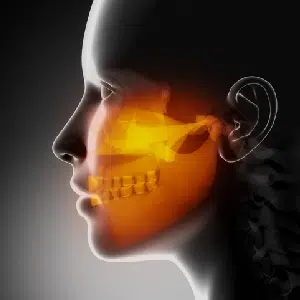
What Is the TMJ?
The temporomandibular joint (TMJ) connects your lower jaw (mandible) to the skull. This hinge-like joint allows your mouth to open and close and plays a crucial role in chewing, speaking, and swallowing.
What Is TMD?
Temporomandibular joint disorder (TMD) is dysfunction or pain affecting the TMJ and surrounding muscles. It’s a broad term encompassing inflammation, misalignment, and stress-related issues that interfere with normal jaw function.
Key Distinction:
- TMJ: the anatomical joint
- TMD: the dysfunction or condition causing pain
TMJ vs. TMD: Clearing the Confusion
To clarify:
| Term | Meaning |
| TMJ | Temporomandibular Joint (the anatomical joint) |
| TMD | Temporomandibular Disorders (conditions affecting the joint and muscles) |
You have a TMJ, but you may suffer from TMD.
Using the right terminology helps ensure accurate communication between you and your dental provider.
Causes of TMD: Understanding the Root Problem
There is no single cause of TMD; it can stem from a combination of factors. Here are the most common contributors:
- Bruxism (Teeth Grinding and Clenching): Often linked to stress, bruxism exerts constant pressure on the TMJ, leading to muscle fatigue and joint irritation, especially overnight.
- Joint Injury or Trauma: A blow to the jaw or an accident can displace or damage the joint, triggering inflammation and long-term dysfunction.
- Arthritis: Osteoarthritis or rheumatoid arthritis can deteriorate the TMJ over time, reducing joint flexibility and causing pain.
- Misaligned Bite (Malocclusion): When your teeth don’t align properly, your jaw muscles and joints compensate, which may eventually strain the TMJ.
- Emotional Stress and Muscle Tension: High-stress levels can cause unconscious jaw clenching, increasing strain on the joint and facial muscles.
How To Treat TMD?
We believe in non-invasive, conservative care wherever possible. Your treatment plan may include:
1. Custom Nightguards
These custom-fitted appliances are worn while you sleep to prevent teeth grinding (bruxism) and reduce stress on the TMJ. They help relax the jaw muscles and protect teeth from wear, easing pain over time.
2. Bite Correction
If your bite is misaligned, we may recommend orthodontic treatments like Invisalign® to improve how your teeth come together. Proper alignment reduces strain on the jaw joint and prevents further deterioration of the TMJ.
3. Physical Therapy
Specialized jaw exercises and muscle-stretching techniques help improve mobility, reduce inflammation, and relieve muscle tension. We may also recommend posture correction and manual therapy techniques to support long-term jaw function.
4. Stress Management
Because stress is a major trigger for jaw clenching and grinding, we provide relaxation strategies such as breathing exercises, mindfulness, and behavioral therapy referrals to help reduce emotional tension and prevent TMD flare-ups.
5. Medication
Depending on the severity of symptoms, anti-inflammatory drugs, muscle relaxants, or Botox® injections may relieve pain and reduce jaw muscle spasms, allowing healing and improved function.
6. Surgery (Last Resort)
When conservative treatments don’t offer relief, surgical options like arthrocentesis (joint flushing), arthroscopy, or joint replacement may be considered. Surgery is only recommended after thorough evaluation and when all other options have been exhausted.
Prevention Tips for TMD & Jaw Pain
- Avoid excessive gum chewing or nail-biting
- Maintain proper posture while working or using digital devices
- Use a nightguard if you grind your teeth
- Eat soft foods during flare-ups
- Apply moist heat or cold packs for temporary relief
Conclusion: Take the First Step Toward Jaw Pain Relief
Jaw discomfort can significantly impact your daily life, but you don’t have to live with it. Understanding the difference between TMD and TMJ is key to finding lasting relief. At Perfect White Smile, our expert team offers advanced diagnostics and personalized care to address the root cause of your symptoms.
If you’re experiencing persistent jaw pain, clicking, or stiffness, don’t wait. Schedule your consultation today and let us help you restore comfort, function, and confidence in your smile.
FAQs
Can TMD be cured permanently?
While some patients experience permanent relief with treatment, others may need ongoing care to manage symptoms, especially if bruxism or arthritis is involved.
Are women more likely to develop TMD?
Yes. Studies have shown that women, especially those between 20–40 years old, are more likely to experience TMD symptoms. Hormonal factors may play a role.
Can TMD go away on its own?
Mild TMD symptoms may resolve without treatment, especially if caused by temporary stress or muscle tension. However, chronic or worsening jaw pain should always be evaluated. Early intervention from a qualified provider can prevent long-term damage to the joint and muscles.
Is TMD dangerous if left untreated?
Untreated TMD can lead to worsening pain, limited jaw movement, joint damage, and even permanent misalignment. It may also affect sleep, diet, and mental health. That’s why timely evaluation by an experienced dentist is crucial for long-term well-being.
Can Invisalign help with TMD?
Yes, if your TMD is caused or worsened by bite misalignment, Invisalign® may help. Under professional guidance, it can gradually reposition the teeth and improve bite functions, reducing joint stress and easing TMD symptoms.
Temporomandibular joint (TMJ) disorders can be painful, frustrating, and often misunderstood. While many individuals associate TMJ dysfunction with jaw clicking or soreness, nerve involvement presents a more complex and serious concern. If you experience symptoms such as tingling, numbness, or radiating pain around your face, neck, or ears, you may be suffering from TMJ-related nerve damage. Recognizing these signs early and seeking timely, professional care can significantly improve your quality of life.
TMJ disorders affect approximately 5–12% of Americans, with women being twice as likely to experience symptoms as men, especially between the ages of 20 and 40. Let’s explain the most common symptoms of TMJ nerve damage and provide strategies for managing and relieving the condition.
What Is TMJ and How Can It Affect the Nerves?
The temporomandibular joints connect the lower jaw to the skull on each side of the face. These joints allow essential movements such as chewing, speaking, and yawning. When the TMJ is misaligned, inflamed, or under stress, it can compress or irritate nearby nerves, including the trigeminal and facial. This prolonged nerve compression or inflammation can trigger pain and neurological symptoms in the jaw, head, neck, and facial areas.
Common TMJ Nerve Damage Symptoms
Identifying the symptoms of TMJ-related nerve damage is essential for early intervention and effective treatment. Below are the most frequently reported symptoms:
Facial Pain or Tingling
Tingling, numbness, or sharp, shooting pain in the cheeks, jaw, chin, or lips may signal trigeminal nerve irritation. These sensations may be intermittent or persistent and often interfere with facial expressions, chewing, or brushing teeth.
Ear Pain and Tinnitus
TMJ disorders can compress nerves near the ear canal, resulting in unexplained earaches, a sensation of fullness in the ears, or tinnitus (ringing or buzzing sounds). These symptoms typically occur without any infection and can be confusing for patients.
Radiating Pain to the Neck and Shoulders
Since the jaw muscles and nerves are connected to the neck and upper back, it is common for TMJ dysfunction to cause pain that spreads beyond the jaw. Patients may feel muscle tension, stiffness, or nerve-like pain that extends to the shoulders and back.
Headaches or Migraines
TMJ-related nerve inflammation often contributes to frequent headaches or migraines, particularly around the temples or behind the eyes. These episodes can be triggered by jaw clenching, chewing, or prolonged speaking.
Difficulty Swallowing or Speaking
When inflammation affects the facial or glossopharyngeal nerves, patients may experience discomfort while speaking or swallowing. This may include a sensation of throat tightness or difficulty articulating certain words.
Tooth Sensitivity or Pain
Nerve-related referred pain can make teeth feel sore or unusually sensitive, even without dental decay or infection. Patients often mistake this discomfort for a dental issue when it originates from TMJ dysfunction.
Studies show that patients with TMJ dysfunction and nerve involvement exhibit joint derangement, often accompanied by neuropathic symptoms like tingling, numbness, or radiating facial pain.
What Causes TMJ Nerve Damage?
Several factors may lead to nerve irritation or compression in the temporomandibular joint:
- Chronic teeth grinding (bruxism)
- Jaw misalignment or malocclusion
- Arthritis or joint inflammation
- Trauma to the jaw or head
- Poor posture, especially in the neck
- Chronic stress or anxiety leading to jaw-clenching
A comprehensive dental and neuromuscular evaluation is critical for accurately diagnosing the underlying cause and developing a targeted treatment plan.
Effective Treatments for Managing TMJ Nerve Damage
Treatment for TMJ nerve damage should be tailored to the severity and origin of your symptoms. There are several options to relieve pressure on the TMJ and surrounding nerves:
- Custom Oral Appliances: A professionally made nightguard or splint can alleviate pressure on the jaw joint, prevent teeth grinding, and reduce nerve strain.
- Neuromuscular Dentistry: Using advanced diagnostics, we assess the relationship between your jaw, muscles, and nerves. We then realign your bite to relieve nerve compression and restore proper function.
- Stress Reduction Techniques: Stress management through guided breathing, meditation, or cognitive-behavioral therapy can help reduce unconscious clenching and relax overstimulated nerves.
- Anti-inflammatory and Nerve Pain Medications: NSAIDs, gabapentin, or low-dose antidepressants may be prescribed to reduce inflammation and nerve sensitivity. Muscle relaxants may also help alleviate jaw tension.
- Heat and Cold Therapy: Applying warm compresses improves blood flow and relaxes tight muscles, while cold packs help reduce inflammation and numb nerve pain. Alternating both methods can enhance symptom relief.
- Advanced Dental Treatments: In persistent cases, treatments like Botox® injections, occlusal adjustments, or minimally invasive joint procedures may be necessary to address muscle overactivity and nerve compression.
- Dietary and Lifestyle Modifications: Switching to a soft-food diet and avoiding hard or chewy foods can reduce strain on the jaw. Staying hydrated and minimizing caffeine or alcohol intake may help prevent muscle and nerve irritation.
- Surgical Solutions: For severe TMJ disorders that do not respond to conservative treatment, surgical options such as arthrocentesis, arthroscopy, or open-joint surgery may be considered. These procedures are typically a last resort.
When to See a TMJ Specialist
If you experience any of the following symptoms, it’s time to consult a TMJ specialist:
- Persistent jaw pain, tingling, or discomfort lasting more than a few days
- Worsening symptoms that affect your ears, neck, or head
- Difficulty speaking, chewing, or swallowing
- Tooth pain or sensitivity without a dental cause
- Limited jaw mobility or frequent locking
A specialist can provide a thorough diagnosis and customize a treatment plan that addresses the root cause of your TMJ nerve symptoms.
Takeaway
TMJ nerve damage can cause persistent pain and discomfort that interferes with daily life. Early recognition and personalized care are key to managing symptoms and preventing long-term complications. From oral appliances and neuromuscular dentistry to advanced treatments and stress reduction, the team at Perfect White Smile offers comprehensive solutions to restore your comfort and quality of life.
Ready to Treat Your TMJ Nerve Symptoms?
Don’t let TMJ nerve pain affect your health and happiness. Contact Perfect White Smile for a complete TMJ evaluation and treatment plan tailored to your needs. Call us at (310) 737-8787 or visit us at 433 N Camden Drive, Suite 1070, Beverly Hills, CA 90210. Let our experienced team help you reclaim your comfort, function, and confidence.
FAQs
How do you fix TMJ nerve damage?
TMJ nerve damage is treated with oral appliances, neuromuscular dentistry, physical therapy, medications, or advanced procedures like Botox® or surgery. Treatment depends on the severity of your symptoms and the underlying cause.
Is TMJ nerve damage reversible?
In many cases, TMJ nerve damage can improve or even reverse with timely, appropriate care. Early diagnosis and conservative treatment increase the likelihood of recovery.
How long does TMJ nerve damage last?
The duration varies by case. Mild irritation may resolve in weeks, while chronic nerve involvement can last months. Regular treatment and stress management can improve outcomes.
Can TMJ nerve damage heal on its own?
Minor nerve irritation may subside without intervention, especially with rest and reduced jaw movement. However, persistent or worsening symptoms typically require professional care.
Can TMJ nerve damage affect both sides of the face?
Yes. TMJ dysfunction can cause bilateral symptoms, especially when both joints are involved, or the underlying muscle tension affects both sides of the jaw and face.
Temporomandibular Joint (TMJ) pain can disrupt your daily life with symptoms like jaw stiffness, facial soreness, and migraines. While splints and pain relievers offer temporary relief, they don’t always fix the root cause. For many patients, braces and orthodontic treatment offer long-term solutions by addressing the structural issues behind TMJ dysfunction.
At Perfect White Smile in Beverly Hills, we specialize in physiologic and cosmetic dentistry designed to optimize health and aesthetics. This blog explores how TMJ pain develops, how orthodontic treatment can help, and what to expect during recovery.

What Is TMJ Disorder?
Your temporomandibular joints are on each side of your face, connecting your jawbone to your skull. These joints act like sliding hinges and are responsible for chewing, speaking, and facial expressions.
TMJ disorder (or TMD) occurs when the joints and surrounding muscles don’t function properly. This can result from injury, arthritis, stress, or teeth and jaw misalignment.
Common Symptoms of TMJ Dysfunction
TMJ disorder can present in multiple ways, and many people don’t realize their discomfort is jaw-related. Some common symptoms include:
- Clicking, popping, or grinding sounds in the jaw
- Pain or tenderness in the jaw, cheeks, or neck
- Difficulty chewing or opening the mouth wide
- Chronic headaches or migraines
- Earaches or a feeling of fullness in the ears
- Locking of the jaw joint
A dental evaluation is crucial for proper diagnosis and treatment planning when symptoms persist.
What Causes TMJ Pain?
TMJ dysfunction can stem from several factors. Understanding the cause is the first step toward choosing the proper treatment. Common causes include:
- Bite Misalignment: If your teeth don’t come together properly, the jaw muscles and joints may overcompensate, leading to strain and dysfunction.
- Teeth Grinding and Clenching (Bruxism): Often occurring during sleep, bruxism puts constant pressure on the TMJ, contributing to muscle fatigue and joint inflammation.
- Arthritis or Joint Degeneration: Rheumatoid arthritis or osteoarthritis can degrade the TMJ structure, leading to chronic pain and reduced mobility.
- Trauma or Injury: Whiplash, sports injuries, or falls may impact jaw alignment and damage joint tissues.
- Stress and Muscle Tension: Anxiety often leads to unconscious jaw clenching, especially during the day or night.
How Braces Help Relieve TMJ Pain
Orthodontics addresses the underlying structural problems of TMJ dysfunction, particularly malocclusion (bad bite) and jaw misalignment.
Here’s how braces and other orthodontic treatments can relieve TMJ symptoms:
- Correcting Bite Alignment: Braces move teeth into ideal positions, closing the jaw in a more natural, tension-free alignment. This reduces stress on the TMJs and surrounding muscles.
- Enhancing Jaw Function: A properly aligned bite improves jaw opening, closing, and moving side-to-side, minimizing joint strain during normal functions like speaking and chewing.
- Preventing Future Damage: Addressing the cause of misalignment early can prevent long-term joint wear, degeneration, and associated pain.
- Reducing Bruxism: Improved alignment can reduce nighttime teeth grinding, which is often caused by uneven bite pressure and muscle imbalance.
When Is Orthodontic Treatment Recommended for TMJ Pain?
Not every case of TMJ dysfunction requires braces, but orthodontics is ideal when:
- You have a visibly misaligned bite
- There’s evidence of clenching, grinding, or uneven tooth wear
- Pain is localized to the joint or the surrounding muscles
- Imaging or exams show asymmetry in jaw movement
- You’ve experienced limited success with splints or mouthguards
A complete evaluation at Perfect White Smile will include imaging, bite analysis, and jaw function testing to determine your best treatment plan.
Benefits of Orthodontic TMJ Treatment
- Long-term pain relief without surgery
- Improved bite and chewing efficiency
- Enhanced smile aesthetics and facial balance
- Lower risk of future jaw joint degeneration
- Better sleep and reduced teeth grinding
- Non-invasive and drug-free alternative
Orthodontic Treatment Options for TMJ Pain
At Perfect White Smile, treatment plans are tailored to each patient’s unique needs. Options may include:
Traditional Braces
Traditional braces use metal or ceramic brackets connected by wires to move teeth into their proper positions gradually. They are especially effective for correcting complex orthodontic problems, such as severe overbites, underbites, or overcrowding. This method allows precise control over tooth movement and is often recommended for patients needing significant bite correction and jaw alignment improvement.
Clear Aligners (e.g., Invisalign®)
Clear aligners like Invisalign® are a popular alternative to traditional braces, especially for adults. These custom-made, nearly invisible trays fit snugly over teeth and are replaced every few weeks to gently guide teeth into position. Ideal for mild to moderate misalignment, they offer the benefit of being removable, making it easier to maintain oral hygiene and eat without restrictions.
Expanders or Bite Correctors
Jaw expanders and bite correctors are specialized orthodontic appliances that modify the jaw’s structure or bite mechanics. Palatal expanders gradually widen the upper jaw to correct crossbites and create space for crowded teeth. Bite correctors reposition the lower jaw forward or backward to improve overall alignment. These devices are often used during childhood when the jaw is still developing.
Combination Therapy
In complex cases like TMJ-related misalignment, orthodontic treatment may be combined with adjunctive therapies for better outcomes. This may include custom nightguards to reduce jaw tension, myofunctional therapy to retrain oral muscles, or stress-reduction techniques to alleviate clenching. Combination therapy addresses mechanical and behavioral factors affecting jaw health and improves long-term treatment success.
Conclusion: A Healthier Jaw Starts with a Straighter Smile
TMJ pain doesn’t have to be a lifelong struggle. At Perfect White Smile, we focus on treating the root cause of discomfort, not just masking symptoms. Whether through braces, aligners, or a full-mouth rehabilitation plan, we offer personalized solutions that lead to lasting relief.
Call us today at (310) 737-8787 to schedule your TMJ evaluation, or visit us at 433 N Camden Drive, Suite 1070, Beverly Hills, CA 90210
Your journey to a pain-free, confident smile starts here.
FAQs
Can braces alone cure TMJ disorder?
Braces can significantly improve TMJ symptoms by correcting bite issues, but complete relief may also involve other supportive therapies.
How long does TMJ-focused orthodontic treatment take?
Treatment typically ranges from 12 to 24 months, depending on the severity of your bite problems and jaw misalignment.
Are clear aligners as effective as braces for TMJ issues?
In mild-to-moderate cases, clear aligners can be just as effective as traditional braces, especially when guided by a physiologic dental specialist.
Will I need surgery if orthodontics doesn’t work?
Most TMJ patients experience relief with conservative care. Surgery is rare and only considered when other options fail.
Does insurance cover TMJ orthodontic treatment?
Some insurance plans offer partial coverage if the treatment is deemed medically necessary. Our team can help verify your benefits and financing options.