
A confident smile isn’t just about looks, it’s about health, comfort, and vitality. At Perfect White Smiles, we specialize in full mouth reconstruction with crowns, a life-changing dental treatment that restores functionality, comfort, and beauty to your teeth. Whether you’ve suffered from decay, wear, trauma, or missing teeth, this advanced procedure can help you regain a youthful, healthy smile, and your confidence.
What Is Full Mouth Reconstruction with Crowns?
Full mouth reconstruction with crowns is a comprehensive restorative dental procedure that involves rebuilding or restoring all the teeth in both the upper and lower jaws. It is not the same as a simple cosmetic makeover; it’s a medical and aesthetic restoration designed to improve bite alignment, oral health, and overall facial balance.
During reconstruction, porcelain or ceramic crowns are custom-designed to cover damaged or worn teeth. These crowns replicate the natural look of your enamel while strengthening your bite and protecting your teeth from further damage.
Common reasons you might consider this treatment:
- Severely worn-down teeth due to grinding (bruxism)
- Multiple broken, fractured, or missing teeth
- Chronic jaw pain or headaches caused by bite misalignment
- Long-term damage from decay or acid erosion
Why Choose Crowns for Full Mouth Reconstruction?
When it comes to rebuilding a damaged or worn smile, dental crowns play a vital role in both function and appearance. Unlike veneers, which cover only the front surface, crowns completely encase each tooth, providing full protection from every angle. This 360-degree coverage strengthens weakened teeth, restores your natural bite, and recreates the look of a perfectly aligned, youthful smile.
Crowns are designed using advanced digital imaging and precision color matching, ensuring that your final results are not only durable but indistinguishable from natural enamel. Whether you’re addressing extensive decay, fractures, or bite problems, crowns deliver both beauty and long-lasting strength.
Key benefits of full mouth reconstruction with crowns:
- Restored Function: Crowns bring back your ability to chew, bite, and speak comfortably. You’ll rediscover the freedom to enjoy your favorite foods without discomfort or hesitation.
- Uniform, Aesthetic Appearance: Every crown is crafted to harmonize with your facial symmetry, tooth shade, and gum line, creating a cohesive, natural-looking smile.
- Durability and Longevity: With proper care, porcelain, zirconia, or E-max crowns can last 10–20 years or even longer. They resist cracks, wear, and discoloration far better than natural enamel.
- Complete Protection: Crowns act as strong shields, covering damaged or root-treated teeth to prevent further decay, breakage, or sensitivity.
At Perfect White Smiles, we combine digital artistry with scientific precision. Our team ensures each crown is sculpted to perfection, with careful adjustments to your bite and smile line. The result is a beautifully balanced, functional, and confident smile that feels as natural as it looks.
Understanding the Biomaterial Science of Dental Crowns
Each material, zirconia, porcelain, and E-max, offers distinct advantages.
- Zirconia Crowns: Exceptionally strong and fracture-resistant, ideal for molars or patients who grind their teeth. Modern translucent zirconia provides both durability and natural appearance.
- Porcelain Crowns: Highly aesthetic and lifelike, perfect for front teeth restorations. Though slightly less durable than zirconia, they offer unmatched enamel-like translucency.
- E-max Crowns: Made from lithium disilicate glass-ceramic, combining strength with superior shine. Excellent for both front and back teeth, delivering a radiant, natural smile.
At Perfect White Smiles, we choose the right crown material to balance beauty, comfort, and long-term performance for every patient.
Comparison Table of Crown Materials
| Crown Material | Durability | Aesthetics | Cost | Ideal Use Cases |
| Zirconia | Extremely high; resists fractures and wear | Good, with modern translucent variants offering a natural look | Moderate to high | Best for molars, patients with bruxism, or those needing strong bite support |
| Porcelain | Moderate; can chip under heavy pressure | Excellent; offers the most enamel-like translucency | Moderate | Ideal for front teeth restorations where appearance is the priority |
| E-max (Lithium Disilicate) | High; strong yet less rigid than zirconia | Outstanding; highly lifelike shine and clarity | High | Suitable for both front and back teeth, especially for patients seeking a natural, radiant smile |
Step-by-Step Process of Full Mouth Reconstruction
- Consultation and Smile Analysis: During your first visit, we assess your teeth, gums, bite, and facial symmetry using advanced imaging and digital scans. We listen to your concerns, whether they’re functional, cosmetic, or both.
- Treatment Planning: Based on your needs, we create a customized plan that may include crowns, implants, or other complementary procedures. You’ll see a digital preview of your expected results before we even begin.
- Tooth Preparation and Temporary Crowns: We gently prepare your teeth and fit temporary crowns to protect your smile as your permanent ones are crafted in our lab.
- Final Crown Placement: Once your permanent crowns are ready, we precisely bond them to each tooth and fine-tune your bite to perfection.
This process typically takes several visits but delivers a permanent, life-changing transformation.
Is Full Mouth Reconstruction Painful?
This is one of the most common questions new patients ask, and the answer is reassuring. Thanks to modern sedation and digital dentistry, the procedure is comfortable and minimally invasive. Any post-procedure sensitivity is temporary and manageable with over-the-counter pain relief.
How Long Does Full Mouth Reconstruction Last?
With meticulous home care and regular dental visits, your restorations can last 15–20 years or longer. The materials we use at Perfect White Smiles are of the highest dental-grade ceramics designed for longevity and strength.
The Emotional Impact: Confidence Beyond the Smile
Many of our patients describe their experience as transformative, not just physically but emotionally. Restoring your teeth with full mouth reconstruction with crowns can:
- Enhance facial support, reducing sagging or sunken cheeks.
- Make you look younger and more vibrant.
- Improve self-esteem and comfort in social or professional settings.
When you speak, laugh, or eat, your confidence radiates through. That’s the deeper purpose of restorative dentistry.
Aftercare Tips for Your Reconstructed Smile
Your full mouth reconstruction with crowns is a long-term investment in both health and confidence. With proper care, your restored smile can remain flawless for decades. Here are some essential aftercare practices:
- Practice Gentle Yet Thorough Oral Hygiene: Brush twice daily using a soft-bristled toothbrush and fluoride toothpaste. Use floss or interdental brushes to remove plaque around the crown edges.
- Regular Dental Visits: Schedule check-ups every six months so your dentist can assess the crowns and your bite alignment. Early adjustments prevent long-term wear.
- Avoid Hard and Sticky Foods: Ice chewing, overly sticky candies, and hard nuts can stress dental restorations. Be mindful of habits that create undue pressure.
- Wear a Night Guard if You Grind: Patients with bruxism should use custom night guards to protect crowns from grinding damage.
- Maintain a Healthy Diet: Foods high in calcium and Vitamin D strengthen adjoining natural teeth and gums, helping preserve the longevity of your crowns.
- Avoid Staining Habits: Limit tobacco, coffee, and wine consumption to maintain the natural color and shine of your reconstruction.
Proper care ensures your crowns remain just as stunning and strong as the day they were placed.
Book Your Consultation at Perfect White Smiles
If you’ve been living with damaged or worn teeth, don’t let hesitation hold you back. A full mouth reconstruction with crowns could be the exact solution to bring back your best smile and confidence. Our clinic provides compassionate care, cutting-edge technology, and a personalized patient experience from start to finish.
Call us at (310) 737-8787 or visit us at Beverly Hills Office 433 N Camden DriveSuite 1070Beverly Hills, CA 90210 London Office 40-41 Wimpole SMarylebone, London w1g 6BG today to schedule your consultation. Let’s build you a smile that looks beautiful, feels strong, and lasts for decades.
FAQs
How many crowns will I need?
It depends on the condition of your teeth. Some patients need crowns on every tooth, while others may only need partial reconstruction.
How much does full mouth reconstruction with crowns cost?
Costs vary based on the number of crowns, materials, and any additional procedures like root canals or implants. At Perfect White Smiles, we provide a detailed quote upfront and offer custom payment plans.
Will my new smile look natural?
Absolutely. Each crown is handcrafted and color-matched to blend beautifully with your other teeth. You’ll have a natural, radiant smile that complements your personality.
Can I get crowns and whitening together?
We typically perform whitening before placing crowns to ensure they match your ideal shade. This is part of our smile design planning.
How soon can I eat normally after treatment?
Most patients can resume a soft diet immediately and return to normal eating within a few days after final crown placement.
A bright, flawless smile is life-changing, but what if you’re feeling throbbing pain after veneers? You’ve invested time, money, and trust, so any discomfort can feel alarming. The good news is that mild soreness can be normal, but persistent throbbing pain usually means your teeth or gums are trying to tell you something. Let’s explore why it happens, what’s normal, and how to fix it fast.
Understanding Veneers and Your Nerves
Porcelain and composite veneers are thin shells designed to enhance your smile’s natural beauty. During preparation, a small amount of enamel is removed from your teeth to make room for the veneer. Although this process is minimally invasive, it can temporarily irritate the tooth’s nerve, leading to sensitivity or mild throbbing discomfort.
However, if the pain feels deep, pulsing, or continues after a few days, it might indicate an underlying problem such as gum inflammation, bonding issues, or even nerve trauma.
Is Throbbing Pain After Veneers Normal?
For most patients, mild sensitivity or discomfort after veneer placement is completely normal. Your teeth and gums are simply adjusting to their new surfaces. This adjustment period can cause short-term reactions such as:
- Hot or cold foods and drinks feeling sharper against the teeth
- Gentle pressure or twinges while biting or chewing
- Brief discomfort when breathing in cool air
This sensitivity usually occurs because a thin layer of enamel is reshaped during veneer preparation, making the underlying dentin temporarily reactive to temperature and pressure. Most patients notice that this mild soreness or tingling fades within three to five days, as the nerves settle and the bite starts feeling natural.
Good oral hygiene, a soft-bristled toothbrush, and avoiding extreme temperatures help speed up recovery. However, intense or persistent throbbing pain after veneers is not normal. If discomfort lasts beyond a week or affects daily activities, it may signal an uneven bite, nerve inflammation, or an ill-fitting veneer.
Healing Timeline: What to Expect After Veneers
Understanding how your veneers heal can help manage expectations and ease anxiety. Here’s a general recovery timeline to guide you after treatment:
Day 1–2:
Slight soreness or tingling is normal as the teeth and gums adjust to new surfaces. Avoid very hot or cold foods and maintain gentle brushing habits.
Day 3–5:
Sensitivity typically starts to decrease as your gums adapt to the veneers and nerves settle. You should start feeling more comfortable while eating or drinking.
Day 6–7:
Any lingering throbbing pain after veneers should be evaluated by your dentist. Persistent or worsening pain could indicate an issue with bite alignment, bonding, or inflammation.
If your discomfort continues beyond a week or seems to intensify, reach out to Perfect White Smiles for a quick evaluation to ensure a fast, pain-free recovery.
Common Causes of Throbbing Pain After Veneers
Understanding the root cause is the first step toward lasting relief. Here are the most common culprits:
- Pulp inflammation: If too much enamel was removed or the tooth was already compromised, the pulp may become inflamed.
- High bite (occlusal interference): If the veneer is slightly too thick or misaligned, it can cause uneven pressure while biting, resulting in sharp, throbbing discomfort.
- Gum irritation: Poor-fitting veneers can irritate the gum line or lead to localized infection.
- Tooth decay under veneers: In rare cases, decay that was not fully removed before veneer placement can trigger nerve pain.
- Sinus or referred pain: Upper teeth may ache due to sinus congestion or referred discomfort.
At Perfect White Smiles, we use digital bite analysis and advanced imaging to identify the precise cause quickly and accurately.
When to Call Your Dentist Immediately
While some sensitivity is expected, there are clear signs that your pain needs professional attention right away. Contact Perfect White Smiles immediately if you experience:
- Severe, throbbing pain that lasts more than a few days
- Swelling, redness, or bleeding around the veneer site
- A veneer that feels loose, high, or uneven when biting
- Persistent bad taste or odor near the treated tooth
- Sharp, shooting pain when exposed to pressure or temperature changes
These symptoms may indicate infection, improper bonding, or nerve involvement. Our dental experts will evaluate and correct the issue using precision diagnostics, advanced comfort technology, and gentle care tailored to your comfort.
What You Can Do at Home Before Visiting the Dentist
While you wait for your appointment, these steps may help:
- Rinse with warm salt water to reduce inflammation.
- Avoid hot, cold, or sticky foods.
- Use desensitizing toothpaste formulated for sensitive teeth.
- Apply a cold compress externally if your face feels tender.
- Take an over-the-counter pain reliever (as advised by your dentist).
If symptoms persist or worsen, avoid delaying treatment. Early intervention is key to preventing long-term complications.
How We Treat Throbbing Pain After Veneers at Perfect White Smiles
At Perfect White Smiles, we don’t just treat pain, we treat its cause. Our comprehensive approach includes:
- Professional Evaluation: Using 3D digital imaging, we analyze each tooth to detect irregularities, nerve irritation, or bonding issues.
- Bite Adjustment: If your veneer is placing uneven pressure, we quickly correct your bite to relieve the discomfort.
- Root Canal Therapy (if needed): In cases of deep nerve inflammation, a minimally invasive root canal can preserve your veneer and eliminate pain permanently.
- Laser Gum Contouring: For gum-related issues, our soft-tissue lasers gently reshape or disinfect affected areas without pain or downtime.
- Veneer Replacement: In rare cases of poor fit or fabrication, we custom-design a new veneer using precision CAD/CAM technology for perfect symmetry and comfort.
When you visit our clinic, your comfort is our top priority. Most patients report immediate reduction in pain after a single appointment.
Prevention: How to Avoid Throbbing Pain After Veneers
- Choose a highly experienced cosmetic dentist.
- Ask about pre-treatment sensitivity testing.
- Maintain excellent oral hygiene to prevent gum irritation.
- Visit your dentist regularly for bite checks and professional cleanings.
- Use a nightguard if you clench or grind your teeth.
Our patients love the confidence their veneers bring, and they love that they can smile pain-free thanks to our precision and aftercare.
Book a Consultation Today
If you’re experiencing throbbing pain after veneers, don’t ignore it or hope it disappears. Pain is your body’s signal that something needs attention. At Perfect White Smiles, we’ll diagnose the cause, eliminate discomfort, and restore your smile’s brilliance, all in a calm, spa-like environment.
Ready to feel confident again? Call us at (310) 737-8787 or visit us at our Beverly Hills Office, located at 433 N Camden Drive, Suite 1070, Beverly Hills, CA 90210, or our London Office at 40–41 Wimpole Street, Marylebone, London W1G 6BG.
Book your consultation today and let our expert cosmetic dentists help you smile brighter, live pain-free, and love your reflection again.
FAQs
Will veneer pain go away on its own?
Mild discomfort may fade in a few days, but throbbing or severe pain should be evaluated promptly.
Can I get veneers if I have sensitive teeth?
Yes, but your dentist will first address any sensitivity or gum issues before the veneer procedure. At Perfect White Smiles, we tailor every plan to your needs for a pain-free experience.
What if my veneers hurt months later?
Delayed pain could point to bite changes, clenching habits, or developing nerve issues. It’s vital to schedule a check-up. We often detect tiny bite shifts that standard exams may miss.
Do veneers damage natural teeth?
No, when placed by an experienced cosmetic dentist, veneers protect and strengthen your teeth while improving aesthetics. Proper preparation keeps your natural tooth structure largely intact.
Can veneers cause nerve damage or permanent pain?
No, properly placed veneers should not cause nerve damage or permanent pain. However, if too much enamel is removed, or if the veneer sits unevenly, the underlying tooth nerve can become irritated. This can cause temporary or throbbing pain that your dentist should address promptly.
A beautifully aligned smile is one of the most transformative results of modern orthodontics, but maintaining it requires more than finishing your Invisalign aligner treatment. Enter the Invisalign retainer, the unsung hero that ensures your teeth stay perfectly straight long after the last aligner comes out. At Perfect White Smiles, our dental specialists explain why the retainer stage is truly just as crucial as the orthodontic treatment itself.

Understanding the Invisalign Retainer
An Invisalign retainer, often called a Vivera retainer, is a custom-made, clear appliance designed to hold your teeth in their new position after your orthodontic journey with Invisalign aligners. Think of it as insurance for your smile, it protects months of progress from shifting or relapse.
Unlike traditional wire retainers, Invisalign retainers are made using advanced 3D imaging technology. This ensures an exact fit to your mouth and total comfort while maintaining that invisible aesthetic you’ve grown to love.
Why Is It So Important After Treatment?
Many people mistakenly believe that once the Invisalign aligners are removed, the job is done. However, your teeth are surprisingly mobile in the months after treatment. The fibers around them remember their “old” positions and can pull them back.
Here’s why your Invisalign retainer is not optional, it’s essential:
- Prevents Relapse: Without a retainer, there’s a 75% chance your teeth can shift back within a year. Retainers keep them locked into their ideal alignment.
- Maintains Bite Stability: Invisalign doesn’t just change the look of your teeth; it realigns your jaw and bite. Retainers allow bone and tissue to stabilize around the new structure.
- Protects Your Investment: You’ve invested both time and money in Invisalign, and wearing retainers safeguards that investment.
- Comfort and Convenience: Vivera retainers are designed to be more durable than standard ones, lasting longer and resisting cracking or bending.
The Science Behind Retention: What Most People Don’t Know
Your teeth are anchored by ligaments and soft tissues that are elastic. After orthodontic movement, these fibers still exert microscopic tension trying to pull teeth back. This tension gradually reduces over 12–18 months, and that’s exactly why patient compliance with retainers during this period is vital.
Few know this, but skipping retainers early can cause minor movements that eventually demand correction with aligners again, an expensive repeat process that could have been prevented.
How Long Do You Need to Wear Invisalign Retainers?
Technically, forever, but realistically, only nightly after the first year. Your teeth naturally shift with age, regardless of orthodontic history. Wearing retainers as part of your nightly routine ensures your smile remains forever youthful.
Patients often ask:
- Can I stop wearing them after a few years? Not if you want your teeth to stay exactly where they are.
- Are retainers uncomfortable? Not at all. Invisalign retainers use smooth medical-grade material for optimal comfort.
- How do I clean them? Gently brush with non-abrasive toothpaste or soak in retainer solution daily.
What Makes Vivera Retainers Different?
Each Vivera retainer is digitally manufactured to provide unmatched precision and strength. Unlike off-brand retainers that wear out or warp, Vivera retainers are made from a proprietary thermoplastic that’s ten times stronger than standard materials.
Exclusive benefits include:
- Better resistance to discoloration
- Longer material lifespan
- Seamless fit and comfort
- Easy replacement process (your scans are stored digitally for future orders)
At Perfect White Smiles, we keep your digital mold on file so that replacement retainers can be made instantly without a new visit or scan, a convenience few clinics offer.
What Happens If You Don’t Wear Your Invisalign Retainer?
Patients who skip wearing retainers often notice subtle shifts as early as 3 months. Initially, it may feel like your bite is “off” or that flossing accuracy changes, these are early signs of relapse. Over time, these shifts can undo significant results.
Skipping your retainer could lead to:
- Crowding and overlapping of front teeth
- Jaw discomfort from bite distortion
- Cosmetic changes that affect symmetry
If you’ve accidentally stopped wearing your retainers for weeks or months, don’t panic. Visit Perfect White Smiles, where we perform precision scans to assess relapse and may provide short-term corrective aligners before returning to new retainers.
What to Expect in Your Retainer Journey
Your Invisalign retainer journey is just as important as your aligner treatment phase. It’s the long-term plan that maintains your stunning results.
1. The first 6–12 months:
You’ll wear your retainers full-time, except while eating or brushing. This period allows your teeth’s surrounding bone and ligaments to stabilize in their new positions.
2. Transition to nighttime wear:
After your orthodontist confirms stable results, you’ll switch to nighttime wear, typically 8–10 hours per night. This habit ensures your smile stays perfectly aligned even as your body changes with age.
3. Routine monitoring:
At Perfect White Smiles, patients are scheduled for retainer checks every 6–12 months. These visits include fit assessments, wear evaluation, and opportunities for replacement if needed.
4. Lifelong maintenance:
Wearing your retainers nightly should become a routine like brushing your teeth. Even decades later, consistent use prevents natural shifting associated with aging and jaw movement.
Remember, your retainer journey doesn’t end; it evolves. With proper care and consistency, you’ll preserve the beautiful outcome of your Invisalign treatment for years to come.
How to Clean and Maintain Your Invisalign Retainer
Cleanliness is key to keeping your Invisalign retainers clear, odor-free, and long-lasting. Since they’re worn daily and sit directly against your teeth, they can easily accumulate bacteria, plaque, and buildup without proper care. Follow these simple steps to keep your retainers spotless:
- Rinse often: Rinse your retainers with lukewarm water every time you remove them to wash away saliva and debris.
- Brush gently: Use a soft-bristled toothbrush and a mild, non-abrasive toothpaste to lightly brush your retainers each morning and night.
- Soak regularly: Once a day, soak your retainers in a specialized retainer or denture-cleaning solution for about 15–20 minutes to remove deeper stains or bacteria.
- Avoid hot water: Heat can warp your retainers. Always clean with cool or lukewarm water.
- Store properly: Keep them in their protective case when not in use to prevent loss or accidental damage. Also, avoid leaving them in direct sunlight or near heat sources.
Additional pro tip: brushing your teeth before reinserting your retainers prevents trapped food particles that can lead to cavities or bad breath.
Invisalign Retainer: The Last Step to Your Forever Smile
A flawless smile shouldn’t fade with time. Wearing your Invisalign retainer guarantees lasting results, optimal comfort, and lifelong confidence. The aligner journey might end, but maintaining your results begins here, with Perfect White Smiles.
Ready to safeguard your smile? Call us at (310) 737-8787 or visit us at (Beverly Hills Office) 433 N Camden Drive Suite 1070 Beverly Hills, CA 90210, (London Office) 40-41 Wimpole St Marylebone, London w1g 6BG to book your Invisalign retainer consultation today and join hundreds of happy patients who trust us to keep their smiles perfect for life.
FAQs
How often should I replace my Invisalign retainers?
Typically every 1–2 years, depending on wear patterns. During your review appointments, our team inspects for fit, cracks, or deformation and immediately reorders replacements if needed.
Can Invisalign retainers work if I miss a year of wearing them?
Not always. If teeth have shifted significantly, new aligners might be needed first. Visit Perfect White Smiles for a scan-based evaluation before reinsertion.
Are Invisalign retainers safe for people with sensitive gums or allergies?
Yes. They are made from hypoallergenic, BPA-free materials. Patients with gum sensitivities often tolerate them better than metal or acrylic retainers.
Can I whiten my teeth while wearing the retainer?
Absolutely. Our clinic offers customized whitening gel options compatible with Invisalign retainers to help brighten your teeth safely during retention.
What happens if my retainer cracks or feels loose?
Stop wearing it and contact us immediately. Using a damaged or loose retainer can cause uneven pressure and tooth movement. We provide fast digital replacements within 48 hours.
Is there an alternative to clear retainers?
Yes. For patients with nighttime grinding, fixed retainers (bonded wires behind teeth) or hybrid options can be recommended. Your dentist will advise the best retention method during evaluation.
Persistent jaw pain. Clicking while chewing. Facial discomfort that won’t go away. These are common signs pointing to temporomandibular joint (TMJ) disorders, and yet most people go months, or even years, without a clear diagnosis. The truth is: diagnosing TMJ disorders requires precision, and that precision comes from one powerful tool, a TMJ MRI.
At Perfect White Smiles, our dental specialists combine art, technology, and expertise to identify the root cause of your TMJ symptoms. In this guide, you’ll learn everything about what a TMJ MRI is, how it works, and why it could be the key to ending your jaw pain for good.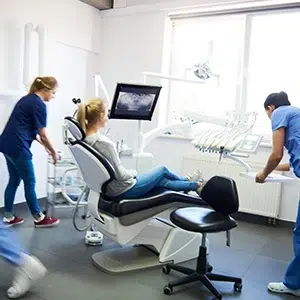
Understanding TMJ and Its Symptoms
The temporomandibular joint connects your jawbone to your skull, acting like a sliding hinge. It’s responsible for everyday actions like talking, chewing, and smiling. When the joint or surrounding muscles misalign or become inflamed, you may experience symptoms such as:
- Difficulty or pain while opening/closing your mouth
- Clicking or popping sounds in the jaw
- Jaw locking or stiffness
- Headaches, earaches, or facial tension
These symptoms can mimic other issues like ear infections, sinus problems, or dental pain, which is why accurate imaging is crucial for correct diagnosis.
What Is a TMJ MRI?
A TMJ MRI (Magnetic Resonance Imaging) is a non-invasive scan that uses magnetic fields and radio waves to generate detailed images of both soft and hard tissues in your jaw joint. Unlike X-rays or CT scans, an MRI doesn’t use radiation and can visualize soft tissues, like muscles, ligaments, and the articular disk, that traditional imaging can’t.
Key advantages of a TMJ MRI:
- Captures high-definition images of cartilage, muscles, and the joint disk
- Detects inflammation, misalignment, and early-stage tissue damage
- Helps dentists create personalized and minimally invasive treatment plans
At Perfect White Smiles, we use high-resolution dental MRI imaging systems designed specifically for evaluating TMJ disorders, producing clarity that standard hospital MRIs often fail to achieve.
Why a TMJ MRI Is Essential for Diagnosis
A TMJ MRI plays a critical role in uncovering the root causes of jaw pain and dysfunction. While traditional dental exams or surface imaging can identify only structural abnormalities, MRI technology goes several layers deeper, revealing what’s happening inside the joint itself.
Through detailed visualization of the articular disc, soft tissues, ligaments, and joint capsule, an MRI helps your dentist detect subtle abnormalities such as disc displacement, fluid buildup, or inflammation. These insights lead to early diagnosis and more personalized treatment.
For patients, this means faster relief, prevention of long-term damage, and treatment plans grounded in precise, evidence-based data, not guesswork or outdated imaging.
Is a TMJ MRI Safe for Everyone?
A TMJ MRI is considered one of the safest diagnostic imaging methods available. It does not use radiation, instead, it relies on magnetic fields and radio waves to produce detailed joint images. Unlike CT scans or X-rays, there’s no exposure to harmful rays, making it perfectly suitable for repeated evaluations if needed.
The procedure is safe for most patients, though those with certain medical implants (such as pacemakers or specific metal devices) should notify their dentist before scheduling the MRI. Modern dental materials, braces, and fillings are typically MRI-compatible, so most patients can proceed without concern.
Your dental specialist will review your medical history to ensure complete safety and comfort throughout the imaging process.
What Makes TMJ MRI Different from Other Imaging Methods
| Imaging Type | What It Shows | Radiation Used | Best For |
| X-ray | Bone structure | Yes | Detecting fractures |
| CT Scan | 3D bone anatomy | Yes | Bone abnormalities |
| Ultrasound | Muscle movement | No | Surface analysis |
| TMJ MRI | Soft and hard tissues | No | Complete joint assessment |
Beyond avoiding radiation, a TMJ MRI provides superior medical accuracy by capturing both soft tissue and dynamic movement within the joint. While CT scans and X-rays are excellent for identifying bone-related issues, they cannot visualize cartilage, ligaments, or the articular disc, the very elements responsible for TMJ disorders. MRI technology shows subtleties such as disc displacement, early inflammatory changes, and muscle involvement, helping dentists tailor treatments before structural damage worsens.
What to Expect During a TMJ MRI
A TMJ MRI is a smooth and comfortable procedure that typically takes 30 to 45 minutes to complete for both joints. Patients are asked to lie still while the MRI machine captures detailed images from various angles.
- Before the scan: You’ll be asked to remove any metal accessories such as jewelry, glasses, or hairpins. A dental specialist will position your head comfortably to ensure clear imaging of both joints.
- During the scan: The machine may make rhythmic tapping or humming sounds as it operates. Earplugs or headphones are usually provided to reduce the noise and help you relax.
- Comfort and positioning: You’ll be comfortably supported throughout, and most patients find the process painless. The technician will communicate with you through an intercom to ensure your comfort and guide you during the procedure.
- After the scan: You can resume normal activities immediately. There’s no recovery time or restrictions once the MRI is finished.
This simple, non-invasive process ensures clear, high-quality images that allow your dentist to accurately assess the health and alignment of your jaw joint.
When Should You Get a TMJ MRI?
You don’t need to wait until jaw pain becomes unbearable to explore imaging. Early TMJ MRI screening can prevent long-term joint deterioration and chronic discomfort. Consider scheduling a TMJ MRI if you notice any of the following warning signs:
- Persistent or recurring jaw pain or tenderness
- Clicking or popping during chewing or speaking
- Difficulty opening or closing your mouth fully
- Facial headaches or pressure around the temples and ears
- History of jaw trauma or prolonged teeth grinding
- Uneven bite or recent orthodontic changes that altered jaw alignment
Early imaging not only helps confirm or rule out TMJ disorders but also identifies issues before they progress, making treatment easier, faster, and more effective.
Unique Insights on TMJ MRI Technology
Here’s something most patients don’t know: A TMJ MRI can detect disk displacement before symptoms become moderate or severe. That means early intervention can prevent long-term joint damage.
Our imaging systems also capture dynamic movement, watching how your jaw joint moves in real time. This ability to “see the motion” uncovers subtle dysfunctions that static X-rays often miss.
This combination of early detection and motion analysis makes TMJ MRI one of the most advanced diagnostic tools available today.
Ready to Take the First Step?
Jaw pain shouldn’t define your days. It’s time to diagnose precisely and treat effectively with a TMJ MRI at Perfect White Smiles.
If you’ve been ignoring symptoms or struggling with ongoing discomfort, book your consultation today. Our caring dental professionals are here to guide you through every step, from diagnosis to complete relief.
Call us today at (310) 737-8787 or visit us at
Beverly Hills Office
433 N Camden Drive Suite 1070
Beverly Hills, CA 90210
London Office
40-41 Wimpole St
Marylebone, London w1g 6BG
to schedule your TMJ MRI appointment and start smiling pain-free again.
FAQs
Will insurance cover my TMJ MRI?
In most cases, yes. We help patients navigate insurance claims for TMJ diagnostics and communicate with your provider to minimize out-of-pocket expenses.
Can I do the MRI if I have braces or a metal implant?
Yes, but we’ll evaluate the type of metal. Many modern dental materials are MRI-safe, and our team always confirms before scheduling your scan.
How soon will I get results?
You’ll receive a complete diagnostic explanation on the same day as your scan, no waiting weeks for results.
Is treatment always surgical?
Rarely. Our focus is on non-invasive TMJ therapy, including custom splints, muscle relaxation techniques, physiotherapy, and bite correction, all based on your MRI analysis.
Do I need to prepare before my MRI scan?
No special preparation is needed. You may be asked to remove metal accessories such as earrings, eyeglasses, or piercings before the scan for safety and image clarity.
Can TMJ disorders heal without an MRI?
Some mild TMJ issues improve with rest, stress management, or splint therapy. However, without an MRI, it’s difficult to know whether deeper joint damage or disk displacement exists, making early imaging a smart step toward lasting relief.