
A clean mouthguard is essential for maintaining your oral health, whether you use it for teeth grinding, sports protection, or orthodontic treatment. Cleaning your mouthguard properly not only ensures its longevity but also prevents bacteria buildup, odors, and potential infections.
In this guide, we answer the common question, “How can I clean my mouthguard?” with expert advice from the dental professionals at Perfect White Smile.
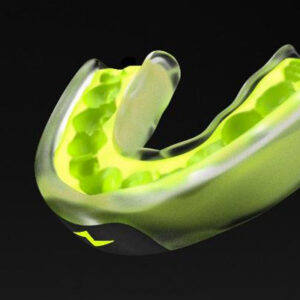
Why Proper Mouthguard Cleaning Matters
Your mouthguard is in constant contact with your mouth, exposing it to saliva, bacteria, and food particles. Without proper cleaning, these contaminants can accumulate, leading to:
- Bad breath and an unpleasant taste
- Bacterial growth, which can result in infections or gum irritation
- Staining and discoloration
- Faster wear and tear
By following expert-recommended cleaning techniques, you can keep your mouthguard free from harmful microorganisms and maintain its effectiveness.
How to Clean Your Mouthguard Daily
Daily cleaning is simple and only takes a few minutes. Here’s a step-by-step guide, backed by dental professionals, to keep your mouthguard fresh and hygienic:
1. Rinse Immediately After Use
Rinsing your mouthguard immediately after use helps remove saliva, food particles, and bacteria. Use cool or lukewarm water to avoid warping the material. This quick action prevents the buildup of harmful microorganisms, which could lead to unpleasant odors or infections, ensuring a fresh and hygienic mouthguard.
2. Brush Gently with a Soft Toothbrush
Use a soft-bristled toothbrush to gently scrub the entire surface of your mouthguard. A gentle brush ensures that you don’t damage or scratch the material. Avoid using toothpaste as it can be abrasive, leading to scratches where bacteria and food particles may accumulate. This step keeps it smooth and clean.
3. Use Mild Soap for Deeper Cleaning
Mild soap or liquid dish soap is ideal for cleaning your mouthguard. Apply a small amount to your toothbrush and gently scrub the mouthguard. Unlike harsh chemicals or toothpaste, mild soap won’t damage the material, and it helps remove oils, bacteria, and any residual build-up, ensuring thorough cleanliness.
4. Dry Completely
After rinsing and brushing, it’s essential to dry your mouthguard completely before storing it. Moisture can encourage bacterial growth and mold formation. Pat it dry with a clean towel, then allow it to air-dry in a clean, well-ventilated area. A dry mouthguard is key to maintaining its hygiene and longevity.
Deep Cleaning Your Mouthguard: A Weekly Routine
In addition to daily cleaning, it’s important to deep clean your mouthguard at least once a week. Here are some effective methods for a more thorough cleaning:
Dental Cleaning Tablets
Soak your mouthguard in a solution of non-abrasive denture or retainer cleaning tablets dissolved in water. This will eliminate bacteria and odors, giving your mouthguard a fresh, clean feel. Follow the instructions on the product for best results.
Hydrogen Peroxide and Water
Mix equal parts of hydrogen peroxide and water in a bowl. Soak your mouthguard for 15–20 minutes, then rinse it thoroughly. This helps disinfect the guard and remove any lingering bacteria.
White Vinegar and Water
For a natural cleaning solution, mix equal parts white vinegar and water. Soak your mouthguard for 15–30 minutes to remove buildup, disinfect, and reduce any odor. After soaking, rinse it well to avoid lingering vinegar smell.
Pro Tip: Avoid using hot water to clean your mouthguard, as it can distort the material. Never use bleach, as it can damage the guard and pose health risks.
How to Properly Store Your Mouthguard
Proper storage of your mouthguard is just as important as cleaning. Here’s how to store it correctly:
- Ventilated Storage Case: Always store your mouthguard in a case with ventilation holes to prevent moisture buildup, which can promote bacterial growth.
- Keep It Dry: Ensure the guard is completely dry before storing it to avoid any mold or bacteria growth.
- Avoid Sunlight or Heat: Never leave your mouthguard in direct sunlight or near heat sources, as this can warp the material.
- Keep Away from Pets: If you have pets, ensure your mouthguard is out of reach, many pets love to chew on these.
How to Tell When It’s Time to Replace Your Mouthguard
Despite regular cleaning and careful storage, mouthguards have a lifespan. Replace your mouthguard if:
- Cracks or Tears: If your mouthguard develops visible cracks or tears, it can no longer provide effective protection. This damage could lead to discomfort or reduced performance.
- Loses Its Fit: Over time, mouthguards can lose their snug fit due to wear. If it no longer fits properly, it may cause irritation or discomfort during use.
- Persistent Odor or Stains: Persistent odors or stains that can’t be removed with cleaning may indicate bacterial buildup or material degradation. A replacement is necessary for optimal hygiene.
- Excessive Wear: If your mouthguard shows signs of thinning, uneven surfaces, or wear patterns, it’s losing its protective ability and should be replaced to ensure proper function.
Most mouthguards last 1–5 years, depending on their use and care.
Final Thoughts: Maintain a Clean, Safe Mouthguard
Cleaning your mouthguard regularly is essential to maintain its protective benefits and ensure a healthy, hygienic mouth. By following these expert-approved steps, you can avoid bacteria buildup, bad odors, and premature wear.
If your mouthguard is due for a check-up or replacement, Perfect White Smile is here to provide personalized care and expert advice. Book your appointment today to ensure your mouthguard is always in top condition, protecting your smile every day.
FAQs
Can I use toothpaste to clean my mouthguard?
No, it’s not recommended to use toothpaste. While it may seem like a good idea, toothpaste can be abrasive and cause scratches on your mouthguard. These scratches trap bacteria, leading to potential infections and bad odors. Use mild soap instead to gently clean your mouthguard.
How often should I deep clean my mouthguard?
It’s ideal to deep clean your mouthguard once a week. More frequent cleaning may be necessary if you’re sick, have a cold, or notice a buildup of bacteria. Regular deep cleaning helps maintain hygiene and ensures your mouthguard stays fresh and odor-free.
What should I do if my mouthguard smells bad?
If your mouthguard develops an odor, perform a deep cleaning using dental cleaning tablets, hydrogen peroxide, or vinegar solution. If the smell persists, it may be time for a replacement as lingering odor could indicate bacteria or material degradation.
Is it safe to soak my mouthguard in mouthwash?
While mouthwash can help reduce bacteria and freshen your mouthguard, it’s not the best option for deep cleaning. The alcohol in many mouthwashes may also weaken the material over time. Use a mild soap or a dental cleaning tablet for more effective cleaning.
How long should I soak my mouthguard for deep cleaning?
For deep cleaning, soak your mouthguard for 15-30 minutes in a cleaning solution (such as hydrogen peroxide or vinegar). Do not leave it in the solution for longer periods, as it may damage the material.
How do I disinfect my mouthguard during flu season?
During flu season or if you’re sick, disinfect your mouthguard more frequently. Use hydrogen peroxide or a non-abrasive denture cleaner to ensure it’s free from germs and bacteria. Rinse it thoroughly after cleaning before wearing it again.
Can my mouthguard cause mouth sores?
A poorly fitted mouthguard can rub against the gums and cause irritation, leading to mouth sores. Ensure your mouthguard fits properly and is not damaged. If you experience persistent irritation, consult your dentist to adjust or replace it.
Can I clean my mouthguard with a dishwasher?
No, it is not recommended to clean your mouthguard in a dishwasher. The high temperatures and detergents can warp the material and affect its fit. Stick to hand cleaning with cool water and mild soap to avoid damaging the guard.
How can I avoid my mouthguard getting discolored?
To prevent discoloration, regularly clean your mouthguard and store it in a well-ventilated case. Avoid exposing it to foods or drinks that may stain, such as coffee or tea. Regular deep cleaning will also help maintain its appearance.
Bibliography & Sources
Dental fillings are a standard and effective way to treat cavities and restore the functionality of damaged teeth. However, one common question patients often ask is: How long do dental fillings last? Understanding the longevity of your dental fillings can help you manage your oral care better and avoid unexpected dental appointments.
At Perfect White Smile, we provide expert advice on what influences the lifespan of your dental fillings and how to ensure they last as long as possible.
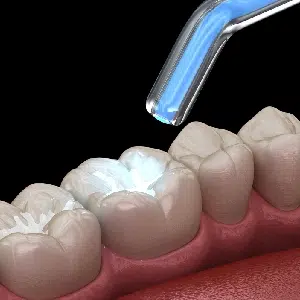
What Are Dental Fillings?
Dental fillings are used to restore a tooth’s function and shape after it has been affected by decay. The procedure involves cleaning the cavity and filling it with a material that will harden to restore the tooth. The choice of material can vary depending on the size, location, and individual needs of the patient.
Types of Dental Fillings and Their Lifespan
Different types of dental fillings have different lifespans. Here’s an overview of the most common types:
Amalgam Fillings (Silver Fillings)
Lifespan: 10 to 15 years or more
Amalgam fillings are made from a combination of metals, including silver, mercury, copper, and tin. They are durable, making them ideal for back teeth that undergo heavy chewing pressure. However, they are more visible than other filling materials, which is why many patients opt for tooth-colored options for visible areas.
Composite Fillings (Tooth-Colored Fillings)
Lifespan: 5 to 10 years
Made from a resin mixture, composite fillings blend naturally with the color of your teeth, making them an excellent choice for visible areas. While they look more natural, they may wear down more quickly, especially in areas subject to heavy chewing forces.
Porcelain Fillings
Lifespan: 15 years or more
Porcelain fillings are highly durable and stain-resistant, providing a natural appearance. These fillings are often used in more visible areas where aesthetics are a priority. Although more expensive than composite or amalgam fillings, they offer a great balance of function and cosmetic benefit.
Glass Ionomer Fillings
Lifespan: 5 to 7 years
Glass ionomer fillings release fluoride, which can help prevent future decay. They are ideal for areas that are not subject to heavy chewing pressure, such as cavities near the gumline. While they offer some benefits in terms of fluoride release, they wear out quicker than other filling types.
Factors Affecting the Longevity of Dental Fillings
The lifespan of dental fillings is influenced by several factors beyond just the material used. Understanding these can help you maintain the quality of your fillings:
- Location of the Filling: Fillings placed in the back teeth endure more pressure due to chewing, which can cause them to wear out more quickly. Front teeth fillings, on the other hand, experience less force and tend to last longer.
- Size of the Filling: Larger fillings are more susceptible to cracking, chipping, or falling out because they may weaken the structure of the tooth. If a cavity is particularly large, a crown or another form of restoration may be a better option.
- Oral Hygiene Practices: Maintaining excellent oral hygiene is essential to the longevity of your fillings. Brushing at least twice a day, flossing daily, and using fluoride mouthwash can help protect your fillings from further decay and maintain the integrity of your dental work.
- Diet and Habits: A diet high in sugary foods or acidic beverages can contribute to the deterioration of fillings and increase the likelihood of new cavities. Additionally, habits such as teeth grinding (bruxism) can wear down fillings faster. If you grind your teeth, wearing a night guard may protect your fillings from excessive wear.
- Wear and Tear: Regular activities such as chewing tough foods or grinding your teeth can also affect the durability of your fillings. If you have a tendency to grind your teeth at night, it’s best to consult with your dentist about using a night guard.
How to Extend the Life of Your Dental Fillings
There are several ways to ensure that your dental fillings last as long as possible:
Practice Good Oral Hygiene
Brushing twice a day with fluoride toothpaste, flossing daily, and using mouthwash are key to preserving both your fillings and natural teeth. Regular visits to your dentist are also crucial to catch potential issues early.
Avoid Hard and Sticky Foods
Foods such as ice, sticky candy, or hard nuts can put extra pressure on your fillings, causing them to crack or dislodge. It’s best to avoid these foods, especially if your fillings are in areas that experience heavy chewing pressure.
Use a Night Guard if You Grind Your Teeth
Teeth grinding, particularly at night, can cause significant damage to fillings. A custom night guard can protect your fillings from excessive pressure and ensure their longevity.
Quit Smoking
Smoking can weaken your enamel, contribute to staining, and increase the risk of decay around your fillings. Quitting smoking can improve your overall oral health and help extend the life of your dental restorations.
Visit Your Dentist Regularly
Routine checkups allow your dentist to monitor the condition of your fillings and catch any signs of wear, cracks, or other issues early on. Timely intervention can help prevent the need for more extensive treatments later.
When Should You Replace Your Fillings?
Although fillings are designed to last for many years, they don’t last forever. Some signs that it may be time to replace your filling include:
- Sensitivity to hot or cold: Persistent discomfort when consuming hot or cold foods may indicate your filling is compromised.
- Pain when chewing or biting: Pain or discomfort while chewing could suggest that your filling is damaged or loose.
- Cracking or chipping of the filling: Visible cracks or chips in the filling could lead to further tooth damage if ignored.
- Discoloration or darkening around the filling: Darkening around your filling may indicate leakage or decay around the edges, requiring replacement.
If you experience any of these symptoms, it’s important to schedule an appointment with your dentist. Prompt replacement of damaged fillings can help prevent further damage to the tooth and preserve your oral health.
Conclusion
Dental fillings are essential for restoring damaged teeth and preventing further decay. The longevity of your fillings depends on several factors, including the material used, the location of the filling, and your overall oral care habits. By following expert advice, maintaining excellent oral hygiene, and visiting your dentist regularly, you can ensure that your dental fillings last as long as possible, keeping your smile healthy and vibrant.
At Perfect White Smile, we’re committed to providing expert dental care to help you maintain a healthy, beautiful smile for years to come. Schedule your consultation today!
FAQs
What should I do if my filling feels loose or falls out?
If your filling is loose or falls out, avoid chewing on that side. Contact your dentist immediately to prevent further damage to the tooth. Prompt attention helps avoid additional complications, such as infection or further decay.
What happens if I don’t replace a worn-out filling?
Failing to replace a worn-out filling can lead to tooth decay, pain, and infection. Decayed or cracked fillings may expose the tooth to bacteria, potentially causing more severe dental problems that require more extensive treatment, such as a root canal.
Are there any risks associated with dental fillings?
Dental fillings are generally safe, but some materials (e.g., amalgam) may contain trace amounts of mercury. If you have concerns, consult your dentist to discuss alternative materials like composite resin or porcelain fillings. Your dentist will choose the safest and most effective option for you.
Do I need to replace my filling if it’s discolored?
Discoloration alone doesn’t always require a replacement, but it may indicate leakage or decay. If the discoloration is accompanied by pain, sensitivity, or visible cracks, it’s important to have your dentist evaluate the filling.
Are porcelain fillings better than composite fillings?
Porcelain fillings offer better aesthetics and durability, especially for visible teeth, but tend to be more expensive. Composite fillings are more affordable and can blend well with natural tooth color, but may not last as long as porcelain in high-pressure areas like molars.
Can I eat normally after getting a filling?
After a filling, you may experience some sensitivity for a few days, but you can generally eat after the anesthesia wears off. However, avoid very hard or sticky foods until your filling has completely set, especially for composite fillings.
Are dental fillings covered by insurance?
Many dental insurance plans cover a portion of the cost of fillings, particularly for basic restorative treatments. Coverage varies by plan, so it’s essential to check your policy and discuss with your dentist to understand your coverage options.
Dental implants have become the gold standard for replacing missing teeth. Their natural appearance, secure fit, and long-term reliability make them a top choice for patients seeking permanent tooth replacement. One of the most frequently asked questions is: How long do dental implants last?
The answer is that dental implants can last 20 years or more and, in many cases, a lifetime. However, several factors influence their longevity, including oral hygiene, lifestyle choices, implant placement, and routine dental care.
Let’s explain how long dental implants last, what factors affect their durability, and how to care for them so you can maintain a strong, confident smile for years to come.

What Are Dental Implants?
Dental implants serve as permanent replacements for missing teeth. A dentist surgically places a small titanium post into your jawbone, which acts as an artificial tooth root. Over time, the post fuses with the surrounding bone through osseointegration. Once healed, the implant securely supports a custom-made crown, bridge, or denture.
Unlike dentures or bridges, dental implants offer unmatched stability, which may shift or require frequent replacement. They closely resemble natural teeth in appearance and function, making them a preferred choice for long-term tooth restoration.
Average Lifespan of Dental Implants
Dental implants are designed to last. With proper placement and ongoing care, they can function reliably for 25 years or more. Many patients retain their implants for the rest of their lives without complications.
The titanium implant post is exceptionally strong and resistant to decay or fracture. However, the crown or prosthetic attached to the implant may require replacement after 10 to 15 years due to normal wear. Maintaining a consistent oral hygiene routine and visiting your dentist regularly are key to maximizing the implant’s life and restoration.
Factors That Affect Dental Implant Longevity
Several factors can influence how long your dental implants last. Proactively managing these aspects helps improve the implant’s long-term performance:
- Oral hygiene: Brushing and flossing daily, along with regular dental checkups, helps prevent infection and preserves gum and bone health around the implant.
- Lifestyle habits: Smoking, poor diet, and excessive alcohol intake can slow healing and increase the risk of implant failure.
- Bone health: A strong, dense jawbone provides a stable foundation for the implant and enhances long-term outcomes.
- Bite alignment and grinding: Misaligned bites and teeth grinding (bruxism) can place added stress on implants, potentially leading to loosening or wear.
- Medical conditions: Health issues like diabetes, osteoporosis, or autoimmune disorders may interfere with healing and affect implant integration.
- Implant placement: Implants in the back of the mouth endure more pressure during chewing and may wear faster than those in the front.
Addressing these factors through regular dental visits and lifestyle changes can significantly extend the life of your dental implants.
Signs Your Dental Implant May Need Attention
Although dental implants are built to last, complications can arise. Recognizing early warning signs allows you to take action before more serious issues develop. Contact your dentist if you notice:
- Persistent discomfort, tenderness, or swelling around the implant site
- Gum recession that reveals part of the implant post
- Loosening of the crown or implant abutment
- Difficulty biting, chewing, or pain during eating
- Symptoms of infection such as bleeding gums, pus, or bad breath
Early diagnosis and treatment can help prevent further damage and restore the implant’s stability and comfort.
Tips to Extend the Life of Your Dental Implants
Following a few essential care practices, you can preserve your dental implants for decades. Here’s how to support their longevity:
- Maintain excellent oral hygiene: Brush twice daily and floss to prevent gum disease and plaque buildup around the implant.
- Schedule regular dental visits: Visit your dentist every six months for cleanings and implant checkups.
- Avoid damaging foods: Refrain from chewing hard items like ice, candies, or sticky snacks that can damage the crown.
- Wear a nightguard: Wear a custom nightguard to protect the implant from excessive pressure if you grind your teeth.
- Quit smoking: Smoking restricts blood flow and impairs healing, significantly increasing the risk of implant failure.
Consistent maintenance and professional monitoring are vital to preserving the implant and surrounding tissues.
Dental Implants vs. Other Tooth Replacement Options
Dental implants offer superior longevity when compared to traditional alternatives. Here’s a comparison of average lifespan and key considerations:
| Tooth Replacement Option | Average Lifespan | Key Considerations |
| Dental Implants | 20+ years to a lifetime | Strongest option; preserves bone; low maintenance; higher initial cost |
| Dental Bridges | 5 to 15 years | Relies on adjacent teeth; may need replacement as natural teeth change |
| Dentures (Full or Partial) | 5 to 8 years | May loosen over time; needs relining; doesn’t prevent bone loss |
Though implants may involve a higher upfront cost, their long-term performance and low maintenance often make them the most cost-effective option over time.
Are Dental Implants Worth It?
Dental implants are a worthwhile investment for long-term oral health and quality of life. They provide unmatched stability, function, and aesthetics while preventing bone loss and supporting natural facial contours.
Although the initial cost may be higher than dentures or bridges, the long-term benefits, such as improved durability, fewer replacements, and a more natural feel, make dental implants the most reliable and cost-effective solution for permanent tooth replacement.
Enjoy a Lifetime of Smiles With Dental Implants
Dental implants deliver lasting results, both functionally and aesthetically. Proper oral hygiene, healthy habits, and routine dental care can serve you well for decades or even a lifetime. Whether replacing a single tooth or a full arch, dental implants offer a stable, long-term solution that helps you maintain confidence in your smile.
Book Your Dental Implant Consultation in Beverly Hills, CA
Explore the long-term benefits of dental implants at Perfect White Smile. Our experienced team uses advanced techniques and state-of-the-art technology to deliver durable, natural-looking outcomes.
Call (310) 737-8787 to schedule your consultation or visit our office at 433 N Camden Drive, Suite 1070, Beverly Hills, CA 90210. Start your journey toward a stronger, healthier smile today.
FAQs
What happens to dental implants after 20 years?
Dental implants with proper care can remain stable and functional even after 20 years. The titanium post remains intact, while the crown may need replacement due to wear. Routine dental checkups are essential for monitoring the implant and preventing complications.
How much do permanent teeth implants cost for the full mouth?
Full-mouth dental implants generally cost between $20,000 and $50,000. The total cost depends on the number of implants, type of restoration, materials used, and additional procedures like bone grafting. A dental evaluation will determine the exact treatment plan and cost.
What is the downside to dental implants?
Dental implants require a surgical procedure, which carries risks such as infection, implant failure, or nerve damage. The treatment process is longer and may cost more than other options. Patients with insufficient bone or certain medical conditions may need additional preparation.
How often should teeth implants be replaced?
With proper care, the titanium implant post can last a lifetime. However, the crown or prosthetic may need replacement every 10 to 15 years due to normal wear. Maintaining good oral hygiene and attending regular dental checkups can help extend their lifespan.
Is it better to save teeth or get implants?
Preserving natural teeth is often preferred if the tooth can be restored. However, when a tooth is severely damaged or poses a health risk, replacing it with a dental implant provides a strong, long-lasting alternative that restores function and appearance.
Aging is a process that may give us the illusion of a natural “wearing out” of various body parts. Our joints become creaky and stiff. Our teeth become dull and yellow and may seem to damage more easily. This idea, in particular, is false. Our teeth can last us our lifetime. We don’t have to suffer multiple dental concerns every time we see the dentist. Here, we want to point out why dental health is important to seniors and what can be done to support healthy teeth and gums.
Oral Health Important At Every Age
Dental health isn’t just on your breath. It doesn’t revolve around a smile that looks good. It even extends beyond avoiding painful cavities and other infection. In the big picture, the mouth is a vital aspect of the body and an area that can affect others. Here’s what research shows:
- Oral bacteria can make its way from the mouth to the heart through the bloodstream. When this happens, the resulting, chronic inflammation increases the risk of cardiovascular disease. Ultimately, conditions like gum disease are perceived as biomarkers for cardiac events such as heart attack.
- The bacteria that proliferate in the mouth can also travel to the lungs, where their presence increases the risk of lung infection and pneumonia.
- Diabetic seniors are in greater need of ongoing dental care to manage the issue of gum disease. The dual-effect of being diabetic is that it is difficult to manage blood sugar, which increases the risk of gum disease. Likewise, gum disease poses a challenge to the management of blood sugar.
Oral Care Tips For Seniors
There are several strategies that are particularly good for seniors, including:
- Frequent brushing and flossing. Research indicates that dental plaque and tartar accumulate more quickly, and is more difficult to remove, after the age of 50. During mid-life and the senior years, daily brushing and flossing become even more important.
- Maximize oral care with an electric toothbrush. The older we get, the more dexterity we may lose. Seniors can benefit from using an electric or sonic toothbrush with a small head that can more easily reach the back of the mouth.
- Be mindful of the gums. Brushing too hard is a problem all on its own. The use of an electric or sonic toothbrush can aid in this area, too, minimizing the pressure that is placed on the toothbrush during oral care. What we want to prevent here are gum recession and abrasions.
- Take care of dentures. Dentures, even though they are resistant to corrosion, can harbor bacteria. Daily cleaning is necessary to prevent buildup that can cause bad breath and gum disease.
These are just a few of the ways that seniors can protect the health of their mouth. For more tips and personal dental care, call our Beverly Hills office today.
Much of the work that is done in our Beverly Hills office revolves around making the smile look amazing. Cosmetic dentistry is rewarding for us and for our patients. At the same time, we still regard routine exams and cleanings as the foundation on which all beauty can be built. You may realize that twice-a-year dental exams are valuable. Most people do. Where interest seems to wane is in the area of dental cleanings. After all, doesn’t your dentist or hygienist do exactly what you do on a daily basis already? Not really.
There are particular steps that are followed during a routine dental cleaning. These professional treatments also coincide with exams that guide the cleaning process. For example, patients who have developed space between gum tissue and teeth are more susceptible to advanced gum disease. Therefore, certain measurements of periodontal space may call for a deeper cleaning.
Deep cleanings are the exception. Preferably, routine cleanings are maintained at six-month intervals. Each time we perform a routine cleaning, we:
- Remove plaque and tartar from the gum line. Plaque and tartar are made up of the same content: saliva, tiny food particles, and bacteria. The difference between the two is that plaque is softer and stickier, whereas tartar has calcified, or hardened, onto enamel. As you may imagine, tartar is a bit more difficult to remove. The more plaque and tartar there are, the longer this step of the cleaning may take.
- Clean and polish teeth with moderately abrasive toothpaste. The toothpaste that is used to clean natural enamel (not restorations like veneers) is gritty. It is more abrasive than the toothpaste sold commercially, which is why professional cleaning leaves teeth brighter and smoother. The toothpaste used during cleanings doesn’t remove enamel, but it does remove superficial debris that has settled in the pores of teeth.
- Floss between all teeth. The technique used during professional cleanings doesn’t differ much (or at all) from what should be done at home. And yet, we often discover unexpected information during this step. Having your hygienist floss for you may help you become aware of places you’re missing. Usually, the back of the mouth is a challenging area for flossing. Your hygienist may suggest tools or techniques that can help you achieve greater flossing success.
There’s no time like the present to give your mouth the gift of health and beauty. To schedule a visit in our Beverly Hills office, contact us online or call 310-276-4537.
There is never really a bad time to feel good about seeing the dentist. Unfortunately, statistics continually demonstrate how difficult it is for a large majority of people to see their dentist as routinely as they should. In some instances, the citing issue is the financial constraint. In many cases, though, what keeps people from seeing the dentist is fear and anxiety. When you aren’t sure how you feel about seeing the dentist, choosing a dental office can be a fete in itself. We’d like to help you determine if our Beverly Hills office could be a good fit for you by differentiating between good and great.
Dental Care
There are several options for good dentists in the Los Angeles area. A good dentist will have the necessary skill to accurately diagnose the full array of basic dental conditions, including gum disease and cavities. This same good dentist may have multiple options for how to treat these conditions, too, such as crowns, dental implants, or tooth-colored fillings. In most dental offices rated for good care, patients receive prompt care, though their visits may be somewhat brief to maintain the busy schedule of the office. This kind of care is, well, good. The question is, is it good enough?
If you haven’t heard, great dental care can be life-changing. Great care involves all of the same basic services provided by a good dentist and then some. The richness of great dental care is not only seen, but it is also felt. It isn’t solely about services; it’s about service. It’s about the dental team taking the time to get to know you, your lifestyle, your oral care habits, your genetic disposition toward oral health. A great dentist is an educator, an investigator, and support that first seeks to understand, and then seeks to create a care plan for individual needs.
Our offices in Beverly Hills and London are known for friendly, personable care. Our desire to turn your first visit into a lifelong professional relationship is evident in the way we get to know what matters to you, and then enable that to be reflected in your smile.
Schedule A Consultation
Are you ready to experience great dental care? Call 310-276-4537 to schedule your visit with Dr. David Frey.
If you had a single penny for every time you said “this will have to wait until tomorrow,” you may be a very wealthy person! The fact is, today’s society seems to move at breakneck speed. We rush from one thing to another, often forgetting things along the way. Keeping up with the daily schedule is challenge enough, let alone maintaining those six-month dental check-ups.
Is Dental Care A Priority In Your Life?
It is easy to take our teeth for granted, but this can have devastating effects. Here are a few of the important ways your teeth serve you:
- You have your teeth to thank for that gorgeous smile. It goes without saying that we tend to look at a person’s smile before anything else. When we look at the smile, it is the teeth that are being unconsciously evaluated. While teeth are an integral aspect of your smile, they are also crucial to the structure of your lower face. Without the structural support of your teeth, your face would look older – much older.
- Your teeth support your general health. There is no denying that what happens in the mouth does not stay there. We have stacks and stacks of data from numerous studies that tell us a healthy mouth is a vital aspect of a healthy body. On a very direct level, your teeth help you stay healthy by enabling you to chew. Without the proper breakdown of food prior to digestion, this process is thrown into a state of imbalance that impedes adequate nutrient uptake.
- Teeth are important to your success. This goes back to that lovely smile. According to research, an attractive smile may just be one of the greatest assets your bring with you to an important meeting or job interview – even to a date.
Tend To Your Teeth
The good thing about oral care is that it really isn’t all that involved. Brushing morning and night, and flossing once every day is good. Oral care habits should also include prevention, such as avoiding tobacco and acidic food and beverage products that erode enamel. And, of course, seeing your dentist fits into this schematic as an adjunct to your daily care.
Schedule A Consultation
Schedule your checkup and cleaning with Dr. Frey at 310-276-4537.
During medieval times, people believed they could cure a toothache by driving a nail into an oak tree. Silly, right?
Today’s Misconceptions Are Different
There are still some crazy ideas out there about teeth—ideas that have very little to do with the facts.
Have you ever fallen for one or more of these modern misconceptions? Most people have.
- Misconception #1 – Cavities Are Only Caused By Sweets
Technically, cavities are caused by carbohydrates interacting with bacteria on your teeth to create acid byproducts. Carbs include sugars, but cavities can just as easily be caused by crackers, potato chips, and bread! - Misconception #2 – Children Are More Prone To Cavities Than Adults
Kids are NOT inherently more prone to decay… They’re just not as good at brushing! Teach your child thorough brushing techniques—helping them out until they’re dextrous enough to do a good solo job. - Misconception #3 – My Teeth Are Fine If I Have No Pain
Decay can eat clear through your enamel and dentin before some people feel it at all! Catching tooth decay early typically allows more of the tooth to be saved, and can spare you added discomfort and expense. - Misconception #4 – If My Gums Bleed I Should Stop Flossing
Actually, that’s a really bad idea. Bleeding gums are often the first sign of gum disease. This happens when bacterial infections inflame your gums due to a lack of efficient cleaning! Sure, floss gently if your gums are sensitive. But be thorough and extra diligent! - Misconception #5 – After Dental Work Is Done On A Tooth It’s Stronger Than Ever
Not always the case. One of the biggest risk factors for decay is having had it before. Dental crowns and fillings are awesome but not perfect. They have nooks and crannies where bacteria can hide—especially as the restorations age. The lesson to be learned? Have your teeth checked regularly to make sure all is going well. - Misconception #6 – There Are No “Best Techniques” For Flossing
Not true. There are. If you’re not sure how, take a minute to watch this video:
Remember, our greatest weapon against tooth decay is knowledge. Let us know if you have any questions about any of the ideas above, or any of your own that we haven’t covered yet.
Thanks for sharing our practice with you extended family, neighbors, friends and coworkers. We appreciate the trust you place in us!
A critical component of personalized patient care is cultivating the art of listening. One of the most important reasons we use social media is to be sure it’s easy for you to connect with us—whenever and wherever you want. We’re always anxious to know your thoughts about how we can best serve you.
Your Feedback Helps Us Be Our Best
The statement above isn’t just lip service. Whether you need to let us know about a concern or question you have, or you just want to reach out and say thanks to a team member, your thoughts and suggestions help us continually shape our service priorities. Feel free to leave a comment on our blog any time, or you can contact us directly.
Our Focus Is On Your Comfort, Health, And Appearance
We know that every patient’s needs are different—and, we want to know what we can do to always keep you healthy and comfortable. So let us know! Social media makes communication easy, we want you to be able to reach out to us in a way that’s easy for you. For many of our patients, that includes being accessible on social media sites like Facebook and here on our blog where you can leave comments. So don’t be shy! When you have questions, just ask!
Thank You For Being Our Valued Patients And Friends!
We’re so grateful for the opportunity we have to work with you. Thank you for your kind referrals of extended family members, coworkers, and friends. And most of all, thanks for being a part of our dental family. It’s wonderful patients like you that help make our jobs joyful and fulfilling.
Imagine you’re at an important business dinner, or perhaps on a first date. We can’t help you with the small talk, or deciding what to wear. However, we can help you avoid some dental faux pas.
- Awkward Dental Moment: Something Stuck In Teeth
How do you know if something is stuck in your teeth? The back of a spoon or your cell phone camera make good emergency mirrors.- Plan A: Swish some water around in your mouth or chew a piece of sugarless gum to loosen it.
- Plan B: If it’s really stuck, you may want to excuse yourself to go to the restroom. Floss works best—but if you don’t have floss with you, use your fingers. You can also try folding up a paper towel and using the corner.
Don’t ever use potentially dangerous tools in your mouth like wires, pens, tweezers, keys, etc. that can damage teeth and gums!
But what if someone else has something in their teeth? Here’s a tip: - Awkward Dental Moment: Bad Breath
- Plan A: Drink some water or chew some sugarless gum. Keep sugarless breath mints in your pocket or purse.
- Plan B: Most bad-breath bacteria hangs out on your tongue. In a pinch, you can use a spoon as a tongue-scraper. (Discreetly, of course.)
- Plan C: If you’re at a restaurant, you may be able to chew on your garnish (like parsley). Other good foods are celery, apples, or yogurt.
- Awkward Dental Moment: Tooth Pain Or Sensitivity
Sudden stabs of pain from your teeth can be distracting. What’s more, it may be a sign of something more serious.- Plan A: Avoid hot and cold foods. If your jaw hurts, hold a cold drink against it.
- Plan B: If the problem persists, please give us a call.
Remember, you can avoid many of the worst dental dilemmas by keeping your regular cleaning and checkup appointments. Catch problems before they become emergencies. Thanks for your trust in our practice!
THIS WEEK (as part of our Healthy Smile Timeline Series) let’s address some age-specific dental topics for patients ages 20–40.
Remember, even if YOU don’t fall into this particular age range you certainly know and/or care about someone who does. Pass this post along to extended family members, coworkers and friends! They’ll appreciate it.
We don’t want to overwhelm you… So, to help you prioritize, we’ve divided the information into must-do’s, should-do’s and could-do’s.
Must Do’s, Ages 20–40:
- Never allow regular check-ups to slide just because you’re away from your mom’s gentle (or not-so-gentle) reminders about appointments! You may not see the adverse effects of neglect right away—but it’s SO important to catch early signs of gingivitis, micro fractures, and cavities.
- You may think oral cancer only affects smokers or the elderly, but 20–40 year olds are the fastest growing demographic for oral cancer. Learn more about oral cancer signs and risk factors, and make sure you’re regularly screened.
Should Do’s, Ages 20–40:
- Are your wisdom teeth adversely affecting your bite? Will they be a problem in the future, or a risk factor for infections? Most people have their wisdom teeth removed during their late teens or early 20’s. If you haven’t had them removed, be sure to have them checked.
- Every woman should know that during pregnancy hormonal changes can inflame gums and increase the odds for gingivitis. Gum disease can put women at greater risk for pre-term labor.
Could Do’s, Ages 20–40:
- Your smile is a MAJOR asset as you pursue your career and social life. As you move through this important phase of your independent life, it’s SO important to be confident! Small changes can make a big difference—so if you’re feeling self-conscious about your smile, please talk to us about it.
Take Charge Of Your Youthful, Healthy Smile!
NOW is the time to take charge of your own dental care! Be proactive in caring for your healthy smile. Thoughtful care now can prevent major problems down the road.
Please watch for the future posts about each age group! And if you have any follow-up questions, let us know! Comment below, message us on our Facebook page, or give us a call.
As Always, Thanks For Your Trust And Confidence In Our Practice.
IT’S TIME TO TALK ABOUT 40–60 YEAR OLD SMILES in our Healthy Smile Timeline Series! And again, don’t forget that if YOU don’t fall into this category share this post with someone who does—a family member, coworker, parent or friend. Great oral health is important for everyone.
Must-Do’s, Ages 40–60:
- It’s estimated that up to 3/4 of adults over age 35 have some degree of gum disease. This can usually be prevented with flossing and brushing, but if it’s already progressed you may need extra care from our team. Talk to us if you’re experiencing bleeding gums.
- Some research shows that bad oral health may be linked to systemic problems like heart disease, dementia, diabetes, and stroke. Keep your whole body healthy by keeping your mouth healthy.
Should-Do’s, Ages 40–60:
- Restorative treatments (such as crowns and dental fillings) are more convenient, comfortable and affordable than ever before. Do you have old, badly worn dental work? It may be time to replace those old fillings or crowns before they crack and cause discomfort.
Could-Do’s, Ages 40–60:
- Studies show that people look younger when they smile. And the AACD (American Academy of Cosmetic Dentistry) recently reported that most Americans 50 and over believe that a smile overcomes the effects of aging more effectively than any other physical attribute.
- Nothing makes you feel younger than a healthy, vibrant smile. Talk to us about cosmetic dentistry options.
Take Care Of Your Smile And It Will Take Care Of You!
You’re in the prime of life. Stay the course, stick to your great oral health habits, and don’t neglect your regular check-ups. Through preventative care you really can keep your healthy smile for life. Take good care of your smile now to prevent problems down the road.
If you have any questions about tips mentioned in this post, don’t hesitate to ask us about it. Comment below, or give us a call.
As Always, Thanks For Your Continued Trust In Our Practice! We Appreciate Having You As Our Valued Patient.
WELCOME TO THE FOURTH and final chapter in our “Healthy Smile Timeline” series. Let’s talk about a few special concerns that may crop up once your smile is a little more seasoned—as well as some cosmetic options you may want to consider. If YOU don’t fall into this particular age category, perhaps you care for someone who does. Be sure to share this post with friends and/or loved ones who could benefit from these ideas.
Today, Modern Dentistry Helps People Keep Their Smiles For Life!
During generations past, lost teeth were considered an inevitable consequence of aging. Now we know how to better care for our smiles as they age. With modern advances, you can have a comfortable, healthy smile for life!
Must-Do’s, Ages 65+:
- For the most part, losing your teeth during your golden years has little to do with getting old and almost everything to do with gum disease. It’s common as we age because our immune systems can’t fight off inflammation as easily. Regular checkups and cleanings greatly help protect you from this problem.
- Many medications precipitate dry mouth, a side effect which can hurt your oral health. Keep us up to date on your medications and any medical issues you’re having.
Should-Do’s, Ages 65+: 
- Today’s dental implants look, feel, and function like natural teeth! If you’re missing one or more teeth, advanced restorative implants may be the solution.
- If limited mobility is impairing your home care routine, ask us about special tools that can help. We might recommend an electric toothbrush, or even little tweaks to your usual tools—like extending your toothbrush, or attaching a little ball to the bottom to make it easier to grip.
- Boost YOUR self confidence! A recent study indicates that nearly 90% of dental implant patients who previously wore dentures say confidence is up, and the procedure was worth repeating.
Could-Do’s, Ages 65+:
- When it comes to cosmetic and restorative dentistry, it isn’t complicated and there’s very little discomfort. More and more seasoned citizens are keeping their teeth AND beautifying their smiles with cosmetic veneers. You can too.
You’re part of an amazing new generation of people proving that we can all keep great oral health well into our golden years! While our ancestors were subsisting on soup by age 50, we’ll still be eating all our favorite crunchy foods for as long as we want. Show everyone what it means to have a lifetime of great dental health!
Let us know if you have any questions or concerns regarding the tips and recommendations above. Our team is always here to help.
Thank You For Reading And Sharing This Series! We Love Working With Fantastic Patients Like You.
OVER THE NEXT FOUR WEEKS, we’re going to trace a timeline for your lifelong, healthy smile! And to help make it useful and actionable for you, we’re breaking the content into four age categories. This also gives us a chance to share some “age-specific” concerns and tips.
Even if YOU don’t fall into the age range of today’s blog post, you certainly know and/or care for someone who does. So pass this great oral health timeline along by sharing this post with your extended family members, neighbors, friends, and coworkers. They’ll thank you.
The first age group we want to address is 1–20 year olds, which includes both children and teens. To help you prioritize, we’ve divided the information into must-do’s, should-do’s and could-do’s.
Must Do’s, Ages 1–20:
- Establish a dental home for children early, and stick to regular checkups. When children are comfortable with their dental team, it sets a pattern for a lifetime of great oral health.
- Set up an at-home oral hygiene routine. Remember, everyone should brush for 2 minutes, twice a day.
- ALL CHILD ATHLETES should wear a mouthguard during sports! Skaters, wrestlers, ballers, etc. That means you!
Should Do’s, Ages 1–20:
- Orthodontic evaluations should happen at about age 7 in case there’s a need for early intervention treatment.
- Dental sealants can provide a shield against tooth decay that will last throughout childhood.
- Healthy-teeth eating habits start now! That means minimal sugar, soda, and snacking—and, lots of vegetables.
Could Do’s, Ages 1–20:
- For teens, increasingly conscious of their appearance, teeth whitening can be a great boost.
- Exciting characters, colors, and flavors on toothbrushes and toothpaste can make brushing and flossing more fun for kids.
Use These Ideas As A Launchpad…
The musts, shoulds, and coulds above are by no means a comprehensive list of every dental factor to consider between the ages of 1 and 20! But we hope it gives you some good reminders and a starting point for building your own oral health goals.
Remember to watch for the future posts about each age group! And if you have any follow-up questions, let us know! Comment below, message us on our Facebook page, or give us a call.
Thanks For Your Trust In Our Practice. We Appreciate You!
BECAUSE IT USUALLY HAPPENS SPONTANEOUSLY, we don’t often think about smiling or laughing. However, they both really do make us feel better—and, studies continue to reveal more of their many benefits.
1. Smiling Evokes Trust
A recent study published in the Journal of Economic Psychology suggests that people may be as much as 10% more willing to trust someone who smiles.
2. Smiling Could Increase Your Net Worth
Some economists suggest that smiles may have real, monetary value! Another study found that smiling waitresses earn more tips (makes sense, right?).
3. Smiling Lifts Your Spirit And Those Around You
Life is full of ups and downs. Smiling can reduce distressing emotions and be an invaluable tool in moving forward with our heads held high. And equally important, grins and chuckles can calm and comfort those around us. Here’s an example of how someone else’s smile (laugh) can lift YOUR day… We dare you to watch this video without smiling:
4. Smiling May Help You Look Younger!
That elusive fountain of youth may not be found in surgeries or potions—rather, a study suggests that the path to looking younger may be found through our smiles.
Let’s Get You Smiling And Laughing More (Or Again)!
As your lifelong health partner, we’re concerned about your total health. We know that some people don’t reap the benefits of smiling and laughing because they’re embarrassed or self-conscious about their teeth. Are you one of those people? We’d like to help. We love visiting with our patients about their smiles. We want you to smile confidently!
DID YOU KNOW THAT THE WORD “DENTIST” comes from “dent-” which is French for “tooth”? Funny thing is, we deal with a lot more than just teeth! That’s because the health of your teeth is so tightly connected to the health of your whole mouth (and even connected to the health of your whole body).
So, Here Are Four Fun Facts About Your Mouth:
1. That Little Piece Of Webbing
You know that little piece of webbing that connects the base of your mouth with the underside of your tongue? It’s called a frenulum. And, there’s another major one in your mouth. Can you think of where it is? That’s right… It connects your upper gums to your top lip.
2. The Oral Mucosa
There is a special kind of tissue that lines your entire mouth called the oral mucosa. In some places (like on the roof of your mouth) it’s mixed with keratin, which is a strong material also found in our fingernails.
3. Your Temporomandibular Joints
Your upper and lower jaw are connected by temporomandibular joints. Most of the joints in your body (for example, your elbow) only move in one direction. Your jaw, however, moves up and down, side to side, AND front to back! This helps our molars grind our food. Move your own jaw in acircle right now. Your pet cat (a carnivore) can’t do that nearly as well as a human!
4. Saliva Factories
We have three major pairs of salivary glands, and other small ones located throughout our mouths. Did you know that saliva does more than help us eat and clean our mouths? It also contains important minerals that reinforce our teeth.
Together, Let’s Keep Your Teeth AND Mouth Healthy
As your lifelong oral healthcare provider, we check more than just teeth. We’re very interested in your gum health, the alignment and balance of your jaw, and early signs of problems like oral cancer in the soft tissues of your mouth and throat.
Thank You For The Trust You Place In Us. We Deeply Appreciate It.
Remember, if you ever have any questions about your teeth or mouth we’re here to help—so please ask us! We look forward to seeing you the next time you visit.
YES, WE ALL LIVE ON BUDGETS, right? When life throws us a curve ball, it can be tempting to postpone our dental treatments. Resist that temptation! There’s a better way to save money and stay healthy: A Preventative Dental Care Plan.
Part 1: Do Your Part At Home
All you need is a toothbrush, some dental floss, and five minutes of your day. Thorough daily brushing and flossing removes bacteria and sugar in your mouth and helps to prevent tooth decay. This is the most important part of your new preventative care plan and only you can do it!
Part 2: Don’t Skip Your Dental Visits
Let us help you! Deep cleanings from our team can reach those areas you can’t—such as below the gums—and can help fight plaque and other dental demons. Regular maintenance appointments are less expensive than restorative work.
Part 3: Fix Problems Early
Many people admit that they only visit the dentist when they feel something is wrong. If you don’t wait until it’s too late, your visit can be comfortable and convenient. By keeping your regular checkups we can catch and address possible issues while they’re still small.
Your Preventative Plan May Be A Life Saver
By following your plan you can better protect yourself from major issues down the road. Some studies even indicate that neglecting your oral health may lead to other health issues including cardiovascular problems and diabetes. Faithfully following your “Preventative Dental Care Plan” helps keep you healthy.
Questions?
Let us know if you have any questions about your at-home oral care techniques. You can ask questions below or stop by our Facebook page to send us a direct message.
Thank You For Being Our Patients And Friends!
THIS SUNDAY MUCH OF THE WORLD CELEBRATES motherhood and the many moms who have helped shape our lives. Most of us can thank a mom for our first smiles, subsequent years of grins and endless hours of care—including lots of help and encouragement taking care of our smiles. For ALL our mothers do, we want to say “thanks”!
The next time you eat, brush, floss or go see the dentist, stop and think about who taught you to do all those things? It may have been a dad or someone else who watched over you, but chances are it was your mom. Regardless of who it was, the individual(s) who taught you how to take care of yourself—and your smile—have made a big difference in your life.
This Mother’s Day, when you talk to your own mom or send a message to another mom who’s important to you, think about all the times that person made you smile. If that special somebody helped you with oral care, say “thank you” specifically for that! Let us know what that person says back to you by commenting below! We’d like to hear what their reactions might be!
After all, if it weren’t for the people who cared for us and taught us about good oral hygiene, we’d probably all have less to smile about (and fewer teeth to smile with).
If you have a favorite memory of mom, we’d love to hear about it. Share it with us in the comments below or on our Facebook page.
Have a great Mother’s Day!
DID YOU REALIZE THAT AN ESTIMATED 90% of systemic diseases can have an oral manifestation? Your mouth is loaded with helpful information about your body’s overall health.
Fortunately, most of your mouth’s “stories” are related to minor issues. However, some can actually be signs of more serious problems.
Your Teeth
If you have worn-down teeth it can mean that you’ve been grinding your teeth—probably in your sleep. Grinding can be a symptom of TMD (temporomandibular disorder) which may also lead to chronic headaches.
If we notice that your tooth enamel is thin, it could be a sign of a condition such as acid reflux or bulimia because both regularly bathe teeth in stomach acid.
Your Gums
Occasionally, we all may have swollen, sensitive gums. But if it persists, even when you’re taking really good care of your mouth, it could be an early sign of something serious like diabetes or leukemia. Sometimes it may simply be a sign of vitamin C deficiency. But, it’s good to consider all the possibilities.
In addition, modern research and many health experts continue to draw lines between gum disease and other whole-body health issues including lung disease, cardiovascular problems, and even early-term labor.
Your Tongue
There are a few odd tongue conditions like hairy black tongue (which is pretty much what it sounds like) and geographic tongue (random-shaped, smooth red patches) that have various causes but are not considered serious—although they can cause discomfort. However, what IS serious are early signs of oral cancer which often show up on the side of your tongue first, in small red or white spots. If you have a sore on your tongue, cheek, or elsewhere in your mouth that doesn’t go away in a reasonable amount of time, have us check it out right away.
Nutritional Imbalances
Nutritional deficiencies are often reflected in your mouth where the soft tissues are renewed quickly. An Academy of General Dentistry study shows that oral tissue sensitivity can be a sign of deficiencies in iron, zinc, and folic acid which can show up as gum disease.
Questions About Your Oral Or Overall Health?
First of all, don’t skip your doctor appointments! That’s not the point of this post! But remember that your regular dental checkups are more important than ever.
Here at our practice, we’re so grateful for your trust. If you ever have any questions or concerns about your oral health, please ask us. And if you have any persistent symptoms like those listed in this post, let us know.
Thanks for being our valued patient. We love what we do because of you!
LET’S DO A QUICK EXPERIMENT right now! Look across the room and catch someone’s eye. Now smile at that person. Did they smile back? We’re guessing they did. Smiles are amazing in that way! New studies show that your smile is much more powerful than you think.
Happiness (Expressed Through Your Smile) Is Contagious
A recent UCSD/Harvard study documented how happiness spreads through the interactions we have with others—AND how it continues to spread beyond those we have direct contact with! You don’t even need to be close friends or family to be influenced by someone else’s happiness—it’s passed on to neighbors, coworkers, and friends of friends too.
Smiles Spread More Than Frowns
A North Dakota State University smile study concluded that smiles are way more likely to spread to others than frowns—even though researchers assumed before the study that they would be equally contagious.
In this crazy world, isn’t it nice to know that positive vibes move more quickly and efficiently than negative vibes?
It’s Another Reason Your Smile Is So Important
Here are a couple of the very best ways to unleash the powerful potential of YOUR smile to make the world a better place:
- Keep your smile healthy. Brush and floss every day, and be sure you’re having regular checkups and professional cleanings.
- If there’s something about your smile that’s keeping you from sharing it often, let’s visit. Ask us about ways you can have the confidence to smile more. No need to be self-conscious. We can help.
As Always, Thank You
We try not to be annoying by badgering you for referrals. However, if you have an extended family member, coworker, neighbor, or friend (even that sort of odd guy who grooms your poodle) who’s looking for a great oral health care provider, please share our practice with them. We love the new patients who come to us through you—our current patients. They typically become our favorites. Thanks.
We Appreciate You!
FOR AS LONG AS HUMANS HAVE CHEWED FOOD (that’s a long time) they’ve looked for efficient ways to rid themselves of bits and pieces caught between their teeth. It’s not just a modern dilemma. In fact, little grooves from ancient toothpicks have been found in prehistoric human teeth! But it wasn’t until more recently that we really figured out a good system. Flossing!
Dental Floss Is Awesome
You may not think about it very often but around our practice, we think modern dental floss is amazing stuff. Really. Some history buffs trace its origins to Dr. Levi Spear Parmly of New Orleans, who recommended that patients start using strands of silk to clear out the spaces between their teeth.
That was back in 1815. Since then, modern dentistry has learned just how powerful flossing is. It’s not JUST for removing annoying food particles between teeth.
Five Cool Reasons You Should Love Dental Floss
1. Dental Floss Is Super Handy!
Floss is great for tying up decorations, cutting dough for pastries, and it has even been used in a few infamous prison escapes (though of course, our team doesn’t recommend that).
2. Dental floss is a great value.
For just a few dollars you can prevent costly dental procedures down the road.
3. Dental Floss Helps Your Mouth Feel Cleaner And Fights Bad Breath.
Flossing reaches more tooth surface and food debris than brushing alone.
4. Dental Floss Could Save Your Teeth.
Periodontal disease is the leading cause of tooth loss. Flossing helps keep your gums healthy, and your teeth where they belong.
5. Dental Floss Could Save Your Life.
We don’t mean to sound overly dramatic, but many health professionals believe that unhealthy gums can actually increase your risk for other major health issues including lung disorders, heart disease, and early-term labor.
Flossing Is Simple, And Makes Sense
Surprisingly, many people still don’t realize the benefits of flossing. Depending on which study you read, 60-90% of people don’t floss daily. If you’re one of them, we challenge you to do an experiment. Floss every day for three weeks. You will notice healthier gums and a cleaner mouth. After three weeks it will have become a habit and you’ll keep doing it because you love it.
Find a flossing system or type of floss that works for you. You can use waxed or unwaxed, flavored or not. If you don’t like putting your hands in your mouth, try floss picks.
Questions For Us?
If you have ANY questions about your oral health, or you’d like to share a story about how you’ve become a “floss believer”, let us know! Comment below, post on our Facebook page, or of course you can always call us.
Thanks Again For Being Our Valued Patient And Friend!
WHETHER IT’S DONE consciously or subconsciously, nail biting habits affect people of all ages. As you can imagine there are lots of possible reasons why people start biting their nails including anxiety, stress, boredom, compulsiveness, depression, etc. On the surface, nail biting may not seem like a big deal. However, fairly severe consequences can result in both oral and overall health problems.
Nail Biting’s Effects On Your Teeth
1. Nail biting can crack, chip and wear down teeth. Your front teeth are lot different than your back teeth in terms of functionality. They aren’t designed for gnawing or chewing. 2. Nail biting can shift tooth alignment and damage existing dental work. 3. Nail biting risks gum tissue damage. Bitten nail pieces can easily tear into your gum tissue increasing the risk of gum disease and eventual tooth loss. 4. Nail biting can be expensive. The Academy of General Dentistry estimates that nail biters incur an additional $4,000 in future dental repairs.
Nail Biting’s Effects On Your Health
Think about the most germ-concentrated areas of your body—your mouth and hands. You can imagine what happens when those two areas are in constant contact. And when there are even tiny, tiny breaks in the skin, germs get a free hall pass to your bloodstream. Yuck.
Tips For Quitting 
Maybe you’ve always wanted to quit, but it hasn’t worked yet. Here are a few tips:
- Keep your nails looking nice. It will help motivate you to leave them alone.
- Enlist friends. Sometimes it helps to have someone remind you when you’re biting.
- Notice your trigger(s). Anxious? Bored? Learn to deal with these emotions in other ways.
- Carry a nail file and clippers. If you crack a nail or snag it, you can make repairs without biting.
- Treat your nails. There are many awful tasting products—designed for this purpose—that you can put on your nails to really deter you.
Do You Have Any Helpful Quitting Ideas To Add?
Do you struggle with biting your nails? Does someone you love bite his or her nails? We hope the content of this post has helped. Let us know if there is anything else we can do to help, or if you have other questions. Do YOU have any tips for quitting? Share them below or connect with us on our Facebook page. We’re always excited to hear from you!