
Severe tooth pain often signals infection deep inside a tooth. Your dentist may recommend a root canal, but many patients hesitate, asking “do root canals hurt?”
The reassuring answer from Perfect White Smile’s clinical team is no. Thanks to advanced anesthesia and minimally invasive techniques, a root canal today feels similar to getting a dental filling. This guide combines clinical expertise with the latest scientific evidence to help you feel informed and confident.
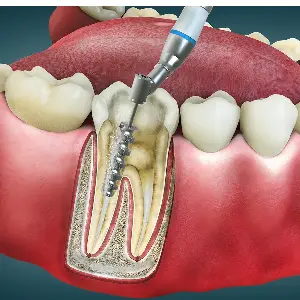
What Is a Root Canal?
A root canal is a highly effective dental treatment designed to save a tooth that’s badly decayed, cracked, or infected. Inside every tooth is soft tissue called the dental pulp, which contains nerves, blood vessels, and connective tissue. When deep decay, repeated dental work, or trauma allows bacteria to enter this space, the pulp can become inflamed or infected, causing sharp pain and risking an abscess.
By treating the infection at its source, a root canal relieves pain, saves your natural tooth, and protects your jawbone and neighboring teeth. This long-term solution not only restores comfort but also maintains your natural smile, something that extractions and artificial replacements can’t fully replicate.
Pain Before, During, and After a Root Canal
Many patients delay treatment because of uncertainty about pain. Understanding how discomfort is managed at every stage can bring peace of mind.
Pain Before a Root Canal
When a tooth’s inner pulp becomes inflamed or infected, it often causes intense, throbbing pain and lingering sensitivity to hot or cold foods. This discomfort can spread to the jaw, ear, or face and may be accompanied by swelling or gum tenderness. Over-the-counter pain relievers can offer temporary relief, but only a root canal can remove the infection and permanently stop the pain.
Pain During a Root Canal
Thanks to modern dental anesthesia, most patients feel no pain while the procedure is underway. After thoroughly numbing the tooth and surrounding gums, your dentist removes the infected tissue and disinfects the canals. You might notice gentle pressure, slight vibration, or the sound of instruments, but not sharp pain. For those with dental anxiety or a history of difficult numbing, sedation options can make the visit even more relaxing.
Pain After a Root Canal
It is normal to experience mild soreness or a sense of pressure for a day or two as the tooth and surrounding tissues heal. This is typically well managed with over-the-counter medications and soft-food meals. Avoid biting hard on the treated tooth until a permanent filling or crown is placed. If you experience severe or increasing pain, swelling, or fever, contact your dentist for evaluation and care.
So, Do Root Canals Hurt?
Short answer: No, not with modern care.
- Advanced Local Anesthesia: State-of-the-art numbing agents completely desensitize the tooth and surrounding tissues before treatment begins. This ensures you remain comfortable throughout the entire procedure, experiencing only mild sensations like gentle pressure instead of sharp pain.
- Cutting-Edge Instruments: Rotary and ultrasonic tools clean and shape the root canals with exceptional precision. These modern instruments reduce treatment time, limit unnecessary contact with healthy tissues, and help minimize post-procedure discomfort while ensuring a thorough disinfection of the tooth.
- Gentle Technique: Our dentists take extra care to create small, precise access points and maintain a calm, reassuring chairside manner. This gentle approach reduces stress, lessens tissue trauma, and promotes faster healing with minimal soreness after the root canal is complete.
Step-by-Step: What to Expect During Treatment
| Stage | Time Estimate | Comfort Measures |
| Examination & Numbing | 10–15 min | Digital X-rays, comprehensive anesthesia |
| Access & Cleaning | 30–45 min | Quiet, vibration-reduced rotary tools |
| Filling & Sealing | 15–30 min | Biocompatible gutta-percha seal |
| Final Crown Placement* | 30–60 min | Optional follow-up visit |
*If a crown is recommended for strength and aesthetics.
For Pain-Sensitive or Anxious Patients
- Stronger or supplementary numbing agents: Using advanced local anesthetics or reinforcing them during treatment to guarantee complete, lasting numbness throughout.
- Nitrous oxide (laughing gas) or oral sedation: Light sedation relaxes patients, easing anxiety and ensuring a comfortable, stress-free root canal experience.
- Noise-canceling headphones and warm blankets: Soothing amenities create a tranquil environment that helps reduce dental fear and improves overall comfort.
These extra steps help even highly anxious patients stay calm and comfortable.
Benefits of a Pain-Free Root Canal
- Stops infection and preserves natural teeth: Eliminates harmful bacteria, preventing the spread of infection and safeguarding surrounding teeth and bone.
- Relieves pain immediately: Provides rapid, lasting relief from intense toothache, helping you eat, speak, and sleep comfortably again.
- Saves your natural tooth and maintains bite alignment: Retains natural chewing ability, preventing neighboring teeth from shifting and affecting jaw balance.
- Supports long-term oral and overall health: Reduces risks of further dental issues or systemic problems linked to untreated tooth infections.
Recovery and Pain After the Procedure
Mild soreness, slight pressure, or sensitivity for one to two days is common as tissues heal. Over-the-counter pain relievers and soft foods usually provide relief. Avoid chewing hard on the treated tooth until a permanent crown is placed. If discomfort worsens, swelling persists, or fever occurs, contact Perfect White Smile promptly for follow-up care.
Conclusion
A root canal should never be feared. With today’s advanced anesthesia, precise techniques, and patient-centered care, the procedure is virtually painless from start to finish. At Perfect White Smile, our experienced dentists focus on gentle treatment that stops infection, relieves pain, and saves your natural tooth.
If you’re experiencing toothache or signs of infection, don’t wait, schedule your consultation today!
FAQs
Are root canals more painful than fillings?
No. With modern local anesthesia and precise techniques, a root canal typically feels similar to having a dental filling, just longer in duration.
How long does post-treatment discomfort last?
Most patients experience only mild soreness or pressure for 24–48 hours. Over-the-counter pain medication is usually sufficient for relief.
Will the tooth hurt again after a root canal?
When properly treated and crowned, the tooth usually remains comfortable for life. Rare discomfort may signal reinfection, which can be addressed promptly.
How soon can I eat after a root canal?
You can eat soft foods once numbness wears off, generally within a few hours. Avoid hard chewing until the permanent crown is placed.
What happens if I delay a needed root canal?
Infection can spread to the jawbone or bloodstream, causing abscesses, swelling, or systemic health problems. Early treatment is safer and less complicated.
Is a root canal safe for everyone?
Yes. Modern root canal therapy is scientifically proven to be safe and effective for patients of all ages, with a very high success rate.
Bibliography & Sources
- https://www.aae.org/patients/root-canal-treatment/what-is-a-root-canal/
- https://www.mouthhealthy.org/all-topics-a-z/root-canals
Saving a tooth through root canal therapy is one of the most effective ways to end pain and prevent infection from spreading. But many patients wonder how long a root canal takes and how many visits they should plan.
This comprehensive guide from the dental team at Perfect White Smile explains typical treatment times, factors that influence duration, and practical tips for a smooth, comfortable experience, grounded in clinical expertise and trusted dental research.

Typical Time Required for a Root Canal
On average, a root canal procedure takes 60 to 90 minutes per tooth. Most treatments can be completed in one appointment, though certain cases may need a second visit. According to the American Association of Endodontists (AAE), advances in digital imaging and rotary instruments have shortened treatment times compared to traditional methods.
Why times vary: Front teeth have a single root canal, while molars can have three or more, which naturally increases the time required.
Treatment Time based on the Type of Tooth
Not every tooth requires the same effort to clean and seal. The number of roots and internal canals directly affects how long a root canal takes.
Front Teeth (Incisors and Canines): About 45–60 Minutes
Front teeth generally have a single, straight canal, making them the easiest and quickest to treat. The procedure involves less time for cleaning and sealing, resulting in a faster root canal treatment compared to other teeth.
Premolars: Around 60–90 Minutes
Premolars often have one or two canals and more complex root structures than front teeth. This requires additional time for cleaning, shaping, and disinfecting, making the procedure slightly longer while still usually completed in one visit.
Molars: Approximately 90 Minutes or More
Molars have multiple canals, often with complex shapes, which require careful cleaning and disinfection. The increased number of canals and their intricacies make this the most time-consuming tooth type, often requiring up to two appointments to complete the procedure fully.
| Tooth Type | Average Treatment Time |
| Front teeth (incisors, canines) | ~60 minutes |
| Premolars | 60–90 minutes |
| Molars (back teeth) | 90 minutes or longer |
Choosing an experienced endodontist and a clinic equipped with advanced rotary tools, like Perfect White Smile, helps ensure that even multi-canal molars are treated efficiently.
What Happens During a Root Canal and How Long Each Stage Takes
A root canal is not a single action but a series of precise steps designed to save and seal your natural tooth.
- Comprehensive Examination & Local Anesthesia (10–15 minutes): The dentist examines your X-rays, discusses symptoms, and administers local anesthesia to numb the area. This ensures complete comfort throughout the procedure, allowing a pain-free root canal experience with minimal discomfort.
- Access & Cleaning (30–45 minutes): A small opening is made in the tooth to access the infected pulp. The pulp is removed, and the root canals are meticulously cleaned, shaped, and disinfected to eliminate harmful bacteria and prevent further infection.
- Filling & Sealing (15–30 minutes): After cleaning, the empty canals are filled with a biocompatible material, typically gutta-percha. This seals the canals, ensuring no bacteria can enter, and maintains the tooth’s structure, preparing it for restoration.
- Temporary or Permanent Restoration (10–15 minutes): If a crown is planned, a temporary filling is placed to protect the tooth until the next visit. If a permanent filling is chosen, it is placed to complete the procedure and restore function.
- Final Crown Placement (30–60 minutes, separate visit if needed): A custom crown is crafted to fit your tooth perfectly. This is typically placed in a follow-up appointment to provide strength and restore full function, ensuring long-lasting durability for the treated tooth.
Factors Influencing How Long a Root Canal Takes
Several key elements can extend or shorten your appointment:
Tooth Location and Canal Complexity
The location of the tooth and the number of canals play a major role in the procedure’s duration. Molars, with their multiple and often curved canals, require more time for cleaning and shaping. Front teeth, with simpler anatomy, are quicker to treat, generally taking less than an hour.
Severity of Infection
If the infection has spread deeply or is extensive, additional steps like medicating the canals or multiple cleaning sessions may be necessary. This can extend the treatment time as the dentist works to fully eliminate bacteria and infection, ensuring complete healing.
Tooth Anatomy Variations
Some teeth have complex root structures that make access and cleaning more challenging. Curved, calcified, or narrow canals require extra care, often increasing the time needed to ensure thorough cleaning and sealing. These complexities demand more precise techniques and longer treatment duration.
Restorative Plan
The need for a permanent restoration, like a crown, can add time to the overall procedure. If a crown is placed during the same visit, it can increase treatment time by 30-60 minutes. Alternatively, a follow-up visit for the crown placement will require an additional appointment.
Dentist’s Experience and Technology
Experienced dentists, coupled with advanced tools like rotary instruments, digital imaging, and modern disinfection methods, can significantly reduce treatment times. These tools allow for more efficient, precise cleaning and faster healing, helping to streamline the process and minimize chair time.
Recovery and Aftercare
Most patients return to work or normal activities the same day. Mild tenderness for a few days is normal and manageable with over-the-counter pain relievers. If a crown is required, a short follow-up appointment ensures lasting strength and aesthetics.
How to Prepare for an Efficient Root Canal Appointment
- Arrive 10–15 minutes early to complete paperwork calmly.
- Share your full medical history, including medications, to avoid unexpected delays.
- Follow pre-procedure instructions, such as eating a light meal or taking prescribed antibiotics if advised.
- Ask about sedation options if you experience dental anxiety—nitrous oxide or oral sedation can help you relax.
Final Takeaway
So, how long does a root canal take? In most cases, plan for about one to one and a half hours. Complex anatomy or severe infection may extend the process or require a second visit. At Perfect White Smile, our skilled team ensures that every step, from numbing to final restoration, is efficient, precise, and focused on your comfort.
Schedule your consultation today with Perfect White Smile to restore your tooth with confidence and professional care.
FAQs
Does the severity of the infection affect treatment time?
Yes, the severity of the infection plays a significant role in treatment duration. A more extensive infection requires additional cleaning, disinfection, and possibly medication inside the canals, which can extend the overall time needed for the procedure.
Will I experience pain during a root canal?
Most patients report little to no pain during the procedure due to the local anesthesia applied beforehand. Modern techniques and technologies used at clinics like Perfect White Smile ensure a comfortable, pain-free experience.
How can I speed up the root canal process?
While treatment time largely depends on the tooth’s condition and anatomy, you can help by following all pre-appointment instructions, such as arriving on time, discussing your medical history, and asking about sedation options to ensure a smooth procedure.
What happens if I need a crown after the root canal?
After a root canal, a custom crown is often required to restore the strength and function of the treated tooth. The crown is placed during a separate appointment, which typically takes 30–60 minutes.
Is there any downtime after a root canal?
Most patients experience minimal downtime and can return to normal activities the same day. Some minor discomfort or sensitivity is common and can be managed with over-the-counter pain relievers.
How long does it take for a root canal to fully heal?
While the root canal procedure itself takes 1–2 hours, full healing of the surrounding tissues may take a few weeks. Most patients experience complete recovery within a few days to a week.
Is a root canal safe?
Yes, root canal treatments are safe and highly effective when performed by an experienced dentist. Techniques, tools, and sterilization procedures have evolved over the years, ensuring that the procedure is both safe and reliable.
Root canal therapy has existed for many, many years. The initial technique to treat infection deep within a tooth was first developed in the mid-1800s. That has presented an enormous opportunity for refinement. It has also given us plenty of time to reach assumptions about a beneficial treatment that don’t serve us.
You may have heard stories about root canal therapy. You may have a perception of what this procedure is like by hearing comedic statements or watching scenes in movies or television that poke fun at this minor treatment. Often, a patient needing root canal therapy will have an intense sense of anxiety about their impending treatment without really understanding why. It all boils down to misunderstanding. We’d like to clear that up for you here.
Root Canal Therapy Is NOT Painful
One of the biggest misunderstandings about root canal therapy is that the procedure hurts. To get a root canal is not much different than getting a cavity filled or having a tooth prepared for a dental crown. There is a need to remove infected material, and then there is a filling process – neither of which is painful.
Root canal treatment may be associated with pain because patients often complain of a bad toothache before their treatment. There is also a potential for heightened sensitivity during root canal therapy, or any dental treatment, due to an expectation of pain. Finally, the reputation that root canal therapy has for being uncomfortable could be due to outdated information. Earlier in dentistry when techniques and anesthetic may have needed a bit of refinement, many of the treatments that were conducted were somewhat uncomfortable.
A root canal performed today is not a painful or stressful experience. The use of modern anesthetic technique and meticulous surgical methods makes the procedure comfortable. Many dentists who perform root canals also offer sedation to help patients feel fully relaxed in the chair.
Tooth Extraction Is NOT An Alternative To Root Canal Therapy
There may be a few reasons why some patients think extracting a diseased tooth is a better idea than repairing it. Whatever those may be for any individual, there remain key points that need to be considered. If we were to extract instead of repair, we would need to follow up with tooth replacement. Otherwise, teeth would shift and the risk for further infection would manifest.
We prioritize education and prevention in our Beverly Hills and London offices. Contact the office near you to schedule general dental care that revolves around your needs. Call our Beverly Hills office to schedule a consultation with Dr. Frey DDS.
March 17–23 is Root Canal Awareness Week. We know there are misperceptions out there about root canal therapy. We also know that it’s a topic people don’t typically visit about in a favorable light. Root canal therapy has always been a bit of a “whipping boy” in dentistry—and, its reputation is probably undeserved. This is especially true given today’s awesome treatment advancements.
The Most Common Misperception
The problems that lead up to needing a root canal can be painful because they affect your tooth’s pulp and nerves. Oftentimes people associate root canal treatment with the discomfort that made the treatment necessary in the first place. Don’t forget that root canal therapy is the solution, not the problem! And, root canals don’t need to be painful.
Today’s Ingredients For Comfortable Root Canal Treatments:
- safe, effective anesthesia
- extremely precise tools
- incredible imaging technology that enhances how and what we see
- shorter treatment times
If you’re anxious about having a root canal, or about any other dental treatment, please let us know. Or if you have questions, please ask us. Your comfort is our #1 priority. Don’t postpone important dental care because of fear. We listen and we care. Let’s take great care of your oral health, together.