
Why Does My Jaw Pop When I Chew?
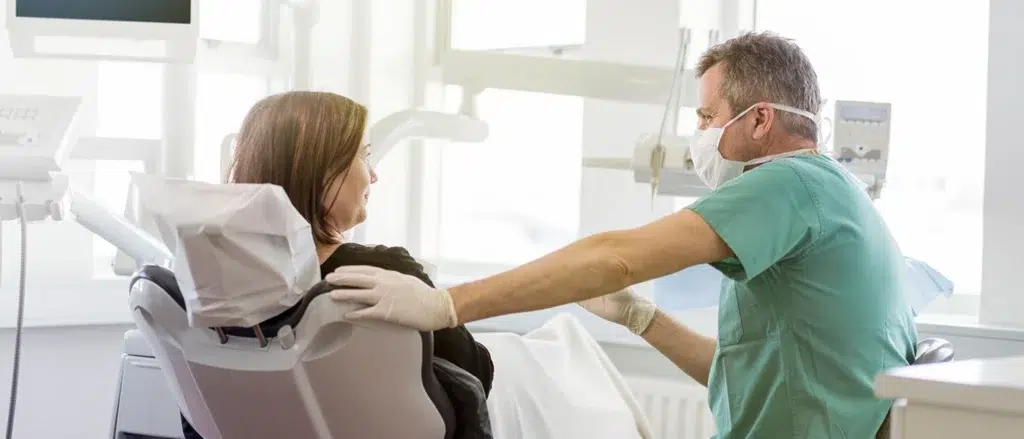
Do you hear a popping or clicking sound when you open your mouth or chew? While it may seem like a minor issue initially, frequent jaw popping could signal an underlying problem that shouldn’t be overlooked.
Studies show that approximately 5% to 12% of the U.S. population experiences temporomandibular joint and muscle disorders (TMJD), which can lead to symptoms like jaw popping, pain, and difficulty chewing.
If you’ve been wondering, “Why does my jaw pop when I chew?” you’re not alone. Many people experience this sensation, sometimes with pain or discomfort, without understanding its cause or how to resolve it.
Let’s explore the reasons behind jaw popping, who it affects, whether it’s a temporary concern or a more serious condition, and how expert dental care can help you find lasting relief.
What Does Jaw Popping Mean?
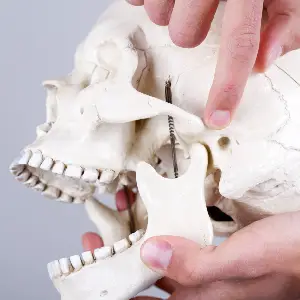
Jaw popping refers to an audible sound, such as a click, snap, or pop, originating from the temporomandibular joint (TMJ). This joint connects the jawbone to the skull and is critical in chewing, speaking, and yawning.
While occasional jaw popping can be harmless, persistent or painful popping may be a sign of a temporomandibular joint disorder (TMD), misalignment of the joint, or other structural issues. If you experience frequent or painful jaw popping, it’s important to consult with a dental professional to determine the root cause and appropriate treatment.
Why Does My Jaw Pop When I Chew?
There are several possible reasons for jaw popping, each affecting the temporomandibular joint (TMJ) and the surrounding muscles. Here are some of the most common causes:
Temporomandibular Joint Disorder (TMD)
TMD is one of the leading causes of jaw popping. This disorder affects the TMJ, the joint that allows your jaw to move smoothly. Inflammation, arthritis, or muscle tension can restrict normal jaw movement, causing popping or clicking, which is especially noticeable when chewing or speaking.
Jaw Misalignment
When the teeth or jawbones do not align properly, a condition known as malocclusion can put additional stress on the TMJ. Misalignment can cause discomfort and popping sounds, particularly when chewing, speaking, or making other jaw movements.
Bruxism (Teeth Grinding or Clenching)
Bruxism, or the grinding or clenching of teeth, often happens during sleep. This habit can wear down the muscles and joints around the jaw, leading to popping sounds, discomfort, or even pain over time. Bruxism is commonly triggered by stress, anxiety, or misaligned teeth.
Injury or Trauma
Any impact to the face or jaw, whether from an accident, sports injury, or other trauma, can disrupt the normal function of the TMJ. It can cause irregular jaw movements, leading to popping when chewing or opening the mouth.
Arthritis
Conditions like osteoarthritis or rheumatoid arthritis can affect the cartilage in the jaw joint. As the cartilage deteriorates, it can lead to stiffness, pain, and popping sounds as the joint moves. This condition is more common in older adults but can occur at any age.
Does Jaw Popping Affect Adults or Children?
Jaw popping can affect both adults and children, although the causes and prevalence rates differ between the two groups.
In Children and Adolescents
Temporomandibular disorders (TMDs) are not limited to adults. Research shows that the prevalence of TMDs in children and adolescents ranges from 6% to 68%. Common contributing factors in this age group include:
- Malocclusion: Improper bite alignment that places undue stress on the TMJ.
- Parafunctional Habits: Behaviors such as nail-biting, thumb-sucking, or teeth clenching.
- Psychosocial Stress: Emotional factors like anxiety and stress can exacerbate TMD symptoms.
It’s important to note that females, older adolescents, and those exhibiting signs of stress or nervousness are at higher risk.
In Adults
In adults, TMDs are also quite common, affecting an estimated 10% to 15% of the population. The prevalence is notably higher in women, with a female-to-male ratio of about 3:1. Factors contributing to jaw popping in adults include:
- Bruxism: Teeth grinding or clenching, often aggravated by stress, which leads to jaw discomfort.
- Arthritis: Osteoarthritis or rheumatoid arthritis can lead to inflammation and degeneration of the TMJ.
- Trauma or Injury: Past injuries to the jaw or head can misalign the TMJ, resulting in popping.
- Hormonal Factors: Hormonal fluctuations, especially in women, may influence the prevalence and severity of TMD symptoms.
While TMDs are common, many cases are manageable with appropriate treatments. However, persistent or painful jaw popping should be evaluated by a dentist to determine the underlying cause and treatment options.
Can Jaw Popping Be Treated?
Yes, jaw-popping is treatable, and the best approach depends on the underlying cause. Below are some of the most effective treatment options:
Custom Night Guards
For patients who grind or clench their teeth (bruxism), a custom night guard can protect the teeth and reduce pressure on the TMJ. This helps prevent further damage and alleviates popping sounds.
Orthodontic Treatment
Misalignment of the teeth or jaw is a major contributor to jaw popping. Correcting these issues with orthodontic treatments, such as braces or Invisalign, can help realign the bite, reduce strain on the TMJ, and eliminate the popping.
TMJ Therapy
A comprehensive approach to treating TMJ disorders often involves jaw exercises, physical therapy, and the application of cold or warm compresses to reduce inflammation and promote healing. Lifestyle modifications, such as reducing jaw stress, may also be recommended.
Stress Management
Since stress is a common factor in teeth clenching and jaw tension, managing stress through techniques like yoga, meditation, or counseling can significantly reduce symptoms. Learning to relax and manage stress can prevent jaw popping from becoming a chronic issue.
Dental or Surgical Interventions
In more severe cases of TMD or when structural damage to the TMJ occurs, dental or surgical interventions may be necessary. These can range from minimally invasive procedures to more advanced surgeries aimed at restoring proper joint function and alleviating pain.
Can Jaw Popping Be Prevented?
While not all cases of jaw popping can be prevented, several proactive steps can be taken to reduce the risk and protect your jaw health:
- Avoid Hard or Chewy Foods: Chewing tough or overly chewy foods can strain the jaw muscles. Opt for softer foods when possible to reduce stress on the TMJ.
- Maintain Good Posture: Proper posture is crucial for aligning your head and jaw. Avoid slouching or holding your head in unnatural positions to help reduce strain on the jaw and neck muscles.
- Use Proper Techniques When Yawning or Chewing: Avoid wide yawning or excessive jaw movements that can overstretch the TMJ. Chew food slowly and evenly on both sides of your mouth to prevent unnecessary stress on one side of your jaw.
- Manage Stress: Since stress contributes to teeth clenching and grinding, relaxation techniques such as yoga, meditation, or deep breathing can help reduce jaw tension.
- Schedule Regular Dental Checkups: Routine visits to your dentist can help detect early signs of misalignment or other issues that could lead to jaw popping. Addressing problems early can prevent them from escalating.
When Should You See a Dentist?
You should consult a dentist if you experience any of the following symptoms:
- Frequent Popping or Clicking: If your jaw pops or clicks often, especially when you are in discomfort, it may require attention.
- Pain or Stiffness: Persistent jaw pain or stiffness can indicate a temporomandibular joint disorder (TMD) or other jaw-related issues.
- Jaw Locking: If your jaw locks open or closed, chewing or speaking can be difficult, and you should seek professional evaluation.
- Difficulty Chewing, Speaking, or Yawning: If it becomes hard to chew, speak, or yawn comfortably, your jaw might not function correctly, and a dentist should assess it.
- Headaches, Earaches, or Facial Pain: Jaw problems can radiate pain to other areas, such as your head, ears, or face. If you experience these symptoms along with jaw issues, seek professional care.
These symptoms may indicate a deeper problem requiring prompt attention. Early diagnosis and treatment can help prevent long-term complications and restore comfort.
Is Jaw Popping a Serious Problem?
While jaw popping isn’t always a serious issue, it should not be ignored if it becomes persistent or painful. Whether caused by TMD, bite misalignment, or stress, untreated jaw popping can lead to more significant problems. The good news is that relief is possible with the right diagnosis and personalized treatment. Don’t wait for symptoms to worsen; consult a dental professional to explore your treatment options and regain a pain-free life.
Get Expert Treatment for Jaw Popping and Discomfort in Beverly Hills
If you’re experiencing persistent jaw popping while chewing, consult the skilled team at Perfect White Smile for effective solutions. We specialize in treating TMJ disorders, bite misalignment, and other jaw-related concerns with customized treatments in our advanced Beverly Hills facility.
Take control of your jaw health today by scheduling a consultation.
Call (310) 276-4537 or visit us at 433 N Camden Drive, Suite 1070, Beverly Hills, CA 90210. Let us help you restore comfort and alleviate jaw pain.
FAQs
How do you fix my jaw from popping when I chew?
Treatment for jaw popping depends on its cause. Common solutions include custom night guards, orthodontic treatment, TMJ therapy, physical therapy, and stress management techniques. Severe cases may require surgical intervention. A dentist or TMJ specialist will determine the most effective treatment.
Is it serious if your jaw pops?
Occasional jaw popping may not be serious, but frequent popping, accompanied by pain or stiffness, can indicate TMD or bite misalignment. It’s essential to consult a dentist to assess whether treatment is necessary.
How do I reset my TMJ jaw?
Resetting your TMJ involves gentle exercises, warm or cold compresses, and avoiding excessive jaw movement. Your dentist or physical therapist may recommend specific techniques to restore normal function and relieve discomfort.
Why does my jaw click on only one side?
A clicking jaw on one side is usually caused by issues with the TMJ on that side. Misalignment, cartilage damage, or inflammation could be the cause. A dentist can diagnose the issue and recommend appropriate treatments to restore function.
Will TMJ go away on its own?
TMJ symptoms may improve with self-care, rest, and stress management. However, chronic symptoms require professional treatment. Early intervention can prevent worsening and provide long-term relief.