
Porcelain fillings, often referred to as ceramic fillings or inlays/onlays, serve as a highly effective dental restoration for treating cavities and mending damaged teeth. Crafted from premium ceramic materials, these fillings are designed to integrate flawlessly with natural teeth, providing both strength and a pleasing appearance. They are an ideal choice for patients seeking durable, tooth-colored solutions for their dental concerns.
In this blog, we will explore the advantages of porcelain fillings, outline the procedure involved, and address some frequently asked questions regarding this advanced dental option. By understanding porcelain fillings better, patients can make informed decisions about their dental restoration needs and enjoy a healthy, beautiful smile.
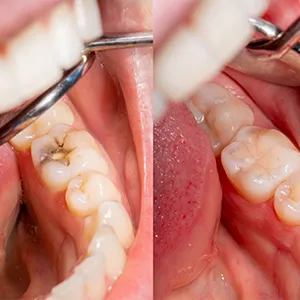
Why Are Porcelain Fillings Different?
Porcelain fillings differ from traditional options like amalgam or composite fillings in several ways:
- Material: They are crafted from ceramic, a biocompatible material that mimics the appearance of natural enamel.
- Custom-Made: Unlike direct fillings, porcelain fillings are fabricated in a dental lab and then bonded to the tooth.
- Durability: Porcelain fillings are stronger and more resistant to wear compared to composite fillings.
Benefits of Porcelain Fillings
Porcelain fillings offer a wide range of advantages, making them a popular choice for patients looking for both functionality and aesthetics:
- Natural Appearance: Porcelain fillings are tooth-colored and can be precisely matched to the shade of your natural teeth, ensuring they’re virtually invisible.
- Durability: Porcelain is a highly durable material, resistant to cracking, chipping, and wear. With proper care, porcelain fillings can last 10–15 years or longer.
- Stain Resistance: Unlike composite fillings, porcelain fillings are resistant to staining from coffee, tea, or other foods and beverages.
- Biocompatibility: Porcelain is a safe and non-toxic material, making it an excellent choice for individuals with metal allergies or sensitivities.
- Strength: Porcelain fillings bond tightly to your tooth, restoring its structure and strength while reducing the risk of future damage.
- Minimal Tooth Preparation: Porcelain fillings require less removal of healthy tooth structure compared to traditional metal fillings, preserving more of your natural tooth.
When Are Porcelain Fillings Recommended?
Porcelain fillings are ideal for:
- Large Cavities: They provide excellent coverage for larger areas of decay or damage.
- Replacing Old Fillings: Porcelain is an excellent choice for replacing worn-out metal fillings for a more natural look.
- Cracked or Broken Teeth: Porcelain fillings can restore the function and appearance of a damaged tooth.
- Teeth with Heavy Wear: Their durability makes them suitable for molars or teeth subjected to significant pressure.
The Porcelain Filling Procedure
Here’s what you can expect when getting porcelain fillings:
- Step 1: Consultation and Examination: Your dentist will evaluate your teeth to determine if porcelain fillings are the right option for you.
- Step 2: Tooth Preparation: The decayed or damaged portion of the tooth is removed, and the area is cleaned. Minimal enamel removal is required to preserve the natural structure.
- Step 3: Impression: An impression of your tooth is taken and sent to a dental lab, where your custom porcelain filling is crafted.
- Step 4: Temporary Filling: A temporary filling may be placed while you wait for your porcelain filling to be ready (typically 1–2 weeks).
- Step 5: Bonding: Once your custom filling is ready, it’s bonded to your tooth using a strong adhesive, ensuring a secure fit.
- Step 6: Polishing: The filling is polished to match the texture and luster of your natural teeth, creating a seamless finish.
FAQs
How long do porcelain fillings last?
Porcelain fillings typically last between 10–15 years, depending on your oral hygiene and habits. With proper care, they can last even longer.
Are porcelain fillings better than composite fillings?
Porcelain fillings are more durable and stain-resistant than composite fillings. They are ideal for larger restorations, while composite fillings are better suited for small cavities.
Are porcelain fillings expensive?
Porcelain fillings are more expensive than composite or amalgam fillings due to the material and lab customization. However, their durability and aesthetic appeal make them a worthwhile investment.
Do porcelain fillings look natural?
Yes, porcelain fillings are custom-made to match the color and shape of your natural teeth, ensuring a seamless and natural look.
Are porcelain fillings safe?
Yes, porcelain is a biocompatible material that is non-toxic and safe for individuals with metal allergies or sensitivities.
How do I care for porcelain fillings?
- Brush and floss regularly to maintain oral hygiene.
- Avoid biting hard objects like ice or pens.
- Visit your dentist for regular checkups and cleanings to monitor your fillings.
Porcelain Fillings vs Other Fillings
Porcelain fillings stand out for their durability, lasting 10–15 years or more, compared to composite fillings (5–7 years), and similar to amalgam fillings. They also offer the best appearance, blending seamlessly with natural teeth, unlike the noticeable silver color of amalgam fillings.
When it comes to stain resistance, porcelain fillings are highly resistant, while composite fillings may stain over time, requiring replacements. Amalgam doesn’t stain but is visibly metallic.
Porcelain fillings are more expensive due to their high-quality material and custom fabrication, whereas composite fillings are moderately priced, and amalgam is the most cost-effective.
Lastly, porcelain is biocompatible and safe for individuals with metal allergies, unlike amalgam, which contains mercury. For patients seeking a durable, aesthetic, and long-lasting option, porcelain fillings are an excellent choice.
Conclusion
So, what are porcelain fillings? They are a durable, natural-looking, and biocompatible solution for restoring damaged or decayed teeth. Offering unmatched aesthetics and long-lasting results, porcelain fillings are an excellent choice for patients looking to enhance their smile and maintain optimal dental health.
At Perfect White Smile, we specialize in porcelain fillings and other advanced dental treatments. Our experienced team is dedicated to providing personalized care to help you achieve a healthy, beautiful smile.
Call us today at (310) 276-4537 to schedule your consultation and find out if porcelain fillings are right for you! Visit our clinic at 433 N Camden Drive, Suite 1070, Beverly Hills, CA 90210
Cavities rank among the most prevalent dental issues, and the idea of using a traditional drill can be unsettling for many patients. Fortunately, advancements in dental technology have introduced laser dentistry as a less invasive and more comfortable alternative. This comprehensive guide will delve into how lasers effectively remove cavities, the advantages they provide, and the reasons behind their growing popularity among patients seeking dental care. With lasers, the cavity removal process can become more efficient and less intimidating, making dental visits a more positive experience overall.

What Are Cavities?
Cavities, or dental caries, occur when tooth enamel is damaged by acid-producing bacteria. Left untreated, they can lead to tooth pain, sensitivity, and even infection.
Traditional cavity treatments involve the use of dental drills to remove decayed material and prepare the tooth for a filling. While effective, these methods can be intimidating for some patients, particularly those with dental anxiety.
Can Lasers Remove Cavities?
Absolutely, lasers are capable of effectively eliminating cavities. Laser dentistry employs a concentrated light beam to precisely and efficiently remove decayed tooth material. This innovative technology provides a minimally invasive option compared to conventional drills, enhancing patient comfort during the procedure. By utilizing lasers, dental professionals can achieve accurate cavity removal while reducing discomfort and anxiety associated with traditional methods. As a result, laser treatment is proving to be a preferred choice for many patients looking for a more pleasant dental experience.
How Lasers Work for Cavity Removal?
- Decay Detection: Some lasers are used to detect cavities in their earliest stages, allowing for preventive care.
- Decay Removal: A specific type of laser, called an erbium laser, removes decayed material without affecting surrounding healthy tooth structure.
- Preparation for Filling: The laser shapes the cavity area, creating a clean surface for the filling material to adhere to.
Benefits of Using Lasers for Cavity Removal
Laser dentistry is transforming the way cavities are treated. Here are some key benefits:
- Minimally Invasive: Lasers target only the decayed area, preserving more of your natural tooth structure.
- Pain-Free or Minimal Discomfort: In many cases, patients require little to no anesthesia since lasers are less invasive than traditional drills.
- Reduced Anxiety: The quiet, vibration-free operation of lasers is much less intimidating than the sound of a dental drill.
- Faster Recovery: Since lasers minimize trauma to the tooth and surrounding tissue, recovery is quicker with less post-treatment sensitivity.
- Sterilization: Lasers sterilize the treatment area as they work, reducing the risk of infection and promoting better healing.
- Precision: The focused light beam allows for accurate removal of decay without damaging healthy tooth structure.
Limitations of Laser Cavity Treatment
While lasers offer numerous advantages, they do have some limitations:
- Cost: Laser equipment is expensive, which may make treatments slightly pricier than traditional methods.
- Not Suitable for All Cavities: Lasers are most effective for small to medium-sized cavities and may not be ideal for extensive decay or cavities between teeth.
- Filling Compatibility: Lasers may not work as efficiently with certain types of filling materials.
Who Can Benefit from Laser Cavity Treatment?
Laser cavity treatment is ideal for:
- Patients with dental anxiety or fear of drills.
- Individuals with small to medium-sized cavities.
- Children, as the gentle nature of lasers makes treatment more comfortable.
- Those looking for a quicker, less invasive alternative to traditional cavity treatment.
The Laser Cavity Treatment Process
Here’s what you can expect during a laser cavity treatment:
- Initial Examination: Your dentist will examine your teeth and use diagnostic tools (sometimes including a laser cavity detection device) to identify decay.
- Anesthesia (If Needed): For most patients, anesthesia isn’t required. However, in cases of deeper decay, your dentist may use a local anesthetic to ensure your comfort.
- Laser Decay Removal: The dentist uses a specialized laser to remove the decayed tooth material. The laser precisely targets the affected area without affecting healthy enamel.
- Filling the Cavity: Once the decay is removed, the cavity is filled with a tooth-colored composite resin to restore the tooth’s structure and appearance.
- Polishing and Finishing: The filling is polished to ensure it blends seamlessly with your natural teeth.
FAQs
1. Is laser cavity treatment painful?
No, laser cavity treatment is generally pain-free. Most patients experience minimal to no discomfort, and anesthesia is often unnecessary.
2. Can lasers detect cavities?
Yes, certain lasers can detect cavities in their earliest stages, allowing for preventive treatment before the decay progresses.
3. Is laser cavity treatment safe?
Yes, laser cavity treatment is safe when performed by a trained professional. The laser only targets the decayed area, leaving healthy tissue untouched.
4. Are lasers effective for all cavities?
Lasers are most effective for small to medium-sized cavities. For larger cavities or those in hard-to-reach areas, traditional methods may still be required.
5. How long does laser cavity treatment take?
The duration depends on the size and location of the cavity, but laser treatments are typically faster than traditional drilling methods.
6. Is laser cavity treatment more expensive?
Laser treatments can be slightly more expensive due to the advanced technology involved. However, the benefits, such as reduced pain and faster recovery, often outweigh the cost.
Conclusion
So, can lasers remove cavities? Absolutely! Laser cavity treatment is a game-changer in modern dentistry, offering a minimally invasive, pain-free alternative to traditional methods. With their precision, efficiency, and ability to reduce anxiety, lasers make cavity treatment a more comfortable experience for patients of all ages.
At Perfect White Smile, we’re proud to offer advanced laser dentistry services to provide you with the highest level of care. Whether you’re dealing with a cavity or want to explore other laser dental treatments, our experienced team is here to help.
Call us today at (310) 276-4537 to schedule your consultation and experience the benefits of laser dentistry for yourself! Visit our clinic at 433 N Camden Drive, Suite 1070, Beverly Hills, CA 90210
When it comes to visiting the dentist, one of the most common fears people have is the potential for pain during treatments. With advancements in dental technology, procedures have become less invasive and more comfortable. One such innovation is laser dental treatment, which is often praised for its precision and reduced discomfort.
But is laser dental treatment painful? In this blog, we’ll explore the ins and outs of laser dental treatments, their benefits, and how they compare to traditional dental procedures. We’ll also address frequently asked questions and guide you toward the right treatment for your dental needs.

What is Laser Dental Treatment?
Laser dental treatment utilizes focused light beams to carry out various dental procedures. This technology can precisely interact with both soft tissues, such as gums, and hard tissues, like teeth. Its ability to deliver targeted treatment makes lasers a versatile and valuable tool in contemporary dentistry, enhancing patient comfort and treatment outcomes.
Common Uses of Laser Dentistry
- Treating gum disease (removing bacteria and inflamed tissue).
- Reshaping gums to address a “gummy smile.”
- Treating cavities by removing decayed areas.
- Accelerating teeth whitening processes.
- Performing biopsies or removing oral lesions.
- Relieving pain from cold sores or canker sores.
Is Laser Dental Treatment Painful?
The short answer is no, laser dental treatment is generally not painful. In fact, one of the biggest advantages of lasers in dentistry is their ability to minimize discomfort during and after the procedure.
Why laser dental treatment is less painful?
- Minimally Invasive: Lasers operate with precision, targeting only the affected areas without disturbing surrounding healthy tissues.
- Reduced Need for Anesthesia: Since lasers cause minimal discomfort, anesthesia is often unnecessary, especially for soft tissue procedures.
- Fewer Post-Treatment Complications: Lasers minimize bleeding and swelling, leading to faster recovery times and reduced post-treatment pain.
- Gentle Treatment for Sensitive Areas: For procedures involving gums or nerves, lasers are gentler compared to traditional dental tools like drills or scalpels.
- Patient Experience: Many patients report a more relaxed experience with lasers due to their quiet operation and reduced use of traditional tools.
What to Expect During a Laser Dental Procedure?
While laser dental treatments are comfortable, it’s natural to wonder what the procedure entails:
- Consultation and Preparation: Your dentist will evaluate your condition, explain the procedure, and ensure you’re comfortable before starting.
- Laser Application: The laser is applied to the treatment area with precision, whether it’s to remove decay, reshape gums, or whiten teeth.
- Minimal Discomfort: Most patients feel little to no pain during the procedure. Some may experience a mild warming or tingling sensation.
- Post-Treatment Recovery: Since lasers promote healing and reduce swelling, you’ll likely recover faster with minimal discomfort.
Benefits of Laser Dental Treatment
Laser dentistry offers numerous advantages that make it a preferred option for many patients:
- Pain-Free Procedures: Lasers minimize discomfort during treatments, making it ideal for patients with dental anxiety.
- Reduced Bleeding and Swelling: The laser cauterizes tissues as it works, leading to less bleeding and swelling.
- Shorter Recovery Time: The precision of lasers reduces trauma to the tissues, promoting faster healing.
- High Precision: Lasers target only the affected area, preserving healthy tissue and improving treatment outcomes.
- Fewer Complications: The sterilizing effect of lasers reduces the risk of infection.
- Ideal for Sensitive Patients: Patients with low pain tolerance or dental anxiety often find laser treatments more comfortable than traditional methods.
Limitations of Laser Dental Treatment
While laser dentistry is highly effective, it’s not suitable for all situations. Here are some limitations to consider:
- Not for All Procedures: Lasers cannot replace traditional tools for treatments like removing old fillings or preparing teeth for crowns.
- Cost: Laser treatments can be more expensive than traditional methods due to the advanced technology.
- Specialized Expertise: Laser dentistry requires additional training and experience, so choosing an experienced dentist is essential.
At Perfect White Smile, our team is skilled in using laser technology to ensure safe and effective treatments.
FAQs
Is laser dental treatment safe?
Yes, laser dental treatments are safe when performed by a trained professional. Lasers are FDA-approved for dental use and are designed to minimize risk.
Do laser treatments require anesthesia?
In most cases, laser treatments don’t require anesthesia because they are minimally invasive and cause little discomfort.
How long does a laser dental procedure take?
The duration depends on the specific procedure. For example, laser gum treatments may take 30–60 minutes, while teeth whitening can be completed in about an hour.
Is laser dentistry more expensive than traditional methods?
Laser treatments may have a higher upfront cost due to the advanced technology, but the benefits, such as faster recovery and reduced discomfort often outweigh the expense.
Are laser treatments effective for gum disease?
Yes, lasers are highly effective for treating gum disease. They can remove bacteria and diseased tissue with precision, promoting faster healing and reducing the need for invasive surgery.
Can laser dentistry be used for children?
Yes, laser dentistry is a great option for children, especially those with dental anxiety. The gentle and pain-free nature of lasers makes them ideal for younger patients.
Conclusion
So, is laser dental treatment painful? The answer is a resounding no for most patients. Laser dentistry offers a comfortable, minimally invasive alternative to traditional dental treatments, with reduced pain, faster recovery, and fewer complications.
At Perfect White Smile, we use the latest laser technology to provide safe and effective treatments tailored to your unique needs. Whether you’re dealing with gum disease, need a cavity filled, or want a brighter smile, laser dentistry can make your dental experience stress-free and enjoyable.
Call us today at (310) 276-4537 to schedule your consultation and learn how laser dentistry can benefit you! Visit our clinic at 433 N Camden Drive Suite 1070, Beverly Hills, CA 90210.
Bibliography and Sources
- American Dental Association. “Laser Dentistry: Uses and Benefits.”
- Mayo Clinic. “Laser Dentistry: Modern Technology for Dental Health.”
- Cleveland Clinic. “What You Need to Know About Laser Dentistry.”
- Healthline. “Is Laser Dentistry Pain-Free?”
- WebMD. “How Laser Dentistry Can Improve Your Oral Health.”
Advances in dental technology have revolutionized the way dental procedures are performed, and one of the most innovative techniques is laser dentistry. But what is laser dentistry used for?
Laser dentistry uses highly focused beams of light to treat various dental conditions with precision and minimal discomfort. From treating gum disease to whitening teeth, laser dentistry is versatile and offers numerous benefits over traditional dental treatments.
In this comprehensive blog, we’ll explore the applications, benefits, and frequently asked questions about laser dentistry to help you understand how it can enhance your dental care experience.

What is Laser Dentistry?
Laser dentistry utilizes dental lasers that emit focused light beams for various dental procedures. These specialized lasers can target either soft tissues, such as gums, or hard tissues, including teeth and bones, based on the specific treatment needed. By employing lasers, dental professionals can enhance precision and minimize discomfort during procedures.
This technique often reduces bleeding and quicker healing times than traditional dental methods. Furthermore, laser dentistry can be used for various applications, including cavity removal, gum reshaping, and teeth whitening. The innovation of laser technology in dentistry represents a significant advancement, offering more effective and patient-friendly options for both routine and complex dental treatments.
Types of Dental Lasers
- Soft Tissue Lasers: Used for procedures involving the gums, such as reshaping or removing excess tissue.
- Hard Tissue Lasers: Used for treatments involving teeth, such as cavity detection or enamel preparation.
What is Laser Dentistry Used For?
Laser dentistry can be used for a wide range of dental treatments. Some of the most common applications include:
- Treating Gum Disease: Lasers effectively treat gum disease by removing infected tissue and bacteria from the gum pockets. They promote faster healing and minimize discomfort compared to traditional methods.
- Gum Reshaping (Gingivectomy): For patients with a “gummy smile,” lasers can reshape the gum line to improve the appearance of their smile.
- Cavity Treatment: Lasers can detect and remove decay precisely, making cavity treatment less invasive and more comfortable.
- Teeth Whitening: Laser-assisted teeth whitening accelerates the whitening process by activating the bleaching agent applied to the teeth, providing faster and more effective results.
- Biopsy or Lesion Removal: Lasers can be used to remove a small piece of tissue for biopsy or to eliminate oral lesions and ulcers.
- Frenectomy: Lasers are used to treat tongue-tie or lip-tie conditions, which can improve speech and feeding in children and adults.
- Root Canal Disinfection: Lasers can effectively clean and disinfect root canals, reducing the risk of reinfection.
- Cold Sore and Canker Sore Treatment: Lasers can alleviate discomfort and speed up the healing process for cold and canker sores.
Benefits of Laser Dentistry
Laser dentistry offers numerous advantages over traditional dental techniques, making it a popular choice for patients and dentists alike:
- Minimized Pain and Discomfort: Laser treatments are less invasive, reducing the need for anesthesia and minimizing discomfort during and after the procedure.
- Reduced Bleeding and Swelling: Lasers cauterize tissues as they cut, resulting in less bleeding and swelling.
- Precision and Accuracy: Lasers allow for highly precise treatments, preserving more of the healthy tissue.
- Faster Recovery Time: The minimally invasive nature of laser dentistry promotes quicker healing and recovery.
- Reduced Risk of Infection: The laser sterilizes the treatment area, lowering the risk of infection.
- Enhanced Patient Comfort: Many patients find laser treatments less intimidating and more comfortable than traditional dental tools.
Limitations of Laser Dentistry
While laser dentistry has numerous benefits, it’s not suitable for every patient or procedure. Here are some limitations:
- Cost: Laser technology can be more expensive than traditional methods.
- Limited Applications: Lasers are ineffective for certain treatments, such as removing old fillings or preparing teeth for large crowns.
- Learning Curve: The dentist must have specialized training to perform laser procedures effectively.
At Perfect White Smile, our team is trained in the latest laser dentistry techniques to ensure safe and effective treatments for all our patients.
Who Can Benefit from Laser Dentistry?
Laser dentistry is suitable for patients of all ages, including:
- Those with dental anxiety or fear of traditional tools.
- Patients seeking less invasive and more comfortable treatment options.
- Individuals with gum disease or other soft tissue issues.
- Patients requiring precise and efficient dental care.
FAQs
Does laser dentistry hurt?
No, laser dentistry is typically painless. Most patients experience little to no discomfort during or after the procedure, and anesthesia is often unnecessary.
Is laser dentistry safe?
Yes, laser dentistry is safe when performed by a trained professional. At Perfect White Smile, our team uses FDA-approved laser technology to ensure safety and efficacy.
How long does a laser dentistry procedure take?
The duration depends on the procedure. For example, laser teeth whitening takes about an hour, while gum reshaping may take slightly longer.
Is laser dentistry more expensive than traditional treatments?
Laser dentistry may have a higher upfront cost due to the technology involved, but the benefits—such as quicker recovery and reduced discomfort—often outweigh the expense.
Can lasers replace traditional dental tools entirely?
While lasers are highly effective for certain procedures, they are not a replacement for all traditional tools. Some treatments still require conventional methods.
Is laser dentistry covered by insurance?
Insurance coverage varies depending on the procedure and your plan. Cosmetic procedures like teeth whitening may not be covered, but treatments for gum disease might be partially reimbursed.
Laser dentistry serves various purposes, from treating gum disease to performing cosmetic procedures. This advanced method provides a versatile, precise, and minimally invasive approach to dental care. As a game-changer, it offers patients comfortable and effective treatment options, significantly enhancing the overall experience and outcomes in modern dental practice.
At Perfect White Smile, we’re proud to offer state-of-the-art laser dentistry services tailored to your unique needs. Our skilled team is committed to providing a comfortable and stress-free dental experience.
Call us today at (310) 276-4537 to schedule your consultation and learn how laser dentistry can benefit you! Visit our clinic at 433 N Camden Drive, Suite 1070, Beverly Hills, CA 90210
When it comes to improving your smile, one common concern among patients is whether cosmetic procedures will look natural. Among these, dental bonding is a popular option due to its affordability, minimally invasive nature, and ability to fix a variety of dental issues. But does dental bonding look natural?
In this blog, we’ll explore what dental bonding is, how it works, and why it’s designed to deliver a natural look. We’ll also address common questions and concerns to help you decide if dental bonding is the right solution for you.

What is Dental Bonding?
Dental bonding is a cosmetic dental procedure that involves applying a tooth-colored composite resin to repair minor imperfections like chipped, cracked, or discolored teeth. This resin is carefully shaped and polished to match the size, shape, and color of your natural teeth, ensuring a seamless finish.
What Can Dental Bonding Fix?
- Chipped or cracked teeth
- Gaps between teeth
- Stains or discoloration
- Uneven or worn-down teeth
- Minor misalignment issues
Why Does Dental Bonding Look Natural?
Dental bonding is specifically designed to blend in with your natural teeth. Here’s why it achieves such a natural look:
Color Matching: Your dentist selects a shade of composite resin that matches the color of your existing teeth. This ensures the bonded area looks indistinguishable from the surrounding teeth.
Custom Shaping: The resin material is sculpted to match the natural contours of your teeth, giving it a realistic shape and texture.
Polishing for Shine: After the resin hardens, it’s polished to mimic the sheen of natural enamel. This step ensures the bonded tooth reflects light like your natural teeth.
Expert Application: The skill of your dentist plays a significant role. At Perfect White Smile, our team specializes in cosmetic procedures, ensuring the bonding looks flawless and natural.
Minimally Invasive: Since bonding requires minimal alteration to your natural teeth, the procedure preserves the original structure of your teeth, enhancing its natural appearance.
Benefits of Dental Bonding
- Non-Invasive: Dental bonding doesn’t require removing a significant portion of the tooth, unlike veneers or crowns.
- Cost-Effective: It’s an affordable way to enhance your smile compared to other cosmetic treatments.
- Quick Procedure: Most bonding treatments can be completed in one visit, often in under an hour per tooth.
- Natural Appearance: With proper care and application, bonded teeth blend seamlessly with your natural teeth.
- Reversible: Since minimal tooth structure is removed, bonding can be reversed if needed.
Limitations of Dental Bonding
While dental bonding looks natural, it has some limitations to consider:
- Durability: Bonding material isn’t as strong as natural enamel or porcelain veneers and may chip over time.
- Staining: Composite resin can stain more easily than enamel, especially if exposed to coffee, tea, wine, or tobacco.
- Shorter Lifespan: Bonding lasts 3–10 years, depending on your oral hygiene and lifestyle.
Who is a Good Candidate for Dental Bonding?
You’re a great candidate for dental bonding if:
- You have minor cosmetic issues like chips, gaps, or discoloration.
- You’re looking for an affordable and quick solution.
- Your teeth and gums are in good health.
If you have significant damage or severe misalignment or want a longer-lasting solution, veneers or crowns may be better options.
FAQs
Does dental bonding stain like natural teeth?
Yes, bonded teeth can stain over time, especially if you frequently consume staining foods or drinks. Maintaining good oral hygiene and limiting exposure to staining substances can help.
How long does dental bonding last?
Dental bonding can last 3–10 years, depending on factors like the location of the bonding, oral hygiene, and habits such as teeth grinding.
Does dental bonding hurt?
No, dental bonding is a painless procedure. Anesthesia is typically unnecessary unless bonding is used to fill a cavity.
Can dental bonding be repaired?
Yes, if the bonding chips or wears down, your dentist can repair it by adding more resin material.
Is dental bonding better than veneers?
Dental bonding is more affordable and less invasive, but veneers are more durable, stain-resistant, and long-lasting. The best option depends on your needs and budget.
How do I care for bonded teeth?
- Brush and floss regularly.
- Avoid biting hard objects like ice or pens.
- Limit staining foods and drinks.
- Visit your dentist for regular checkups and cleanings.
Conclusion
So, does dental bonding look natural? Absolutely! With proper application and care, dental bonding provides a seamless and natural-looking solution for enhancing your smile. Whether fixing a chip, closing a gap, or covering discoloration, bonding is a versatile and effective cosmetic option.
At Perfect White Smile, our experienced team is dedicated to delivering beautiful, natural-looking results. If you’re considering dental bonding, we’ll work with you to create a smile you love.
Call us today at (310) 276-4537 to schedule your consultation and take the first step toward a brighter, more confident smile! Visit our clinic at 433 N Camden Drive, Suite 1070, Beverly Hills, CA 90210
Bibliography and Sources
- American Dental Association. “What is Dental Bonding?”
- Mayo Clinic. “Cosmetic Dentistry: What You Need to Know.”
- Cleveland Clinic. “Dental Bonding Overview and Benefits.”
- Healthline. “Does Dental Bonding Look Natural?”
- WebMD. “Understanding Dental Bonding.”
When it comes to enhancing your smile, there are many cosmetic dental treatments to choose from. One popular, non-invasive option is dental bonding. It’s versatile, cost-effective, and quick. But is dental bonding a good option for you?
In this blog, written with insights from dental professionals at Perfect White Smile, we’ll cover everything you need to know about dental bonding, including its benefits, limitations, cost, and answers to frequently asked questions.
Whether you’re dealing with chipped teeth, gaps, or discoloration, this comprehensive guide will help you make an informed decision.

What is Dental Bonding?
Dental bonding is a cosmetic dental procedure that uses a tooth-colored resin to fix minor imperfections in your teeth. The resin is applied, shaped, hardened with a special curing light, and polished to blend seamlessly with your natural teeth.
Common Uses of Dental Bonding
- Repairing chipped or cracked teeth
- Closing gaps between teeth
- Covering discoloration or stains
- Reshaping uneven teeth
- Protecting exposed roots caused by receding gums
Benefits of Dental Bonding
- Quick and Easy: Dental bonding is usually completed in one visit, taking about 30–60 minutes per tooth.
- Minimally Invasive: Unlike veneers or crowns, bonding requires little to no removal of enamel.
- Cost-Effective: Dental bonding is more affordable compared to other cosmetic treatments.
- Natural Appearance: The composite resin matches the color of your teeth for a natural look.
- Versatility: Bonding addresses a variety of cosmetic concerns in one procedure.
Limitations of Dental Bonding
While dental bonding has numerous advantages, it’s essential to understand its limitations:
- Less Durable: The resin material is not as strong as natural teeth or porcelain and may chip or break over time.
- Staining Potential: Bonded teeth can stain from coffee, tea, wine, and tobacco.
- Shorter Lifespan: Dental bonding typically lasts 3–10 years with proper care, shorter than alternatives like veneers.
- Not Ideal for Major Issues: For severe cosmetic or structural problems, veneers or crowns may be a better choice.
Who is a Good Candidate for Dental Bonding?
Dental bonding is an excellent option for individuals with:
- Minor cosmetic concerns, such as chips, gaps, or discoloration.
- Good oral hygiene and overall dental health.
- A desire for a cost-effective solution without permanent alterations to their teeth.
However, it may not be suitable for individuals with extensive damage, large cavities, or significant bite alignment issues. A consultation with your dentist is crucial to determine the best treatment plan.
How Much Does Dental Bonding Cost?
The cost of dental bonding varies depending on factors such as the number of teeth treated and your location. On average, dental bonding can be around $300–$600 per tooth.
Insurance Coverage
Cosmetic bonding is usually not covered by insurance. However, bonding for restorative purposes, such as repairing a cavity, may be partially covered.
At Perfect White Smile, we offer flexible payment plans to make dental bonding affordable for all patients.
FAQs
How long does dental bonding last?
Dental bonding typically lasts 3–10 years. Proper care, such as avoiding hard or sticky foods and maintaining good oral hygiene, can prolong its lifespan.
Does dental bonding stain over time?
Yes, bonded teeth can stain, especially if you consume coffee, tea, red wine, or smoke. Regular cleanings and avoiding staining substances can help maintain their appearance.
Is dental bonding painful?
No, dental bonding is painless. Anesthesia is rarely needed unless bonding is used to fill a cavity.
Can dental bonding be repaired?
Yes, chipped or damaged bonding can be repaired by adding new resin material to the affected area.
Is dental bonding better than veneers?
Dental bonding is less expensive and less invasive than veneers, but it’s also less durable and more prone to staining. Veneers may be a better option for long-term results.
How do I care for bonded teeth?
- Brush twice daily and floss regularly.
- Avoid biting hard objects like ice or pens.
- Schedule routine dental checkups and cleanings.
- Avoid consuming excessive staining foods and drinks.
Conclusion
Dental bonding is an excellent choice for individuals looking to fix minor cosmetic imperfections quickly and affordably. It’s a versatile, non-invasive treatment that enhances the appearance of your smile without the need for extensive dental work.
However, for patients seeking a more durable, long-lasting solution or who have significant dental concerns, veneers or crowns might be a better option.
At Perfect White Smile, we specialize in providing personalized cosmetic dentistry solutions to help you achieve your dream smile.
Call us today at (310) 276-4537 to schedule your consultation and find out if dental bonding is the right option for you! Visit our clinic at 433 N Camden Drive Suite 1070, Beverly Hills, CA 90210
Bibliography and Sources
- American Dental Association. “Understanding Dental Bonding.”
- Cleveland Clinic. “Cosmetic Dental Bonding: Overview and Benefits.”
- Mayo Clinic. “Dental Bonding: How It Works and Who It’s For.”
- Healthline. “Is Dental Bonding the Right Choice for You?”
- WebMD. “Dental Bonding: Pros, Cons, and Costs.”