
Being told that your jaw pain, headaches, or clicking jaw is “just stress,” is not out of the ordinary. In fact, it is one of the most common explanations patients hear. It is also the most incomplete.
While stress can contribute to temporomandibular joint (TMJ) symptoms, in most cases it is a trigger, not the root cause. The real story involves how your jaw joint, muscles, and bite work together, and what happens when that system falls out of balance.
In a recent in-depth lecture, Beverly Hills cosmetic dentist and TMJ expert Dr. David S. Frey explores why so many patients are misdiagnosed and what a root-cause approach to TMJ treatment actually looks like.
Watch the full lecture:
Quick Answer: Is TMJ Pain Just Stress?
TMJ pain is rarely caused by stress alone. TMJ pain is the result of a structural and functional imbalance between the jaw joint, the muscles that control jaw movement, and the way the upper and lower teeth come together. Stress can amplify symptoms like clenching and grinding, but treating stress alone usually does not resolve the underlying problem.
What TMJ Disorder Actually Is
TMJ disorder, sometimes called TMD, affects the temporomandibular joint, which is the hinge that connects your lower jaw to your skull just in front of each ear. When this joint and its surrounding muscles do not function correctly, everything from your head, neck, and even posture can be effected.
A true TMJ evaluation looks at three interconnected systems:
- The jaw joint itself, including the disc and surrounding tissues
- The muscles of mastication, including the temporalis, masseter, and pterygoid muscles
- The bite, meaning how the teeth meet and guide jaw movement
When any one of these is off, the others compensate. This pattern results in pain.
Common Symptoms of TMJ Dysfunction
Many patients are surprised to learn how broad TMJ symptoms can be. The condition is rarely confined to the jaw alone. Common TMJ symptoms include:
- Persistent headaches or migraines, especially in the temples
- Neck and shoulder tension
- Facial pain, pressure, or fatigue when chewing
- Clicking, popping, or grinding sounds in the jaw
- Limited mouth opening or jaw locking
- Ear discomfort, fullness, or ringing (tinnitus)
- Worn, chipped, or sensitive teeth
A TMJ evaluation is worth considering if you experience any of these symptoms.
The Missing Piece: Muscle Dysfunction
One of the most overlooked factors to TMJ pain is the role of the jaw muscles. The temporalis, masseter, and pterygoid muscles are responsible for every chew, swallow, and clench. When they become overactive or strained, they can pull the jaw slightly out of its natural position.
That small shift creates a cycle. The muscles work harder to stabilize the jaw, the joint takes on uneven pressure, the bite is unaligned, and the muscles tighten further. Treatments that focus only on the teeth or only on the joint often miss this muscular component entirely, which is why symptoms return after a night guard or short course of medication.
Why TMJ Cases Are Rising
The increase in TMJ cases is not an isolated incident. Across the United States and globally, dentists are seeing similar patterns, with several factors at play:
- Softer modern diets that require less chewing during childhood development
- Reduced jaw growth, leading to smaller arches and crowded teeth
- Mouth breathing and low tongue posture
- Restricted nasal airways
- Long hours of forward head posture from screens and devices
These changes affect how the jaw develops and how it functions as an adult. Crowded teeth, restricted airways, and improper jaw positioning are all tied to TMJ.
Warning Signs Your Dentist May Spot First
Many indicators of TMJ dysfunction are visible during a routine dental exam, often before pain becomes severe. A trained eye looks for:
- Worn or flattened tooth surfaces
- Deep or uneven bite patterns
- Narrow dental arches
- Gum recession not explained by brushing
- Scalloped edges on the tongue
- Evidence of nighttime clenching or grinding
Advanced imaging, such as a CBCT (cone beam computed tomography) scan, can take diagnosis further by revealing joint compression, airway limitations, and posture-related issues that a standard X-ray will miss.
The Airway and Posture Connection
Growing research and clinical experience connects TMJ dysfunction to airway health. Patients who breathe through their mouth, have low tongue posture, or experience restricted nasal airflow can strain their jaw and surrounding muscles.
Posture matters, too. A forward head position shifts the lower jaw backward and changes how the bite closes. Addressing breathing patterns, tongue posture, and head and neck alignment can be a key part of long-term TMJ improvement, not just a side note.
Why Common Treatments Fall Short
Standard TMJ care includes night guards, anti-inflammatory medications, muscle relaxants, or Botox injections. Each has a place, and each can bring short-term relief. The limitation, however, is that these approaches rarely address the underlying imbalance between joint, muscles, and bite.
A more comprehensive, root-cause approach generally moves through three phases:
- Stabilize the jaw and reduce pain. This involves a custom orthotic or therapeutic appliance designed to position the jaw in a more relaxed posture.
- Confirm the corrected position. Once symptoms improve, the new bite relationship is tested over time to ensure it holds up.
- Restore proper function long term. Depending on the case, this may involve orthodontics, restorative dentistry, or a combination, so the bite supports the healthy jaw position permanently.
When to See a TMJ Dentist in Beverly Hills
Consider scheduling a TMJ evaluation if you experience any of the following:
- Jaw pain or fatigue that has lasted more than a few weeks
- Frequent headaches or migraines without a clear medical cause
- Clicking, popping, or locking when you open your mouth
- Worn or cracking teeth
- Ear pain or ringing with no infection
- Unexplained neck and shoulder tension
Early evaluation often means simpler, less invasive treatment.
Frequently Asked Questions
Is TMJ caused by stress?
Stress can worsen TMJ symptoms by increasing clenching and muscle tension, but rarely is it the root cause. Most TMJ disorders involve a structural or functional imbalance between the jaw joint, jaw muscles, and bite.
Can TMJ go away on its own?
Mild TMJ symptoms sometimes resolve on their own, especially after short periods of stress or jaw overuse. Persistent symptoms lasting more than a few weeks usually indicate an underlying issue that needs to be evaluated and treated.
What does a TMJ specialist actually do?
A TMJ specialist evaluates the jaw joint, jaw muscles, bite, airway, and posture to identify the root cause of symptoms. Treatment may include a custom orthotic, bite correction, restorative dentistry, or coordinated care.
Are night guards enough to treat TMJ?
Night guards can reduce damage from grinding and offer short-term relief, but they rarely correct the underlying imbalance causing TMJ symptoms. Many patients need a more comprehensive approach to achieve long-term results.
How long does TMJ treatment take?
Initial pain relief is often achieved within a few weeks of starting treatment with a properly designed orthotic. Full bite stabilization and long-term correction can take several months.
Does insurance cover TMJ treatment?
Coverage varies widely. Some medical and dental plans cover diagnostic imaging and initial therapy, while comprehensive bite correction is often considered elective. The Perfect White Smile team can help review benefits during your consultation.
TMJ is Complex
TMJ pain is rarely just about stress. It is a complex condition involving the jaw joint, the muscles that move it, the bite, and often the airway and posture. Patients who understand this are better equipped to seek the right kind of care, and to expect lasting results rather than temporary relief.
If you are experiencing jaw pain, headaches, or clicking and you suspect TMJ, a thorough evaluation is the most important first step.
Schedule a TMJ Consultation in Beverly Hills
Dr. David S. Frey is a Beverly Hills cosmetic dentist with extensive experience in TMJ diagnosis and root-cause treatment. Patients from all over LA and greater Los Angeles and even other counties such as Orange County and San Diego travel because Dr. Frey is known about best TMJ dentists in California and United States.
Take the first step toward understanding your jaw pain and schedule an evaluation today.
If you are dealing with jaw pain, TMJ symptoms, or a bite that does not feel right, surgery is not the first option that should be discussed. Modern dentistry offers precise, non-surgical tools that identify exactly what is wrong and guide treatment with a level of accuracy that was not possible a decade ago.
At Perfect White Smile in Beverly Hills, Dr. David S. Frey uses three advanced technologies to evaluate and treat TMJ disorders: Tekscan, TENS, and Biopak. Each one addresses different questions about your jaw, your muscles, and your bite. Used together, they support a comprehensive, non-surgical TMJ treatment plan.
Quick Answer: Can TMJ Be Treated Without Surgery?
Yes. Most TMJ disorders can be treated without surgery. Modern technology, such as Tekscan digital bite analysis, TENS muscle relaxation therapy, and the Biopak diagnostic system, allows a TMJ dentist to identify the root cause of jaw pain, relax overworked muscles, measure the bite with precision, and guide non-surgical bite correction that restores comfort and function.
Why TMJ Treatment Needs More Than a Visual Exam
While a standard dental exam can reveal worn teeth, an uneven bite, or signs of clenching, but it cannot show how the bite distributes pressure, how the muscles are firing, or how the joint is moving in real time. Treatment becomes a guessing game without that information.
The combination of Tekscan, TENS, and Biopak gives a TMJ dentist objective data on three things that matter most:
- How your teeth come together under pressure
- How your jaw muscles behave when relaxed versus stressed
- How your jaw joint actually moves during everyday function
That data is what makes non-surgical TMJ treatment predictable rather than experimental.
What Is Tekscan?
Tekscan is a digital bite analysis system. Instead of using traditional articulating paper, which only shows where the teeth touch, Tekscan uses a thin sensor that records:
- Where each tooth makes contact
- How hard each contact is
- In what order the contacts occur
- How long each contact lasts
This results in a real-time, color-coded map of the bite. High-pressure points, premature contacts, and imbalances stand out clearly. These are often the hidden contributors to TMJ symptoms, jaw pain, and uneven tooth wear.
Tekscan is essential for bite correction. It allows precise, measured adjustments rather than relying on touch alone.
What Is TENS Therapy?
TENS stands for Transcutaneous Electrical Nerve Stimulation. For TMJ care, it is a gentle, non-invasive therapy that delivers a low-level electrical pulse to the jaw and facial muscles. The pulse causes the muscles to relax through a rhythmic, comfortable contraction.
This step matters because most TMJ patients have chronically overworked jaw muscles. When those muscles are tight, they pull the jaw out of its natural resting position. Any bite analysis done in that strained state would simply reinforce the existing dysfunction.
The muscles release when TENS is used first. The jaw is able to settle into a more neutral, physiologically comfortable position. This is the position that should guide bite evaluation and correction, not the one created by years of muscle tension.
What Is Biopak?
Biopak is a comprehensive diagnostic system that measures how the jaw functions as a whole. It records three sets of data simultaneously:
- Jaw movement, including range of motion, deviations, and irregular patterns
- Muscle activity, using electromyography (EMG) to detect overactive or imbalanced muscles
- Joint function, capturing sounds and movement patterns from the temporomandibular joint itself
Where Tekscan focuses on the bite and TENS focuses on the muscles, Biopak focuses on the bigger picture. It reveals how the joint, muscles, and bite interact during real movement, which is critical for diagnosing complex TMJ cases.
How Tekscan, TENS, and Biopak Work Together
These three technologies are most powerful when used in sequence, which matters immensely.
- TENS first. The jaw muscles are relaxed using TENS therapy. This eliminates the influence of chronic muscle tension and allows the jaw to find a more natural position.
- Biopak next. With the muscles relaxed, Biopak measures how the jaw is moving and how the muscles are firing. This provides a baseline of true jaw function rather than guarded, painful function.
- Tekscan last. With the jaw in a comfortable position and function understood, Tekscan measures the bite with precision and guides any adjustments needed for stability.
This sequence supports an accurate, non-surgical approach to TMJ treatment and bite correction.
Who Benefits From This Approach
Non-surgical TMJ treatment using Tekscan, TENS, and Biopak is appropriate for a wide range of patients, including those with:
- Chronic jaw pain or facial pain
- Frequent headaches or migraines linked to clenching
- Clicking, popping, or limited jaw movement
- A bite that feels unstable
- Worn, chipped, or sensitive teeth from grinding
- Neck and shoulder tension related to jaw posture
- Symptoms that have not improved with night guards alone
Patients who have tried generic over-the-counter solutions, or short-term treatments, often see meaningful change once their care is guided by objective data.
What to Expect at a TMJ Evaluation
A comprehensive non-surgical TMJ evaluation typically includes:
- A detailed health and symptom history
- A clinical exam of the teeth, gums, jaw joint, and surrounding muscles
- Diagnostic imaging when indicated, such as a CBCT scan
- TENS therapy to relax the jaw muscles
- Biopak measurements of jaw movement, muscle activity, and joint sounds
- Tekscan digital bite analysis
- A clear treatment plan based on the findings
Each step builds on the one before it, and by the end of the evaluation there is an evidence-based picture of what is happening and what to do about it.
Treatment That Follows the Diagnosis
Treatment is tailored to the patient once the data is in. Common non-surgical options include:
- A custom orthotic or therapeutic appliance designed to support the jaw in its corrected position
- Targeted bite adjustments guided by Tekscan readings
- Phased restorative dentistry to stabilize the bite long term when needed
- Coordinated care with physical therapy, ENT, or sleep medicine when appropriate
The goal is the same in every case: relieve pain, restore function, and protect the result over time, all without surgery whenever possible.
Frequently Asked Questions
Is non-surgical TMJ treatment effective?
Yes. The majority of TMJ patients can be successfully treated without surgery, especially when care is supported by objective tools such as Tekscan, TENS, and Biopak. Surgery is usually reserved for a small percentage of structural cases that do not respond to comprehensive non-surgical care.
Is TENS therapy painful?
No. TENS is a gentle, non-invasive therapy. Most patients describe the sensation as a mild, rhythmic tapping or pulsing in the jaw and facial muscles. Most patients respond by saying the treatment is relaxing.
How is Tekscan different from regular bite paper?
Articulating paper only marks where the teeth touch. Tekscan records where, how hard, in what order, and for how long each contact occurs, which is displayed in real time. That level of precision is what allows measured bite correction rather than estimated adjustments.
Do I need all three technologies?
For straightforward cases, not always. Patients with chronic TMJ symptoms, complex bite issues, or cases that have not responded to previous treatment, may use Tekscan, TENS, and Biopak together to provide the most accurate diagnosis and the most predictable outcome.
How long does non-surgical TMJ treatment take?
Pain relief is often seen within a few weeks of starting treatment with a properly designed orthotic and a corrected jaw position. Long-term bite stabilization can take several months, depending on the complexity of the case.
Does insurance cover TMJ diagnostics and treatment?
Some medical and dental plans cover diagnostic imaging and parts of TMJ therapy, while comprehensive bite correction is often considered elective. The Perfect White Smile team can help review benefits during your consultation.
The Bottom Line
TMJ disorders are complex, but they are not a mystery. With Tekscan, TENS, and Biopak, a TMJ dentist can measure the bite, relax the muscles, and analyze jaw function with a level of precision that makes non-surgical treatment both predictable and lasting.
Schedule a Non-Surgical TMJ Consultation in Beverly Hills
Dr. David S. Frey is a Beverly Hills cosmetic and TMJ dentist with extensive experience in advanced bite analysis, non-surgical TMJ treatment, and root-cause bite correction. To learn more or schedule an evaluation:
A precise diagnosis is the first step toward lasting relief.
Insights from Dr. David Frey, DDS – Beverly Hills
Temporomandibular joint disorder, often referred to as TMJ or TMD, is one of the most misunderstood conditions in modern dentistry. Many patients describe it as jaw pain, clicking, or recurring headaches, but the underlying causes are often far more complex than they appear.
In a recent lecture in Santa Ana, Dr. David Frey, DDS shares a practical, experience-driven perspective shaped by more than 35 years in clinical dentistry. Drawing from both professional expertise and personal insight, he explains how TMJ is not just about the joint itself, but about the relationship between the bite, muscles, airway, and overall function of the body.
What makes this lecture especially valuable is its focus on root causes rather than temporary fixes. Instead of masking symptoms, Dr. Frey walks through how structural and functional imbalances develop and what it really takes to address them.
Watch the full lecture below:
TMJ Is Not Just About the Joint
One of the most important reframes in Dr. Frey’s lecture is how TMJ is defined. Rather than seeing it as a single joint issue, he describes it as an imbalance between three core elements: the jaw joint itself, the muscles that control it, and the bite.
When these three are in harmony, the body operates in what he calls a “zone of comfort.” The muscles are relaxed, the joint is not compressed, and the bite aligns naturally with the body’s posture. But when even one of these components falls out of alignment, the system compensates, often leading to chronic pain.
This is why patients can experience symptoms far beyond the jaw, including headaches, neck tension, facial pain, and even posture-related issues.
Why TMJ Is More Common Today
Dr. Frey points to a surprising but increasingly discussed factor in the rise of TMJ: modern lifestyle, particularly diet.
Historically, humans consumed tougher, more fibrous foods that required significant chewing. This constant use of the jaw helped develop wider dental arches and stronger facial structures. Today, softer diets may limit that natural development, leading to smaller jaw structures and reduced airway space.
When the upper jaw, or maxilla, does not develop fully, the lower jaw compensates by positioning itself underneath in a way that may not be structurally ideal. Over time, this can lead to joint compression, muscle strain, and misalignment.
He emphasizes that this is not just a genetic issue but largely environmental.
The Muscles Control Everything
A key theme throughout the lecture is the dominant role of muscles in TMJ dysfunction.
There are four primary muscles involved in jaw movement, including the temporalis and masseter, along with the medial and lateral pterygoids. These muscles are constantly working to find a position of rest and balance.
Dr. Frey compares this system to water flowing downstream. The muscles will always try to reach a natural resting state, but the teeth and joint can act like obstacles, redirecting that flow and creating tension.
This is why simply adjusting teeth or focusing on the joint alone often fails. The muscular system must be addressed to achieve lasting relief.
The Hidden Signs Dentists Look For
TMJ is not always diagnosed through pain alone. In many cases, the mouth itself reveals clear indicators of imbalance.
Patients may present with worn or chipped front teeth, deep bites, or uneven bite planes. Others show narrowing of the dental arch, gum recession, or unusual curvature in the bite pattern. These are not random findings. They are physical evidence of long-term imbalance and compensation.
In more advanced diagnostics, tools like CBCT scans provide a three-dimensional view of the jaw, joints, airway, and surrounding structures. These scans can reveal joint erosion, muscle tension patterns, airway restrictions, and even posture-related issues in the neck.
For example, tight muscles can actually change bone structure over time, while clenching can lead to visible changes in the jawbone itself.
Why Traditional Approaches Often Fall Short
Many conventional approaches to TMJ focus on symptom management. This may include medications, stress reduction, or even Botox to relax muscles.
While these can provide temporary relief, Dr. Frey argues they do not address the root cause. If the jaw is still in a dysfunctional position, the symptoms are likely to return.
He also challenges the widely taught psychosocial model, which links TMJ primarily to stress. While stress can worsen symptoms, it does not explain structural issues like joint compression or disc displacement.
Instead, he advocates for a structural and functional approach that corrects the underlying imbalance rather than masking it.
A Two-Phase Approach to Treatment
Dr. Frey breaks treatment into two clear phases.
The first phase focuses on relief. The goal is to reduce pain, calm the muscles, and allow the jaw to function more comfortably. This phase is intentionally reversible and acts as a testing ground to understand how the patient responds.
The second phase is more definitive. Once the ideal position of the jaw is identified, long-term solutions such as bite reconstruction or restorative work can be implemented to maintain that balance.
This staged approach helps ensure that treatment is both precise and sustainable.
The Overlooked Role of Airway and Tongue Position
Another critical factor discussed in the lecture is airway health and tongue posture.
A restricted airway or habitual mouth breathing can contribute to poor jaw positioning and muscle strain. The tongue, when positioned correctly against the palate, supports proper jaw development and breathing patterns.
When the tongue rests low in the mouth, it can signal the need for myofunctional therapy, which retrains the muscles of the tongue and face. This is a key component in addressing TMJ from a whole-body perspective.
TMJ as a Whole-Body Condition
Perhaps the most important takeaway is that TMJ is not isolated to the jaw.
It is deeply connected to posture, breathing, muscle function, and even sleep. In fact, Dr. Frey notes that a significant percentage of TMJ patients also have sleep-related issues, reinforcing the need for a comprehensive, 24-hour view of patient health.
This is why effective treatment often involves collaboration across disciplines, including physical therapy, myofunctional therapy, and airway-focused care.
Rethinking How We Approach Jaw Pain
TMJ is often treated as a localized dental issue, but the reality is far more complex. It is a condition rooted in imbalance, shaped by lifestyle, and expressed through the entire body.
Dr. Frey’s approach challenges both patients and practitioners to think differently. Instead of chasing symptoms, the focus shifts to restoring harmony between muscles, joints, and bite.
When that balance is achieved, the results are not just relief from pain, but a return to natural function that supports long-term health.
For patients who have struggled with chronic headaches, jaw discomfort, or unexplained facial pain, this perspective offers something that many have been missing: a path toward understanding and lasting
If you have ever dealt with chronic headaches, jaw pain, or unexplained neck and shoulder tension, you are familiar with TMJ, or temporomandibular joint disorder.
Basic articles do not explain that TMJ is rarely just a joint problem, and it is often a complex condition involving your bite, muscles, and overall jaw position.
Understanding this is the key to moving beyond temporary relief and finding a long-term solution.
Watch: How TMJ Affects the Body and How Patients Find Relief
youtube.com/watch?v=XSJLULKkOyU&t=10s
What Is Really Causing TMJ Symptoms?
TMJaffects how your jaw functions. The root cause is not just the joint itself, in many cases.
Common underlying causes include:
- Bite misalignment (malocclusion): When your teeth do not fit together properly, your jaw compensates constantly
- Overworked jaw muscles create tension and referred pain
- The joint itself may be under stress or misaligned
- Teeth grinding or clenching (bruxism), which happens during sleep and increases strain
- Airway issues, such as poor, breathing patterns can affect jaw positioning
Common TMJ Symptoms Most People Overlook
Many patients suffer from TMJ for years without realizing the connection.
Symptoms may include:
- Chronic headaches or migraines
- Jaw clicking, popping, or locking
- Facial pain or pressure
- Ear pain or ringing (tinnitus)
- Neck, shoulder, and upper back pain
- Dizziness or balance issues
- Difficulty chewing or opening the mouth fully
Because these symptoms overlap with other conditions, patients will visit multiple providers before the correct diagnosis.
Why Many TMJ Treatments Do Not Work Long-Term
One of the biggest frustrations for TMJ patients is trying multiple treatments without lasting results.
This usually happens because treatment focuses on symptom management instead of correcting the root cause.
Short-term approaches:
- Night guards that do not correct bite alignment
- Pain medications or muscle relaxers
- Dental adjustments without full analysis
- Isolated therapies that ignore the full system
These approaches rarely resolve the issue, although providing temporary relief.
Advanced TMJ Diagnosis: A Comprehensive Approach
Effective TMJ treatment starts with a thorough evaluation of how your entire jaw system functions.
A comprehensive diagnosis may include:
- Bite Analysis (Occlusion)
Evaluating how your teeth come together during movement, not just at rest - Muscle Evaluation
Identifying tension, overuse, and imbalance in jaw muscles - Jaw Position Assessment
Finding the natural position of your jaw - Joint Imaging
Assessing the health and condition of the temporomandibular joint - Airway Evaluation
Understanding how breathing may impact jaw alignment
This approach is often referred to as physiologic or neuromuscular dentistry, where the goal is full-system balance.
The Connection Between TMJ and Full-Body Health
TMJ is not just a localized issue. It can impact your entire body.
Patients with untreated TMJ can experience:
- Persistent tension headaches
- Postural issues and muscle tightness
- Sleep disruption and fatigue
- Reduced focus and productivity
- Increased stress and discomfort in daily life
The jaw plays a central role in the body’s alignment and function, which is why small imbalances can create widespread symptoms.
Treatment That Focuses on Long-Term Relief
Advanced TMJ treatment aims to correct the underlying problem, not just manage pain.
Treatment options may include:
- Custom orthotic appliances to reposition the jaw
- Bite equilibration or correction
- Full mouth reconstruction in more complex cases
- Muscle relaxation and stabilization techniques
- Ongoing monitoring for long-term success
The goal is to place the jaw in a position where the muscles can relax and the joint is not under stress.
Why Choosing the Right Dentist Matters
TMJ treatment requires experience and a deep understanding of both function and aesthetics.
In Beverly Hills, many patients seek out providers who specialize in advanced cosmetic and restorative dentistry because these disciplines are closely connected to proper jaw function.
One such practice is Perfect White Smile — David S. Frey, DDS Cosmetic Dentistry, where patients from across the country come for comprehensive TMJ treatment and smile rehabilitation.
With decades of experience, Dr. David S. Frey focuses on helping patients who have struggled to find answers, offering solutions that address both pain and long-term function.
The Emotional Impact of Finding Relief
Living with TMJ can be exhausting, especially when you have tried multiple treatments without success.
When the root cause is finally addressed, patients often experience:
- Relief after years of chronic pain
- Improved sleep and energy levels
- Better confidence in daily interactions
- A return to normal activities without discomfort
For many, it is not just about eliminating pain. It is about restoring quality of life.
Take the Next Step Toward TMJ Relief
If you have been living with ongoing jaw pain, headaches, or unexplained discomfort, it may be time to look beyond basic TMJ treatments and explore a more advanced, comprehensive approach.
For patients seeking expert care, consider visiting Perfect White Smile — David S. Frey, DDS Cosmetic Dentistry, conveniently located at 433 N. Camden Dr. No. 1070, Beverly Hills, California, 90210.
Schedule a consultation to better understand the root cause of your symptoms and take the first step toward lasting relief, improved health, and a more comfortable, confident life.
Most people think of their bite as something that only affects how their teeth look or come together when chewing. In reality, bite alignment plays a much bigger role in your overall health. It influences how you breathe, how well you sleep, how your jaw muscles function, and even how comfortable you feel throughout the day. At Perfect White Smile — David S. Frey, DDS Cosmetic Dentistry, we regularly see patients who come in with what seems like a minor issue, only to discover that their bite is affecting far more than they expected. This blog walks through a real patient experience and explains how bite adjustment, jaw alignment, and TMJ treatment can improve breathing, sleep quality, and overall well being.
Real Patient Story: How Bite Problems Can Affect Breathing, Exercise, and Daily Life
In this patient visit, the initial concern was discomfort from dental pads placed on the back of the teeth. What seemed like a small issue quickly opened up a broader conversation about breathing problems, airflow restriction, and how bite alignment was affecting everyday activities.
The patient shared that for years they experienced breathing challenges, especially during physical activity, without realizing that their bite and jaw position were contributing to the problem. This is more common than most people think. Bite problems often go unnoticed because the symptoms do not always feel directly related to the teeth. Instead, they show up as fatigue, difficulty breathing, poor sleep, or discomfort while eating and exercising. When airflow is restricted due to improper jaw alignment, the body compensates in ways that can impact overall performance and comfort.
How Jaw Alignment and Bite Problems Affect Breathing and Airway Function
Your jaw position directly influences your airway. When the bite is misaligned, it can cause the lower jaw to sit in a position that restricts airflow. This can make it harder to breathe efficiently, especially when lying down or sleeping. Many patients with bite alignment issues report symptoms such as mouth breathing, snoring, or waking up feeling unrested even after a full night of sleep.
In more complex cases, improper jaw alignment can contribute to airway instability, which affects oxygen intake and overall energy levels. This is why modern dentistry increasingly focuses on airway dentistry and neuromuscular dentistry, where the goal is not just to fix teeth but to optimize how the jaw, muscles, and airway work together. By improving bite alignment, we can often help patients breathe more easily and sleep more comfortably.
Understanding TMJ Symptoms and the Connection to Bite Alignment
The temporomandibular joint, commonly referred to as TMJ, connects your jaw to your skull and plays a critical role in speaking, chewing, and overall jaw movement. When your bite is not properly aligned, it places uneven pressure on this joint, leading to TMJ symptoms that can range from mild discomfort to chronic pain. Common TMJ symptoms include jaw pain, clicking or popping sounds, headaches, neck tension, and limited jaw movement. Many patients seek treatment for these symptoms without realizing that the root cause is their bite.
At Perfect White Smile — David S. Frey, DDS Cosmetic Dentistry, our approach focuses on identifying the underlying cause of TMJ issues rather than simply managing the symptoms. By correcting bite alignment, we can reduce stress on the TMJ and improve long term comfort.
What Happens During a Bite Adjustment and How It Improves Jaw Alignment
A bite adjustment is often a straightforward and minimally invasive procedure. It involves carefully evaluating how your teeth come together and identifying areas where the bite is uneven or causing strain. Small, precise adjustments are then made to improve alignment and balance the bite. In many cases, patients notice immediate relief after the adjustment. In the video above, the patient experienced a noticeable improvement in comfort right after the procedure.
While every case is different, this highlights how even minor corrections can have a meaningful impact on how the jaw functions and how the body feels overall. Bite adjustments are often part of a broader TMJ treatment plan or neuromuscular dentistry approach, depending on the severity of the issue.
Long Term Benefits of Bite Correction for Sleep Quality, Jaw Pain, and Overall Health
Correcting your bite can lead to improvements that go beyond oral health. Patients often report better sleep quality, reduced jaw pain, improved breathing, and increased comfort during daily activities. When the jaw is properly aligned, the muscles surrounding it can function more efficiently, reducing tension and fatigue. This can also have a positive effect on posture and overall physical performance.
Many patients who previously struggled with unexplained discomfort or fatigue find that addressing their bite provides clarity and relief. It is important to note that these improvements are not always immediate for every patient, but with proper diagnosis and treatment, the long term benefits can be significant.
Why Choosing an Experienced TMJ and Bite Alignment Dentist Matters
Bite alignment and TMJ treatment require a deep understanding of how the jaw, muscles, and airway work together. This is not just about cosmetic dentistry or straight teeth. It is about creating balance and function within the entire oral system. At Perfect White Smile — David S. Frey, DDS Cosmetic Dentistry, Dr. David S. Frey brings over 35 years of experience in cosmetic and neuromuscular dentistry. The focus is on personalized care that considers each patient’s unique anatomy, symptoms, and goals. This comprehensive approach ensures that treatment is both effective and sustainable, helping patients achieve lasting relief and improved quality of life.
Signs You May Need a Bite Adjustment or TMJ Evaluation for Breathing and Jaw Pain
Many people live with symptoms for years without realizing that their bite may be the cause. If you experience jaw pain, frequent headaches, difficulty breathing, poor sleep quality, or discomfort while eating, it may be worth having your bite evaluated. Even subtle misalignments can have a significant impact over time. Early evaluation and treatment can prevent symptoms from worsening and help restore comfort and function. If you are unsure whether your symptoms are related to your bite, a professional consultation can provide clarity and direction.
Frequently Asked Questions About Bite Adjustment, TMJ Treatment, and Jaw Alignment
What is a bite adjustment and how does it help with jaw pain and TMJ symptoms
A bite adjustment is a dental procedure that improves how your teeth come together. By correcting uneven contact points, it reduces stress on the jaw and helps relieve TMJ symptoms such as jaw pain, headaches, and muscle tension.
Can bite alignment really affect breathing and sleep quality
Yes, bite alignment can influence the position of the jaw and airway. When the jaw is not properly aligned, it can restrict airflow and contribute to breathing issues, snoring, and poor sleep quality.
How do I know if my TMJ symptoms are caused by my bite
Common signs include jaw pain, clicking or popping sounds, headaches, and discomfort while chewing. A dentist experienced in TMJ treatment can evaluate your bite and determine if it is contributing to your symptoms.
Is a bite adjustment painful or invasive
Most bite adjustments are minimally invasive and involve small refinements to the teeth. Patients typically experience little to no discomfort during the procedure and may notice immediate improvement afterward.
How long does it take to see results from bite correction
Some patients feel relief immediately after a bite adjustment, while others may experience gradual improvement over time as the jaw and muscles adapt to the new alignment.
Can bite adjustment improve exercise performance and energy levels
If breathing is affected by jaw alignment, correcting the bite can improve airflow and oxygen intake, which may positively impact energy levels and physical performance.
Take the First Step Toward Better Jaw Comfort, Breathing, and Sleep
If you are experiencing jaw pain, TMJ symptoms, breathing issues, or poor sleep quality, your bite may be playing a bigger role than you realize. A proper evaluation can help identify whether jaw alignment or bite imbalance is contributing to your discomfort. At Perfect White Smile — David S. Frey, DDS Cosmetic Dentistry, we take a comprehensive approach that looks beyond teeth alone, focusing on how your jaw, muscles, and airway work together. Schedule a consultation today to explore personalized TMJ treatment and bite adjustment solutions designed to improve your comfort, function, and overall quality of life.
If you have small teeth, visible gaps or uneven edges that make your smile feel out of balance you are not alone. Many patients across Beverly Hills and Los Angeles come in with healthy teeth but still feel self conscious about how their smile looks in photos, conversations and everyday life. These are often subtle cosmetic concerns but they can have a significant impact on confidence.
Modern cosmetic dentistry allows us to refine these details in a way that looks natural and personalized. Veneers are one of the most effective solutions when the goal is to improve proportions, close spaces and create a more harmonious smile without overdoing it.
Watch this real smile makeover using veneers in Beverly Hills and Los Angeles
This short video highlights a real transformation where a patient with small teeth and noticeable gaps achieved a confident natural looking smile in a very short amount of time. The case reflects what we often see in practice. Teeth that are healthy but not proportionate can create spacing and uneven edges that affect the overall appearance of the smile.
In the video you will notice how quickly the transformation happens and how natural the final result looks. The goal is not to create a generic smile but to enhance what is already there in a way that feels authentic.
Cosmetic dentistry in Beverly Hills and Los Angeles for small teeth gaps and uneven edges without an artificial look
In this case the patient had small teeth that created visible spacing between them. The edges were slightly uneven and had a pointed appearance which made the smile feel less balanced.
These types of concerns are very common. Even minor inconsistencies in size shape and spacing can interrupt the flow of a smile. What matters is not just fixing the issue but doing it in a way that preserves natural character.
The focus here was refinement. The intention was to enhance the smile without making it look obvious that dental work had been done.
How veneers can transform confidence in just two visits for patients in Beverly Hills and Los Angeles
One of the most powerful takeaways from the video is how quickly a transformation like this can happen. In many cases veneer treatment can be completed in as little as two visits with a total treatment time of about ninety minutes of chair time.
The process is efficient but still highly customized. Each veneer is designed to fit the patient’s facial features smile line and natural tooth structure.
Beyond the physical transformation there is a noticeable shift in confidence. Patients often feel more comfortable smiling speaking and socializing. Something as simple as closing gaps and refining edges can change how someone presents themselves in everyday life.
The smile design approach used by cosmetic dentists in Beverly Hills and Los Angeles for natural veneer results
Every veneer case begins with a detailed design process that ensures the final result looks balanced and natural.
Facial and smile analysis for natural looking veneers in Beverly Hills
We evaluate how the teeth relate to the face, lips and overall expression. The goal is to create a smile that fits the individual rather than overpowering their features.
Improving proportions for small teeth cases in Los Angeles cosmetic dentistry
Teeth that appear small are carefully adjusted in width and length to create better balance. This helps the smile look fuller and more proportionate.
Closing gaps with veneers instead of braces in Beverly Hills cosmetic cases
In select situations veneers can close spaces conservatively. The shaping is done in a way that maintains natural contours and avoids a bulky look.
Refining uneven or spiked edges for a smoother smile in Los Angeles
Edges are softened and aligned to create a more cohesive and youthful appearance.
Choosing natural shade and translucency for veneers in Beverly Hills
The right shade is critical. Veneers should look bright but still natural with subtle translucency that mimics real enamel.
Why veneers are a leading cosmetic dentistry solution in Beverly Hills and Los Angeles for smile enhancement
Porcelain veneers allow for precise control over size, shape and color. They are ideal for patients who want to improve multiple aspects of their smile at once.
In cases like this, veneers can make small teeth appear more proportionate, close gaps seamlessly and create smoother edges all within a single treatment plan.
When done correctly veneers should never look obvious. They should look like your natural smile at its best.
Real results from veneers in Beverly Hills and Los Angeles that go beyond aesthetics
The final result in this case created a more balanced and harmonious smile. The teeth looked proportionate the gaps were closed and the edges were smooth and natural.
What truly stands out is the impact on confidence. Patients often describe feeling more comfortable in social settings more willing to smile in photos and less focused on hiding their teeth.
That kind of change goes beyond cosmetic improvement. It affects how people show up in their daily lives.
Who is a good candidate for veneers in Beverly Hills and Los Angeles for small teeth gaps and uneven smiles
You may be a candidate for veneers if you have small or undersized teeth, visible gaps, uneven or chipped edges or overall concerns about symmetry and proportion. Veneers are especially helpful when you want cosmetic improvement without orthodontic treatment.
A consultation is the best way to determine if veneers are the right solution for your specific goals.
Frequently asked questions about porcelain veneers in Beverly Hills and Los Angeles cosmetic dentistry
Are veneers permanent
Veneers are a long term solution. While they may need to be replaced over time they are designed to be durable and long lasting with proper care.
Do veneers look natural
When designed properly veneers mimic the look and feel of natural enamel including light reflection and texture.
Is the procedure uncomfortable
The process is typically minimally invasive and comfortable for most patients.
How long do veneers last
High quality porcelain veneers can last many years when maintained with proper oral hygiene and regular dental visits.
Cosmetic dentistry in Beverly Hills and Los Angeles focused on natural veneer results that improve confidence quickly and effectively
A great smile is not about perfection. It is about balance, proportion and confidence. If small teeth gaps or uneven edges have been holding you back, veneers can offer a natural looking solution that fits you.
As shown in the video even a simple procedure completed in just a couple of visits can make a meaningful difference in how you feel every day.
Temporomandibular joint disorder, often referred to as TMJ or TMD, is one of the most misunderstood conditions in modern dentistry. Many patients describe it as jaw pain, clicking, or recurring headaches, but the underlying causes are often far more complex than they appear.
In a recent lecture in Santa Ana, Dr. David Frey, DDS shares a practical, experience-driven perspective shaped by more than 35 years in clinical dentistry. Drawing from both professional expertise and personal insight, he explains how TMJ is not just about the joint itself, but about the relationship between the bite, muscles, airway, and overall function of the body.
What makes this lecture especially valuable is its focus on root causes rather than temporary fixes. Instead of masking symptoms, Dr. Frey walks through how structural and functional imbalances develop and what it really takes to address them.
Watch the full lecture below:
TMJ Is Not Just About the Joint
One of the most important reframes in Dr. Frey’s lecture is how TMJ is defined. Rather than seeing it as a single joint issue, he describes it as an imbalance between three core elements: the jaw joint itself, the muscles that control it, and the bite.
When these three are in harmony, the body operates in what he calls a “zone of comfort.” The muscles are relaxed, the joint is not compressed, and the bite aligns naturally with the body’s posture. But when even one of these components falls out of alignment, the system compensates, often leading to chronic pain.
This is why patients can experience symptoms far beyond the jaw, including headaches, neck tension, facial pain, and even posture-related issues.
Why TMJ Is More Common Today
Dr. Frey points to a surprising but increasingly discussed factor in the rise of TMJ: modern lifestyle, particularly diet.
Historically, humans consumed tougher, more fibrous foods that required significant chewing. This constant use of the jaw helped develop wider dental arches and stronger facial structures. Today, softer diets may limit that natural development, leading to smaller jaw structures and reduced airway space.
When the upper jaw, or maxilla, does not develop fully, the lower jaw compensates by positioning itself underneath in a way that may not be structurally ideal. Over time, this can lead to joint compression, muscle strain, and misalignment.
He emphasizes that this is not just a genetic issue but largely environmental.
The Muscles Control Everything
A key theme throughout the lecture is the dominant role of muscles in TMJ dysfunction.
There are four primary muscles involved in jaw movement, including the temporalis and masseter, along with the medial and lateral pterygoids. These muscles are constantly working to find a position of rest and balance.
Dr. Frey compares this system to water flowing downstream. The muscles will always try to reach a natural resting state, but the teeth and joint can act like obstacles, redirecting that flow and creating tension.
This is why simply adjusting teeth or focusing on the joint alone often fails. The muscular system must be addressed to achieve lasting relief.
The Hidden Signs Dentists Look For
TMJ is not always diagnosed through pain alone. In many cases, the mouth itself reveals clear indicators of imbalance.
Patients may present with worn or chipped front teeth, deep bites, or uneven bite planes. Others show narrowing of the dental arch, gum recession, or unusual curvature in the bite pattern. These are not random findings. They are physical evidence of long-term imbalance and compensation.
In more advanced diagnostics, tools like CBCT scans provide a three-dimensional view of the jaw, joints, airway, and surrounding structures. These scans can reveal joint erosion, muscle tension patterns, airway restrictions, and even posture-related issues in the neck.
For example, tight muscles can actually change bone structure over time, while clenching can lead to visible changes in the jawbone itself.
Why Traditional Approaches Often Fall Short
Many conventional approaches to TMJ focus on symptom management. This may include medications, stress reduction, or even Botox to relax muscles.
While these can provide temporary relief, Dr. Frey argues they do not address the root cause. If the jaw is still in a dysfunctional position, the symptoms are likely to return.
He also challenges the widely taught psychosocial model, which links TMJ primarily to stress. While stress can worsen symptoms, it does not explain structural issues like joint compression or disc displacement.
Instead, he advocates for a structural and functional approach that corrects the underlying imbalance rather than masking it.
A Two-Phase Approach to Treatment
Dr. Frey breaks TMJ treatment into two clear phases.
The first phase focuses on relief. The goal is to reduce pain, calm the muscles, and allow the jaw to function more comfortably. This phase is intentionally reversible and acts as a testing ground to understand how the patient responds.
The second phase is more definitive. Once the ideal position of the jaw is identified, long-term solutions such as bite reconstruction or restorative work can be implemented to maintain that balance.
This staged approach helps ensure that TMJ treatment is both precise and sustainable.
The Overlooked Role of Airway and Tongue Position
Another critical factor discussed in the lecture is airway health and tongue posture.
A restricted airway or habitual mouth breathing can contribute to poor jaw positioning and muscle strain. The tongue, when positioned correctly against the palate, supports proper jaw development and breathing patterns.
When the tongue rests low in the mouth, it can signal the need for myofunctional therapy, which retrains the muscles of the tongue and face. This is a key component in addressing TMJ from a whole-body perspective.
TMJ as a Whole-Body Condition
Perhaps the most important takeaway is that TMJ is not isolated to the jaw.
It is deeply connected to posture, breathing, muscle function, and even sleep. In fact, Dr. Frey notes that a significant percentage of TMJ patients also have sleep-related issues, reinforcing the need for a comprehensive, 24-hour view of patient health.
This is why effective treatment often involves collaboration across disciplines, including physical therapy, myofunctional therapy, and airway-focused care.
Rethinking How We Approach Jaw Pain
TMJ is often treated as a localized dental issue, but the reality is far more complex. It is a condition rooted in imbalance, shaped by lifestyle, and expressed through the entire body.
Dr. Frey’s approach challenges both patients and practitioners to think differently. Instead of chasing symptoms, the focus shifts to restoring harmony between muscles, joints, and bite.
When that balance is achieved, the results are not just relief from pain, but a return to natural function that supports long-term health.
For patients who have struggled with chronic headaches, jaw discomfort, or unexplained facial pain, this perspective offers something that many have been missing: a path toward understanding and lasting
Temporomandibular joint problems, or more commonly known as TMJ, are among the most complex conditions dentists encounter. Patients have persistent headaches, jaw pain, facial tension, neck pain, or difficulty chewing. Many have already seen multiple healthcare providers before they reach a dental office that focuses on TMJ.
A structured treatment strategy can help bring clarity to these cases. One effective approach is a two-phase treatment model that focuses on stabilizing the patient and relieving pain, followed by correcting the underlying bite issue.
This approach was discussed in an educational presentation at UCLA by Dr. David Frey, DDS of Perfect White Smile Cosmetic Dentistry in Beverly Hills, who emphasized that TMJ care should focus on restoring harmony between the muscles, jaw joint, and bite.
When these systems function properly, patients often experience significant relief from headaches, jaw tension, and facial pain.
The Bite–Muscle–Joint Relationship
Many dentists begin thinking about TMJ when patients complain of jaw clicking or limited opening. TMJ patients often have a broader symptom profile.
Common complaints include:
- Chronic headaches
- Neck and shoulder tension and pain
- Facial muscle fatigue
- Jaw clicking or popping
- Difficulty chewing
- Ear pressure or ringing
- Grinding and Clenching of the teeth
Over time, dentists who focus on occlusion often notice an interesting pattern. When a patient’s bite is restored, many symptoms beyond the teeth begin to improve.
Patients frequently report that headaches become less frequent, neck discomfort improves, and chewing feels natural.
This observation highlights an important principle: a physiologically balanced bite supports the health of the entire jaw system.
A Functional View of TMJ
There are multiple theories about what causes TMJ. Some models emphasize psychosocial factors such as stress or emotional health. While these elements can influence symptoms, many dentists approach TMJ from a functional perspective.
In this framework, TMJ problems occur when three systems lose balance:
- The bite
- The jaw joint
- The muscles of mastication
When these elements function together, the jaw moves comfortably. When they fall out of alignment, muscle tension increases and the joint may become overloaded.
The goal of treatment is therefore to reestablish harmony between the bite, muscles, and joint.
Phase One: Stabilizing the Patient and Relieving Pain
The first phase of TMJ treatment focuses on helping the patient become comfortable again. The great aspect of Phase 1 therapy is that it is completely reversible, meaning that if it does not solve the problem, the patient is still in the same state that it started in. Many times, a patient will present with TMJ type symptoms and the dentist may start orthodontic treatment without solving the TMJ problem first. Orthodontics is not reversible and would be considered a Phase 2 treatment. This is an important point because the dentist may make the TMJ symptoms worse if not dealt with prior to doing orthodontics.
Many TMJ patients have symptoms severe enough to disrupt daily life. Some struggle to chew normally, while others experience constant headaches or facial pain.
Phase one treatment aims to:
- Reduce muscle tension
- Decompress the jaw joint
- Stabilize the bite position
- Relieve pain and inflammation
This phase typically involves orthotic therapy, where an appliance is used to guide the jaw into a more natural position.
When the jaw is supported in a healthier alignment, the muscles surrounding the joint can begin to relax and adapt. As the muscles calm down, symptoms such as jaw clicking, headaches, and muscle fatigue improve.
Phase one treatment generally lasts up to three months, although this varies depending on the patient and severity of symptoms.
Why Orthotics Must Be Functional
Many patients seeking TMJ care already have a night guard. In fact, some patients arrive with appliances they have worn for many years.
While night guards can protect teeth from grinding, they do not always address the underlying problem if they are only worn during sleep.
A useful analogy involves knee injuries.If a patient with a knee injury wears a brace only while sleeping but removes it during the day and continues running, the knee would have difficulty healing.
The same concept applies to the jaw.
If the orthotic positions the jaw correctly but the patient removes it whenever they eat, the jaw may return to the same stressful position that caused the problem in the first place.
For this reason, many TMJ clinicians prefer functional orthotics that allow patients to chew while maintaining the corrected jaw position.
Phase Two: Stabilizing the Bite
Once the patient becomes comfortable and the jaw stabilizes, treatment may move into phase two.
This phase focuses on aligning the teeth with the new healthy jaw position created during the first phase.
Without phase two, some patients may remain dependent on an orthotic appliance indefinitely.
Instead, dentists may recommend bringing the teeth into the alignment of the successful orthotic use through:
- Orthodontic treatment
- Invisalign therapy
- Restorative dentistry
- Full-mouth rehabilitation
By moving the teeth into the correct position, the bite can permanently support the jaw joint and surrounding muscles indefinitely. Phase 1 finds this correct position first and then the teeth are permanently positioned in Phase 2 with restorations or orthodontics.
Not every patient requires extensive treatment, but phase two provides an option for long-term stability beyond appliance therapy.
The Importance of Detailed Diagnosis
Accurate diagnosis plays a critical role in TMJ treatment.
A thorough patient history is often the starting point. Dentists ask detailed questions about symptoms, including:
- Frequency of headaches
- Duration of pain episodes
- Severity of symptoms
- Previous treatments
Some clinicians use diagnostic questionnaires to gather information. These forms help reveal patterns that may not be spotted during a routine exam.
The Role of Advanced Imaging
Modern imaging technologies provide valuable insight into TMJ cases.
CT Scans
Cone beam CT scans allow dentists to visualize structures that cannot be seen with traditional dental X-rays.
CT imaging can reveal:
- The position of the jaw joints
- Sinus anatomy
- Airway space
- Tongue posture
- Signs of clenching or grinding
For example, gonial notching may indicate long-term clenching forces.
Airway evaluation is also important because sleep occupies nearly one-third of a person’s life. Breathing patterns and tongue posture can influence jaw function and muscle activity.
Evaluating Muscle Activity
Another key part of TMJ diagnosis involves understanding how the jaw muscles function.
The mandible is supported by four primary muscles:
- Temporalis muscles
- Masseter muscles
- Medial pterygoids
- Lateral pterygoids
These muscles act like a supporting sling for the lower jaw.
Because the jaw is not rigidly attached to the skull, muscle activity plays a major role in determining jaw position.
Evaluating muscle activity through diagnostic tools such as electromyography can help dentists understand whether the muscles are functioning in balance or under strain.
If muscle tension is excessive, it may signal that the bite position is forcing the jaw into an unhealthy position.
A Comprehensive Approach to TMJ Care
TMJ treatment requires research and a systematic approach.
Dentists must evaluate the patient’s symptoms, medical history, muscle activity, joint structure, and bite alignment before developing a treatment plan.
When diagnosis is thorough and treatment follows a structured two-phase model, many patients experience meaningful improvements in comfort and function.
Restoring Balance to the Jaw System
The ultimate goal of TMJ treatment is not just to eliminate symptoms. It is about restoring harmony between the bite, jaw joint, and muscles.
The two-phase treatment model provides a practical pathway toward that goal.
Phase one focuses on relieving pain and stabilizing the patient.
Phase two aligns the teeth to support the corrected jaw position that was found in Phase 1.
When these steps are applied carefully, dentists can help many patients find lasting relief from TMJ-related pain and regain comfortable function in their daily lives.
At Perfect White Smile Cosmetic Dentistry Beverly Hills, led by Dr. David Frey, we frequently meet patients from Beverly Hills, West Los Angeles, and across Greater Los Angeles who are researching jaw expansion devices such as DNA Vivos, ALF and AGGA. Many of these appliances are promoted as “non-surgical” ways to widen the jaw, improve breathing and sleep, and relieve TMJ symptoms.
While these claims can sound appealing, it’s important to understand how these devices actually work, what science supports, and what risks may be involved before starting treatment.
This guide explains DNA Vivos, ALF and AGGA appliances from an evidence-based cosmetic and functional dentistry perspective.
Understanding DNA Vivos, ALF and AGGA Appliances
What is the DNA Vivos Appliance?
The Vivos DNA Appliance® (Daytime-Nighttime Appliance) is a custom-fabricated, removable oral orthopedic device designed to promote gradual expansion and remodeling of the maxilla (upper jaw) in both developing and adult patients. Worn primarily in the evening and during sleep, the appliance applies light, intermittent forces through precision expansion screws and acrylic support structures to encourage slow transverse widening of the dental arches and midface. Unlike traditional rapid palatal expanders that rely on fixed anchorage, the DNA appliance is tooth-borne and removable, allowing controlled, progressive adjustment over time. It is commonly used in airway-focused dentistry to increase arch width, improve oral cavity volume, and support better nasal breathing and upper airway development as part of a non-surgical treatment approach.
What Is the ALF Appliance?
The Advanced Lightwire Functional (ALF) appliance is a thin wire device placed behind the teeth along the palate. It delivers light, continuous pressure and is often marketed as a way to “guide” jaw growth and improve craniofacial balance.
ALF is most promoted for children and adolescents, though some providers offer it to adults. Training for ALF is typically provided through certification programs rather than formal orthodontic residencies.
Supporters claim that ALF can influence facial structure, posture, and airway health. However, these claims are not strongly supported by high-quality clinical research, particularly in adults.
What Is the AGGA Appliance?
The Anterior Growth Guidance Appliance (AGGA), also known as ORA, is a device that includes wires, springs, and an acrylic pad that rests against the palate. It applies forward and outward pressure on the front teeth.
AGGA can be used to stimulate upper jaw growth in adults. Unlike traditional orthodontic expanders, it relies mainly on tooth-supported forces rather than skeletal anchorage.
AGGA has been the subject of significant medical, legal, and regulatory scrutiny due to reports of patient harm.
How the DNA Vivos, ALF and AGGA Compare to Traditional Orthodontic Devices
Many patients are surprised to learn that ALF and AGGA function similarly to long-established orthodontic appliances such as:
- Crozat appliances
- Quad-helix expanders
These devices have been used for decades to move teeth and create dental space. However, they are not designed to produce skeletal expansion of the jaw in adults.
In traditional orthodontics, these appliances are used cautiously and within clearly defined limits. They are not promoted as tools for facial remodeling or adult jaw growth.
In fact, none of the 3 above mentioned appliances may actually grow any bone! A dentist super-imposed over 100 cat scans before and after only to find that no growth occurred in any of them. Yes, this is a simple case study but many patients go through hell with devices only to wind up in a worse jaw position or no change whatsoever.
Dental Expansion vs. Skeletal Expansion: A Critical Difference
One of the most important concepts in jaw treatment is understanding the difference between dental and skeletal expansion.
Dental Expansion
Dental expansion occurs when teeth are tilted or moved outward within the jawbone. This can help with mild crowding and spacing issues.
However, excessive dental expansion can:
- Push teeth outside their supporting bone
- Cause gum recession
- Lead to bone loss
- Create bite instability
- Increase tooth sensitivity
Dental expansion does not physically widen the jawbone since the teeth tip to create space.
Skeletal Expansion
Skeletal expansion means widening the actual jawbone by separating the midpalatal suture.
In children and adolescents, this can be achieved using orthopedic expanders such as:
- Rapid Palatal Expanders (RPE/RME)
- Hyrax expanders
- Haas expanders
In adults, the palatal suture is fused. True skeletal expansion typically requires:
- Surgically Assisted Rapid Palatal Expansion (SARPE)
- MARPE or MSE devices with skeletal anchorage
Without these approaches, meaningful jaw widening in adults is limited.
Does the DNA Vivos, ALF and AGGA Create Real Jaw Expansion?
DNA Vivos, ALF and Skeletal Change
Research suggests that ALF produces primarily dental movement rather than bone separation. The forces it applies are generally too light to open the palatal suture in adolescents and adults.
Any “widening” seen is most likely caused by tooth tipping, not true jaw expansion.
AGGA and Jaw Growth Claims
Clinical analyses indicate that AGGA also works mainly by pushing teeth forward and outward.
In many documented cases, this has resulted in:
- Severe tooth flaring
- Bone erosion
- Gum recession
- Tooth mobility
- Tooth loss
There is no strong scientific evidence that AGGA reliably produces safe skeletal expansion in adults. It just tips the anterior 6 teeth forward creating space in the alveolar ridge bone.
Potential Risks of DNA Vivos, ALF and AGGA Treatment
At our Beverly Hills cosmetic dentistry practice, patient safety and long-term stability are priorities. Devices that rely mainly on dental tipping when skeletal correction is needed can create serious complications.
Possible risks include:
- Teeth moving outside the bone
- Permanent gum recession
- Exposed tooth roots
- Chronic facial or jaw pain
- Bite deterioration
- Chewing difficulties
- Root damage
- Need for future surgery or extractions
- Treatment relapse
When structural jaw issues are present, using inappropriate appliances can cause more damage.
Legal and Regulatory Concerns
In recent years, AGGA and similar appliances have been linked to lawsuits and FDA safety communications. Cases allege that patients were harmed after being told the devices would remodel their jaws. The jury is still out if any expansion occurs with bone growth.
Reported outcomes include:
- Loss of multiple teeth
- Permanent bone damage
- Extensive restorative treatment
- Ongoing pain and dysfunction
These cases highlight why evidence-based dentistry is essential, especially for treatments that promise dramatic changes.
A Safer, Science-Based Approach to Jaw and Bite Correction
At Perfect White Smile – Cosmetic Dentistry Beverly Hills, Dr. David Frey emphasizes comprehensive diagnosis and proven treatment planning.
Our approach includes:
- Digital imaging and CBCT analysis
- Bite and airway evaluation
- TMJ assessment
- Facial and smile analysis
- Collaboration with orthodontists and specialists when needed
Depending on the patient’s age and anatomy, treatment options may include:
- Clear aligners or braces
- Orthopedic expanders (when appropriate)
- MARPE or surgical consultation
- Restorative and cosmetic solutions
- TMJ-focused therapy
Every treatment plan is personalized for patients in Beverly Hills, West Los Angeles, and the surrounding communities.
Frequently Asked Questions (FAQ) About DNA Vivos, ALF, AGGA, and Jaw Expansion Devices
Can ALF expand my jaw as an adult?
In most adults, ALF does not produce true jaw expansion. It moves teeth rather than widening bone.
Is AGGA safe for adults?
AGGA has been associated with serious complications in many cases. It is currently considered controversial and high-risk. Its too bad because if used properly, it helps with orthodontics especially with crowded teeth in the anterior segment.
Can jaw expansion improve breathing?
In some patients, properly planned skeletal expansion may improve airway volume. However, this requires precise diagnosis and appropriate appliances or surgery.
How do I know what treatment is right for me?
A comprehensive evaluation with imaging and expert analysis is essential. One-size-fits-all appliances are rarely appropriate. In most cases, everything can be accomplished with Controlled Arch Braces. The wires are trained to move the teeth out.
Do you treat TMJ and bite issues in Los Angeles?
Yes. Dr. Frey provides TMJ, bite alignment, and cosmetic-functional dentistry services for patients.
Key Takeaways
- DNA Vivos, ALF and AGGA are often marketed as non-surgical jaw expansion solutions.
- Scientific evidence does not support reliable skeletal expansion in adults using these devices.
- Both appliances mainly cause tooth movement rather than bone growth.
- Improper use may result in permanent damage.
- Evidence-based orthodontic and cosmetic dentistry offers safer, more predictable outcomes.
Schedule a Consultation in Beverly Hills
If you are considering jaw expansion, TMJ treatment, or bite correction in Beverly Hills or West Los Angeles, we encourage you to seek a professional evaluation before committing to any appliance.
At Perfect White Smile Cosmetic Dentistry Beverly Hills, Dr. David Frey provides advanced diagnostic care and personalized treatment planning to protect both your smile and your long-term oral health.
Contact our office today to schedule your consultation and receive expert guidance based on science, experience, and patient-centered care.
Temporomandibular joint disorders (TMJ) remain one of the most complex and frequently misunderstood conditions affecting dental patients today. For clinicians, staying current on diagnosis, biomechanics, and treatment approaches is essential to delivering lasting relief and improved quality of life.
TMJ Series – Part II is a Continuing Education lecture designed for dental professionals who want to deepen their understanding of advanced TMJ treatment strategies and clinical applications.
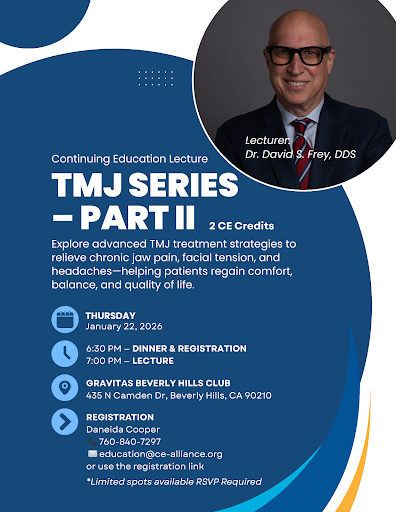
Continuing Education Lecture Overview
This in-person CE course builds on foundational TMJ concepts and explores advanced strategies for managing chronic jaw pain, facial tension, and headaches. The lecture emphasizes real-world clinical insight, interdisciplinary thinking, and patient-centered outcomes.
Attendees will gain practical knowledge that can be applied immediately in practice to help patients regain comfort, balance, and overall quality of life.
CE Credits:
2 Continuing Education Credits
Featured Lecturer
Dr. David S. Frey, DDS
Dr. Frey is widely recognized for his clinical work in TMJ treatment and complex occlusal cases. With decades of hands-on experience, he brings a practical, evidence-based approach to understanding jaw position, muscle dynamics, and functional balance to support long-term patient outcomes.
What You’ll Learn
This lecture is designed to move beyond surface-level TMJ education and focus on clinical insights that help dental professionals better diagnose, treat, and manage TMJ-related disorders. Attendees will walk away with a deeper understanding of how jaw mechanics, muscle function, and occlusion interact and how these factors influence long-term patient outcomes.
- Advanced TMJ treatment strategies for chronic jaw pain and facial tension
Learn how to evaluate complex TMJ cases and apply advanced treatment approaches that address underlying functional imbalances rather than just managing symptoms. - Clinical insight into TMJ-related headaches and muscular dysfunction
Understand how TMJ disorders contribute to headaches, facial pain, and muscle tension, and how targeted treatment can reduce chronic discomfort and improve patient quality of life. - The relationship between jaw balance, occlusion, and patient comfort
Explore how occlusal imbalances and jaw positioning affect muscle strain, joint stress, and overall function, and why restoring balance is critical for lasting results. - Practical considerations for incorporating TMJ and occlusal therapy into treatment planning
Gain actionable guidance on integrating TMJ evaluation and occlusal therapy into everyday dental practice, including patient assessment, case selection, and long-term care planning.
Event Details
Date:
Thursday, January 22, 2026
Schedule:
6:30 PM – Dinner and Registration
7:00 PM – Lecture
Location:
Gravitas Beverly Hills Club
435 N Camden Dr, Beverly Hills, CA 90210
Registration Information
Registration Contact:
Daneida Cooper
760-840-7297
[email protected]
Or register using the official registration link.
Limited spots available. RSVP required.
Who Should Attend
This Continuing Education lecture is designed for dental professionals who want to deepen their clinical understanding of TMJ disorders and improve patient outcomes through more precise diagnosis and treatment planning.
- General dentists and dental specialists who routinely encounter patients with jaw pain, headaches, facial discomfort, or occlusal concerns and want more advanced clinical insight
- Dental professionals interested in TMJ and occlusal therapy who are looking to strengthen their understanding of jaw mechanics, muscle function, and bite balance
- Providers seeking CE credits with immediate clinical relevance, especially those who value practical education that can be applied directly to patient care
- Clinicians aiming to expand their diagnostic and treatment approach to TMJ disorders, including complex or chronic cases that have not responded to traditional treatment methods
TMJ disorders often impact far more than the jaw, influencing sleep quality, facial comfort, posture, and overall patient well-being. TMJ Series – Part II offers a focused opportunity to advance your clinical expertise while earning CE credits in a professional, in-person setting.
Early registration is encouraged due to limited availability.
Discover How Advanced TMJ and Bite Reconstruction Can Restore Comfort, Function, and Beauty
When most people think about improving their smile, they imagine straightening teeth or whitening enamel. But for many patients, the real issue lies deeper, in the jaw alignment and bite structure. At Perfect White Smile, Dr. David Frey specializes in advanced TMJ treatment, bite reconstruction, and vertical dimension dentistry, helping patients rediscover comfort and confidence without the need for invasive jaw surgery.
Understanding TMJ Disorders and Bite Collapse
The temporomandibular joint (TMJ) connects your jaw to your skull and plays a critical role in speaking, chewing, and overall facial harmony. When this joint becomes misaligned, often due to bite collapse or an incorrect vertical dimension, it can lead to chronic symptoms such as TMJ pain, headaches, jaw tension, clicking sounds, tooth wear, and facial imbalance. These issues can make everyday life uncomfortable and affect both confidence and function.
How Dr. David Frey Restores the Perfect Bite Without Surgery
In the featured video below, Dr. Frey demonstrates a complex case involving a patient with a severely collapsed bite and limited space for proper closure. Instead of using surgical intervention, he applies a neuromuscular and physiologic dentistry approach to identify the patient’s ideal jaw position. Once the optimal vertical dimension of occlusion is determined, the treatment involves three key steps. First, the bite is safely opened to restore natural height and comfort. Second, stabilization is achieved as muscles and joints adapt to the corrected position. Third, the bite is carefully reconstructed with precise restorations to balance function and aesthetics. The result is a balanced facial profile, comfortable jaw movement, and a naturally beautiful smile.
Why This Approach Goes Beyond Traditional Cosmetic Dentistry
While traditional cosmetic dentistry focuses on the appearance of teeth, physiologic dentistry emphasizes the harmony between the teeth, jaw joints, and muscles. At Perfect White Smile, the goal is long-term health, not just short-term beauty. Dr. Frey’s holistic approach addresses TMJ relief, bite correction, jaw alignment, facial balance, and sustainable long-term cosmetic results. Patients who have been told their cases are too complicated often find lasting solutions with this method, without the need for surgery.
Real Transformation, Real Comfort
By restoring the correct bite and vertical dimension, patients often experience improved comfort, better posture, and enhanced facial appearance. Many report fewer headaches, reduced jaw pain, and a more youthful look, proving that true dental health is about both form and function.
Watch the Full Case Transformation
Watch the video below to see Dr. Frey’s detailed explanation and real patient results.
Perfect White Smile – Beverly Hills & Los Angeles
Book Your Consultation: Schedule Here
Call: 310-276-4537
Frequently Asked Questions (FAQs)
1. What is vertical dimension dentistry?
Vertical dimension dentistry focuses on restoring the natural height between the upper and lower jaws to ensure a functional and balanced bite. This process helps alleviate TMJ pain and enhances facial symmetry.
2. Can TMJ disorders be treated without surgery?
Yes. In many cases, non-surgical neuromuscular dentistry techniques, like those used by Dr. Frey, can realign the jaw and relieve TMJ discomfort effectively.
3. What causes bite collapse?
Bite collapse often results from tooth wear, missing teeth, or poorly fitted dental restorations that alter the natural alignment of the jaw.
4. How long does full-mouth reconstruction take?
Treatment timelines vary depending on the case, but most bite reconstruction procedures take several months. This allows time for stabilization and ensures precision in achieving a balanced bite.
5. Is this treatment only cosmetic?
No. While the results are aesthetically pleasing, the primary purpose of this treatment is functional. It improves comfort, jaw alignment, posture, and long-term oral stability.
Redefine Your Smile and Comfort with Perfect White Smile Cosmetic Dentistry in Beverly Hills Dr. David Frey
At Perfect White Smile, patient comfort, confidence, and health are always the top priority. Using advanced diagnostics and years of expertise in TMJ treatment, bite reconstruction, and vertical dimension dentistry, Dr. Frey provides lasting solutions to complex dental problems. If you are experiencing TMJ pain, worn teeth, or bite-related discomfort, it may be time to discover what’s possible with advanced physiologic dentistry, without surgery.
Our main offices is located in the city of Beverly Hills at at 433 N Camden Dr # 1070, Beverly Hills, CA 90210.
At Perfect White Smile, headquartered in Beverly Hills with offices in London and Dubai, we focus on combining the science of TMJ treatment with the art of cosmetic dentistry. This case study highlights a full-mouth restoration that showcases how our team of TMJ experts and cosmetic dentists rebuild smiles with precision, purpose, and beauty.
Watch the video below to witness the complete transformation and learn how TMJD-focused dentistry changed this patient’s life.
Full Bite Collapse Restored by TMJ Dentist and Cosmetic Dentist in Beverly Hills / Dr. David Frey DDS
This patient arrived at our Beverly Hills office with no teeth in the upper jaw and a severely collapsed bite. With dental implants already placed, there was virtually no space to build a new smile. This is where the expertise of a TMJ dentist becomes essential because the end result must have the jaw joint, muscles and the bite in a place of harmony or equilibrium.
The patient’s vertical dimension distance between his nose and chin had eroded, leaving the jaws too close together for restorations. A condition like this requires more than just surface cosmetic work. It demands a deep understanding of TMJ dentistry and bite mechanics.
How TMJ Treatment Rebuilds the Foundation for Cosmetic Dentistry
Before we could begin cosmetic reconstruction, we applied our advanced TMJ treatment techniques to reposition the jaw. By opening the bite strategically into a place that the muscles of the jaw are relaxed and the joint has space to open and close freely, we can create enough room for prosthetic teeth while relieving pressure on the temporomandibular joints. This is essential to avoid dental surgeons who will instead remove or cut away good bone to retrieve space for new teeth. They go the opposite way. Instead of allowing the jaw muscles to relax and get space, they keep the jaw in its pathologic position, removing jaw bone to gain space.
Using electromyography sensors and 3D CBCT diagnostics, our TMJ experts identified the correct bite alignment across six jaw movement dimensions. These included forward and backward shifts, lateral movement, vertical opening, as well as pitch, roll, and yaw. Proper alignment in all these areas is essential for both comfort and long-term results.
Cosmetic Dentist Restores Smile After Functional Bite Correction
Once the jaw was stable, our cosmetic dentistry team began crafting a full-mouth restoration designed to look as natural as it is functional. As a premier cosmetic dentist in Beverly Hills, we focus on harmony between aesthetics and anatomy.
Each tooth was custom-made to match the patient’s facial features, speech, and jaw position. The result was a smile that not only looked beautiful but also restored full function, improved comfort, and enhanced facial posture.
TMJ Dentistry: Combining Function and Aesthetics Across Beverly Hills, London, and Dubai
At Perfect White Smile / Dr. David Frey and team, we believe that true cosmetic results come from addressing the foundation first. Our approach to TMJ dentistry ensures that every restoration is backed by a stable, pain-free bite.
Whether you visit us in Beverly Hills, London, or Dubai, you can expect personalized care from a TMJ dentist who understands the complex relationship between joint health and cosmetic outcomes.
TMJ and Cosmetic Dentistry Frequently Asked Questions (FAQ)
- Why is TMJ treatment necessary before cosmetic dentistry?
Without treating TMJ disorders, cosmetic work may not last or may lead to further jaw problems. Stability comes before aesthetics. - What is a TMJ dentist and how are they different?
A TMJ dentist specializes in diagnosing and treating disorders of the temporomandibular joint, often using advanced imaging and jaw analysis. - What role does vertical dimension play in TMJ cases?
Vertical dimension is the height between your upper and lower jaw. If it collapses, it affects joint health, appearance, and tooth function. - Is cosmetic dentistry painful?
With modern techniques and proper TMJ management, most procedures are comfortable and recovery is smooth. - Do you offer TMJ and cosmetic dental services internationally?
Yes. Our offices in London, Dubai, and Beverly Hills all offer full TMJ dentistry and cosmetic dentistry services. - Can bite misalignment or a collapsed bite cause long-term damage if not treated?
Yes. A collapsed or misaligned bite can create uneven pressure on teeth, leading to enamel wear, cracked teeth, receding gums, or even tooth loss. Over time, the jaw joints and surrounding muscles may also suffer, potentially resulting in chronic joint pain, headaches, and progressive joint degeneration. Addressing the structural issue early can prevent more invasive treatments later. - What diagnostic tools are used to evaluate TMJ problems before a smile restoration?
A proper TMJ evaluation includes a clinical exam that checks for jaw movement, joint noise, muscle tenderness, and bite function. Diagnostic imaging such as panoramic X-rays, cone beam CT scans, or MRI may be used to examine the bones, joints, and soft tissues. Digital jaw tracking and bite analysis tools are also used by TMJ dentists to locate the optimal bite position. - Is surgery required for most TMJ treatment cases?
No. Most TMJ disorders can be managed with non-surgical treatments. These include oral appliances, jaw exercises, physical therapy, stress reduction, and bite repositioning. Surgery is considered a last resort and is typically recommended only when joint structures are severely damaged or when conservative therapy has not worked over time. - Can someone have TMJ dysfunction without experiencing pain?
Yes. Not all TMJ problems present with pain. We call them sign vs. symptoms. We see signs all the time on patients who never experience any symptoms. Some patients may experience stiffness, uneven biting, jaw fatigue, or ear-related symptoms such as ringing or fullness. Others may notice that their teeth are wearing down or shifting, even if they feel no discomfort. Regular evaluations are important, especially before undergoing cosmetic dental work. - What are the risks of starting cosmetic dentistry without TMJ evaluation?
If TMJ issues are not addressed before cosmetic restorations, you risk that the new bite may be unstable. This can lead to failed restorations, discomfort, or worsening joint problems. Without stabilizing the bite, patients may experience cracking or shifting of crowns and veneers, muscle tension, or recurrence of bite collapse. Functional diagnostics are essential to avoid complications and ensure long-term success.
A Life-Changing Smile, Backed by TMJ Expertise and Cosmetic Artistry
This case is one of many that show how a collapsed bite and missing teeth can be completely transformed with the right blend of TMJ treatment and cosmetic dentistry. Our team of specialists in Beverly Hills, London, and Dubai provide comprehensive care that restores not only smiles but lives.
If you are suffering from jaw pain, bite issues, or are unhappy with your smile, contact a trusted TMJ expert at Perfect White Smile. We are committed to helping patients achieve healthy, stable, and beautiful smiles—built to last.
How to know when it’s time for a true TMJ focused dentist—before symptoms get worse.
TMJ symptoms can be confusing. Some feel like dental problems, others feel like headaches, sinus issues, or even ear infections. Many patients bounce between MD doctors, ENTs, neurologists, physical therapists, psychiatrists, nutritionists, sleep pulmonologists, chiropractors, and general dentists before discovering the root cause: a TMJ disorder that needs a trained TMJ dentist.
Below is a clear, patient-friendly guide that shows the seven biggest red flags—and exactly when you should seek a TMJ focused dentist rather than continuing with general care from an MD that doesn’t help.
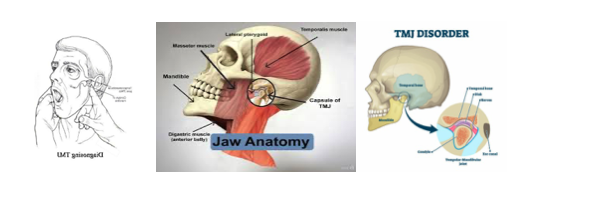
1. Jaw Pain That Doesn’t Go Away
You may feel:
- Face pain or muscle aching or throbbing
- Head-aches around the temples (temporalis) or back of the head (occipital)
- Pain that gets worse when talking or chewing
See a TMJ dentist when:
- Pain lasts more than 7–10 days
- Pain gets worse or on a scale from 1 to 10 it’s a 6 or higher
- You have flare-ups that keep returning- like every morning
Why: Persistent jaw pain often comes from abnormal joint movement, inflammation, or muscle strain—issues general medical doctors rarely evaluate fully. Its difficult for an MD to measure an imbalance between the muscles of the head and neck, the jaw joint position and how your teeth come together. All three of these when out of balance can create severe muscle pain.
2. Clicking, Popping, or Grinding Sounds in Your Jaw
Occasional clicks are normal. Repeated or loud clicks are not.
These sounds often mean the jaw disc is slipping or the joint is unstable.
See a TMJ dentist when:
- You hear clicking/popping every day
- Your jaw shifts, deviates or feels “off track”
- The sound is accompanied by pain
A TMJ dentist can evaluate whether the disc is displacing—a key step to preventing long-term joint damage. An MRI or CBCT can determine this fact.
3. Jaw Locking or Limited Opening
Jaw locking—whether it locks open or closed—is one of the clearest signs of true TMJ dysfunction
Limited opening — if you cannot put more than two fingers in your mouth, you have a limited opening.
See a TMJ dentist immediately when:
- Your jaw won’t open fully
- It catches or locks repeatedly
- You feel resistance when trying to open wide
This is often caused by a displaced jaw disc or inflammation inside the joint. Early intervention prevents permanent limitation.
4. Headaches and Neck Pain That Feel Like Tension, Migraines, or Pressure
TMJ headaches typically show up as:
- Tight pressure around the temples and the back of the head or in the neck
- Pain behind the eyes
- “Band-like” tension around the head and neck
- Headaches that worsen later in the day or you wake up with a headache
See a TMJ dentist when:
- You’ve tried migraine or sinus treatments with little relief
- Headaches start with or worsen after jaw activity-chewing makes it worse
- You wake up with morning headaches
The jaw muscles connect directly to the head and neck—so TMJ strain often shows up as migraines or tension headaches. This is often missed by medical doctors as four main muscles attach to the lower jaw. A bad bite, deep bite, overbite or overjet can be an indicator of a bite that is not in harmony with the muscles of the head and neck.
5. Ear Pain, Fullness, Dizzyness (Vertigo) or Ringing (Tinnitus)
Because the TMJ should sit 3 or 4 millimeters from the ear canal, inflammation can mimic ear infection symptoms.
You may feel:
- Earaches
- Pressure or fullness
- Ringing or buzzing in the ears (tinnitus)
- Dizzyness or Vertigo
See a TMJ dentist when:
- An ENT tells you your ears are healthy
- Ear pain fluctuates with chewing or jaw movement
A TMJ dentist can identify joint inflammation that doctors often overlook. The dentist can also measure the distance from joint to the ear canal using a CBCT X-ray and determine if enough space exists or not.
6. Facial Pain/Soreness or Muscle Fatigue
Symptoms can include:
- Soreness in the cheeks, temples, or jawline
- Tired muscles when chewing
- Facial tightness, especially in the morning
See a TMJ dentist when:
- You suspect clenching or grinding
- Massage or stretching only offers temporary relief
Excessive muscle activity—often from stress or jaw imbalance—needs targeted treatment to prevent worsening.
7. Difficulty Chewing or Suddenly “Uneven” Bite
Trouble chewing can signal significant bite changes or joint instability.
You may notice:
- Food is harder to chew than before
- Your bite feels different day to day
- You’re chewing only on one side
See a TMJ dentist when:
- Chewing feels painful or physically difficult
- You feel your bite shifting
- You start avoiding certain foods or eating on one side only
This often means the jaw joint is no longer functioning smoothly.
Why a TMJ Dentist (Not a General Dentist) Matters
A TMJ focused dentist has advanced training in:
- Jaw joint mechanics
- Bite alignment
- Muscle function
- Neuromuscular dentistry
- Oral appliance therapy
- 3D imaging (CBCT) of the TMJ
General dentists focus on teeth. TMJ dentists focus on the entire system that controls your bite, jaw function, and overall comfort of muscle data. Muscle data can be assessed using EMG or electromyography which are sensors that go over the muscles.
What a TMJ Dentist Will Do During Your Visit
Expect a comprehensive evaluation that may include:
- Jaw joint exam
- Muscle data exam
- Bite analysis
- Range-of-motion testing
- Cone beam 3D imaging
- EMG Electromyography testing
- Evaluation for clenching/grinding
- Review of posture and airway factors
You’ll also get a personalized treatment plan, which may include:
- Custom appliances that are in harmony with the muscles, jaw joint and the bite
- Bite balancing
- Muscle relief therapy
- Anti-inflammatory protocols
- Home care instructions and exercises
- Long-term rehabilitation which may involve orthodontics or porcelain restorations
When to Call a TMJ Focused Dentist Right Away
Seek help as soon as possible if you have:
- Jaw locking
- Severe pain when chewing
- Sudden bite changes
- Daily headaches or chronic neck pain
- Ear symptoms with no ENT findings like vertigo or tinnitus
TMJ problems rarely resolve on their own if you are structurally out of alignment—but they’re highly treatable with early care.
Ready for Relief? See a TMJ Dentist and Expert in Beverly Hills Today
If you’re experiencing any of these symptoms, a TMJ evaluation can prevent long-term joint damage and significantly improve your quality of life. Book an appointment today with one of Beverly Hills best TM dentist, Dr. David Frey!
TMJ dysfunction is one of the most underdiagnosed conditions in dentistry. Many patients in Beverly Hills and Los Angeles first seek help for chronic headaches, migraines, ear symptoms, or facial pain and tension without realizing the jaw joint is the root cause. TMJ disorders occur when the jaw joint, surrounding bone, muscles, or bite mechanics become inflamed or imbalanced. They should be in a “zone of comfort” or harmony position between the muscles of the head and neck, the TMJ or Temporal-mandibular Joint and the bite!. These issues can affect women at significantly higher rates and often worsen when combined with stress, clenching, grinding, or an unstable bite. This FAQ breaks down everything patients ask—from everyday symptoms to advanced diagnostic imaging questions. Whether you are exploring TMJ treatment, evaluating cosmetic dentistry solutions, deciding on orthodontic braces or Invisalign or simply trying to understand the cause of your discomfort, you will find clear and complete answers below.
What is the TMJ?
The TMJ is the temporal mandibular jaw joint that allows chewing and speaking. The temporomandibular joint connects your lower jaw to your skull and controls jaw movement. When the joint or surrounding muscles become tight, strained, inflamed, or misaligned, it can trigger TMJ disorder.
What causes TMJ disorders?
TMJ can develop from clenching, stress, injuries, arthritis, or bite misalignment problems. Common causes include bruxism, stress, trauma, joint inflammation, disc displacement, misaligned teeth, and airway-related clenching.
What are the most common TMJ symptoms?
Muscle pain, clicking, popping, headaches, limited jaw movement, and ear symptoms like dizziness (vertigo), ringing in the ears (tinnitus) are common. Patients may experience headaches, jaw sounds, chewing pain, facial tension, locking, limited opening, neck pain, or ear pressure or fullness.
Can TMJ cause headaches or migraines?
Yes. TMJ muscle strain often triggers tension or migraine-like pain. Overactive jaw muscles can radiate pain to the temples, forehead, and behind the eyes. Many doctors mistakenly prescribe medication to help alleviate chronic migraines and headaches instead of looking at the patients bite for signs of this joint or muscle imbalance like lower teeth crowding, wear facets on the lower anterior teeth, inward tipping of the lower teeth, narrow dental arches and more.
Why is TMJ more common in women?
Hormonal and connective tissue differences contribute to higher risk. Studies show women experience TMJ disorders at significantly higher rates due to biological, structural, and hormonal factors. We believe that structural muscle position may be the most common reason. The muscles can become fatigued or tired if not worked out or strengthened around the head and neck. Trying to hold a mis-aligned muscle position on weak muscles will result in signs like headaches, neck pain, and facial pain especially around the joint position. Physical therapists known as myo-functional therapists can assist in strengthening and stabilizing the muscles around the head and neck.
Can TMJ cause ear symptoms like ringing in the ears (tinnitus), dizziness (vertigo), or ear fullness?
Yes. The TMJ sits adjacent to the ear canal and shares nerve pathways and a shared ligament known as the discomalleolar ligament (DML), a ligament that connects the malleus (a middle ear bone) to the temporomandibular joint (TMJ). It is also known as the “tiny ligament” or “Pinto ligament,” and it connects the malleus to the articular disc and capsule of the TMJ via the petrotympanic fissure. Inflammation from this ligament that sits near the ear can cause tinnitus, pressure, clogged sensation, or ear pain.
Can TMJ affect your teeth or bite?
TMJ can cause extreme tooth wear, shifting/crowding, and bite changes. Dentists can look at the teeth to help diagnose TMJ. These teeth changes that have occurred over time show what the muscles of the head and neck when these teeth obstacles get in the way of over active muscles try to find a comfortable position to relax. Over-active muscles and bite imbalances often lead to chipped teeth, worn enamel, lower crowding, narrow dental aches or changing bite patterns.
Can cosmetic dentistry help TMJ disorders?
When done correctly, yes—bite-balanced cosmetic dentistry reduces joint strain and is able to relax over-active muscles of the head and neck.. Restorations such as veneers, crowns, can improve bite and chewing function and relieve jaw stress when restored in a physiologic correct position. This corrected physiologic position, known as the “zone of comfort” is in balance with the muscles of the head and neck and the joint position.
What is TMJ density in dental imaging?
TMJ density refers to the bone strength and thickness of the jaw joint. Dentists analyze the density of the condyle and joint socket using imaging tools to evaluate joint health. The most common tool used is Cone Beam Computed Tomography known as a CBCT. This 3-D x-ray can be used to see through the bone for changes like erosion of the TMJ or where it is placed in the glenoid fossa or joint housing. Many times, excess bone growth occurs known as osteophytes that look like bone spurs on the joint. This is a sign of excess forces on the TMJ and a lack of harmony with the muscles and the bite.
How is TMJ bone density measured?
CBCT and MRI scans are the primary tools for evaluating TMJ bone density. 3D imaging evaluates condylar bone thickness, joint shape, and surrounding structures for signs of thinning, erosion, or inflammation. This is easily seen with a CBCT and a diagnosis can be made. Many dentists now have this expensive, sophisticated, diagnostic tool in their dental offices and is now becoming the standard of care to help patients with TMJ, muscle and bite issues.
What is the difference between TMJ density and bone quality?
Density measures thickness; bone quality includes overall structural health. Bone quality accounts for mineralization, blood supply, structural integrity, and resilience. The TMJ has a cortical layer of bone around the joint that can be seen if it is intact or not. The actual part of the TMJ is known as the condyle and look like a thumb. When the condyle of the TMJ is bent, overly large, overly small or eroded can be seen with the CBCT.
What are the best imaging tests for TMJ?
CBCT is best for hard tissue; MRI is best for soft tissue. A combined CBCT and MRI approach provides the most complete evaluation. Many dentists can determine if enough space is available for soft tissue using the CBCT. The condyle of the joint needs space to move freely in the joint space. The articular disc should be able to sit on top of the condyle and move freely. The CBCT can measure this space to determine if the joint has space or not. Even though the MRI may be even more exact for determining the health of the soft tissue around the condyle, the CBCT can give the dentist enough diagnostic information about the soft tissue that exists around the condyle of the TMJ, to treat a patient successfully.
How does low TMJ bone density affect jaw function?
Low density can weaken joint stability and worsen pain or clicking. Patients may experience difficulty chewing, increased inflammation, bite shifts, or a higher risk of degenerative changes. Its important to align the jaw on track with the muscles of the head and neck for a smooth open and close function. The bones of the TMJ should not interfere with any other bony obstacles, like the bones of the skull, during this movement.
How is TMJ diagnosed?
Diagnosis includes a thorough dental exam that asks a host of questions from a detailed medical history to an exact location of the pain around the head and neck. Understanding the frequency of this pain and how intense the pain is. Looking intensely at the existing bite with a clinical exam is also beneficial. Narrow dental arches, wear facets on the teeth, lower anterior tooth crowding and more is very important to determine if a muscle imbalance exists. Using a CBCT to evaluate the jaw joints is just the tip of the iceberg when reading this 3-D x-ray. We need to also look at the health of the teeth roots, sinuses, airway space, and neck posture which can all help diagnose the origin of the patients TMJ. It is also important to assess the muscles with EMG (electromyography) sensors. These sensors can determine muscle activity and whether over activity exists during resting of the jaw or when the jaw is in a closed position with the teeth barely touching.
How is TMJ treated?
We like to use the mnemonic SHAME! Soft diet, Heat compresses, Analgesics like Advil, Mouthguard and Exercises. Implementing all 5 letters at once is a very good remedy to helping alleviate the symptoms of TMJ. Options include orthotics or a mouthguard that is balanced with the bite, and physical therapy such as exercises. Understanding that a simple mouthguard will not necessarily remedy the pain from TMJ because the mouthguard needs to be placed in a physiologic correct jaw position where the muscles are relaxed and calm. The mouthguard should also be balanced correctly as the back or posterior molars should contact first without any teeth in the anterior or front contacting. Patients should function on these mouthguards so they can eat and speak with them. Using their own habitual bite position to eat will only exacerbate the pathology in the joint and therefore we try and avoid that from happening.
Is surgery required for TMJ disorders?
Rarely. Most cases improve with non-invasive treatment. Surgery is reserved for severe structural damage or joint degeneration. Many neuro-muscular dentists can resolve these cases without surgery.
Can TMJ disorders go away on their own?
Mild cases may improve, but chronic cases usually require treatment. Early care prevents long-term damage. You need to understand the difference between signs and symptoms. The pain experienced with TMJ is a sign. Many patients have TMJ but never experience any pain. Going away may just mean that you don’t feel any pain but the imbalance of the joint, muscles and bite still exist and will continue to deteriorate without intervention.
Is TMJ related to posture?
Forward head posture often increases jaw strain. Poor posture shifts jaw alignment and creates chronic muscle tension. The effects of this is easily seen on a CBCT as calcifications of the stylo-hyoid ligament or a ring of bone on C1 known as ponticulus postulus is noticed. This is a sign of an improper bite alignment that can affect the posture of the neck. The bite plane is almost at the same level as C1 or C2. When the bite plane is not level it can affect how the head is held above the spine. The head weighs 10 pounds which is as heavy as a bowling ball and if the bite is not level with the horizontal plane it can add ten pounds of pressure for every inch forward.
Can TMJ cause dizziness?
Yes. TMJ inflammation can affect balance centers. Nerve pathways near the joint can influence balance and spatial orientation. The TMJ sits adjacent to the ear canal and shares ligament known as the discomalleolar ligament (DML), a ligament that connects the malleus (a middle ear bone) to the temporomandibular joint (TMJ). It is also known as the “tiny ligament” or “Pinto ligament,” and it connects the malleus to the articular disc and capsule of the TMJ via the petrotympanic fissure. Inflammation from this ligament that sits near the ear can cause tinnitus, pressure, clogged sensation, or ear pain. Ouch!
Are nighttime habits linked to TMJ?
Grinding and clenching during sleep are major indicators that something is not right. This is a major sign that the muscles of the head and neck are not balanced with the bite. Even though stress can often exacerbate the parafunctional habit of clenching or bruxing, it is not the cause. The cause is most often from a structural misalignment between the muscles and the bite.
Can stress make TMJ worse?
Stress triggers clenching, tightening muscles, and increasing pain. Emotional tension is a major TMJ trigger. Stress can exacerbate the symptoms of TMJ but is not the cause.
How long does TMJ treatment take to work?
Relief may begin immediately with the right TMJ trained dentist! Making a mouthguard that is just not a piece of plastic over the teeth but instead is actually aligned with the muscles of the head and neck and the bite. This is done using sophisticated medical equipment that can help the dentist determine where the jaw needs to be repositioned so that it is in the “zone of comfort”. Once this happens, patients report immediate relief in areas of discomfort or pain. Each patient has a different degree of comfort and is usually very positive to continue treatment within weeks, but full stabilization takes longer. Progress depends on severity and treatment type.
Does untreated TMJ get worse?
It can lead to worsening pain and joint degeneration. Chronic inflammation may accelerate arthritis or bite collapse. Yes but the pain may subside over long periods of time and patients learn to live with it not functioning correctly.
Can TMJ affect facial appearance?
Yes. TMJ can change muscle symmetry and jaw posture. Overactive muscles or joint imbalance can alter facial aesthetics. Patients often notice one side of their jaw more pronounced than the other side. This can be from muscle strength imbalance or from a deviated jaw position.
Should I see a dentist or a doctor for TMJ?
A TMJ-trained dentist is the most qualified for bite-related TMJ issues. Dental specialists address the structural causes behind most TMJ dysfunction. Its a deep rabbit hole of education and finding a well trained dentist is key.
TMJ Disorders Can Go Unnoticed
TMJ disorders can impact comfort, bite function, facial balance, and overall well-being. Many patients live with symptoms for years without realizing the TMJ is the source. Advanced imaging such as CBCT and MRI now allow dentists to evaluate TMJ density, bone quality, joint stability, and muscle strain with accuracy. Whether your symptoms come from clenching, inflammation, bite issues, or structural bone changes, an experienced TMJ and cosmetic dentist can help restore stability and relief.
Schedule TMJ Evaluation in Beverly Hills, Los Angeles
If you are experiencing TMJ pain, headaches, jaw clicking, bite changes, or facial tension, expert evaluation with David Frey DDS can make a significant difference.
Perfect White Smile – Cosmetic & TMJ Dentistry Beverly Hills
433 N Camden Dr Suite1070
Beverly Hills, CA 90210
Phone: (310) 737-8787
Headaches and migraines are among the most common complaints I hear from patients walking into my Beverly Hills dental office. Many of them have already seen neurologists, ENT specialists and primary-care doctors across Los Angeles, often without long-term relief. What they rarely expect is that the source of their pain may be sitting just millimeters away , within the temporomandibular joint, often known simply as the TMJ or TMD and its an imbalance between the muscles, the joint and bite.
As a dentist providing TMJ dentistry in Beverly Hills, I routinely treat patients who struggle with chronic headaches, migraines, facial pain and tension that have been traced back to TMJ dysfunction. What surprises many is how often the jaw joint and the muscles are the hidden driver of discomfort that disrupts work, sleep, and daily life , especially for women, who statistically experience TMJ disorders at significantly higher rates.
This article is based on the video below, breaks down the powerful connection between the jaw joint and head pain, explains why patients in Beverly Hills and Los Angeles are uniquely prone to TMJ-related symptoms and outlines what a comprehensive TMJ-focused dental evaluation can uncover.
Why TMJ Disorders Trigger Headaches and Migraines
The TMJ is a complex hinge joint connecting the jaw to the skull, powered by the chewing muscles that run through the temples, cheeks and lower face. When this joint becomes compressed, eroded or the disc slips from this imbalance, grinding, clenching, stress or mechanical dysfunction can activate the same nerve pathways that migraines and tension headaches follow.
This is particularly true in Beverly Hills and Los Angeles, where high-pressure lifestyles, long work hours, digital devices, and nightly grinding patterns place heavy strain on the jaw muscles. A patient may think they have a “sinus headache” or “stress migraine,” from sitting behind a desk to long, but the trigger often lies in the jaw not in balance with muscles or the bite.
When the muscles surrounding the TMJ contract for hours or days at a time, pain radiates upward into the temples, forehead, and even behind the eyes. Because these muscles share the same cranial nerve, the trigeminal nerve #5 , the same nerve involved in migraine activation , TMJ disorders can be the cause of these headaches.
For many of my Beverly Hills TMJ patients, addressing the jaw dramatically reduces or eliminates their long-standing headache symptoms and neck pain.
Why TMJ Disorders Affect More Women Than Men
Women between 15 and 45 are disproportionately affected by TMJ disorders. Hormonal fluctuations, stress patterns and differences in muscular strength are all believed to contribute. In my Beverly Hills TMJ practice, the majority of patients seeking relief from jaw pain, migraines, or clenching-related headaches are women , often busy professionals balancing demanding careers, cosmetic concerns and high levels of daily stress.
Because migraines are also more common in women, the overlap between TMJ dysfunction and recurrent head pain is especially significant.
The Symptoms Most Common in Beverly Hills TMJ Patients
Patients experiencing TMJ-related headaches typically report a pattern of symptoms that gradually become more noticeable over time. I often hear variations of the following from patients across Beverly Hills and Los Angeles:
- “My headache starts at my temples and spreads behind my eyes or in the back of my head.”
- “My jaw feels tight or tired when I wake up.”
- “I hear clicking or popping when I chew or yawn.”
- “My headaches are constant or every day.”
- “My ear feels full, but my ENT says everything looks normal.”
Many of these patients have previously treated the symptoms , but not the root cause. It is only after a TMJ-focused evaluation that the patterns begin to make sense.
Why Beverly Hills and Los Angeles See Higher Rates of TMJ-Related Headaches
Living or working in Beverly Hills or Los Angeles creates a very specific set of lifestyle and environmental factors that increase the risk of TMJ problems:
High stress levels
Stress increases unconscious clenching and grinding, especially during sleep. Even though stress can exacerbate the symptoms, the root cause is the imbalance between the muscles, the bite, and the joint.
Cosmetic and facial-symmetry awareness
Patients who seek cosmetic dentistry in Beverly Hills are often surprised to learn that TMJ dysfunction can affect facial proportions, create muscle enlargement, or contribute to asymmetry.
Digital lifestyles
Hours spent looking down at phones, computers or cameras strains the jaw and neck, tightening the muscles that trigger headaches. This is known Text Neck!
Nighttime bruxism
Clenching and grinding at night is extremely common in Los Angeles professionals, making TMJ management essential.
How a Beverly Hills TMJ Dentist Evaluates Headache-Related Jaw Pain
When patients come to my Beverly Hills TMJ dentistry practice complaining of headaches or migraines, I perform a comprehensive evaluation that goes far beyond a standard dental exam. This includes:
- Assessing jaw mechanics, including clicking, popping, and range of motion
- Reading a Cone Beam X-ray or CBCT is essential to looking at the TMJ and seeing if the condition of the joint looks normal or lacks space in the joint space.
- Evaluating the chewing muscles for tenderness or spasm- We use electromyography sensors or EMG to assess if the muscle activity is constantly high or not.
- Identifying bite imbalances or signs of excessive grinding. Deep bites, overbites, overjets, an uneven bite plane, lower crowding, and tipped inward molars and bicuspids are all signs!
- Reviewing headache timing and behaviors such as chewing, talking or yawning
This type of exam is often the missing piece for Los Angeles patients who have visited multiple medical specialists without finding answers.
Effective TMJ Treatment Options for Reducing Headaches
Once we identify jaw-related factors contributing to headaches, TMJ treatment can begin. TMJ dentistry in Beverly Hills always prioritizes conservative, reversible therapies before considering anything invasive.
The most effective solutions often include:
Custom night guards
Designed to reduce clenching and protect the TMJ from nighttime overload. This is not just a piece of plastic over the teeth. We move the lower jaw into a more physiologic position that is in harmony with the muscles and the joint. From this position, the patient should feel more relaxed and lack the urge to clench or brux.
Jaw relaxation training or Exercises
Patients learn how to reduce daytime clenching patterns with exercises, which is common in high-stress LA environments. Daily routine exercises will help stretch the ligaments and aid in range of motion.
Targeted muscle therapy with Heat
Gentle massage, stretching, heat therapy and trigger-point release can provide rapid relief.
Posture and lifestyle adjustments
Small changes in work habits and sleep routines can greatly reduce jaw strain.
Collaborative care
When appropriate, I coordinate with Beverly Hills neurologists, ENT specialists and physical therapists to create a comprehensive plan.
For many patients, these approaches dramatically reduce , or completely resolve , long-standing headaches and migraine patterns.
Why Cosmetic Dentistry Patients Should Be Screened for TMJ Disorders
As a cosmetic dentist in Beverly Hills, I emphasize the importance of TMJ stability before patients consider veneers, smile makeovers or facial-aesthetic procedures. If the jaw joint is unstable or inflamed, it can disrupt cosmetic results, accelerate wear on new restorations, or even alter facial appearance over time.
A beautiful smile begins with a stable bite and a healthy jaw joint. This is why cosmetic dentistry and TMJ dentistry work hand-in-hand in our Beverly Hills practice.
When You Should Seek a TMJ Dentist in Beverly Hills or Los Angeles
Consider a TMJ evaluation if you experience:
- Frequent headaches or neck pain
- Morning jaw tightness
- Clicking or popping in the jaw
- Eye-area or temple-area pain
- Ear symptoms with no ear infection
- Dizzyness or ringing in the ears ( tinnitus)
- Facial fatigue or soreness
- Difficulty chewing or opening fully
Ignoring TMJ symptoms can cause them to escalate over time. Early evaluation is the key to long-term relief.
Relief Is Possible When We Address the Jaw
For many patients in Beverly Hills and Los Angeles, chronic headaches and migraines are not simply neurological , they are dental in origin. Understanding the jaw-joint connection opens the door to effective, lasting relief.
If you suspect your headaches may be coming from your jaw, or if you want a comprehensive TMJ evaluation from a dentist who treats these patterns every day, our Beverly Hills practice is here to help. TMJ dentistry is one of the most impactful ways we restore comfort, balance, facial harmony and overall quality of life.
Persistent jaw pain. Clicking while chewing. Facial discomfort that won’t go away. These are common signs pointing to temporomandibular joint (TMJ) disorders, and yet most people go months, or even years, without a clear diagnosis. The truth is: diagnosing TMJ disorders requires precision, and that precision comes from one powerful tool, a TMJ MRI.
At Perfect White Smiles, our dental specialists combine art, technology, and expertise to identify the root cause of your TMJ symptoms. In this guide, you’ll learn everything about what a TMJ MRI is, how it works, and why it could be the key to ending your jaw pain for good.
Understanding TMJ and Its Symptoms
The temporomandibular joint connects your jawbone to your skull, acting like a sliding hinge. It’s responsible for everyday actions like talking, chewing, and smiling. When the joint or surrounding muscles misalign or become inflamed, you may experience symptoms such as:
- Difficulty or pain while opening/closing your mouth
- Clicking or popping sounds in the jaw
- Jaw locking or stiffness
- Headaches, earaches, or facial tension
These symptoms can mimic other issues like ear infections, sinus problems, or dental pain, which is why accurate imaging is crucial for correct diagnosis.
What Is a TMJ MRI?
A TMJ MRI (Magnetic Resonance Imaging) is a non-invasive scan that uses magnetic fields and radio waves to generate detailed images of both soft and hard tissues in your jaw joint. Unlike X-rays or CT scans, an MRI doesn’t use radiation and can visualize soft tissues, like muscles, ligaments, and the articular disk, that traditional imaging can’t.
Key advantages of a TMJ MRI:
- Captures high-definition images of cartilage, muscles, and the joint disk
- Detects inflammation, misalignment, and early-stage tissue damage
- Helps dentists create personalized and minimally invasive treatment plans
At Perfect White Smiles, we use high-resolution dental MRI imaging systems designed specifically for evaluating TMJ disorders, producing clarity that standard hospital MRIs often fail to achieve.
Why a TMJ MRI Is Essential for Diagnosis
A TMJ MRI plays a critical role in uncovering the root causes of jaw pain and dysfunction. While traditional dental exams or surface imaging can identify only structural abnormalities, MRI technology goes several layers deeper, revealing what’s happening inside the joint itself.
Through detailed visualization of the articular disc, soft tissues, ligaments, and joint capsule, an MRI helps your dentist detect subtle abnormalities such as disc displacement, fluid buildup, or inflammation. These insights lead to early diagnosis and more personalized treatment.
For patients, this means faster relief, prevention of long-term damage, and treatment plans grounded in precise, evidence-based data, not guesswork or outdated imaging.
Is a TMJ MRI Safe for Everyone?
A TMJ MRI is considered one of the safest diagnostic imaging methods available. It does not use radiation, instead, it relies on magnetic fields and radio waves to produce detailed joint images. Unlike CT scans or X-rays, there’s no exposure to harmful rays, making it perfectly suitable for repeated evaluations if needed.
The procedure is safe for most patients, though those with certain medical implants (such as pacemakers or specific metal devices) should notify their dentist before scheduling the MRI. Modern dental materials, braces, and fillings are typically MRI-compatible, so most patients can proceed without concern.
Your dental specialist will review your medical history to ensure complete safety and comfort throughout the imaging process.
What Makes TMJ MRI Different from Other Imaging Methods
| Imaging Type | What It Shows | Radiation Used | Best For |
| X-ray | Bone structure | Yes | Detecting fractures |
| CT Scan | 3D bone anatomy | Yes | Bone abnormalities |
| Ultrasound | Muscle movement | No | Surface analysis |
| TMJ MRI | Soft and hard tissues | No | Complete joint assessment |
Beyond avoiding radiation, a TMJ MRI provides superior medical accuracy by capturing both soft tissue and dynamic movement within the joint. While CT scans and X-rays are excellent for identifying bone-related issues, they cannot visualize cartilage, ligaments, or the articular disc, the very elements responsible for TMJ disorders. MRI technology shows subtleties such as disc displacement, early inflammatory changes, and muscle involvement, helping dentists tailor treatments before structural damage worsens.
What to Expect During a TMJ MRI
A TMJ MRI is a smooth and comfortable procedure that typically takes 30 to 45 minutes to complete for both joints. Patients are asked to lie still while the MRI machine captures detailed images from various angles.
- Before the scan: You’ll be asked to remove any metal accessories such as jewelry, glasses, or hairpins. A dental specialist will position your head comfortably to ensure clear imaging of both joints.
- During the scan: The machine may make rhythmic tapping or humming sounds as it operates. Earplugs or headphones are usually provided to reduce the noise and help you relax.
- Comfort and positioning: You’ll be comfortably supported throughout, and most patients find the process painless. The technician will communicate with you through an intercom to ensure your comfort and guide you during the procedure.
- After the scan: You can resume normal activities immediately. There’s no recovery time or restrictions once the MRI is finished.
This simple, non-invasive process ensures clear, high-quality images that allow your dentist to accurately assess the health and alignment of your jaw joint.
When Should You Get a TMJ MRI?
You don’t need to wait until jaw pain becomes unbearable to explore imaging. Early TMJ MRI screening can prevent long-term joint deterioration and chronic discomfort. Consider scheduling a TMJ MRI if you notice any of the following warning signs:
- Persistent or recurring jaw pain or tenderness
- Clicking or popping during chewing or speaking
- Difficulty opening or closing your mouth fully
- Facial headaches or pressure around the temples and ears
- History of jaw trauma or prolonged teeth grinding
- Uneven bite or recent orthodontic changes that altered jaw alignment
Early imaging not only helps confirm or rule out TMJ disorders but also identifies issues before they progress, making treatment easier, faster, and more effective.
Unique Insights on TMJ MRI Technology
Here’s something most patients don’t know: A TMJ MRI can detect disk displacement before symptoms become moderate or severe. That means early intervention can prevent long-term joint damage.
Our imaging systems also capture dynamic movement, watching how your jaw joint moves in real time. This ability to “see the motion” uncovers subtle dysfunctions that static X-rays often miss.
This combination of early detection and motion analysis makes TMJ MRI one of the most advanced diagnostic tools available today.
Ready to Take the First Step?
Jaw pain shouldn’t define your days. It’s time to diagnose precisely and treat effectively with a TMJ MRI at Perfect White Smiles.
If you’ve been ignoring symptoms or struggling with ongoing discomfort, book your consultation today. Our caring dental professionals are here to guide you through every step, from diagnosis to complete relief.
Call us today at (310) 737-8787 or visit us at
Beverly Hills Office
433 N Camden Drive Suite 1070
Beverly Hills, CA 90210
London Office
40-41 Wimpole St
Marylebone, London w1g 6BG
to schedule your TMJ MRI appointment and start smiling pain-free again.
FAQs
Will insurance cover my TMJ MRI?
In most cases, yes. We help patients navigate insurance claims for TMJ diagnostics and communicate with your provider to minimize out-of-pocket expenses.
Can I do the MRI if I have braces or a metal implant?
Yes, but we’ll evaluate the type of metal. Many modern dental materials are MRI-safe, and our team always confirms before scheduling your scan.
How soon will I get results?
You’ll receive a complete diagnostic explanation on the same day as your scan, no waiting weeks for results.
Is treatment always surgical?
Rarely. Our focus is on non-invasive TMJ therapy, including custom splints, muscle relaxation techniques, physiotherapy, and bite correction, all based on your MRI analysis.
Do I need to prepare before my MRI scan?
No special preparation is needed. You may be asked to remove metal accessories such as earrings, eyeglasses, or piercings before the scan for safety and image clarity.
Can TMJ disorders heal without an MRI?
Some mild TMJ issues improve with rest, stress management, or splint therapy. However, without an MRI, it’s difficult to know whether deeper joint damage or disk displacement exists, making early imaging a smart step toward lasting relief.
Temporomandibular Joint Disorder (TMJ or TMD) can cause jaw pain, headaches, earaches, and difficulty chewing, making daily life uncomfortable. Many patients ask, “how to cure TMJ permanently?” At Perfect White Smile, we provide evidence-based solutions and expert care to ensure lasting relief.
In this guide, we’ll explore what TMJ is, its causes, and the best treatments available to achieve long-term recovery.

What is TMJ Disorder?
The temporomandibular joint (TMJ) acts as a hinge, connecting your jaw to your skull. When the joint or surrounding muscles are inflamed, misaligned, or dysfunctional, it leads to Temporomandibular Joint Disorder (TMJ). This condition can cause:
- Jaw pain or tenderness
- Clicking or popping sounds
- Limited jaw movement or lockjaw
- Ear pain or pressure
- Frequent headaches or facial pain
If left untreated, TMJ can significantly impact your daily life. It’s essential to seek professional care early to avoid long-term damage to the joint or surrounding muscles.
Why Permanent Relief Requires More Than Painkillers
While over-the-counter pain relievers or short-term therapies may offer temporary relief, they do not address the root cause of TMJ disorder. A permanent cure requires identifying and correcting the underlying issue, whether it’s related to misalignment, muscle strain, or other factors that affect jaw function
At Perfect White Smile, we take a holistic approach, focusing on personalized treatment plans backed by scientific research and modern dental technology.
How to Cure TMJ Permanently
The key to permanent TMJ relief is identifying the cause and customizing treatment. Here are the most effective, evidence-based options for TMJ treatment:
Custom Dental Splints and Bite Correction
Misaligned teeth or a bad bite are common causes of TMJ. A custom-made dental splint or night guard can help reposition the jaw, relieve pressure on the joint, and reduce muscle strain. In cases of severe misalignment, orthodontic treatments or dental restorations may be recommended to permanently align the teeth and bite.
Consulting a trained dentist or orthodontist for an accurate diagnosis and treatment plan ensures the most effective long-term results.
Physical Therapy and Jaw Exercises
Physical therapy can significantly improve TMJ symptoms. Jaw exercises, posture adjustments, and techniques to relieve muscle tension help restore normal jaw movement and reduce pain. In some cases, physical therapy is combined with splints for faster recovery.
Studies show that jaw exercises, when prescribed by professionals, can lead to significant improvements in TMJ pain and jaw function over time.
Stress Management and Lifestyle Changes
Chronic stress is often a significant contributor to TMJ. Stress-induced jaw clenching and teeth grinding can lead to or exacerbate TMJ symptoms. Incorporating stress-relief techniques such as yoga, meditation, and cognitive-behavioral therapy (CBT) can help reduce muscle tension in the jaw.
Research from the American Academy of Orofacial Pain highlights the role of stress reduction in the management of TMJ disorder.
Minimally Invasive Procedures
For those who experience persistent pain despite conservative treatments, minimally invasive procedures like trigger point injections, arthrocentesis (joint flushing), or platelet-rich plasma (PRP) therapy can reduce inflammation, improve joint mobility, and promote tissue healing. These therapies offer relief without the need for extensive surgery.
A 2019 study published in the Journal of Oral Rehabilitation showed that PRP therapy significantly reduced pain and improved jaw function in patients with TMJ.
Corrective Jaw Surgery (For Severe Cases)
In severe cases where structural issues cannot be corrected with conservative treatments, jaw surgery (orthognathic surgery) may be necessary. This procedure realigns the jaw, improving the function of the TMJ and alleviating pain.
If conservative treatments fail and the TMJ issue is due to structural deformities, surgery may be the most effective long-term solution. Your dentist will carefully evaluate the situation before recommending surgery.
Is TMJ Permanent?
One of the most common questions patients ask is, “Is TMJ permanent?” The answer depends on the severity of the disorder and the approach taken to treat it. TMJ can be permanent if left untreated or if only temporary measures, like pain medication, are used. However, with early intervention and proper care, many patients experience lasting relief and full recovery.
If you’re proactive about seeking professional care and following a personalized treatment plan, TMJ can be effectively managed, and permanent symptoms can often be prevented. This means that TMJ does not have to be permanent with the right treatments.
Benefits of Treating TMJ Permanently
- Pain-Free Living: Permanently treating TMJ helps eliminate chronic jaw pain, headaches, and ear discomfort, allowing you to live without constant pain or discomfort, improving your overall quality of life.
- Better Function: By addressing the root causes of TMJ, you can restore full jaw function, enabling you to chew, speak, and yawn normally without experiencing pain or limited movement.
- Improved Sleep: Treating TMJ can reduce teeth grinding and jaw clenching, which often disrupts sleep. This leads to better, more restful nights without waking up with pain or discomfort.
- Long-Term Oral Health: Treating TMJ prevents further damage to teeth and the jaw joint, reducing the risk of uneven tooth wear, misalignment, and other complications that can result from untreated TMJ issues.
- Enhanced Well-being: By eliminating TMJ pain and dysfunction, you can experience a reduction in facial tension and stress. This contributes to improved mental and physical well-being, helping you feel more relaxed and comfortable in daily activities.
Preventing TMJ Flare-Ups
Permanent relief doesn’t stop with treatment, it’s essential to adopt habits that prevent flare-ups:
- Maintain Good Posture: Practicing proper posture while sitting or standing reduces strain on the jaw and neck, preventing unnecessary tension that can trigger TMJ flare-ups, especially during long hours at a desk.
- Avoid Chewing Gum, Hard Foods, or Objects: Chewing gum, hard foods, or non-food items like pens can strain the jaw, aggravating TMJ. Stick to soft foods and avoid repetitive jaw movements to reduce flare-ups.
- Wear a Night Guard if You Grind Your Teeth: A custom night guard helps prevent teeth grinding and jaw clenching during sleep, which can trigger TMJ flare-ups by reducing pressure on the jaw joint and muscles.
- Practice Relaxation Techniques Regularly: Techniques such as deep breathing, yoga, and meditation help manage stress, which is a common trigger for jaw clenching, reducing the likelihood of a TMJ flare-up.
- Schedule Regular Dental Checkups: Regular visits to your dentist help monitor your TMJ health and ensure that any early signs of a flare-up are addressed promptly, preventing more severe issues in the future.
Conclusion
TMJ disorder can be a painful and disruptive condition, but with early intervention and the right treatment, it doesn’t have to be permanent. By understanding the underlying causes and opting for personalized, evidence-based treatments, you can achieve lasting relief.
At Perfect White Smile, we’re dedicated to helping you live a pain-free life by offering expert care and a range of effective TMJ treatment options. Schedule your consultation today and take the first step toward permanent relief from TMJ pain.
FAQs
How long does it take to recover from TMJ treatment?
Recovery time varies based on the severity of TMJ and the treatment used. Simple interventions like splints or physical therapy may take a few weeks to show improvements. More complex treatments, such as surgery, may require several months of recovery.
Can TMJ go away on its own?
In mild cases, TMJ symptoms may improve on their own with rest, stress management, and lifestyle changes. However, chronic or severe TMJ typically requires professional treatment to prevent long-term damage and further complications.
Is TMJ surgery risky?
TMJ surgery is generally considered safe, but like any surgical procedure, it carries some risks. These include infection, nerve damage, or complications related to anesthesia. It is typically recommended only when conservative treatments have failed.
How do I know if I have TMJ?
Common symptoms of TMJ include jaw pain, clicking sounds, difficulty opening the mouth, headaches, and ear pain. A professional evaluation by a dentist or TMJ specialist, including X-rays or CT scans, is necessary for an accurate diagnosis.
Can TMJ be caused by stress?
Yes, stress is a common cause of TMJ disorder. It can lead to jaw clenching and teeth grinding, which put pressure on the TMJ and surrounding muscles, worsening symptoms. Managing stress through relaxation techniques can reduce flare-ups.
Is it safe to use a night guard for TMJ?
Yes, wearing a night guard is one of the most effective and safest treatments for TMJ, especially if you grind your teeth while sleeping. It helps prevent tooth damage and reduces pressure on the jaw joint.
Bibliography & Sources
Have you been dealing with persistent ear pain that doesn’t seem related to an infection? It might surprise you that your jaw could be the real source of the discomfort. The temporomandibular joint, or TMJ, connects your jawbone to your skull and sits just in front of your ears. When this joint becomes irritated or misaligned, it can cause pain that radiates into the ear.
Many people are unaware of this connection, leading to confusion or delayed treatment. Understanding how TMJ disorders can cause ear pain is the first step toward finding the right relief.

What Is TMJ and How Does It Relate to Ear Pain?
The temporomandibular joint (TMJ) connects the lower jaw to the skull, enabling movements like chewing, talking, and yawning. When this joint becomes inflamed, strained, or misaligned, it can lead to temporomandibular joint disorder (TMD), affecting jaw function and overall comfort.
Because the TMJ is located just in front of the ears and shares surrounding muscles, ligaments, and nerves, any dysfunction can cause pain that radiates into the ear. This is why many people with TMD experience ear discomfort, fullness, or pressure, even without an ear infection.
Common Symptoms of TMJ-Related Ear Pain
TMJ disorders can trigger a range of symptoms that extend beyond the jaw, often affecting the ears, head, and neck. If your ear pain isn’t linked to an infection, it may be rooted in TMJ dysfunction. Look for these signs:
- A persistent, dull ache around or inside the ear
- Sensation of ear fullness or pressure without infection
- Ringing in the ears (tinnitus)
- Pain that intensifies when chewing, talking, or yawning
- Clicking, popping, or grinding sounds when moving the jaw
- Headaches or discomfort radiating toward the temples.
If these symptoms occur without fever, ear drainage, or other signs of infection, TMJ disorder may be the underlying cause. A proper diagnosis is essential for effective relief.
Why TMJ Problems Trigger Ear Pain
The close relationship between your jaw joint and ear structures explains why TMJ issues often cause ear discomfort. There are several reasons TMJ disorders can lead to ear pain:
- Shared Nerve Pathways: The trigeminal nerve, which serves the TMJ, also connects to parts of the ear. Irritation in the jaw can trigger pain signals that feel like they’re coming from the ear.
- Muscle Strain: The jaw muscles for speaking and chewing are positioned near the ears. When these muscles are tense or overused, the resulting pressure can radiate pain to the ear area.
- Inflammation: Inflammation within the TMJ may spread to nearby tissues and nerves, causing swelling and sensitivity in the areas surrounding the ear.
- Joint Misalignment: A misaligned jaw joint disrupts normal function and can stress nearby muscles and ligaments, often resulting in pain that mimics an earache.
- Pressure on Surrounding Structures: Dysfunction in the TMJ can create pressure in adjacent areas, causing a sensation of fullness or discomfort in the ears.
Understanding these underlying mechanisms is key to recognizing TMJ as a possible cause of unexplained ear pain.
TMJ or Ear Infection? How to Tell the Difference
TMJ ear pain can feel very similar to an ear infection, making it hard to tell the difference. However, there are a few ways to distinguish between the two:
| Symptoms | TMJ-Related Ear Pain |
| Fever or Ear Discharge | Usually absent |
| Jaw Movement Impact | Pain worsens with talking, chewing, or yawning |
| Jaw Symptoms | May include clicking, popping, stiffness, or jaw locking |
| Ear Appearance | Normal appearance, no redness or swelling |
| Relief with Jaw Rest | Pain often improves with rest and soft foods |
A dental exam is best to confirm the diagnosis and begin treatment if you suspect TMJ.
How to Treat TMJ-Related Ear Pain
The good news is that TMJ-related ear pain is manageable with the right approach. Treatment aims to reduce stress on the jaw joint, relieve muscle tension, and restore proper jaw alignment. Depending on the severity of your symptoms, self-care strategies and professional dental treatments may be recommended.
At-Home Care for TMJ Ear Pain
These conservative techniques can provide relief and help prevent further irritation of the jaw joint:
- Apply Warm Compresses: Heat therapy near the jaw joint can soothe tight muscles, ease discomfort, and improve blood flow to the area.
- Eat Soft, Easy-to-Chew Foods: To avoid overworking the joint, choose foods that require minimal jaw effort, such as yogurt, eggs, soups, and steamed vegetables.
- Limit Jaw Movements: Avoid habits like chewing gum, biting nails, wide yawning, or clenching your teeth, which increase strain on the TMJ.
- Reduce Stress: Practice mindfulness, meditation, or breathing exercises. Stress often leads to unconscious clenching or grinding that worsens TMJ symptoms.
- Try Gentle Jaw Exercises: Your dentist or physical therapist may recommend stretching or strengthening exercises to improve jaw flexibility and function over time.
Professional Treatments for TMJ Disorders
If home remedies aren’t enough, your dentist can offer personalized treatments based on the cause and severity of your TMJ-related ear pain:
- Custom Nightguards or Splints: These removable oral appliances protect your teeth and reduce nighttime clenching and grinding (bruxism), which are common TMJ triggers.
- Medication Support: Nonsteroidal anti-inflammatory drugs (NSAIDs) or muscle relaxants may be prescribed to reduce inflammation and ease pain.
- Physical Therapy: A structured therapy plan may include manual therapy, ultrasound treatments, or targeted exercises to improve joint alignment and jaw strength.
- Bite Realignment (Occlusal Adjustment): If your bite is uneven or misaligned, your dentist may recommend adjusting the shape of certain teeth or using orthodontics to relieve TMJ pressure.
- Advanced Interventions: For persistent or severe TMJ disorders, advanced options like Botox injections (to relax overactive jaw muscles) or minimally invasive surgery may be considered as a last resort.
When You Should Visit a Dentist for TMJ Symptoms
If your ear pain continues despite home care or is accompanied by symptoms like jaw clicking, facial discomfort, frequent headaches, or limited jaw movement, it is a good idea to consult a dentist with experience in TMJ disorders.
A complete dental evaluation will assess how your jaw functions, check your bite alignment and examine the movement of your joints. Getting an early diagnosis helps create a personalized treatment plan to relieve discomfort, restore jaw health, and prevent future issues. The sooner you seek care, the easier it is to find lasting relief.
How to Prevent TMJ-Related Ear Pain
Preventing TMJ-related ear pain begins with maintaining healthy habits that minimize strain on the jaw. If you’ve experienced TMJ discomfort in the past, these proactive steps can help reduce the likelihood of future flare-ups:
- Avoid repetitive jaw movements such as chewing gum, biting nails, or clenching your teeth. These habits can place unnecessary stress on the TMJ.
- Practice good posture throughout the day, especially when working at a desk. Keeping your spine aligned supports jaw function and reduces neck and jaw tension.
- Use a custom nightguard if you grind your teeth at night. It cushions the joint and helps prevent damage from unconscious clenching.
- Incorporate stress-management techniques like yoga, meditation, or therapy. Reducing stress lowers the risk of muscle tension that can affect the TMJ.
- Schedule regular dental checkups to detect signs of TMJ dysfunction early. Your dentist can intervene before symptoms escalate.
These daily strategies can protect your jaw, improve comfort, and prevent TMJ-related ear pain from interfering with your life.
Takeaway
Ear pain that does not respond to treatments may be a sign of an underlying TMJ disorder. Since the jaw joint sits so close to the ear canal, inflammation or dysfunction in this area often leads to symptoms like aching, fullness, or ringing. Recognizing the link between TMJ and ear pain is key to finding lasting relief. With timely diagnosis and treatment, whether at home or under a dentist’s care, you can reduce discomfort, improve jaw function, and regain control over your oral and overall well-being.
Relieve TMJ Ear Pain with Expert Care in Beverly Hills
At Perfect White Smile, we’re committed to identifying and treating the root causes of TMJ disorders contributing to ear discomfort. Through precise diagnostics and personalized care plans, our team can help you achieve lasting relief and restore optimal jaw function.
Schedule your consultation by calling (310) 737-8787 or visiting us at 433 N Camden Drive, Suite 1070, Beverly Hills, CA 90210. Start today and take the first step toward comfort, clarity, and a healthier smile.
FAQs
How do you get rid of TMJ ear pain?
Managing TMJ-related ear pain involves a combination of self-care and professional support. Apply warm compresses to relax the jaw muscles, stick to a soft-food diet, avoid excessive jaw movements, and manage stress. For ongoing discomfort, consult a dentist for a customized oral appliance or TMJ therapy plan.
What does TMJ pain in the ear feel like?
TMJ pain in the ear feels like a dull ache, fullness, or pressure near the ear canal. It may also involve ringing (tinnitus), clicking, or a popping sensation. The discomfort often worsens during chewing, yawning, or jaw movement and can mimic symptoms of an ear infection.
What could be mistaken for TMJ?
Because of its diverse symptoms, TMJ disorder is often confused with ear infections, sinusitis, dental abscesses, neuralgia, and migraines. Overlapping signs like jaw pain, earaches, facial tension, and headaches make professional diagnosis essential to determine the true cause and start the correct treatment.
What is the 3-finger test for TMJ?
The 3-finger test is a basic check of jaw flexibility. If you can insert three vertically stacked fingers between your upper and lower front teeth without pain or difficulty, your jaw mobility is likely normal. Pain or limited space may indicate TMJ dysfunction or restricted movement.
How long does a TMJ flare-up last?
TMJ flare-ups can last several days to a few weeks, depending on severity, habits, and treatment. Symptoms may improve with rest, moist heat, gentle jaw exercises, and avoiding hard or chewy foods. A dentist should evaluate chronic or recurring flare-ups for proper care.
How do you unclog a TMJ ear?
TMJ-related ear congestion or “clogging” can be eased with gentle jaw stretches, warm compresses, posture correction, and stress relief techniques. Avoid jaw strain from gum chewing or nail-biting. If the sensation persists, a dental evaluation may be necessary to assess TMJ involvement and guide treatment.
Bibliography & Sources
- How TMJ And Ear Pain Are Related And Treated
- Association between Ear Fullness, Earache, and Temporomandibular Joint Disorders in the Elderly
Temporomandibular Joint (TMJ) disorders can be a source of chronic pain, affecting your ability to eat, speak, and even sleep. While traditional treatments like oral appliances, physical therapy, and medications are commonly used, many individuals are now exploring Botox as an alternative treatment for TMJ. But how effective is Botox for TMJ? Could it be the right option for you? This article dives into the benefits, potential risks, and suitability of using Botox for TMJ.
What is TMJ Disorder?
 The temporomandibular joint connects your jawbone to your skull, enabling movements like chewing, talking, and yawning. When this joint and the surrounding muscles encounter issues, it results in a condition known as TMJ disorder. Common symptoms include:
- Jaw pain and tenderness
- Difficulty opening and closing the mouth
- Clicking or popping sounds in the jaw
- Headaches, earaches, or neck pain
- Jaw locking
While various treatments aim to manage these symptoms, Botox has emerged as a novel approach to alleviate TMJ pain.
What is Botox, and How Does It Work?
Botox, short for Botulinum Toxin, is a neurotoxin produced by the bacterium Clostridium botulinum. It temporarily paralyzes muscles by blocking the signals from nerves. While Botox is widely recognized for its cosmetic applications, such as reducing wrinkles, it also has therapeutic uses for conditions like migraines, muscle spasms, and now TMJ disorders.
When Botox is injected into the jaw muscles, particularly the masseter muscles, it helps to relax them, reducing muscle tension and relieving pain associated with TMJ. This effect can make jaw movements smoother and less painful.
How Botox Helps in TMJ Disorders
Botox can be effective in treating TMJ disorders by targeting the root cause of the pain – muscle tension. Here’s how it can help:
- Relaxes Jaw Muscles: By injecting Botox into the affected muscles, the tension and spasms in the jaw are reduced. This relaxation minimizes the grinding or clenching of teeth, a condition known as bruxism, which is often linked to TMJ pain.
- Alleviates Pain: Many patients with TMJ experience chronic pain that radiates from the jaw to the head, neck, and shoulders. Botox helps alleviate this pain by relaxing the muscles, leading to less frequent headaches, jaw stiffness, and discomfort.
- Improves Jaw Function: With reduced muscle tension, patients often notice an improvement in their jaw’s range of motion. Simple tasks like chewing, talking, and yawning become less painful.
- Reduces Bruxism: One of the main contributors to TMJ pain is bruxism. Botox injections can weaken the masseter muscles responsible for clenching, significantly reducing the frequency and intensity of teeth grinding.
The Botox for TMJ Treatment Procedure
The Botox procedure for TMJ is relatively simple and minimally invasive. Here’s what you can expect:
- Consultation: Before the procedure, you will have a consultation with your dentist or healthcare provider to evaluate the severity of your TMJ symptoms and discuss your medical history.
- Preparation: During the appointment, the injection sites (usually the jaw muscles) are cleaned and prepped. Local anesthetics are typically not required, as the needles used are fine, and the injections cause minimal discomfort.
- Injection: Botox is injected into specific points in the masseter and sometimes the temporalis muscles. The entire procedure takes about 10-30 minutes, depending on the number of injection sites.
- Aftercare: Patients can return to their normal activities immediately after the procedure. Some mild swelling or bruising may occur at the injection sites, but these effects usually subside within a few days.
How Long Does Botox for TMJ Last?
The effects of Botox for TMJ typically become noticeable within 2 to 4 days, with full results appearing in about 1 to 2 weeks. The relief provided by Botox usually lasts for 3 to 6 months, after which additional treatments may be necessary to maintain the benefits.
Is Botox for TMJ Right Treatment for You?
While Botox can be an effective treatment for many TMJ sufferers, it may not be suitable for everyone. Here are some factors to consider:
- Severity of Symptoms: Botox is generally recommended for patients with moderate to severe TMJ pain who have not found relief from other treatments, such as mouthguards, physical therapy, or medications.
- Preference for Non-Surgical Options: If you prefer non-invasive treatments over surgical interventions, Botox offers a minimally invasive option for managing TMJ pain.
- Tolerance for Temporary Relief: Since the effects of Botox are temporary, patients must be comfortable with undergoing repeated treatments every few months.
- No Known Allergies to Botox: If you have a history of allergies to Botulinum Toxin or other Botox ingredients, you should avoid this treatment.
- Pregnancy and Breastfeeding: Botox is not recommended for pregnant or breastfeeding women due to potential risks.
Potential Risks and Side Effects of Botox for TMJ
Like any medical procedure, Botox injections come with some risks and side effects. Common side effects include:
- Bruising or swelling at the injection site
- Mild pain or discomfort during the injection
- Temporary weakness in nearby muscles
- Headache
Severe side effects are rare but can include difficulty swallowing or breathing if Botox spreads to unintended areas. Always ensure that a qualified healthcare provider administers the injections to minimize risks.
Alternatives to Botox for TMJ
If Botox isn’t suitable for you, other treatments can help manage TMJ symptoms:
- Oral Appliances: Customized mouthguards can help prevent teeth grinding and reduce muscle tension.
- Physical Therapy: Exercises and stretches can strengthen jaw muscles and improve joint function.
- Medications: Anti-inflammatory drugs and muscle relaxants can alleviate pain and reduce muscle spasms.
- Surgery: In severe cases, surgical interventions like arthroscopy or open-joint surgery may be necessary.
Conclusion
Botox for TMJ is an innovative treatment that offers relief for many individuals suffering from TMJ disorders. Its ability to relax the jaw muscles and alleviate pain makes it a popular choice for those who have not found success with traditional treatments. However, it is essential to consult with a dental professional to determine if Botox is the right solution for you. At Perfect White Smile, we’re here to guide you through your options and help you achieve a pain-free life.
Ready to explore Botox for TMJ? Call to schedule an appointment with Perfect White Smile today and find out if this treatment can help you regain comfort and functionality in your jaw.
FAQs
Is Botox for TMJ safe?
Yes, Botox is generally considered safe for treating TMJ disorders when administered by a qualified healthcare professional. While there may be some mild side effects like bruising or temporary muscle weakness, serious complications are rare.
Who is a good candidate for Botox for TMJ?
Botox for TMJ is suitable for individuals with moderate to severe TMJ pain who haven’t found relief through other treatments, such as mouthguards, physical therapy, or medications. It is not recommended for pregnant or breastfeeding women or individuals with known allergies to Botulinum Toxin.
Are there any risks associated with Botox for TMJ?
Like any medical procedure, Botox for TMJ comes with some risks, including bruising, swelling, or mild pain at the injection site. In rare cases, if the Botox spreads to unintended areas, it can cause difficulty swallowing or breathing. Having the injections administered by a qualified professional can minimize these risks.
Temporomandibular Joint (TMJ) disorders can be a source of discomfort and pain for many individuals. While TMJ is commonly associated with jaw pain, headaches, and ear problems, TMJ cause neck pain too. Understanding how TMJ cause neck pain is crucial for finding the right treatment to alleviate your discomfort. Let’s dive into the connection between TMJ and neck pain and explore ways to address this complex issue.
Understanding TMJ and Its Functions
The TMJ is a hinge-like joint connecting the lower jaw (mandible) to the skull, located just in front of each ear. It allows you to move your jaw up and down, side to side, and back and forth, facilitating everyday actions such as talking, chewing, and yawning.
TMJ disorders, often referred to as TMD (temporomandibular disorders), occur when there are problems with the jaw joint, muscles, or ligaments. Symptoms of TMJ disorders can include:
- Jaw pain or tenderness
- Clicking or popping sounds when opening the mouth
- Difficulty chewing or biting
- Locked jaw (inability to open or close the mouth)
- Headaches and earaches
Surprisingly, TMJ disorders can also cause pain in areas beyond the jaw, including the neck. But how exactly are these two connected?
How TMJ Cause Neck Pain: The Link Between Jaw and Neck?
 The relationship between the jaw and neck is more intertwined than many might realize. Here’s how TMJ cause neck pain:
1. Shared Muscles and Nerves
The muscles and nerves that support jaw movements are closely connected to those in the neck and shoulders. Key muscles like the masseter, temporalis, and pterygoid muscles help in chewing and jaw movement. When TMJ disorders strain these muscles, the tension can spread to the neck and shoulder muscles, resulting in discomfort or pain.
Furthermore, the trigeminal nerve, one of the primary facial nerves, plays a role in jaw function and shares pathways with nerves in the neck and upper spine. Irritation of the trigeminal nerve due to TMJ cause neck pain.
2. Poor Posture
TMJ disorders often lead to compensatory changes in posture. When your jaw is out of alignment or when you experience jaw pain, you may unconsciously adjust your head and neck position to find relief. This altered posture, often characterized by a forward head position, places additional stress on the neck muscles. Over time, this can result in persistent neck pain and stiffness.
3. Muscle Imbalance and Spasm
TMJ disorders can cause muscle imbalances due to the overuse of certain muscles while others remain underutilized. This imbalance can lead to muscle spasms not only in the jaw but also in the neck and upper back. These muscle spasms can generate pain and discomfort, often radiating from the jaw to the neck, shoulders, and even down the spine.
4. Referred Pain
Referred pain occurs when a problem in one part of the body causes pain in another. With TMJ disorders, the pain signals from the jaw can sometimes be felt in the neck. The body’s complex network of nerves and muscles makes it possible for the pain originating in the TMJ area to manifest as neck pain.
5. Stress and Clenching
Stress and anxiety are common triggers for teeth clenching or grinding (bruxism), which can exacerbate TMJ disorders. Clenching puts significant pressure on the jaw joint and surrounding muscles, contributing to muscle tension in the neck. This habitual muscle contraction can cause both jaw and neck pain over time.
Signs That Your Neck Pain May Be TMJ-Related
It can be challenging to pinpoint whether neck pain is related to TMJ. However, the following signs may indicate a connection:
- Concurrent Jaw Pain: If you experience neck pain along with jaw pain, clicking or popping sounds in the jaw, or difficulty opening your mouth, TMJ could be the root cause.
- Worsening Symptoms: Neck pain that intensifies during jaw movement chewing, or speaking may point to TMJ involvement.
- Headaches: Frequent headaches, particularly those that seem to originate from the base of the skull or around the temples, may suggest a TMJ disorder affecting neck muscles.
- Ear-Related Symptoms: TMJ disorders often present with earaches, tinnitus (ringing in the ears), or a feeling of fullness in the ear. If these symptoms accompany neck pain, they may be linked to a TMJ issue.
Treating TMJ-Related Neck Pain
Addressing TMJ-related neck pain requires a comprehensive approach that targets both the jaw and neck. Here are some effective treatment strategies:
1. Jaw Exercises and Physical Therapy
Gentle jaw exercises can help strengthen and stretch the jaw muscles, potentially reducing tension and improving alignment. A physical therapist specializing in TMJ disorders can also provide exercises to relax neck muscles, correct posture, and restore balance between the jaw and neck.
2. Stress Management Techniques
Since stress can exacerbate TMJ symptoms and contribute to muscle tension, adopting stress-reduction techniques like deep breathing, meditation, and yoga can help alleviate symptoms. Reducing stress may decrease clenching and grinding, lessening both jaw and neck pain.
3. Use of Mouthguards
Mouthguards or splints are often recommended for individuals who grind their teeth. Wearing a mouthguard at night can protect the jaw joint from excessive force and help alleviate TMJ symptoms, indirectly reducing neck pain.
4. Heat or Cold Therapy
Applying a warm compress to the jaw and neck muscles can promote relaxation and ease tension. Alternatively, using ice packs may help reduce inflammation and numb pain in the TMJ and neck areas.
5. Postural Corrections
Improving posture can significantly impact neck pain related to TMJ. Ergonomic adjustments, such as maintaining a neutral head position, sitting with the spine aligned, and avoiding slouching, can relieve pressure on both the jaw and neck.
6. Consultation with a Dentist
Seeking professional advice is crucial if you suspect your neck pain is TMJ-related. At Perfect White Smile, our team can evaluate your symptoms, provide an accurate diagnosis, and recommend appropriate treatments such as oral appliances, physical therapy, or other dental interventions.
When to Seek Professional Help?
If you experience persistent neck pain along with jaw discomfort, difficulty chewing, or frequent headaches, it’s advisable to consult a dental professional. TMJ disorders can often be managed effectively with proper treatment, relieving both jaw and neck pain.
Conclusion
The intricate relationship between the jaw and neck makes it possible for TMJ cause neck pain. Muscle tension, nerve pathways, and poor posture are key factors linking TMJ to neck discomfort. By understanding this connection, you can take steps to manage your symptoms and seek professional treatment.
At Perfect White Smile, our specialists are here to help you address TMJ-related issues and find lasting relief. Don’t let TMJ disrupt your life—take control of your health and get back to feeling your best.
Need Help with TMJ or Neck Pain?
Call: to book an appointment with Perfect White Smile today and start your journey to pain-free living.
It might be very unnerving to wake up feeling lightheaded and with full ears. Can TMJ Cause Waking Up With Ear Fullness and Dizziness? A frequently disregarded reason for these symptoms is temporomandibular joint (TMJ) dysfunction. Other than just jaw pain, TMJ issues can cause a variety of symptoms by affecting the surrounding muscles and jaw joint.
The National Institute of Dental and Craniofacial Research estimates that 12 million Americans suffer from TMJ issues. Dizziness, vertigo, and ear fullness are possible symptoms. While this association may come as a surprise, a correct diagnosis and course of therapy depend on an awareness of how TMJ might exacerbate these problems. In this blog post, we’ll explore whether TMJ can contribute to morning sickness and vertigo as well as discuss the symptoms, causes, and various therapies. It is imperative that you seek medical attention from a specialist if you experience any of these symptoms.
Link Between TMJ and Dizziness
Dizziness and vertigo can sometimes be linked to Temporomandibular Joint Disorder (TMD), although the exact mechanisms are still being explored. One theory suggests that misalignment or inflammation of the TMJ, specifically the mandibular condyle, can impact the inner ear due to their close proximity. The inner ear is crucial for balance and spatial orientation, and any issues with the TMJ can put direct or indirect pressure on these structures, disrupting their function.
Additionally, hyperactivity or sensitivity in the chewing muscles associated with TMD can lead to contractions that affect the Eustachian tubes connected to the ears. This can result in imbalance, hearing loss, and dizziness. Balance and eye movements are controlled by the vestibular system, which consists of portions of the neurological system and the inner ear. Vertigo and associated symptoms may arise from interference with this mechanism caused by inflammation or malfunction in the TMJ.
Patients with TMD who experience dizziness often report symptoms such as mental disorientation, confusion, nausea, a sensation of moving objects, feelings of falling, difficulty balancing, and lightheadedness. These symptoms arise because the vestibular system, which monitors physical position and gravity response, is disrupted. This disruption occurs when the signals from the inner ear to the brain are inaccurate, leading to balance issues.
Though the connection between TMD and otological symptoms like vertigo is not fully understood, the anatomical proximity of the TMJ to the ear structures suggests that inflammation in the TMJ might affect the vestibular system, contributing to balance disturbances. Some patients find relief from vertigo when their TMD is treated, highlighting the potential link between these conditions.
Can TMJ Cause Waking Up With Ear Fullness and Dizziness?
It’s quite possible to wake up with ear fullness and dizziness due to TMJ. During sleep, the jaw may shift into an uncomfortable position, aggravating the TMJ and causing symptoms to worsen upon waking.
Other Potential Causes of Ear Fullness and Dizziness
There are many reasons for dizziness and fullness in the ears besides problems with the temporomandibular joint (TMJ). It’s important to think about and rule out other possible causes before blaming these symptoms only on TMJ. Here are some common conditions that could be responsible:
- Benign Paroxysmal Positional Vertigo (BPPV): This condition, often affecting individuals over 60, involves small crystals in the inner ear disrupting balance mechanisms. It can be triggered by head trauma or dehydration. The Epley maneuver, a technique designed to reposition these crystals, is frequently used to manage BPPV effectively.
- Anxiety: Anxiety disorders can cause dizziness, typically accompanied by other symptoms such as dread, restlessness, and palpitations. Addressing dizziness linked to anxiety often requires managing the underlying anxiety through lifestyle changes or professional help.
- Low Blood Pressure: If you frequently experience lightheadedness upon standing, it may indicate low blood pressure. This condition can be chronic or related to dehydration. Monitoring blood pressure and ensuring adequate hydration can help manage symptoms.
- Anemia: Characterized by a deficiency in iron-rich red blood cells, anemia can lead to dizziness, fatigue, and pale skin. Treatment may involve dietary changes or specific medical interventions based on the anemia’s underlying cause.
- Ear Infection: Infections causing inflammation in the ear can disrupt balance and lead to dizziness. Treating the infection with appropriate medications or therapies can alleviate these symptoms.
- Meniere’s Disease: This disorder results from excessive fluid pressure in the inner ear and can present with symptoms such as ringing in the ears, hearing loss, ear fullness, pain, and dizziness. Management typically includes lifestyle adjustments and medications. However, some cases of Meniere’s disease may actually be TMJ-related, and treating TMJ can resolve the symptoms.
- Allergies: Allergic reactions can also contribute to a feeling of ear fullness or dizziness. Avoiding triggers or medications can help alleviate these symptoms.
- Vestibular Disorders: Dizziness can result from conditions affecting the vestibular system, which maintains equilibrium. To properly address these disorders, a proper diagnosis and course of treatment are important.
Treatment & Prevention Options for TMJ-Related Ear Fullness and Dizziness
If you’re experiencing ear fullness and dizziness and suspect it might be related to Temporomandibular Joint Disorder (TMJ), it’s essential to seek help from a dental professional with expertise in TMJ disorders. At Perfect White Smile, our experienced team can provide a comprehensive evaluation to determine if TMJ is the root cause of your symptoms and develop a tailored treatment plan.
Treatment Options for TMJ-Related Ear Symptoms
- Conservative Measures: Conservative methods like stress reduction methods, breathing exercises, and over-the-counter painkillers are frequently used in initial treatment. You can also use heat or ice to temporarily relieve jaw pain.
- Oral Appliances: Custom-made bite splints or mouthguards can alleviate symptoms by reducing jaw clenching and grinding, which often exacerbate TMJ issues.
- Physical Therapy: Targeted exercises and stretches can strengthen the jaw muscles and improve joint flexibility, addressing both pain and dysfunction.
- Medications: Doctors occasionally prescribe muscle relaxants or anti-inflammatory medications to manage pain and reduce inflammation.
- Injections: Corticosteroid injections into the TMJ can help decrease inflammation and provide relief when conservative methods are insufficient.
- Surgery: For severe TMJ cases, surgical intervention might be necessary to correct structural issues within the jaw joint.
Prevention and Self-Care
While it may not be possible to completely prevent TMJ disorders, adopting certain habits can help minimize your risk:
- Maintain Good Posture: Proper posture reduces strain on the jaw and can alleviate TMJ symptoms.
- Avoid Excessive Gum Chewing: This can stress the jaw joint, worsening TMJ issues.
- Manage Stress: Methods like yoga or meditation can ease jaw tension in the muscles.
- Use Heat or Ice: Applying warm compresses or ice packs can help soothe the jaw area.
When to Seek Professional Help
It’s critical to speak with a licensed dentist or TMJ specialist if your symptoms continue or get worse despite your best attempts at self-care. They can do a comprehensive assessment to make sure you receive the right therapy and rule out any other possible reasons of your symptoms.
Conclusion
TMJ is a complex disorder that can cause a range of symptoms, including waking up with ear fullness and dizziness. Understanding the connection between TMJ and these symptoms is the first step toward finding relief. If you’re experiencing these issues, don’t hesitate to seek professional advice. At Perfect White Smile, our experienced dental team is here to help you diagnose and treat TMJ so you can wake up feeling refreshed and symptom-free.
FAQs
What happens if you ignore TMJ?
If left untreated, TMJ symptoms such as pain, clicking, and inflammation can extend to the ears, leading to issues like earaches, tinnitus (ringing in the ears), and a sensation of fullness. These ear-related problems can further cause complications, including sleep disruptions, difficulty focusing, dizziness, and vertigo.
What is the longest TMJ flare-up?
A TMJ flare-up can last anywhere from a few hours to several weeks, depending on factors such as the root cause, the person’s overall health, and the effectiveness of any treatments being used.
What is the 3 finger test for TMJ?
A simple way to check for possible Trismus is to try placing three of your fingers, one on top of the other, between your upper and lower teeth or dentures. If you can open your mouth wide enough to fit them comfortably, Trismus is likely not an issue.
When dealing with TMJ, or temporomandibular joint disorders (TMD), it’s common to wonder, “How long does TMJ last?” TMJ disorders impact the joint connecting your jaw to your skull, causing pain in your jaw, face, shoulders, or even headaches. Symptoms can range widely, from mild discomfort to severe pain that prevents one from performing regular activities like speaking and chewing.
The duration of TMJ pain can range from a few days to several months, depending on the severity and underlying cause. While many cases resolve with self-care and rest, persistent or severe symptoms may require professional treatment. It’s crucial to address TMJ symptoms early to prevent worsening and impact on your quality of life. For tailored advice and effective treatment options, consult with a dental professional to manage your TMJ and understand how long it might last for you.
What is TMJ?
You’re not alone in wondering about your TMJ pain. Millions of Americans experience discomfort related to the joints that operate their jaws. TMJ, or temporomandibular joint, is often used casually to describe jaw pain. However, TMJ refers specifically to the joint itself, while pain associated with this area is actually called TMD, or temporomandibular disorder. This condition, also known as temporomandibular dysfunction, affects not only the temporomandibular joint but also the ligaments and muscles involved in jaw movement.
Gaining a thorough understanding of TMJ is the first step in determining its duration. The temporomandibular joint, which joins your lower jaw to your skull, is in charge of speaking and chewing. Your quality of life may be greatly impacted by TMJ symptoms, which can range from moderate discomfort to excruciating agony when this joint becomes inflamed or misplaced.
There are three primary types of TMD:
- Joint Disorders: Affecting the jaw joints themselves.
- Muscle Disorders: Impacting the muscles necessary for chewing.
- Headaches: Resulting from TMD-related issues.
Before exploring how long TMJ lasts, it’s crucial to understand this complex joint’s role. The TMJ involves a network of muscles, ligaments, and nerves, and malfunction in any part of this system can lead to various symptoms. With this knowledge, we can better address how long TMJ might last and what steps you can take for relief.
Causes of TMJ
Temporomandibular Joint Disorder (TMJ) can arise from various factors, and its duration can vary depending on the underlying cause. Unlike some medical issues, TMJ doesn’t have a single cause; rather, it results from a combination of factors or specific triggers. Here’s an overview of what might cause TMJ and how it affects the condition’s duration:
Common Causes of TMJ
- Jaw Injury: TMJ can result from jaw trauma, such as a fractured or dislocated jaw. Depending on the extent of the damage and the course of treatment, this kind of TMJ may require more time to recover.
- Teeth Grinding and Clenching (Bruxism): Grinding or clenching your teeth, often due to stress or anxiety, can strain the temporomandibular joint. Addressing the stress and using a nightguard can help alleviate symptoms.
- Arthritis: Arthritis in the temporomandibular joint can lead to chronic TMJ issues. Since arthritis is a long-term condition, managing TMJ related to arthritis requires ongoing care and treatment.
- Malocclusion: If your teeth don’t align properly (malocclusion), it can contribute to TMJ. This misalignment can cause strain on the jaw joint and muscles.
- Stress: Stress on an emotional or psychological level can aggravate the temporomandibular joint (TMJ) by tensing muscles or promoting habits like teeth grinding.
- Muscle Strain and Jaw Imbalances: Strain on the muscles around the jaw or imbalances in jaw movement can also cause TMJ.
How Long Does TMJ Last without Medication?
Your jawbone and skull are joined by the temporomandibular joint (TMJ), which is situated on each side of your mouth. Put your index fingers just in front of your ears on either side of your face to find it. You should be able to feel these joints move as you open and close your mouth.
Typically, you shouldn’t experience discomfort when moving your jaw if the TMJ is functioning properly and remains in its correct position within the socket. Pain occurs when the TMJ shifts out of place or pops out of its socket.
TMJ pain can vary in duration and intensity. If the underlying cause is not severe and no specific TMD treatment is needed, it might resolve on its own within a few weeks. However, if the issue is more serious, the discomfort could persist for years without appropriate intervention.
How Long Does TMJ Last?
The duration of TMJ (temporomandibular joint) disorders varies significantly from person to person. For some individuals, TMJ symptoms may resolve within a few days to a couple of weeks with proper care and management. However, others may experience persistent symptoms lasting months or even years. Here’s a closer look at the factors influencing the duration of TMJ:
1. Severity of the Condition
- Mild TMJ: In cases where TMJ is mild and triggered by temporary factors such as stress or minor jaw strain, symptoms often resolve within a few weeks with self-care measures and lifestyle adjustments.
- Moderate to Severe TMJ: More severe cases, particularly those involving structural issues or long-term muscle tension, can last several months or longer. Chronic TMJ may require ongoing treatment and management strategies to alleviate symptoms.
2. Underlying Causes
- Stress and Teeth Grinding: TMJ related to stress or bruxism (teeth grinding) might improve once these contributing factors are managed. Techniques for stress reduction and the use of nightguards can help relieve symptoms.
- Injury or Trauma: TMJ resulting from jaw injury or trauma may take longer to heal, depending on the severity of the injury and the effectiveness of treatment.
- Arthritis: TMJ associated with arthritis can be a long-term issue, as arthritis is a chronic condition that requires continuous management.
3. Treatment and Management
- Self-Care Measures: Applying heat or cold packs, performing jaw exercises, and avoiding hard or chewy foods can offer relief and potentially shorten the duration of TMJ symptoms.
- Medications: Anti-inflammatory medications or over-the-counter painkillers can help control pain and inflammation. Your dentist may occasionally recommend additional drugs or muscle relaxants.
- Therapies: Physical therapy, including exercises to strengthen the jaw and improve flexibility, can be beneficial. Dental splints or nightguards may also be recommended to prevent teeth grinding.
- Professional Treatment: More sophisticated therapies, including as dental work, injections, or even surgery, can be required for TMJ that is severe or persistent. Personalized advice based on your particular condition might be given by your oral surgeon or dentist.
In the end, the underlying reason and the efficacy of the treatment plan determine how long TMJ symptoms last. Reducing the duration of TMJ symptoms and managing them effectively require early intervention and adequate care.
Conclusion
Depending on the underlying reason and severity of the problem, TMJ can last for a variety of lengths of time. Some people may feel better in a matter of weeks, but others may require continued care to address persistent issues. By being aware of the variables that affect TMJ duration and using practical management techniques, you can take charge of your health and work toward jaw pain relief.
If you’re experiencing TMJ symptoms or have concerns about your jaw health, contact Perfect White Smile today to schedule a consultation at Perfect White Smiles in Beverly Hills, CA. Our team of experts is here to provide personalized care and help you find relief.
TMJ Related FAQs
How long will it take for TMJ to go away?
The length of a TMJ might differ greatly. TMD may go away on its own in one to two weeks in certain situations. On the other hand, symptoms in more severe cases may last for several months or even years. Acute (short-term) or chronic (long-term) TMJ problem can occur, depending on the underlying reasons and severity of the condition.
Does TMJ hurt all day?
TMJ can lead to persistent pain, particularly for individuals who experience jaw clenching and teeth grinding. This discomfort can disrupt sleep, leading to insomnia in some patients, who may try to self-medicate, potentially putting themselves at risk.
Is it bad to leave TMJ untreated?
Untreated tinnitus, or ringing in the ears, can result from TMJ and make it difficult to focus and go asleep. Since our sense of balance is regulated by the inner ears, inflammation resulting from TMJ dysfunction may also have an impact on balance, leading to symptoms including vertigo, wooziness, and dizziness.
Temporomandibular Joint (TMJ) disorders affect the vital connection between your jawbone and skull, leading to a variety of symptoms like jaw pain, headaches, and trouble chewing. This crucial joint enables the movement necessary for speaking, eating, and other daily activities.
While many TMJ issues are manageable with home remedies, some cases require professional dental care. With TMJ disorders affecting between 5% and 12% of adults, understanding how to relieve TMJ pain and recognizing when to seek expert help is essential for maintaining your well-being. In this blog, we’ll provide practical relief strategies and outline when it’s important to consult a dentist or specialist.
What is TMJ?
TMJ disorders encompass a range of issues related to the jaw joint and surrounding muscles. They can be caused by various factors, such as teeth grinding, jaw clenching, arthritis, or jaw misalignment.
Common Symptoms of TMJ Disorders Include
- Pain in the jaw or back teeth
- Headaches or migraines
- Earaches, neck pain, or back discomfort
- Difficulty sleeping
- Limited jaw movement
- Tinnitus, or ringing in the ears
- Clicking or popping sounds while chewing or speaking
TMJ problems can result from a number of things, such as grinding your teeth, wounds, infections, or past surgery. Additionally, autoimmune diseases, degenerative conditions, and environmental factors can contribute to TMJ disorders.
Home Exercises to Relieve TMJ Pain
Many people have found that strengthening and stretching their jaw can help reduce TMJ discomfort. Here are six effective exercises you can do at home or work to alleviate symptoms:
Mouth-Closing Resistance
This exercise targets the muscles involved in closing your mouth. To begin, position your index fingers between your lips and the base of your chin and your thumbs beneath your chin. As you close your mouth, apply gentle downward pressure with your fingers and thumbs. This helps build strength in the muscles responsible for mouth closure.
Mouth-Opening Resistance
To exercise the muscles used in opening your mouth, place two fingers under your chin. Slowly open your mouth while applying gentle pressure with your fingers. Hold this position for about three to six seconds, then close your mouth slowly. The mouth opening muscles are strengthened by this practice.
Tongue Lifts
For this exercise, open and close your mouth slowly while keeping your tongue pressed against the roof of your mouth. Repeat this motion several times. This simple exercise helps engage and stretch the muscles in your jaw and tongue, promoting relaxation.
Side-to-Side Jaw Slide
To perform this exercise, gently bite down on an object about one-quarter inch thick, such as two popsicle sticks or a similar item. Slowly move your jaw from side to side, keeping the object between your front teeth. Increase the object’s thickness gradually as the practice gets easier. This workout increases jaw movement and strength.
Jaw Forward Movement
Similar to the side-to-side exercise, place a one-quarter-inch thick object between your front teeth. Place a one-quarter-inch thick object between your front teeth, as you would with the side-to-side exercise. Put your lower teeth in front of your upper teeth when you move your jaw forward. As you gain confidence with this practice, gradually increase the thickness of the object. This exercise strengthens the forward movement of the jaw.
Make time for these exercises every day to help you manage and get rid of TMJ pain. If these exercises do not provide adequate comfort, or if your problems persist or worsen, you should consult a dentist or TMJ specialist.
When to Seek Professional Help to Relieve TMJ Pain? 
While many TMJ issues can be managed with at-home remedies, there are situations where professional intervention is necessary. If you experience any of the following, it’s time to seek help:
- Severe or Persistent Pain: If your TMJ pain is severe, consistent, or severely interfering with your regular activities, seek professional help. Persistent pain could signal a more serious underlying condition.
- Jaw Locking or Limited Movement: Difficulty opening or closing your mouth or a jaw that locks in place requires prompt medical attention. These symptoms can indicate significant joint or muscle problems.
- Chronic Headaches or Earaches: If you experience frequent headaches or earaches along with TMJ pain, it’s important to consult a healthcare provider. These symptoms could be related to the TMJ disorder or another underlying condition.
- Unsuccessful Home Remedies: If you’ve tried various home remedies without relief, it’s time to seek professional help. A dentist or specialist can provide targeted treatments and adjust your management plan.
Professional Treatment Options to Relieve TMJ Pain
When home remedies and lifestyle adjustments aren’t enough to fully alleviate TMJ pain, seeking professional treatment options can provide more substantial relief. Here are some advanced approaches:
- Oral Appliances: A dentist can create custom oral appliances, like nightguards, to address teeth grinding and clenching—common culprits of TMJ pain—by protecting your teeth and reducing jaw strain during sleep.
- Physical Therapy: Professional physical therapists can offer specialized exercises and manual therapy techniques to relieve TMJ discomfort and enhance jaw function.
- Medications: Prescription medications, including muscle relaxants, anti-inflammatories, and pain relievers, can be used to manage severe TMJ symptoms effectively.
- Dental Corrections: If misalignment is contributing to your TMJ issues, corrective dental treatments such as orthodontics or bite adjustments can help alleviate pain.
- Advanced Treatments: When conservative treatments fail, more sophisticated methods, such as TMJ injections or surgical procedures, may be considered as a final resort to provide relief.
Conclusion
Relieving TMJ pain can often be managed with simple at-home remedies, but knowing when to seek professional help is crucial for long-term relief and overall oral health. If you have severe, persistent, or worsening symptoms, see a dentist or TMJ specialist for a thorough evaluation and personalized treatment plan. At Perfect White Smile, we are committed to providing the best care for your TMJ issues and helping you achieve a healthier, more comfortable smile.
For more information on TMJ disorders and treatments or to schedule a consultation, contact Perfect White Smile today. Your journey to a pain-free, perfect white smile starts here.
FAQs
When should I go to the hospital with TMJ?
TMJ disorders generally don’t require emergency dental care unless the condition worsens significantly. If you experience a locked jaw or severe pain, it’s crucial to visit the emergency room. Additionally, if you sustain a serious jaw injury or dislocation, seeking emergency dental care in the ER is necessary.
Why is my TMJ so bad all of a sudden?
There are multiple reasons why a patient might experience sudden or severe jaw pain, but inflammation and overworked muscles are typically the most common causes of TMJ flare-ups. Factors such as physical changes and certain lifestyle habits often contribute to swelling around the joint and increased muscle tension.
Can TMJ pain be unbearable?
Facial and jaw pain can be incredibly intense, and it’s even more distressing when the cause is unclear. Often, this type of discomfort is linked to issues with the temporomandibular joint (TMJ).
References
- 9 Best Exercises for Temporomandibular Joint (TMJ) Pain Relief San Antonio Regional Hospital
- How does my jaw move? Infodystonia
- How Do You Relieve TMJ Pain? Stuart Prosthetic Dentistry
Temporomandibular Joint Disorder (TMJ) involves a range of conditions that impact the jaw joint and its surrounding muscles, leading to pain and functional issues. Common symptoms include jaw pain, clicking or popping sounds, difficulty with chewing, and facial discomfort.
You’re not alone if you’re dealing with TMJ pain—millions around the globe experience similar issues. At Perfect White Smile, we’re committed to providing comprehensive care for TMJ disorders. Read on to discover more about the various TMJ disorder treatment modalities, contrasting non-surgical and surgical techniques to guide you toward efficient, long-lasting comfort. Thankfully, there are both non-surgical and surgical therapy alternatives available.
What is TMJ Disorder?
TMJ disorders involve a range of issues affecting the jaw joint and surrounding muscles. They can arise from various causes, including teeth grinding, jaw clenching, arthritis, or misalignment of the jaw.
Common Symptoms of TMJ Disorders Include
- Jaw Pain: Discomfort in the jaw or back teeth.
- Headaches: Persistent headaches or migraines.
- Ear and Neck Pain: Discomfort in the ears, neck, or back.
- Sleep Difficulties: Trouble falling or staying asleep.
- Restricted Jaw Movement: Restricted mouth opening and closing capabilities.
- Tinnitus: Buzzing or ringing sensations in the ears.
- Jaw Sounds: Clicking or popping noises when chewing or speaking.
TMJ issues can stem from various factors, including teeth grinding, injuries, infections, or prior surgeries. Autoimmune diseases, degenerative conditions, and environmental factors can also play a role in the development of TMJ disorder treatment.
Non-Surgical TMJ Disorder Treatment Options
The symptoms of temporomandibular joint (TMJ) disorders might vary greatly from patient to patient. Often, surgery is not necessary to manage TMJ disorders (TMD). At Perfect White Smile, Dr. David S. Frey and our team take a holistic approach to each case, prioritizing non-surgical treatments before considering surgical options. This approach maximizes the likelihood of success while minimizing potential complications.
Depending on the severity of your symptoms and your lifestyle, your dentist can recommend non-surgical treatments tailored to alleviate discomfort and enhance jaw health. Non-surgical options for TMD encompass everything from simple home care techniques to advanced methods such as BOTOX® injections.
Home Care
Self-care strategies at home can be highly effective for mild to moderate TMJ symptoms. Here are some common techniques to alleviate discomfort:
- Over-the-Counter Medications: Use pain relievers like aspirin or acetaminophen (Tylenol®) to manage pain.
- Avoiding Strain: Refrain from activities that stress your jaw joints, such as wide yawning or excessive gum chewing.
- Improving Posture: Maintain good posture to reduce additional strain on your TMJ.
- Applying Heat or Cold: Ice packs or moist heat can help with pain and inflammation in the jaw area.
- Stress Management: Engage in relaxation techniques to minimize stress, which can exacerbate TMJ symptoms.
- Dietary Adjustments: Limit hard or chewy foods to decrease the stress on your temporomandibular joints and ease your symptoms.
Mouthguards
A custom-fitted mouthguard can help prevent teeth clenching and grinding, which are common in TMJ disorder. Your dentist may recommend a more specialist device designed for TMJ problems or a more simple mouthguard to lessen grinding, depending on your needs.
Stress Management
The impact of stress on TMJ disorder is often underestimated. Stress contributes significantly to various health problems and can be a major factor in bruxism, a common TMJ trigger. Treatment option for TMJ involves effective stress management as a key element.
Stress can manifest in many ways, including muscle tension in the jaw and face. Using an occlusal guard can protect your teeth and alleviate some of this tension. However, addressing stress directly is essential for long-term relief. Methods such as cognitive-behavioral therapy (CBT), meditation, mindfulness, and yoga can be highly beneficial in managing stress and supporting overall TMJ treatment.
Physical Therapy
For TMJ disorders, physical therapy is a useful non-surgical treatment. It concentrates on stretching and strengthening the muscles that surround the jaw in order to ease stress and enhance function. Common physical therapy techniques include:
- Moist Heat Therapy: Applying heat can help relax tight muscles and reduce pain.
- Stretching Exercises: Gentle stretching of the jaw can alleviate muscle spasms and improve mobility.
Trigger Point Injections and Botox
For some patients, trigger point injections offer relief from TMJ disorder. These injections target specific muscle areas to reduce pain and muscle spasms. Additionally, Botox (botulinum toxin type A) can be used to ease excessive muscle activity around the jaw and TMJ, helping to relieve pain and reduce symptoms.
Prescription Medications
When non-surgical methods are insufficient, prescription medications may be recommended. Dr. Frey’s approach includes using medications in conjunction with other therapies. Possible options include:
- Anti-Inflammatory Drugs: To reduce pain and stiffness.
- Muscle Relaxants: To alleviate muscle spasms associated with TMJ disorder.
- Tricyclic Antidepressants: In low doses, these can help manage pain and bruxism.
TMJ Disorder Treatment Surgical Options
If medications and non-surgical therapies prove ineffective, surgical intervention may be necessary to address TMJ disorder. Here are the primary types of TMJ surgery that may be considered:
Arthrocentesis
Arthrocentesis is often one of the first surgical options considered for TMJ disorder. This procedure involves inserting one or more needles into the jaw joint to draw out excess fluid or debris that may be causing pain and inflammation. By removing this fluid, the procedure can help alleviate symptoms and provide temporary relief. Additionally, arthrocentesis can be diagnostic, helping healthcare providers determine the underlying cause of the joint discomfort.
TMJ Arthroscopy
TMJ arthroscopy, sometimes called keyhole surgery, is a minimally invasive procedure that makes it possible to examine and treat the TMJ in more detail. A tiny incision is created directly in front of the ear during this process. This incision allows an arthroscope, which is a small tube with a camera and light inside, to enter the joint. This enables the TMJ’s interior to be seen on a monitor by the surgeon. After a few more tiny incisions, specialized surgical devices are inserted to carry out the required repairs. These repairs may include:
- Reshaping Bone: To improve joint function and alignment.
- Removing Scar Tissue: To reduce stiffness and pain.
- Repositioning the Disc: To correct any misalignment or displacement.
TMJ arthroscopy is favored because it is minimally invasive, leading to reduced recovery time and fewer complications compared to more invasive procedures.
Open-Joint Surgery
When less invasive procedures are not suitable, open-joint surgery may be required. Using this method, a bigger incision must be made in order to have direct access to the TMJ. The surgeon can then perform a range of corrective procedures, including:
- Repairing Joint Structures: Addressing significant damage or abnormalities in the joint.
- Removing Tumors or Growths: If present, to relieve pressure on the joint.
- Replacing Damaged Cartilage: To restore function and alleviate pain.
Open-joint surgery is more invasive and involves a longer recovery period, but it can be necessary for severe cases where other surgical options are not viable. This method provides direct access to the joint for extensive repairs and realignment.
Joint Replacement Surgery
For severe cases of TMJ disorder where the joint is significantly damaged, total joint replacement might be recommended. This involves replacing the damaged TMJ with a prosthetic joint. It’s a complex procedure with a longer recovery period, but can offer significant pain relief and improved function for patients with advanced TMJ disorders.
Conclusion
We at Perfect White Smile are aware of the difficulties and pain that come with TMJ issues. Our team of skilled dental practitioners is committed to offering complete care to help you feel better and attain relief.
We will perform a comprehensive assessment, talk about your symptoms, and look into your options for therapy during your consultation. Together, we will make a customized treatment plan that satisfies your unique requirements and preferences.
Contact Perfect White Smile Today!
Don’t let TMJ pain control your life. Contact Perfect White Smile today to schedule a consultation and discuss your TMJ disorder treatment options. We are here to help you find lasting relief and restore a healthy, comfortable smile.
FAQs
What is the most successful treatment for TMJ?
Consider adopting straightforward self-care strategies to manage TMJ symptoms. These include eating soft foods, applying ice packs to the affected area, and steering clear of activities that strain the jaw, such as excessive yawning or chewing gum. Additionally, short-term use of over-the-counter or prescribed pain relievers may offer temporary relief. It’s wise to avoid treatments that lead to permanent alterations in your bite or jaw alignment.
What is the newest treatment for TMJ?
BOTOX® injections have emerged as a highly promising treatment for TMJ/TMD. Although commonly linked with cosmetic enhancements, BOTOX has demonstrated significant effectiveness in alleviating jaw pain and reducing muscle tension related to TMJ/TMD.
Why is TMJ surgery not covered under insurance?
While dental insurers consider TMJ therapy as a medical issue, many medical insurers see it largely as a dental issue, according to the National Academies of Science, Engineering, and Medicine. The patients who are caught in the middle of this “medical-dental divide” face increased expenditures and more difficult access to care.