
If you have small teeth, visible gaps or uneven edges that make your smile feel out of balance you are not alone. Many patients across Beverly Hills and Los Angeles come in with healthy teeth but still feel self conscious about how their smile looks in photos, conversations and everyday life. These are often subtle cosmetic concerns but they can have a significant impact on confidence.
Modern cosmetic dentistry allows us to refine these details in a way that looks natural and personalized. Veneers are one of the most effective solutions when the goal is to improve proportions, close spaces and create a more harmonious smile without overdoing it.
Watch this real smile makeover using veneers in Beverly Hills and Los Angeles
This short video highlights a real transformation where a patient with small teeth and noticeable gaps achieved a confident natural looking smile in a very short amount of time. The case reflects what we often see in practice. Teeth that are healthy but not proportionate can create spacing and uneven edges that affect the overall appearance of the smile.
In the video you will notice how quickly the transformation happens and how natural the final result looks. The goal is not to create a generic smile but to enhance what is already there in a way that feels authentic.
Cosmetic dentistry in Beverly Hills and Los Angeles for small teeth gaps and uneven edges without an artificial look
In this case the patient had small teeth that created visible spacing between them. The edges were slightly uneven and had a pointed appearance which made the smile feel less balanced.
These types of concerns are very common. Even minor inconsistencies in size shape and spacing can interrupt the flow of a smile. What matters is not just fixing the issue but doing it in a way that preserves natural character.
The focus here was refinement. The intention was to enhance the smile without making it look obvious that dental work had been done.
How veneers can transform confidence in just two visits for patients in Beverly Hills and Los Angeles
One of the most powerful takeaways from the video is how quickly a transformation like this can happen. In many cases veneer treatment can be completed in as little as two visits with a total treatment time of about ninety minutes of chair time.
The process is efficient but still highly customized. Each veneer is designed to fit the patient’s facial features smile line and natural tooth structure.
Beyond the physical transformation there is a noticeable shift in confidence. Patients often feel more comfortable smiling speaking and socializing. Something as simple as closing gaps and refining edges can change how someone presents themselves in everyday life.
The smile design approach used by cosmetic dentists in Beverly Hills and Los Angeles for natural veneer results
Every veneer case begins with a detailed design process that ensures the final result looks balanced and natural.
Facial and smile analysis for natural looking veneers in Beverly Hills
We evaluate how the teeth relate to the face lips and overall expression. The goal is to create a smile that fits the individual rather than overpowering their features.
Improving proportions for small teeth cases in Los Angeles cosmetic dentistry
Teeth that appear small are carefully adjusted in width and length to create better balance. This helps the smile look fuller and more proportionate.
Closing gaps with veneers instead of braces in Beverly Hills cosmetic cases
In select situations veneers can close spaces conservatively. The shaping is done in a way that maintains natural contours and avoids a bulky look.
Refining uneven or spiked edges for a smoother smile in Los Angeles
Edges are softened and aligned to create a more cohesive and youthful appearance.
Choosing natural shade and translucency for veneers in Beverly Hills
The right shade is critical. Veneers should look bright but still natural with subtle translucency that mimics real enamel.
Why veneers are a leading cosmetic dentistry solution in Beverly Hills and Los Angeles for smile enhancement
Porcelain veneers allow for precise control over size, shape and color. They are ideal for patients who want to improve multiple aspects of their smile at once.
In cases like this, veneers can make small teeth appear more proportionate, close gaps seamlessly and create smoother edges all within a single treatment plan.
When done correctly veneers should never look obvious. They should look like your natural smile at its best.
Real results from veneers in Beverly Hills and Los Angeles that go beyond aesthetics
The final result in this case created a more balanced and harmonious smile. The teeth looked proportionate the gaps were closed and the edges were smooth and natural.
What truly stands out is the impact on confidence. Patients often describe feeling more comfortable in social settings more willing to smile in photos and less focused on hiding their teeth.
That kind of change goes beyond cosmetic improvement. It affects how people show up in their daily lives.
Who is a good candidate for veneers in Beverly Hills and Los Angeles for small teeth gaps and uneven smiles
You may be a candidate for veneers if you have small or undersized teeth, visible gaps, uneven or chipped edges or overall concerns about symmetry and proportion. Veneers are especially helpful when you want cosmetic improvement without orthodontic treatment.
A consultation is the best way to determine if veneers are the right solution for your specific goals.
Frequently asked questions about porcelain veneers in Beverly Hills and Los Angeles cosmetic dentistry
Are veneers permanent
Veneers are a long term solution. While they may need to be replaced over time they are designed to be durable and long lasting with proper care.
Do veneers look natural
When designed properly veneers mimic the look and feel of natural enamel including light reflection and texture.
Is the procedure uncomfortable
The process is typically minimally invasive and comfortable for most patients.
How long do veneers last
High quality porcelain veneers can last many years when maintained with proper oral hygiene and regular dental visits.
Cosmetic dentistry in Beverly Hills and Los Angeles focused on natural veneer results that improve confidence quickly and effectively
A great smile is not about perfection. It is about balance, proportion and confidence. If small teeth gaps or uneven edges have been holding you back, veneers can offer a natural looking solution that fits you.
As shown in the video even a simple procedure completed in just a couple of visits can make a meaningful difference in how you feel every day.
Book an appointment with one of the best cosmetic dentists in Los Angeles today.
When Your Smile No Longer Reflects How You Feel
In Beverly Hills and across Los Angeles, many adults invest deeply in their appearance, health, and personal brand. A confident smile is part of that image. Yet discoloration, chips, gaps, and worn enamel can slowly change how people feel about their teeth.
Some patients avoid smiling in photos. Others feel self-conscious in meetings, social settings, or on camera. Many have tried whitening treatments, bonding, or orthodontics with limited success.
At Perfect White Smile Cosmetic Dentistry, porcelain veneers are used not as a shortcut, but as a carefully designed solution that blends aesthetics, function, and long-term stability.
What Makes Veneers at Perfect White Smile Different
Porcelain veneers are thin, custom-crafted shells that bond to the front surface of teeth. When designed properly, they can transform a smile while preserving natural structure and bite harmony.
At Perfect White Smile, veneers are planned using advanced cosmetic and neuromuscular principles. This means the smile is designed not only for beauty, but also for comfort, balance, and longevity.
Every case begins with a personalized evaluation so veneers enhance both appearance and oral health.
Common Dental Concerns Veneers Can Correct
Severe Tooth Discoloration
Some stains cannot be removed with whitening treatments. Intrinsic stains caused by medications, trauma, or internal changes in the tooth structure often remain visible despite repeated whitening.
Porcelain veneers mask these deep stains and create a bright, even tone. Because porcelain is non-porous, it resists future staining from coffee, wine, and everyday foods.
For many patients in Los Angeles seeking a consistently polished look, veneers provide a long-term solution where whitening falls short.
Chipped or Cracked Teeth
Small chips and cracks may seem minor, but they can affect both appearance and strength.
Veneers restore the natural shape and smooth edges of damaged teeth. By covering the front surface, they act as a protective layer that helps prevent further wear.
This approach is especially valuable for professionals and performers in Beverly Hills who rely on a flawless smile in public-facing roles.
Uneven Teeth and Irregular Shapes
Some teeth are naturally smaller, narrower, or shaped differently than surrounding teeth. These variations can disrupt smile symmetry.
Veneers are custom sculpted to create balance and uniformity across the smile line. Whether correcting peg laterals or irregular contours, veneers help create a harmonious, natural-looking appearance.
Gaps and Spaces Between Teeth
Small to moderate gaps can often be closed with veneers, without the need for lengthy orthodontic treatment.
By subtly increasing the visible width of teeth, veneers close spaces and improve alignment. This approach is sometimes referred to as instant orthodontics, offering dramatic results in just a few visits.
For busy professionals in Los Angeles, this can be an efficient path to a straighter-looking smile.
Minor Misalignment
Slightly rotated or crooked teeth can disrupt the flow of a smile, even when overall alignment is good.
While veneers are not a substitute for comprehensive orthodontics, they can visually correct mild misalignment. Carefully bonded veneers adjust the angle and appearance of teeth to create a more balanced look.
This allows patients to achieve alignment improvements without braces in appropriate cases.
Worn Enamel and Shortened Teeth
Over time, enamel can wear down due to acid reflux, diet, teeth grinding, or aggressive brushing. This can make teeth appear short, dull, or translucent.
Veneers rebuild lost structure and restore natural length and thickness. The result is a more youthful, vibrant smile that looks refreshed rather than artificial.
They also protect the underlying tooth from further sensitivity and damage.
Abrasion and Erosion
Abrasion from brushing and erosion from acidic exposure can expose sensitive dentin and weaken teeth.
Veneers provide a strong, durable surface that shields vulnerable areas. They serve both cosmetic and protective purposes, restoring appearance while reinforcing structure.
The Veneer Process at Perfect White Smile
Personalized Consultation and Smile Design
Each veneer case begins with a comprehensive consultation. Aesthetic goals, facial features, bite function, and lifestyle factors are considered together.
Digital imaging and smile previews help patients visualize results before treatment begins.
Conservative Tooth Preparation
When veneers are appropriate, preparation is kept as conservative as possible. The goal is to preserve healthy tooth structure while creating an ideal foundation.
Custom Fabrication
Veneers are crafted by master dental laboratories using high-quality porcelain. Each veneer is shaped, shaded, and layered to reflect light like natural enamel.
Precision Placement and Final Refinement
Once bonded, veneers are adjusted for comfort, bite balance, and natural appearance. Final polishing ensures a smooth, luminous finish.
Why Beverly Hills and Los Angeles Patients Choose Perfect White Smile
Patients throughout Beverly Hills, West Hollywood, Santa Monica, and greater Los Angeles choose Perfect White Smile because of the practice’s integrated approach.
Veneers are not treated as isolated cosmetic products. They are part of a complete system that considers jaw health, bite stability, and facial harmony.
This philosophy helps deliver results that look refined, feel natural, and last.
Frequently Asked Questions About Porcelain Veneers
How long do porcelain veneers last?
With proper care and professional design, veneers can last as long as humanly possible. Longevity depends on bite stability, oral hygiene, and lifestyle habits. You have to floss and brush everyday and see your dentist regularly. Also, if you have muscle tension and your dentist restored you in your normal bite, the aggressive muscle tension can have a toll on your new veneers.
Do veneers look natural?
When custom-designed and properly placed, veneers mimic the translucency and texture of natural teeth. The goal is enhancement, not an artificial appearance.
Are veneers reversible?
Because minimal enamel is usually removed, veneers are considered a long-term commitment. This is why careful planning is essential. No prep veneers can be removed and you can go back to your natural teeth! I never met a person who ever did that because the veneers are so beautiful.
Will veneers damage my teeth?
When placed conservatively and appropriately, veneers protect teeth rather than harm them. Poorly planned veneers, however, can lead to problems, which is why provider experience matters.
Can veneers help with grinding or clenching?
Veneers can restore worn teeth, but underlying grinding should be addressed first. At Perfect White Smile, bite stability is evaluated before cosmetic treatment.
How many visits does the process take?
Most veneer cases are completed in two to three visits, depending on complexity and customization.
Learn More About Veneers at Perfect White Smile

Porcelain veneers can transform more than just appearance. When designed properly, they enhance confidence, protect oral health, and support long-term comfort.
Consultations are available for patients throughout Los Angeles and for those traveling from outside the area. Ask us about our new patient especial.
A bright, flawless smile is life-changing, but what if you’re feeling throbbing pain after veneers? You’ve invested time, money, and trust, so any discomfort can feel alarming. The good news is that mild soreness can be normal, but persistent throbbing pain usually means your teeth or gums are trying to tell you something. Let’s explore why it happens, what’s normal, and how to fix it fast.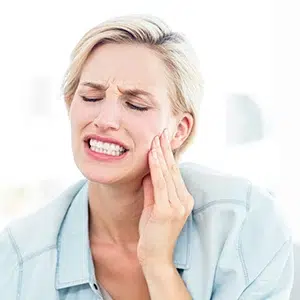
Understanding Veneers and Your Nerves
Porcelain and composite veneers are thin shells designed to enhance your smile’s natural beauty. During preparation, a small amount of enamel is removed from your teeth to make room for the veneer. Although this process is minimally invasive, it can temporarily irritate the tooth’s nerve, leading to sensitivity or mild throbbing discomfort.
However, if the pain feels deep, pulsing, or continues after a few days, it might indicate an underlying problem such as gum inflammation, bonding issues, or even nerve trauma.
Is Throbbing Pain After Veneers Normal?
For most patients, mild sensitivity or discomfort after veneer placement is completely normal. Your teeth and gums are simply adjusting to their new surfaces. This adjustment period can cause short-term reactions such as:
- Hot or cold foods and drinks feeling sharper against the teeth
- Gentle pressure or twinges while biting or chewing
- Brief discomfort when breathing in cool air
This sensitivity usually occurs because a thin layer of enamel is reshaped during veneer preparation, making the underlying dentin temporarily reactive to temperature and pressure. Most patients notice that this mild soreness or tingling fades within three to five days, as the nerves settle and the bite starts feeling natural.
Good oral hygiene, a soft-bristled toothbrush, and avoiding extreme temperatures help speed up recovery. However, intense or persistent throbbing pain after veneers is not normal. If discomfort lasts beyond a week or affects daily activities, it may signal an uneven bite, nerve inflammation, or an ill-fitting veneer.
Healing Timeline: What to Expect After Veneers
Understanding how your veneers heal can help manage expectations and ease anxiety. Here’s a general recovery timeline to guide you after treatment:
Day 1–2:
Slight soreness or tingling is normal as the teeth and gums adjust to new surfaces. Avoid very hot or cold foods and maintain gentle brushing habits.
Day 3–5:
Sensitivity typically starts to decrease as your gums adapt to the veneers and nerves settle. You should start feeling more comfortable while eating or drinking.
Day 6–7:
Any lingering throbbing pain after veneers should be evaluated by your dentist. Persistent or worsening pain could indicate an issue with bite alignment, bonding, or inflammation.
If your discomfort continues beyond a week or seems to intensify, reach out to Perfect White Smiles for a quick evaluation to ensure a fast, pain-free recovery.
Common Causes of Throbbing Pain After Veneers
Understanding the root cause is the first step toward lasting relief. Here are the most common culprits:
- Pulp inflammation: If too much enamel was removed or the tooth was already compromised, the pulp may become inflamed.
- High bite (occlusal interference): If the veneer is slightly too thick or misaligned, it can cause uneven pressure while biting, resulting in sharp, throbbing discomfort.
- Gum irritation: Poor-fitting veneers can irritate the gum line or lead to localized infection.
- Tooth decay under veneers: In rare cases, decay that was not fully removed before veneer placement can trigger nerve pain.
- Sinus or referred pain: Upper teeth may ache due to sinus congestion or referred discomfort.
At Perfect White Smiles, we use digital bite analysis and advanced imaging to identify the precise cause quickly and accurately.
When to Call Your Dentist Immediately
While some sensitivity is expected, there are clear signs that your pain needs professional attention right away. Contact Perfect White Smiles immediately if you experience:
- Severe, throbbing pain that lasts more than a few days
- Swelling, redness, or bleeding around the veneer site
- A veneer that feels loose, high, or uneven when biting
- Persistent bad taste or odor near the treated tooth
- Sharp, shooting pain when exposed to pressure or temperature changes
These symptoms may indicate infection, improper bonding, or nerve involvement. Our dental experts will evaluate and correct the issue using precision diagnostics, advanced comfort technology, and gentle care tailored to your comfort.
What You Can Do at Home Before Visiting the Dentist
While you wait for your appointment, these steps may help:
- Rinse with warm salt water to reduce inflammation.
- Avoid hot, cold, or sticky foods.
- Use desensitizing toothpaste formulated for sensitive teeth.
- Apply a cold compress externally if your face feels tender.
- Take an over-the-counter pain reliever (as advised by your dentist).
If symptoms persist or worsen, avoid delaying treatment. Early intervention is key to preventing long-term complications.
How We Treat Throbbing Pain After Veneers at Perfect White Smiles
At Perfect White Smiles, we don’t just treat pain, we treat its cause. Our comprehensive approach includes:
- Professional Evaluation: Using 3D digital imaging, we analyze each tooth to detect irregularities, nerve irritation, or bonding issues.
- Bite Adjustment: If your veneer is placing uneven pressure, we quickly correct your bite to relieve the discomfort.
- Root Canal Therapy (if needed): In cases of deep nerve inflammation, a minimally invasive root canal can preserve your veneer and eliminate pain permanently.
- Laser Gum Contouring: For gum-related issues, our soft-tissue lasers gently reshape or disinfect affected areas without pain or downtime.
- Veneer Replacement: In rare cases of poor fit or fabrication, we custom-design a new veneer using precision CAD/CAM technology for perfect symmetry and comfort.
When you visit our clinic, your comfort is our top priority. Most patients report immediate reduction in pain after a single appointment.
Prevention: How to Avoid Throbbing Pain After Veneers
- Choose a highly experienced cosmetic dentist.
- Ask about pre-treatment sensitivity testing.
- Maintain excellent oral hygiene to prevent gum irritation.
- Visit your dentist regularly for bite checks and professional cleanings.
- Use a nightguard if you clench or grind your teeth.
Our patients love the confidence their veneers bring, and they love that they can smile pain-free thanks to our precision and aftercare.
Book a Consultation Today
If you’re experiencing throbbing pain after veneers, don’t ignore it or hope it disappears. Pain is your body’s signal that something needs attention. At Perfect White Smiles, we’ll diagnose the cause, eliminate discomfort, and restore your smile’s brilliance, all in a calm, spa-like environment.
Ready to feel confident again? Call us at (310) 737-8787 or visit us at our Beverly Hills Office, located at 433 N Camden Drive, Suite 1070, Beverly Hills, CA 90210, or our London Office at 40–41 Wimpole Street, Marylebone, London W1G 6BG.
Book your consultation today and let our expert cosmetic dentists help you smile brighter, live pain-free, and love your reflection again.
FAQs
Will veneer pain go away on its own?
Mild discomfort may fade in a few days, but throbbing or severe pain should be evaluated promptly.
Can I get veneers if I have sensitive teeth?
Yes, but your dentist will first address any sensitivity or gum issues before the veneer procedure. At Perfect White Smiles, we tailor every plan to your needs for a pain-free experience.
What if my veneers hurt months later?
Delayed pain could point to bite changes, clenching habits, or developing nerve issues. It’s vital to schedule a check-up. We often detect tiny bite shifts that standard exams may miss.
Do veneers damage natural teeth?
No, when placed by an experienced cosmetic dentist, veneers protect and strengthen your teeth while improving aesthetics. Proper preparation keeps your natural tooth structure largely intact.
Can veneers cause nerve damage or permanent pain?
No, properly placed veneers should not cause nerve damage or permanent pain. However, if too much enamel is removed, or if the veneer sits unevenly, the underlying tooth nerve can become irritated. This can cause temporary or throbbing pain that your dentist should address promptly.
Celebrities are known for their flawless smiles, but not all of them were born with perfect teeth. Many turned to modern dentistry, like dentures and veneers, to enhance their appearance and boost their confidence. These dental solutions not only transform smiles but also prove that achieving a flawless look is possible for anyone.
From Hollywood legends to music icons, these Celebrities with Dentures & Veneers inspire confidence and make dental care a priority.
Why do Celebrities Choose Dentures and Veneers?

Celebrities face immense pressure to maintain a flawless appearance, and dental enhancements like dentures and veneers play a key role in achieving their iconic smiles. These treatments aren’t just about aesthetics—they address functional and health issues, too.
Here are some common reasons celebrities opt for dentures and veneers:
- Tooth Loss or Aging: Like everyone else, celebrities experience tooth loss due to aging, decay, or injury. Dentures restore their smile seamlessly.
- Cosmetic Flaws: Veneers correct issues like discoloration, misalignment, chips, or uneven teeth, offering a perfect, natural-looking finish.
- Professional Image: A radiant smile enhances their confidence and appeal, which is vital in a competitive industry.
By prioritizing their dental health, celebrities show that achieving a stunning, confident smile is possible for anyone willing to invest in modern dentistry.
Celebrities with Veneers: Transforming Smiles into Perfection
Veneers have become a go-to solution for celebrities seeking a flawless, camera-ready smile. These thin porcelain shells are an excellent way to correct discoloration, gaps, or other imperfections. Let’s take a look at some celebrities whose veneers have elevated their iconic looks:
Tom Cruise
Tom Cruise’s smile is one of the most recognizable in Hollywood, but it wasn’t always perfect. Early in his career, Cruise had misaligned and discolored teeth. Veneers dramatically transformed his grin, turning it into one of the most enviable smiles in the industry. Today, his radiant teeth are a key part of his leading-man appeal.
Hilary Duff
Singer and actress Hilary Duff chipped a tooth during a live performance and decided to enhance her entire smile with veneers. The results are stunning—her smile is now bright, symmetrical, and flawless. Duff’s transformation highlights how veneers can not only fix specific dental issues but also boost overall confidence.
Miley Cyrus
As her career blossomed, Miley Cyrus opted for veneers to achieve a radiant smile that matched her bold personality. The veneers corrected minor imperfections, giving her a polished look that enhanced her unique charisma. Cyrus’s transformation shows how a smile can evolve alongside career and personal growth.
Demi Moore
Demi Moore has been open about her dental challenges, including losing teeth due to stress. With the help of veneers, she restored her stunning smile, which has become a signature part of her beauty. Her transparency and resilience inspire others to take control of their dental health.
Ben Affleck
Ben Affleck’s career took off after a smile makeover that included veneers. Early in his career, Affleck’s teeth were slightly uneven and lacked the brilliance they now have. Veneers provided a subtle yet powerful enhancement, giving him a polished look that continues to captivate audiences.
Celebrities with Dentures: Who’s Rocking a Brilliant Smile?
Dentures aren’t just for older individuals—they’re a practical and aesthetic solution for anyone who has lost teeth due to age, injury, or dental issues. Many celebrities, from Hollywood legends to public figures, have relied on dentures to maintain their dazzling smiles. Here are a few stars who prove that dentures can help you shine, no matter the circumstances:
Clark Gable
The “King of Hollywood,” Clark Gable, is one of the earliest and most iconic examples of a celebrity who wore dentures. Gable lost many of his teeth at a young age due to gum disease but didn’t let it impact his career or confidence. His rugged charm and unforgettable smile made him a silver-screen legend, proving that dentures can be both practical and stunning.
Florence Henderson
Beloved for her role as Carol Brady in The Brady Bunch, Florence Henderson was always candid about her dental journey. Her radiant smile was made possible by dentures, which she embraced without hesitation. By openly discussing her experience, she helped normalize dental enhancements and inspired others to prioritize their dental health.
Winston Churchill
Although not a Hollywood star, Winston Churchill was a world-famous figure whose dentures played a critical role in his public image. Churchill’s dentures were custom-made to maintain his distinct speech patterns, demonstrating how dental work can serve both aesthetic and functional purposes. His story shows that even historical icons valued the power of a confident smile.
Janice Dickinson
Supermodel Janice Dickinson has always been upfront about her use of partial dentures. Known for her bold personality and timeless beauty, Dickinson’s dentures allow her to maintain her signature smile and stay camera-ready. Her openness reminds us that dental enhancements are tools to help us look and feel our best.
Morgan Freeman
As he aged, Morgan Freeman turned to dentures to maintain his warm and welcoming smile. The Academy Award-winning actor’s decision reflects the importance of dental care at any stage of life. Freeman’s enduring confidence is a testament to how dentures can enhance not only appearance but also self-esteem.
How do Dentures and Veneers Inspire Confidence?
- Enhanced Aesthetics: A brighter, more symmetrical smile instantly creates a positive impression, boosting confidence in social and professional settings.
- Restored Functionality: Correcting dental issues improves speech and chewing, making everyday activities more comfortable and effortless.
- Boosted Self-Esteem: A perfect smile can significantly transform how people view themselves, leading to more confident interactions with others.
- Long-Lasting Results: Modern dentures and veneers are durable, offering lasting solutions to dental imperfections and minimizing the need for frequent repairs.
- Youthful Appearance: Both dentures and veneers help maintain a youthful look by correcting tooth loss and wear, allowing individuals to feel more vibrant and self-assured.
Celebrity Smiles That Inspire Confidence
Celebrities with dentures and veneers prove that cosmetic dentistry can work wonders in enhancing both appearance and self-esteem. From Hollywood stars to pop icons, these individuals have shown us that a perfect smile isn’t just about aesthetics—it’s about confidence and the power to transform your self-image. Whether it’s through dentures that restore lost teeth or veneers that perfect an already beautiful smile, these dental enhancements offer long-lasting results that boost both physical appearance and emotional well-being.
Get Your Perfect Smile Today with Dr. Frey at Perfect White Smile
Inspired by the flawless smiles of celebrities? At Perfect White Smile Beverly Hills CA, we can help you achieve a smile that not only boosts your confidence but leaves a lasting impression. If you’re a new patient, call us at (310) 737-8787 to book your consultation with Dr. Frey today. Start your smile transformation now!
FAQs
Do celebrities wear dentures or veneers?
Yes, many celebrities opt for dentures or veneers to achieve the perfect smile, addressing issues like missing teeth or imperfections.
What famous person has veneers?
Many famous individuals have turned to veneers to enhance their smiles. Among them are iconic actors like Julia Roberts and Morgan Freeman, renowned singers such as Miley Cyrus, Niall Horan, and Cardi B, as well as sports superstars like Cristiano Ronaldo and Neymar.
Can anyone get dentures or veneers, or is it only for celebrities?
Anyone can get dentures or veneers! These dental solutions are available to people of all backgrounds who want to improve their smile, whether for aesthetic or functional reasons.
From flawless red carpet smiles to picture-perfect grins on magazine covers, Hollywood stars often appear to have effortlessly perfect teeth. But here’s the secret they don’t always share: many celebrities achieve their dazzling smiles with the help of dentures or veneers. These cosmetic solutions are not just reserved for everyday individuals but are also embraced by the rich and famous.
In this blog, we will uncover the secrets behind those enviable celebrity smiles and explore why dentures and veneers have become the go-to solutions for dental transformation.
Why Do Celebrities Choose Dentures and Veneers?

For celebrities, maintaining a polished appearance is essential to their careers. Their smiles often define their public image, and imperfections like gaps, discoloration, or missing teeth can affect their confidence.
Dentures
Dentures are a practical solution for people who have lost multiple teeth. They are custom-designed to fit naturally and comfortably, offering a seamless way to restore functionality and aesthetics.
Veneers
Veneers are thin porcelain or composite resin shells bonded to the front of teeth and are favored for their ability to correct minor flaws like chipped, discolored, or slightly misaligned teeth. They create a natural-looking and durable result, making them a celebrity favorite.
Celebrities With Dentures and Veneers You Didn’t Know About
Hollywood’s brightest smiles often have a little help behind the scenes. While many celebrities are blessed with natural charm, their radiant grins are often the result of cosmetic dentistry. From dentures to veneers, dental enhancements have helped stars maintain their stunning looks and confidence under the limelight. Here’s a look at some surprising celebrities whose dental transformations may inspire you to achieve your perfect smile.
Cher
The iconic singer and actress Cher has long been admired for her ageless beauty. Part of her enduring appeal comes from her dazzling smile, which has reportedly been enhanced with veneers. This subtle transformation helped refine her teeth, giving her the perfect Hollywood smile.
Jim Carrey
Comedy legend Jim Carrey is known for his expressive face and larger-than-life persona. Early in his career, Carrey chipped a tooth, which he famously left uncorrected for his role in Dumb and Dumber. However, veneers have since restored his smile to its brilliant, camera-ready state.
Zac Efron
As a Disney star, Zac Efron had a charming gap-toothed smile that endeared him to fans. However, as his career evolved, Efron chose veneers to achieve a more symmetrical, polished appearance. The results helped elevate his leading-man image in Hollywood.
Emma Watson
Best known for her role as Hermione in the Harry Potter series, Emma Watson is rumored to have gotten veneers to perfect her teeth. As she transitioned from a child star to a Hollywood icon, this subtle enhancement contributed to her polished appearance.
Cristiano Ronaldo
Soccer superstar Cristiano Ronaldo has undergone a significant dental transformation over the years. His use of veneers helped him achieve a bright, even smile, complementing his status as one of the world’s most photographed athletes.
George Washington
Though not a Hollywood star, George Washington remains an iconic historical figure who famously wore dentures. His sets, made from materials like ivory and wood, were functional and a testament to early dentistry’s importance.
Joe Biden
The President of the United States has been open about using dental prosthetics, including partial dentures, to enhance his smile. His radiant teeth reflect how modern dentures can look natural and boost confidence.
Emma Thompson
The British actress and Academy Award winner Emma Thompson has spoken candidly about her dental challenges. While filming period dramas, she used partial dentures to fit the historical context, showcasing her commitment to authenticity.
Nicolas Cage
Nicolas Cage famously had two teeth removed early in his career to portray a more rugged character in Birdy. Later, he restored his smile with dental enhancements, including dentures, for a polished Hollywood look.
How to Achieve a Celebrity-Level Smile?
To attain perfect teeth like celebrities, start with a consultation with a skilled cosmetic dentist. They will assess your dental condition and craft a personalized treatment plan, which may include:
- Teeth Whitening :
Professional whitening treatments can dramatically brighten your smile by removing stains and discoloration.
- Veneers and Crowns :
These cover imperfections, improve symmetry, and enhance overall aesthetics.
- Braces or Aligners :
Orthodontic treatments correct alignment issues for a straighter smile.
In addition to these procedures, maintaining excellent oral hygiene is vital. Brush and floss daily, and schedule routine dental checkups to prevent potential issues.
Make mindful dietary choices to minimize staining and damage. Avoiding habits like smoking or excessive sugar consumption further protects your teeth, ensuring a long-lasting and radiant smile.
By combining professional treatments with diligent care, you can confidently showcase a celebrity-worthy smile.
Takeaway
Celebrities with dentures and veneers demonstrate that dental enhancements are more than aesthetic upgrades—they’re transformative tools that boost confidence and restore smiles. From dentures that maintain functionality to veneers that perfect appearances, these stars remind us that dental care is essential at every stage of life. Whether you’re seeking subtle changes or a complete smile makeover, the possibilities are endless when guided by skilled professionals.
Your Celebrity-Worthy Smile Awaits
Ready to transform your smile? At Perfect White Smile Beverly Hills CA, Dr. Frey specializes in creating stunning, natural-looking results tailored to you. If you’re a new patient, call us at (310) 737-8787 to book your consultation today and discover how we can help you achieve your dream smile.
FAQs
Can dentures look natural, like celebrity smiles?
Modern dentures are custom-made to mimic the appearance of natural teeth, ensuring a natural and confident smile. Advances in dental technology make it possible to achieve stunning results.
What’s the Secret Behind Celebrities’ Perfect Teeth?
Porcelain veneers are a top choice for celebrities seeking flawless smiles. These thin, custom-made shells fit over the teeth to cover imperfections like chips, gaps, discoloration, and slight misalignments. Veneers enhance the shape and brightness of teeth, offering a natural and long-lasting transformation. Their ability to create a radiant yet discreet Hollywood smile makes them the ultimate secret to star-worthy teeth.
Name some celebrities with dentures and veneers.
Some celebrities have undergone both dental treatments—dentures and veneers. For example, Gary Busey, known for his distinctive look, had both dentures and veneers after a severe motorcycle accident caused extensive dental damage. Ben Affleck also used dentures for a period before switching to dental caps,
When exploring orthodontic solutions, a common question arises: Is Invisalign cheaper than braces? Invisalign has gained immense popularity over the years for its nearly invisible aligners, offering a discreet way to straighten teeth. Traditional braces, on the other hand, remain a trusted option, especially for more complex dental cases. While Invisalign appeals to those seeking subtlety, it’s essential to understand how the costs of these treatments compare and what factors influence their pricing.
Let’s break down the details to help you make an informed decision.
Are Clear Aligners Cheaper Than Traditional Braces?
Many individuals exploring teeth-straightening options often wonder, “Is Invisalign cheaper than braces?” Clear aligners are highly regarded for their effectiveness and subtlety, as they rely on advanced 3D technology to realign teeth discreetly. However, this sophistication can increase their cost, deterring some patients.
Generally, clear aligners are priced similarly to, or slightly higher than, traditional metal braces. While the upfront cost may seem steep, many find the investment worthwhile due to the unparalleled comfort, aesthetic appeal, and convenience they provide compared to braces.
Why Do People Prefer Aligners Over Braces?
Clear aligners are popular for several compelling reasons, appealing to both younger and older patients. Their advantages over traditional braces include:
- Easy Removability
Aligners can be easily removed before eating, brushing, and flossing, making daily routines simpler and more hygienic than with traditional braces.
- Discreet Appearance
Made of clear material, aligners are virtually invisible, offering a more subtle and aesthetically pleasing option compared to noticeable metal braces.
- Fewer Dental Visits
Patients using aligners generally require less frequent check-ups, typically every six weeks, saving time and effort.
- Greater Comfort
Aligners eliminate issues like wire pokes and bracket irritation, providing a smooth and irritation-free experience.
- No Food Restrictions
Unlike braces, aligners let you enjoy your favorite foods without worrying much about damaging wires or brackets.
Invisalign vs Braces: What Is Cheaper?

When comparing the cost of braces and Clear Aligners, the prices are generally similar, but it depends on your dental needs. Metal braces range from $1,800 to $5,500, while Clear Aligners cost between $3,000 and $5,000. The final cost varies based on factors such as the complexity of the dental problem, the duration of treatment, and the orthodontist’s recommendation.
For example, if additional dental work is needed alongside aligners, braces might be suggested, which can increase the overall cost. Additionally, more complex cases like major overbites may require longer treatment times and higher costs. Ultimately, it’s best to consult your orthodontist to get an estimate of the entire procedure.
Is Invisalign Cheaper Than Braces?
In Beverly Hills, the cost of Invisalign and traditional braces can vary significantly based on the type of treatment, the complexity of your case, and the duration of treatment. On average:
- Invisalign: Prices range from $4,000 to $7,000, based on the complexity of your alignment issues
- Braces: Traditional metal braces are usually priced between $3,000 and $7,000. Ceramic braces may cost slightly more due to their aesthetic benefits, while lingual braces, placed on the inside of the teeth, are generally the most expensive.
It’s important to check with local providers for the most accurate pricing and to see if they offer payment plans or accept insurance. Many practices also offer free consultations to assess your treatment needs and provide a cost estimate.
Invisalign or Braces: What Is Right For You?
Choosing between Invisalign and traditional braces depends on several personal factors. To help you make the best decision, consider these key questions:
How visible do you want your orthodontic treatment to be?
What is the severity of your dental misalignment?
Are you disciplined enough to wear aligners for the required 20-22 hours daily?
How much are you willing to spend on orthodontic care?
Making the Right Choice Between Invisalign and Braces
When deciding whether Invisalign is cheaper than traditional braces, the answer depends on a variety of factors, including the severity of dental misalignment, the treatment plan, and your lifestyle preferences. While Invisalign can sometimes come at a higher upfront cost, its discreet nature, convenience, and comfort make it a popular choice for many patients. On the other hand, traditional braces may offer a more affordable option for those with more complex dental issues. Ultimately, consulting with an experienced orthodontist will help you determine the best treatment plan for your needs.
Ready for Your Personalized Treatment Plan?
Still wondering if Invisalign is the best option for you? At Perfect White Smile in Beverly Hills, CA Dr. Frey and our team are here to guide you toward the best solution for your smile. If you’re a new patient, call us at (310) 737-8787 to book your consultation today. Let’s get you started on your journey to a perfect smile!
FAQs
Is it better to get braces or Invisalign?
The choice between braces and Invisalign largely depends on the severity of your misalignment and your lifestyle preferences. Invisalign is ideal for mild to moderate cases and those seeking a discreet, comfortable option. On the other hand, traditional braces may be a better fit for severe dental issues or those looking for a more cost-effective treatment. Both options are good to straighten your teeth, but the best choice depends on your individual needs.
Do braces or Invisalign last longer?
Traditional braces take 18-24 months to straighten teeth, depending on the severity of the case. In comparison, Invisalign treatment generally lasts around 12 months for mild to moderate cases, though it can vary. The duration of both treatments depends on your unique dental needs and how closely you follow your treatment plan. The key difference depends on the convenience and comfort that Invisalign offers during the process.
How much more expensive is Invisalign compared to braces?
Invisalign treatments range from $3,000 to $8,000, while traditional braces usually cost between $2,000 and $6,000. The exact price depends on factors such as the complexity of the case and location.
Are there additional costs with Invisalign?
In addition to the treatment cost, some patients may incur extra charges for follow-up visits, retainers, or any adjustments during the treatment process. It is important to discuss all potential costs with your dentist.
Invisalign for teens offers a comfortable, discreet solution for straightening teeth, making it an appealing alternative to traditional braces. For decades, braces were the go-to option for correcting misaligned teeth, but Invisalign provides a modern, less intrusive approach that has gained immense popularity. Despite its advantages, many people are still unsure about how Invisalign works and whether it’s suitable for adolescents.
At Perfect White Smile in Beverly Hills, CA, we’re here to clear up these misconceptions and demonstrate why Invisalign for teens is a smart choice for achieving a healthier, more confident smile.
Common Myths About Invisalign for Teens
Understanding the realities of Invisalign treatment can help you determine if it’s the right choice for your teen. Here, we’ll tackle the most persistent misconceptions surrounding Invisalign for teens and explain why it remains a trusted orthodontic solution.
Myth 1: Invisalign Is Only for Adults
When Invisalign was introduced, it primarily targeted adults seeking discreet alternatives to braces. However, advancements in aligner technology now allow teenagers—even those with complex dental issues—to benefit from Invisalign. The treatment has grown increasingly popular among teens due to its flexibility and comfort.
Myth 2: Invisalign Works Faster Than Braces
The treatment duration for Invisalign varies based on factors such as age, oral health, and the complexity of alignment issues. While some cases may resolve faster than with braces, others take a similar amount of time. Success hinges on wearing aligners consistently for 20–22 hours daily. Teens often report seeing visible improvements early on, boosting their confidence and adherence to the treatment.
Myth 3: Invisalign Can Only Handle Minor Issues
Clear aligners are not limited to correcting small gaps or mildly crooked teeth. Invisalign is designed to address complex orthodontic problems like overbites, underbites, crossbites, and severe crowding. A professional evaluation is essential to determine whether Invisalign is appropriate, as some extreme cases may require braces or preparatory dental work.
Myth 4: Teens Won’t Wear Their Aligners as Directed
Parents may worry that their teens won’t commit to wearing Invisalign aligners for the recommended hours daily. Fortunately, Invisalign has built-in compliance indicators that change color with proper usage, allowing both dentists and parents to monitor wear time. Additionally, the nearly invisible and comfortable design encourages teens to stick with the plan.
Myth 5: Invisalign Trays Only Need to Be Worn at Night
Clear aligners must be worn at least 22 hours a day to be effective. Teens can remove them for eating and brushing but should keep them on throughout the day to achieve optimal results. After completing treatment, retainers may need to be worn overnight to maintain progress, gradually transitioning to less frequent use over time.
Myth 6: Invisalign Is More Expensive Than Braces
While Invisalign may seem costlier initially, its benefits often justify the price. Many dental practices, including Perfect White Smile, offer flexible payment options and insurance plans to make Invisalign more accessible.
Myth 7: Invisalign Is Less Effective Than Braces
With advancements in SmartTrack material and technology, Invisalign has proven to be as effective as traditional braces in many cases. It achieves precise and controlled tooth movement, making it a trusted choice for teens requiring significant orthodontic correction.
Myth 8: Invisalign Disrupts Daily Life
Teenagers often worry about how orthodontic treatment will affect their routines, from playing sports to eating their favorite snacks. Invisalign offers unmatched flexibility. Since the aligners are removable, teens can continue enjoying their usual activities without restrictions, making Invisalign a convenient and lifestyle-friendly option.
Parents and teens can make informed decisions about orthodontic care by separating fact from fiction. Invisalign’s tailored approach and proven results make it a compelling choice for modern dental treatment.
Benefits of Invisalign for Teens

1. Discreet Appearance
Invisalign aligners are nearly invisible, making them ideal for teens concerned about their appearance.
2. Improved Oral Hygiene
Since aligners are removable, brushing and flossing are much easier compared to traditional braces, reducing the risk of cavities or gum issues.
3. Greater Comfort
Invisalign aligners are manufactured from smooth plastic, which doesn’t irritate or cause discomfort often caused by braces’ brackets and wires.
4. Fewer Appointments
Invisalign requires fewer in-office visits, which is a win for busy teens and parents.
5. Boosted Confidence
Straight teeth enhance not only oral health but also a teen’s self-esteem, especially when the treatment is nearly invisible.
How to Ensure Invisalign Success for Teens?
1. Wear Aligners for the Recommended Time
Teens should wear their Invisalign aligners for 20–22 hours daily. It should be removed only for eating, drinking, and oral hygiene to maintain consistent progress.
2. Maintain Excellent Oral Hygiene
Brushing and flossing after meals prevent plaque buildup under the aligners, ensuring better oral health and smoother treatment.
3. Use Compliance Indicators
Teens can monitor their usage with built-in compliance indicators, helping them stay accountable and on track with their treatment plans.
4. Attend Regular Check-ups
Frequent visits to the orthodontist allow for progress monitoring and timely adjustments, ensuring the treatment stays effective.
5. Store Aligners Properly
Using the provided case helps prevent loss or damage when the aligners are removed, minimizing disruptions in treatment.
Takeaway
Invisalign for teens offers a modern, comfortable, and effective alternative to traditional braces, making it easier for teenagers to achieve a confident, healthy smile. By debunking common myths, we hope to provide clarity and help you make an informed decision about your teen’s orthodontic care. At Perfect White Smile in Beverly Hills, CA, we’re here to guide you through every step of the journey to ensure your teen gets the care they deserve.
Transform Your Teen’s Smile with Perfect White Smile in Beverly Hills
Ready to explore Invisalign for teens? Trust Perfect White Smile in Beverly Hills, CA, to provide exceptional orthodontic care. Call us today at (310) 737-8787 to book your consultation. We are conveniently located at 416 N Bedford Dr, Beverly Hills, CA 90210.
Let us help your teen achieve a radiant, confident smile!
FAQs
Is Invisalign suitable for all teenagers?
Invisalign can treat a wide range of orthodontic issues for teens, including overbites, underbites, and crowded teeth. However, a dentist must evaluate your teen’s specific dental needs to know if Invisalign is the right solution.
How long does Invisalign treatment take for teens?
The duration of treatment varies because of factors like the severity of alignment issues and compliance with wearing aligners. On average, Invisalign treatment for teens can take 12–18 months.
What happens if my teen loses an aligner?
Losing an aligner is not uncommon, especially for teens. Contact your dentist immediately to discuss a replacement. Many Invisalign plans include a few replacement aligners at no additional cost.
How effective is invisalign for teens?
Invisalign for teens effectively addresses mild to complex orthodontic issues like overbites, underbites, and crowding. Its advanced technology ensures gradual, precise teeth alignment, making it a reliable alternative to braces when used correctly.
Temporomandibular joint (TMJ) disorders can cause pain, discomfort, and challenges in daily life. Seeking treatment is necessary for improving quality of life, but many patients wonder: Does insurance cover TMJ treatment? Understanding your insurance coverage helps you navigate the costs and ensure you receive the care you need.
This blog will explore what TMJ treatment entails, how insurance coverage works, and what you can do to maximize your benefits.
What are TMJ Disorders?

Temporomandibular joint (TMJ) disorders refer to issues affecting the hinge joint that connects a person’s jawbone to the skull. This joint, along with the surrounding muscles, tendons, and ligaments, plays a crucial role in daily functions like chewing, speaking, and yawning. When the TMJ becomes irritated or misaligned, it can cause discomfort, pain, and restricted movement. These symptoms are often a sign that the joint is not functioning as it should.
Symptoms of TMJ Disorders
TMJ disorders cause symptoms that vary in intensity from mild discomfort to severe pain. Common signs include:
- Facial Pain: Persistent or throbbing discomfort across the face.
- Ear Pain: Discomfort in or around the ear, often mistaken for an ear infection.
- Jaw Pain or Tenderness: Sensitivity or aching in the jaw joint, especially when moving it.
- Headaches: Frequent tension or migraine-like headaches linked to jaw strain.
- Joint Locking: Difficulty opening or closing the mouth fully due to the joint locking in place.
- Chewing Challenges: Pain or difficulty while eating, often caused by limited jaw mobility.
What Does TMJ Treatment Involve?
TMJ treatment aims to address the underlying causes of joint dysfunction and relieve associated symptoms. Treatments depend on the severity of the TMJ condition and the needs of the patient.
Common TMJ Treatments Include:
1. Medications:
Prescription or over-the-counter options like pain relievers, anti-inflammatory drugs, and muscle relaxants can help you manage your TMJ symptoms.
2. Mouthguards:
Custom-fitted devices, often worn at night, prevent teeth grinding or clenching, reducing stress on the joint.
3. Physical Therapy:
Targeted exercises improve jaw mobility and strengthen surrounding muscles, helping restore normal function.
4. Surgery:
For severe cases, surgical options such as arthroscopy or joint replacement may be necessary to correct structural problems.
Each treatment option comes with varying costs and levels of insurance coverage, making it important to explore your options thoroughly.
Does Insurance Cover TMJ Treatment?
The coverage for TMJ treatment largely depends on your insurance policy and the specific treatment required. Understanding how medical and dental insurance applies can help you navigate the costs and maximize your benefits. Here’s what you should know:
1. Medical Insurance Coverage
Many medical insurance plans provide coverage for TMJ treatment if the condition is classified as medically necessary. This applies to:
- X-rays, CT scans, or MRIs.
- Medications for pain management or inflammation.
- Surgical interventions for severe cases, like joint repair or replacement.
Important Tip: Review your insurance policy carefully to confirm whether TMJ disorders are covered. Some plans may exclude these treatments altogether, even if they are medically necessary.
2. Dental Insurance Coverage
While dental insurance primarily covers oral health services, it may include limited benefits for TMJ treatment, such as:
- Custom-made mouthguards or splints to alleviate grinding or clenching.
- Dental procedures to correct bite alignment.
However, dental insurance plans often have lower annual coverage limits, which may only partially offset the costs of treatment.
3. Out-of-Pocket Costs
If your insurance doesn’t cover TMJ treatment, you may need to cover expenses yourself. Many dental offices provide flexible payment options and financing plans to make care more accessible. Investing in TMJ treatment can improve your quality of life, even if it requires personal financial planning.
It is important to understand your insurance coverage and look at all available options to make informed decisions about managing TMJ disorders.
How to Check If Your Insurance Covers TMJ Treatment?
Understanding your insurance coverage for TMJ treatment involves several key steps to ensure you know what is included and how to proceed. Here’s a detailed guide:
1. Review Your Insurance Policy
Start by carefully reading through both your medical and dental insurance policies. Look for terms such as:
- “TMJ disorders”
- “Jaw disorders”
- “Temporomandibular joint treatment”
These terms can indicate whether TMJ-related care is covered. Pay attention to exclusions or limitations within the policy.
2. Contact Your Insurance Provider
Reach out to your insurance company’s customer service line for detailed information. Be sure to ask:
- Which TMJ treatments are covered (e.g., diagnostic imaging, custom mouthguards, medications, or surgery)?
- If any specific conditions must be met for coverage to apply.
3. Confirm Medical Necessity Requirements
Insurance companies often require that TMJ treatments be deemed medically necessary for coverage. To support this, you may need a letter from your dentist or doctor explaining your condition and justifying the recommended treatment.
4. Check for Preauthorization
Some insurers may require preauthorization before they approve coverage for TMJ-related procedures. Verify whether this step is needed and gather the necessary documentation in advance.
5. Verify Annual Limits
Review your plan to check for any caps on coverage, such as annual limits on dental benefits and maximum allowable coverage for TMJ-related treatments. Understanding these limits will help you estimate any potential out-of-pocket costs.
6. Consult Your Dentist or Specialist
Your dentist or TMJ specialist can be a valuable resource in navigating insurance coverage. Your dental office can assist in verifying your insurance benefits and handling claim submissions, ensuring a smoother process for you.
Is TMJ Covered by Insurance?
Navigating insurance coverage for TMJ treatment can be challenging, but being informed about your plan’s terms, consulting with your provider, and seeking guidance from a trusted dentist can make the process smoother. Whether through medical or dental insurance, exploring your options is crucial to finding affordable and effective TMJ care.
Get Expert TMJ Treatment at Perfect White Smile
Ready to address your TMJ issues? Perfect White Smile in Beverly Hills, CA, is here to help. Our experienced team will guide you through treatment options and assist with insurance queries. Call us today at (310) 737-8787 to schedule your consultation and start your journey to a pain-free smile!
FAQs
How Can I Prevent Future TMJ Problems?
Prevent TMJ issues by avoiding teeth grinding or clenching, practicing good posture, managing stress, and limiting hard or chewy foods. Regular dental check-ups can help detect and address early signs of TMJ problems.
Is It Possible for TMJ to Resolve on Its Own Without Treatment?
In mild cases, TMJ symptoms may improve with rest, stress management, and avoiding aggravating activities. However, persistent or severe symptoms require professional evaluation and treatment to prevent further complications.
What Happens If TMJ Is Left Untreated?
Untreated TMJ can lead to worsening pain, restricted jaw movement, chronic headaches, and even joint damage over time. Early diagnosis and treatment are essential to prevent long-term complications.
Can TMJ Cause Long-Term or Permanent Issues?
Yes, chronic TMJ disorders can result in permanent joint damage, ongoing pain, and difficulty with jaw function. Addressing symptoms early reduces the risk of lasting problems and improves quality of life.
If you suffer from chronic jaw pain, headaches, or difficulty chewing, you may be dealing with a temporomandibular joint (TMJ) disorder. Fortunately, Botox and TMJ treatments are becoming increasingly popular as a solution for relieving these symptoms. TMJ disorders affect the jaw joint and surrounding muscles and cause a variety of discomforts, including jaw tension, facial pain, and restricted movement.
While traditional treatments like mouthguards and physical therapy can help, Botox is gaining recognition as an effective method to target the root causes of TMJ pain. In this blog, we’ll explore how Botox works for TMJ, its benefits, and whether it could be the right option to relieve your symptoms.
What is TMJ and Why Does It Cause Pain?

The temporomandibular joint (TMJ) connects the jawbone to the skull, allowing for essential movements like chewing, speaking, and yawning. When this joint or the muscles surrounding it are misaligned or overworked, it can lead to a TMJ disorder, causing significant pain and discomfort.
Common causes of TMJ disorders include:
- Teeth grinding or clenching (bruxism)
- Stress leading to jaw tension
- Arthritis affecting the joint
- Jaw injuries
These factors can result in a variety of symptoms, including jaw pain, headaches, muscle tension, limited jaw movement, and even difficulty chewing or speaking. TMJ disorders can disrupt daily activities and severely impact your quality of life, making treatment essential for relief.
What is Botox?
Botox, or Botulinum Toxin, is a neurotoxin mostly used for cosmetic treatment, such as wrinkle reduction. However, it is also effective in treating medical conditions like TMJ disorders. Botox works by temporarily blocking your nerve signals that cause muscle contractions, resulting in muscle relaxation.
How Does Botox Help with TMJ Treatment?
Botox can significantly help with TMJ by targeting the overactive muscles around the jaw. It works by relieving muscle tightness and reducing jaw clenching and teeth grinding, which are the common causes of TMJ discomfort. Botox also alleviates headaches and facial pain that are often linked to TMJ disorders. Additionally, by relaxing the muscles, Botox improves jaw mobility, making it easier to speak, chew, and perform other essential movements. Botox injections help to relieve the pain and discomfort caused by TMJ, ultimately improving overall jaw function and quality of life.
Benefits of Botox for TMJ Treatment
1. Non-Invasive and Convenient:
Botox provides a non-surgical solution to TMJ and avoids incisions or extended recovery periods associated with more invasive treatments.
2. Targeted Relief for Jaw Muscles:
By focusing on overactive jaw muscles, Botox helps reduce the clenching and grinding that aggravate TMJ symptoms, providing targeted relief from pain and discomfort.
3. Enhanced Quality of Life:
Patients often experience relief from headaches, jaw pain, and facial tension, leading to improved sleep and overall well-being.
4. Dual Purpose Treatment:
In addition to TMJ relief, Botox can also smooth facial wrinkles, offering both therapeutic and aesthetic benefits in one treatment.
Is Botox Safe for TMJ Treatment?
Botox is FDA-approved for several medical uses and is safe when administered by trained professionals. However, it’s essential to consult a qualified dentist or TMJ specialist to ensure the procedure is performed correctly.
Potential Side Effects Include:
- Mild bruising or swelling at injection sites
- Temporary muscle weakness in the treated area
- Rarely, difficulty chewing or speaking (usually temporary)
Most side effects are minor and resolve quickly with proper care.
How Much Does Botox TMJ Treatment Cost?
The cost of Botox for TMJ varies depending on the number of injections required and the severity of your condition. On average, patients can expect to pay $500–$2000 per session.
While Botox is not always covered by insurance, many dental offices give financing options to make TMJ treatment more affordable.
Why Choose Botox Over Traditional TMJ Treatments?
While traditional methods like mouthguards, physical therapy, and medications are effective for some, Botox provides a faster, longer-lasting solution for TMJ symptoms. It’s especially beneficial for those who haven’t found relief through conventional approaches.
Comparison of Botox and Traditional Treatments:
| Treatment | Benefits | Drawbacks |
| Botox | Fast results, non-invasive | Temporary, higher cost |
| Mouthguards | Prevents teeth grinding | Requires consistent use |
| Physical Therapy | Improves jaw mobility | Time-intensive |
| Medications | Relieves pain temporarily | Potential side effects |
The Relief Botox Can Offer for TMJ Pain
Botox injections provide a promising non-surgical solution for managing TMJ disorders. By relaxing the jaw muscles, Botox effectively reduces pain, tension, and other symptoms associated with TMJ. Whether you’re struggling with chronic jaw pain or teeth grinding, Botox can improve your quality of life and help restore normal function to your jaw.
Book Your Consultation Today with Perfect White Smile
If you’re ready to find relief from TMJ symptoms with Botox injections, call Perfect White Smile in Beverly Hills at (310) 737-8787 to book your consultation. Our team is here to help you regain comfort and function in your jaw.
FAQs
Who is a candidate for Botox injections?
Candidates for Botox injections typically include individuals with TMJ disorders who experience muscle tightness, jaw clenching, or teeth grinding. Botox is also suitable for those seeking a non-surgical option for pain relief and muscle relaxation in the jaw area.
How long does the pain relief last?
Pain relief from Botox injections for TMJ lasts between three to six months. The duration varies depending on the individual’s response to treatment and the severity of their TMJ symptoms.
What should you expect after receiving a Botox injection in your jaw muscles?
After receiving Botox injections, you may experience mild swelling or bruising at the injection site. Pain relief may take a few days to become noticeable, with optimal results appearing within one to two weeks. You can resume normal activities immediately.
Can Botox cure TMJ disorders?
While Botox can significantly relieve the symptoms of TMJ disorders, it is not a cure. Botox helps manage pain and muscle tension, but it works best as part of a comprehensive treatment plan that includes physical therapy or lifestyle changes.
If you’ve ever wondered, “What type of dentist does veneers?” you’re not alone. Veneers are no doubt a popular cosmetic dental solution to improve your smile, but it’s crucial to choose the right professional for the job. Getting veneers involves both art and precision, so it’s equally essential to find a skilled dentist who can deliver natural-looking results. Selecting the right dental professional can make all the difference in ensuring a safe procedure and achieving the smile you’ve always wanted.
In this blog, we will explain what type of dentist does veneers and what to look for when choosing one.
Types Of Dentists Qualified To Perform Veneers
1. General Dentists with Cosmetic Training
General dentists with additional training in cosmetic dentistry are capable of performing veneer procedures. While they primarily focus on oral health, such as treating cavities and performing cleanings, many general dentists expand their skills through specialized courses in cosmetic treatments like veneers. This training allows them to improve the appearance of patients’ teeth by using veneers to correct discoloration, minor misalignments, or chipped teeth.
When should you choose a general dentist for veneers?
Choosing a general dentist for veneers is a good option if they have significant experience and a proven track record in cosmetic procedures. It’s especially ideal for those who are already comfortable with their current dentist and want to enhance their smile. However, make sure to check their credentials, reviews, and before-and-after photos of previous veneer cases to ensure they have the expertise needed for high-quality results.
2. Cosmetic Dentists
Cosmetic dentist’s specialty lies in enhancing the appearance of a person’s teeth, gums, and overall smile aesthetics. They are dedicated to aesthetic dental treatments such as veneers, teeth whitening, and smile makeovers. Their goal is to improve the look of your smile while ensuring functionality.
Advantages of Selecting a Cosmetic Dentist for Veneers
- Specialized Expertise: Cosmetic dentists have advanced training in aesthetic procedures that ensure your veneers look natural and fit perfectly.
- Focus on Aesthetics: With a strong emphasis on smile design, they can customize veneers to match your facial features and improve your appearance.
- Use of Advanced Technology: Cosmetic dentists often use cutting-edge tools and techniques to deliver precise results with minimal discomfort.
3. Prosthodontists 
Prosthodontists have advanced training in restorative and cosmetic dental procedures. They are experts in repairing and replacing damaged teeth using treatments like veneers, crowns, bridges, and implants. After completing dental school, prosthodontists undergo additional years of specialized training focused on restoring both the function and aesthetics of a patient’s smile.
Benefits of Choosing a Prosthodontist for Veneers
- Expertise in Complex Cases: Prosthodontists are trained to handle challenging dental conditions, making them ideal for patients with severe tooth damage or bite issues.
- Comprehensive Restorative Skills: They ensure your veneers are both functional and aesthetically pleasing, blending seamlessly with your natural teeth.
- Long-Lasting Results: Prosthodontists focus on creating durable solutions, providing veneers that are designed to last while maintaining your oral health.
What Type Of Dentist Does Veneers?
When considering veneers, selecting the right dentist is essential to achieving the best results. Whether you choose a general dentist with cosmetic training, a specialist in cosmetic dentistry, or a prosthodontist, ensuring that your dentist has the right qualifications and experience will help you achieve a beautiful, lasting smile. Take the time to ask the right questions and carefully evaluate their portfolio so you feel confident in your choice. Remember, the right dentist can make all the difference in both the aesthetic outcome and the health of your teeth.
Qualifications To Look For In A Dentist Who Does Veneers
When choosing a dentist to perform your veneer procedure, it’s essential to ensure they have the proper qualifications and experience. A qualified dentist should have the necessary certifications in cosmetic dentistry, which can be verified through professional organizations like the American Academy of Cosmetic Dentistry (AACD). Additionally, experience plays a key role—look for a dentist who has successfully completed numerous veneer procedures and has a solid reputation in the field.
It’s also crucial to check the dentist’s portfolio. Ask for before-and-after photos of previous veneer cases to assess the quality of their work. Patient reviews and testimonials can provide insight into the dentist’s skill and the overall patient experience. A well-rounded combination of certifications, experience, and positive feedback ensures that you’re in good hands for your veneer treatment.
Before committing to any veneer procedure, it’s important to ask your dentist a few key questions to ensure you’re comfortable with the process and confident in their abilities.
- What type of veneers do you specialize in?
- How many veneer procedures have you performed?
- What is the process, timeline, and cost for getting veneers?
- Can I see examples of your previous work?
Ready for Your Perfect Smile? Book Your Consultation Today!
If you’re looking for a skilled dentist to help you with veneers, look no further than Perfect White Smile in Beverly Hills, CA. Book your consultation today. Our team specializes in creating stunning, natural-looking smiles with high-quality veneers tailored just for you.
- New Patients: Call us at (310) 737-8787 for an appointment.
- Existing Patients: Reach us at (310) 276-4537 to book your consultation today.
FAQs On What Type Of Dentist Does Veneers
What is the basic difference between a cosmetic dentist and a general dentist for veneers?
A cosmetic dentist specializes in aesthetic procedures like veneers, offering more advanced skills in smile design, while a general dentist may have basic cosmetic training but may not focus solely on aesthetics.
How long do veneers last?
Depending on the material and how well you take care of them, veneers can last from 10 to 15 years.
Are veneers painful to get?
The veneer procedure is not painful, but you may experience some mild discomfort afterward. Local anesthesia is usually used to minimize discomfort during the procedure.
Can veneers fix crooked teeth?
Veneers can be beneficial in improving the overall appearance of your crooked teeth, but they may not be a good solution for severe misalignment. Consult with your dentist to see if the veneers are right for you.
A beautiful smile can have a powerful impact on your confidence, and veneers are one of the most effective ways to achieve that flawless look. Choosing the right type of veneer is essential, as it directly affects not only the appearance of your smile but also the cost and how long your new smile will last. Understanding the benefits, costs, and durability of different veneer options is key to making the best decision for your needs.
Let us explore the different types of veneers and their benefits, costs, and durability.
Different Types Of Veneers: Their Benefits, Cost and Durability
1. Porcelain Veneers
Benefits of Porcelain Veneers:
- Natural-looking appearance: Porcelain veneers are known for their ability to match the natural appearance of your teeth. The material closely resembles the translucency of natural enamel, giving your smile a bright, lifelike look.
- Long-lasting and durable: Porcelain is a strong material that can bear the everyday wear and tear of chewing. With proper care, these veneers can last many years, making them a reliable option for a smile makeover.
- Highly resistant to stains: One of the main advantages of porcelain veneers is that they are stain-resistant. It doesn’t absorb stains from food or drinks like coffee, tea, or wine, keeping your smile bright over time.
Costs
In Beverly Hills, CA, the average cost of porcelain veneers ranges from $1,500 to $2,500 per tooth. The cost may vary depending on the dentist’s experience, the location of the practice, and the complexity of your treatment plan. The cost may be higher if you require multiple veneers or additional dental work.
Durability
Porcelain veneers can last between 10 to 15 years when properly cared for. This makes them a long-term investment in your smile.
It is important to maintain good oral hygiene, avoid chewing on hard objects like ice, and attend regular dental checkups.
2. Composite Veneers
Benefits of Composite Veneers
- Affordable option: Composite veneers are a more budget-friendly alternative to porcelain veneers, making them a popular choice for those looking to improve their smile without breaking the bank.
- Faster application: Composite veneers can often be applied in a single visit. This makes them a convenient choice for those with busy schedules.
- Repairable if chipped or damaged: If a composite veneer gets chipped or damaged, it can be repaired more easily and affordably compared to porcelain veneers, saving both time and money.
Costs
The average cost of composite veneers could be $250 to $1,500 per tooth, depending on the dentist and location.
Composite veneers are more budget-friendly than porcelain veneers, with a significant cost difference. While porcelain veneers can cost $1,500 to $2,500 per tooth, composite veneers tend to be more cost-effective, making them a good option for those on a budget.
Durability
Composite veneers last approximately 5 to 7 years with proper care, which is shorter than porcelain veneers but still provides a durable solution for your smile.
It is important to have proper oral hygiene and stay away from hard foods that can damage the veneers to extend the life of composite veneers. Regular dental checkups must be a priority to maintain their appearance and longevity.
3. Lumineers
Benefits of Lumineers
- Minimal or no tooth preparation required: Lumineers require little to no removal of tooth enamel. This procedure is less invasive and preserves more of the patient’s natural tooth structure.
- Reversible option: Since Lumineers don’t require extensive tooth preparation, they can be removed or replaced if needed, offering flexibility if you decide to change your smile in the future.
- Ultra-thin and natural-looking: Lumineers are made from a very thin material, which makes them highly translucent and gives them a natural look that blends seamlessly with your existing teeth.
Costs
The cost of Lumineers ranges from $800 to $2,000 per tooth, depending on your location and dentist.
The price depends on factors like the dentist’s expertise, the location of their dental practice, and the number of Lumineers you need. High-end practices or areas with a higher cost of living tend to have higher prices.
Durability
Lumineers can last between 10 to 15 years with the help of proper care.
Since Lumineers are ultra-thin, they are slightly more vulnerable to damage from excessive pressure or grinding. To maximize their lifespan, it’s important to follow good oral hygiene habits and avoid putting too much stress on the veneers by avoiding hard or sticky foods.
4. Removable Veneers

Benefits of Removable Veneers
- Non-invasive and easy to use: Removable veneers do not require any drilling, reshaping, or enamel removal, making them a completely non-invasive option for improving your smile.
- Affordable and temporary solution: Snap-on veneers are a budget-friendly option that doesn’t involve extensive dental work.
- Ideal for special occasions: Snap-on veneers can be worn whenever you need them, making them perfect for events like weddings, job interviews, or photoshoots where you want a brighter smile.
Costs
The removable veneers cost between $300 and $1,000 for a full set, depending on the brand and customization level.
This cost is significantly lower than permanent veneers, which is anywhere from $1,000 to $2,500 per tooth. If you’re on a budget, snap-on veneers provide a cost-effective way to improve your smile.
Durability
Removable veneers generally last for 1 to 2 years with proper care, depending on how frequently you wear them and how well you maintain them.
Since they are made from lightweight, less durable materials compared to permanent veneers, they may wear down more quickly with frequent use, especially if used for eating or chewing hard foods.
Clean your veneers regularly, avoid eating sticky or hard foods while wearing them, and store them properly when not in use.
Takeaway
It is important to understand the different types of veneers to make an informed decision about which option best suits your smile goals and budget. Whether you’re looking for a temporary solution with snap-on veneers, the minimal preparation of Lumineers, or the long-lasting benefits of porcelain veneers, each type has its unique benefits, costs, and durability. Consulting with a skilled dentist will ensure you get the results you desire while considering your comfort and financial investment.
Transform Your Smile With Perfect White Smile In Beverly Hills, CA
Ready to explore which veneer option is perfect for your smile? At Perfect White Smile in Beverly Hills, CA, our top-rated team specializes in customizing veneers to enhance your natural beauty. Whether you’re a new or existing patient, we’re here to guide you through the process. Call us (310) 737-8787 for an appointment while Book your consultation today to get one step closer to the smile of your dreams!
FAQs
What are the different types of veneers available?
The most common types of veneers are porcelain veneers, Lumineers, and removable (snap-on) veneers. Porcelain veneers are durable and offer a natural look. Lumineers require minimal tooth preparation, and removable veneers are affordable and temporary.
Are removable veneers a good alternative to permanent veneers?
Removable veneers are a non-invasive and budget-friendly option for temporarily improving your smile. However, they are not as durable or natural-looking as permanent veneers like porcelain or Lumineers.
How long do porcelain veneers last?
Porcelain veneers last between 10 to 15 years with proper care. One must maintain good oral hygiene and avoid habits like teeth grinding to help extend their lifespan.
A radiant smile can boost your confidence and leave a lasting impression, but not everyone is born with naturally flawless teeth. That’s where veneers come in as a revolutionary solution in cosmetic dentistry that can give you a complete smile makeover.
With various types of veneers available, each tailored to meet specific needs and preferences, they have become a versatile option for transforming smiles. Whether you’re looking for a dramatic change or subtle improvements, veneers can help you achieve the smile of your dreams.
Let us explore the different types of veneers and how they transform your smile.
What Are Veneers?
Veneers are thin, customized shells that are designed to cover the front surface of your teeth. They are made from porcelain or composite materials and are bonded to your teeth to improve their appearance. Veneers are a popular solution in cosmetic dentistry because they can dramatically enhance the look of your smile by addressing various imperfections.
What Can Veneers Fix?
Veneers are versatile and can fix a wide range of dental issues, including:
- Discoloration: Stubborn stains that don’t respond to teeth whitening treatments.
- Chips: Small cracks or chips that affect the shape of your teeth.
- Gaps: Spaces between teeth that make your smile uneven.
- Misalignments: Minor crookedness or uneven teeth without needing braces.
Whether you want a brighter smile or need to restore damaged teeth, veneers are a simple yet effective smile makeover option.
What Are The Different Types Of Veneers?
When it comes to veneers, there is no one-size-fits-all solution. Different types of veneers are available to match various needs, budgets, and preferences. Let’s explore the most common options and how they can transform your smile.
1. Porcelain Veneers
Porcelain veneers are made up of high-quality, medical-grade ceramic that has a natural look of tooth enamel. They are custom-designed to fit each tooth perfectly and bond securely to the surface.
Advantages of Porcelain Veneers
- Durability: Porcelain veneers are strong and last 10–15 years with proper care.
- Natural Look: They closely resemble natural teeth, blending seamlessly into your smile.
- Stain Resistance: Porcelain is resistant to stains, keeping your teeth bright and white.
Who is a suitable candidate for Porcelain Veneers?
Porcelain veneers are suitable for people who want to have a long-term solution to correct severe discoloration, chipped teeth, or noticeable gaps. They are also suitable for those wanting a complete smile makeover.
2. Composite Veneers
Composite veneers are made of tooth-colored resin material that is applied directly to the patient’s teeth and shaped during the procedure. They are a less invasive and quicker alternative to porcelain veneers.
Advantages of Composite Veneers
- Cost-Effectiveness: Composite veneers are more affordable than porcelain veneers.
- Faster Application: They can often be completed in a single dental visit.
Who is a suitable candidate for Composite Veneers?
Composite veneers are a good choice for people with minor imperfections, such as small chips or gaps, who want a quick and budget-friendly solution.
3. Lumineers
Lumineers are ultra-thin veneers that require little to no tooth preparation. Unlike traditional veneers, which often involve removing a small amount of enamel, Lumineers are placed directly over your teeth.
Benefits of Lumineers
- Minimal Preparation: No need to shave down your teeth, preserving your natural tooth structure.
- Reversible Option: Since little to no enamel is removed, the procedure is reversible if desired.
Who Should Consider Lumineers?
Lumineers are perfect for individuals who want a minimally invasive option for improving their smile or are hesitant about committing to traditional veneers.
4. Removable Veneers
Removable veneers, also known as snap-on veneers, are customized shells that fit over your existing teeth. They are not permanently bonded and can be taken off as needed.
Benefits and Limitations of Removable Veneers
- Benefits: Quick and affordable solution for achieving a temporary smile improvement.
- Limitations: Less natural-looking and less durable than permanent veneers.
Best Suited for Temporary Smile Makeovers
Removable veneers are ideal for special occasions, photo sessions, or for those who want to try veneers without committing to a permanent change.
How Veneers Transform Your Teeth? 
1. Improved Appearance
Veneers make your teeth look better by correcting issues like discoloration, uneven shapes, gaps, and minor misalignments and give your teeth a uniform, natural-looking appearance.
2. Boosts Confidence
Veneers can boost your confidence and self-esteem. Whether it’s a social gathering or a professional setting, you’ll feel more comfortable smiling and expressing yourself.
3. Long-Lasting Solution
Veneers are designed to be durable, especially porcelain veneers, which can last 10–15 years or longer with proper care.
4. Minimal Maintenance
Veneers require daily brushing, flossing, and regular dental checkups. Their stain resistance, especially in porcelain veneers, keeps them looking great with minimal effort.
5. Customizable for Natural Results
Each veneer is customized to match the natural teeth and ensure a seamless and natural-looking transformation.
The Veneer Application Process
- Initial Consultation: The process involves a consultation where your dentist evaluates your teeth and discusses your smile goals.
- Tooth Preparation and Impressions: A small layer of enamel is removed from your teeth, and impressions are taken to make custom veneers that fit perfectly.
- Fitting and Bonding: Veneers are carefully fitted and attached to the teeth with a strong adhesive for a secure hold.
- Follow-Up Care: Your dentist will provide guidance on maintaining your veneers, such as practicing good oral hygiene and avoiding hard foods.
Can Veneers Transform Your Teeth?
Transforming your smile is easier than ever with the wide variety of veneers available today. Whether you choose the durability of porcelain, the affordability of composite, the minimal preparation of Lumineers, or the flexibility of removable veneers, each smile makeover option offers a path to a brighter, more confident smile. It not only enhances the appearance of your teeth but also improves your self-esteem and helps you put your best face forward every day.
Contact The Best Dentist In Beverly Hills, CA, For A Perfect Smile
At Perfect White Smile in Beverly Hills, CA , we specialize in creating stunning smiles with veneers. call us at (310) 737-8787 for an appointment. Let us help you achieve the smile makeover you deserve! Book an appointment.
FAQs
How long do veneers last?
Porcelain veneers last 10–15 years or more with the help of proper care, while composite veneers may last around 5–7 years.
Are veneers painful to get?
The procedure is pain-free. Your dentist may use local anesthesia during tooth preparation to ensure comfort.
Can veneers fix severely crooked teeth?
Veneers are ideal for minor misalignments, but for severely crooked teeth, orthodontic treatments like braces or Invisalign may be recommended.
How to remove coffee stains from teeth? If you’re someone who can’t go without your daily cup of coffee, you may have noticed your teeth looking dull or discolored. Now that your smile isn’t as bright as it used to be, you might be wondering how to remove coffee stains from your teeth quickly. Don’t worry—whether you’re dealing with light stains or deep discoloration, there are several effective ways to restore your teeth’s natural shine.
Keep reading to learn practical at-home remedies, professional treatments, and tips to prevent stains so you can keep enjoying your coffee without compromising your smile.
Why Does Coffee Stain Your Teeth?
Coffee stains your teeth due to tannins, which are plant-based compounds responsible for the coffee’s rich flavor and dark color. These tannins stick to the surface of your teeth and cause discoloration over time. The tiny pores on your enamel absorb pigments from foods and drinks and make your teeth more prone to staining.
If you drink coffee frequently without maintaining proper oral hygiene, these stains can accumulate faster and become harder to remove. Skipping regular brushing and flossing allows the pigments to settle deeper into the enamel. So, the combination of frequent consumption and lack of cleaning routines makes coffee a common culprit behind dull, stained teeth.
How To Remove Coffee Stains From Teeth Naturally?
Here are some natural methods to help you get rid of coffee stains and restore your bright smile:
1. Brushing with Whitening Toothpaste
Use toothpaste that has baking soda or hydrogen peroxide as an ingredient, which gently lifts surface stains over time. Baking soda is a mild abrasive and scrubs away stains, while hydrogen peroxide acts as a bleaching agent.
Brushing twice a day with these kinds of toothpaste can gradually reduce discoloration without harming your enamel.
2. Oil Pulling
Coconut or sesame oil can help reduce coffee stains by absorbing plaque and bacteria that contribute to yellowing.
Take 1 tablespoon of oil in the mouth and swish for about 10-15 minutes daily before brushing. Oil pulling doesn’t instantly whiten teeth, but its consistent use can make stains less visible and promote overall oral health.
3. Using Baking Soda Paste
Mix baking soda and water to have a paste, and brush your teeth with it a couple of times a week.
Be careful not to use it too often, as overuse can wear down enamel and make teeth sensitive. Use a soft-bristled toothbrush and apply light pressure to avoid damaging your teeth.
4. Over-the-Counter Whitening Products
For mild stains, you can try whitening strips, gels, or mouthwashes designed to lighten teeth. These products contain low concentrations of bleaching agents like carbamide or hydrogen peroxide. Use them as instructed over the packaging to avoid tooth sensitivity and achieve noticeable results within a few weeks.
How To Get Rid Of Coffee Stains On Teeth With Professional Dental Treatments?
If natural methods don’t provide the results you want, professional dental treatments are an excellent option to remove stubborn coffee stains. Here are some of the most effective treatments available:
1. In-Office Teeth Whitening
Dentists use high-concentration whitening agents, such as hydrogen peroxide or carbamide peroxide, which aren’t available in over-the-counter products. The treatment is quick, often completed in a single session, and delivers instant results by breaking down deep stains embedded in the enamel.
Some treatments also involve light or laser activation to enhance the whitening effect.
2. Dental Cleaning (Scaling and Polishing)
Regular cleanings involve scaling and polishing to remove plaque, tartar, and surface stains caused by coffee and other foods. This treatment improves the appearance of your teeth and also helps prevent gum disease by keeping your mouth clean and healthy.
It’s recommended to schedule these cleanings every six months for optimal oral hygiene.
3. Teeth Whitening Trays from Dentists
Dentists can provide custom-made whitening trays designed to fit your teeth perfectly, ensuring even whitening. These trays are used at home with a professional-strength whitening gel, typically worn for a few hours each day or overnight.
The process takes a few weeks to achieve the desired results, but the custom fit ensures better coverage and minimizes gum irritation compared to store-bought kits.
How To Prevent Teeth Stains From Coffee?
- Rinse or Drink Water After Coffee
- Use a straw to drink your coffee as it reduces contact between the liquid and your teeth, minimizing staining.
- Brush your teeth daily to remove surface stains.
- Limit Coffee Consumption to reduce the chances of staining over time.
- Get Professional Cleaning done every six months to remove plaque and stains.
Keep Your Smile Bright and Stain Free
Removing coffee stains from your teeth is easier than you think with the right mix of home remedies and professional care. Whether you opt for natural solutions like baking soda or choose advanced dental treatments, keeping your teeth stain-free will boost your confidence and oral health. With a few preventive habits like drinking water after coffee or brushing regularly, you can still enjoy your coffee without compromising your smile.
Achieve a Perfect Smile with Perfect White Smile in Beverly Hills, CA
Don’t let coffee stains dull your beautiful smile. Schedule a consultation with Perfect White Smile to explore effective whitening options tailored to your needs.
- New Patients: Call (310) 737-8787
- Existing Patients: Call (310) 276-4537
Book your consultation today and enjoy the confidence of a bright, stain-free smile!
FAQs
Can brushing alone remove coffee stains from teeth?
Brushing with whitening toothpaste helps reduce surface stains, but deeper stains may need professional treatments for the best results.
Does baking soda remove coffee stains from teeth?
Baking soda can help lift stains, but it should be used sparingly to avoid damaging the enamel. It’s best to use it once a week or as directed by a dentist.
How long do professional whitening treatments last?
Results from in-office whitening can last up to a year or more, depending on your oral habits and how well you maintain your teeth afterward.
Can I drink coffee after a whitening treatment?
It’s recommended to wait 24-48 hours after whitening, as your teeth are more susceptible to staining immediately after treatment.
How to avoid coffee stains on teeth?
To avoid coffee stains on teeth, drink water after coffee to rinse away residue, use a straw to minimize contact with teeth, brush regularly with whitening toothpaste, and maintain routine dental cleanings.
Have you been wondering about the difference between obstructive sleep apnea and central sleep apnea? While both conditions involve interruptions in breathing during sleep, they have different causes and require different treatments. Obstructive sleep apnea (OSA) occurs when the airway gets physically blocked, often due to relaxed throat muscles. In contrast, central sleep apnea (CSA) happens when your brain doesn’t deliver proper signals to the muscles responsible for breathing.
Keep reading to find out the difference between obstructive sleep apnea and central sleep apnea.
What Is Obstructive Sleep Apnea (OSA)?
Obstructive Sleep Apnea (OSA) disrupts breathing repeatedly during sleep, affecting both nighttime rest and daytime functioning. Recognizing these symptoms is important for early diagnosis and treatment. Here are the most common signs:
Causes of OSA
- Loud Snoring
- Gasping or Choking During Sleep
- Pauses in Breathing (Apneas)
- Restless Sleep
- Excessive Daytime Sleepiness
- Headaches in the morning
- Dry Mouth or Sore Throat in the Morning
- Difficulty Concentrating and Memory Issues
- Irritability or Mood Changes
- Frequent Nighttime Urination (Nocturia)
What Is Central Sleep Apnea (CSA)?
Central Sleep Apnea (CSA) is a sleep disorder where breathing repeatedly stops and starts, not due to a blocked airway but because the brain doesn’t send proper signals to the muscles responsible for breathing. Unlike obstructive sleep apnea, where the problem lies with physical obstruction, CSA is linked to the nervous system’s inability to regulate breathing during sleep. As a result, people with CSA may experience pauses in breathing without gasping or snoring, leading to disturbed sleep and symptoms like fatigue, headaches, and difficulty concentrating.
Below are the common symptoms of CSA:
Causes of CSA
- Episodes of Paused Breathing
- Chronic Fatigue and Daytime Sleepiness
- Difficulty Staying Asleep (Insomnia)
- Morning Headaches
- Shortness of Breath at Night
- Dizziness or Lightheadedness
- Poor Concentration and Memory Issues
- Mood Changes
- Frequent Nighttime Urination (Nocturia)
- Snoring (In Some Cases)
Key Differences Between Obstructive Sleep Apnea and Central Sleep Apnea
| Aspect | Obstructive Sleep Apnea (OSA) | Central Sleep Apnea (CSA) |
| Cause | Physical blockage of the airway (e.g., relaxed throat muscles) | The brain fails to send signals to muscles controlling breathing |
| Airway Condition | Blocked or collapsed airway | Open airway with no obstruction |
| Breathing Effort | The body tries to breathe, but airflow is blocked | No effort to breathe due to signal disruption from the brain |
| Common Symptoms | Loud snoring, gasping for air, choking sounds during sleep | Silent pauses in breathing, insomnia, dizziness |
| Risk Factors | Obesity, large tonsils, alcohol use, family history | Heart failure, neurological disorders, opioid use |
| Associated Health Risks | High blood pressure, heart disease, stroke | Irregular heartbeat, heart failure, cognitive issues |
| Sleep Study Findings | Shows breathing effort with airflow interruptions | Shows lack of breathing effort with no airway blockage |
| Treatment Options | CPAP therapy, lifestyle changes, surgery | Treat underlying cause, adaptive ventilation (ASV), medication |
| Prevalence | It is more common among adults, especially men | It is less common; and often related to other medical conditions |
| Snoring Presence | It is accompanied by loud snoring | There is no snoring. |
How Doctors Identify OSA and CSA?
Diagnosing Obstructive Sleep Apnea (OSA) and Central Sleep Apnea (CSA) is important because both conditions require different treatment approaches. Healthcare professionals rely on detailed assessments and diagnostic tools to distinguish between different types of apnea. The primary method for central vs obstructive apnea is a sleep study, also known as polysomnography.
Diagnostic Tools: Sleep Studies (Polysomnography)
Polysomnography is the gold standard for diagnosing if you have sleep apnea. This overnight study records multiple bodily functions during sleep, such as:
- Brain activity (EEG)
- Heart rate (ECG)
- Blood oxygen levels (pulse oximetry)
- Breathing patterns
- Eye movements and muscle activity
Patients either stay overnight at a sleep center or use home-based sleep studies, though the latter may provide limited data. These tests help identify apnea events and determine the type of sleep apnea.
Treatment Options For Central Apnea vs Obstructive Apnea
Treatment for Obstructive Sleep Apnea (OSA) includes:
1. Lifestyle Changes:
Weight loss, positional therapy (sleeping on the side), avoiding alcohol and sedatives, and regular exercise can significantly improve symptoms.
2. CPAP Therapy:
Continuous Positive Airway Pressure (CPAP) machines send air to keep the airway open during sleep, which is effective for moderate to severe cases.
3. Surgery:
Surgical options, such as uvulopalatopharyngoplasty (UPPP) or jaw repositioning, may be considered when other treatments fail.
Treatment for Central Sleep Apnea (CSA) involves:
1. Treating Underlying Conditions:
Managing related health issues like heart failure can reduce CSA symptoms.
2. Medication:
Medications such as acetazolamide may be prescribed to improve breathing patterns.
3. Adaptive Ventilation:
Adaptive Servo Ventilation (ASV) and Bilevel Positive Airway Pressure (BiPAP) are used to stabilize airflow and support breathing.
Understanding the Differences Between Obstructive and Central Sleep Apnea
In conclusion, understanding the differences between Obstructive Sleep Apnea (OSA) and Central Sleep Apnea (CSA) is crucial for effective diagnosis and treatment. While both conditions disrupt sleep and affect overall health, they have distinct causes, symptoms, and treatment options. Recognizing these differences can lead to better management strategies and improved quality of life.
Get the Care You Deserve With Perfect White Smile
If you’re experiencing any symptoms of sleep apnea, don’t hesitate to reach out for help. Perfect White Smile in Beverly Hills, CA, is here to assist you in finding the right solutions for your needs. Book your consultation today! New patients can call at (310) 737-8787 while existing patients can call us at (310) 276-4537.
FAQs
How to Treat Central Sleep Apnea?
Central sleep apnea is treated by managing underlying conditions, using adaptive ventilation (ASV or BiPAP), and sometimes prescribing medications to improve breathing patterns.
What is Complex Sleep Apnea?
Complex sleep apnea occurs when a person with obstructive sleep apnea develops central sleep apnea during treatment. It requires a combination of therapies for both OSA and CSA to manage symptoms effectively.
What is the main difference between obstructive sleep apnea and central sleep apnea?
OSA is caused by physical blockages in the airway, while in CSA, the brain fails to signal the muscles to breathe.
Can both types of sleep apnea occur together?
Some individuals may experience a combination of OSA and CSA, known as complex sleep apnea.
Choosing the right cosmetic dental procedure can significantly impact your smile and confidence. Among the popular options are dental bonding and veneers, both designed to enhance the appearance of your teeth. If you’re considering either of these treatments, understanding the key differences between bonding vs. veneers is crucial to making the best choice for your needs. At Perfect White Smile, we aim to guide you through these options so you can achieve the radiant smile you’ve always desired.
What is Dental Bonding?
Dental bonding is a cosmetic procedure in which a tooth-colored resin is applied to teeth to correct imperfections such as chips, cracks, gaps, or discoloration. This resin is molded to the shape of the tooth and then hardened with a special light. Bonding is a versatile, minimally invasive option that can be completed in a single visit.
Advantages of Dental Bonding
- Quick and Affordable: Bonding is typically less expensive than veneers and can often be completed in one visit.
- Minimal Tooth Preparation: Unlike veneers, bonding usually requires little to no removal of tooth enamel.
- Repair Versatility: It’s ideal for fixing minor imperfections and can be used on both front and back teeth.
Disadvantages of Dental Bonding
- Durability Concerns: Bonding material can chip or stain more easily compared to veneers.
- Shorter Lifespan: Bonding generally lasts between 3 to 10 years, which is shorter than veneers.
- Limited Aesthetic Improvement: While effective for minor repairs, bonding may not achieve the same level of enhancement as veneers.
What are Veneers?

Dental veneers are thin shells made of porcelain or composite resin that cover the front surface of your teeth. They are custom-made to match the shape, size, and color of your natural teeth, providing a seamless and aesthetic result. Veneers are a popular choice for patients seeking a more dramatic transformation in their smile.
Advantages of Veneers
- Superior Aesthetics: Veneers provide a natural look and can significantly improve the appearance of stained, crooked, or uneven teeth.
- Durability: Porcelain veneers are highly durable and resistant to staining, often lasting 10 to 15 years with proper care.
- Minimal Maintenance: Once placed, veneers require little maintenance beyond regular brushing and flossing.
Disadvantages of Veneers
- Cost: Veneers are generally more expensive than bonding, especially when opting for porcelain.
- Tooth Preparation: Veneers typically require some removal of enamel, which is irreversible.
- Time-Consuming: The process involves multiple visits to the dentist, including impressions and fittings.
Bonding vs. Veneers – Key Differences
Aspect |
Bonding |
Veneers |
| Procedure | Application of tooth-colored resin to correct imperfections. | Placement of thin porcelain or composite shells over the teeth. |
| Duration | Typically lasts 3 to 10 years. | Generally lasts 10 to 15 years. |
| Cost | Generally more affordable. | Higher cost due to custom fabrication and material. |
| Tooth Preparation | Minimal to no enamel removal. | Requires some enamel removal, which is irreversible. |
| Aesthetic Improvement | Good for minor issues like chips or gaps. | Excellent for major cosmetic changes such as severe staining or misalignment. |
| Durability | Less durable, prone to chipping or staining. | Highly durable and resistant to staining. |
| Time Required | Usually Completed in one visit | Requires multiple visits for fitting and customization. |
| Maintenance | Requires regular touch-ups and may need replacement sooner. | Low maintenance but requires regular dental check-ups. |
| Invasiveness | Non-invasive; minimal impact on the natural tooth. | More invasive and involves some enamel removal. |
| Ideal Use | Best for small repairs and cosmetic adjustments. | Ideal for extensive cosmetic enhancement and transformation. |
Conclusion
Both dental bonding vs veneers offer unique benefits and can significantly enhance your smile. Bonding is an excellent choice for quick, cost-effective fixes and minor cosmetic improvements. Veneers, on the other hand, provide a more comprehensive solution for transforming your smile with long-lasting results.
At Perfect White Smile, our team of experts is here to help you evaluate your options and choose the best treatment based on your needs, goals, and budget. Whether you’re leaning towards bonding or veneers, we are committed to delivering exceptional care and results that will leave you smiling confidently.
If you’re ready to explore your options for a perfect smile, call to schedule a consultation and contact us today to take the first step towards achieving the smile of your dreams!
FAQs
Is the dental bonding procedure painful?
Dental bonding is usually not painful. The procedure typically does not require anesthesia, especially if only a small amount of tooth structure is being reshaped.
How much do dental bonding and veneers cost?
- Dental Bonding is generally more affordable than veneers. However, the cost can vary depending on the extent of the bonding needed and your location.
- Veneers are more expensive due to their custom nature and the materials used. The cost can vary depending on the type of veneers and the number of teeth being treated.
Will my insurance cover bonding or veneers?
Insurance coverage for both bonding and veneers can vary. Bonding may be more likely to be covered if it’s used for dental repairs rather than purely cosmetic purposes. Veneers are often considered a cosmetic procedure and may have limited coverage.
If you’ve been considering veneers to enhance your smile, you’ve likely come across the two main types: composite and porcelain. Both options can transform your teeth, giving you a stunning, natural-looking smile. However, each has its pros and cons that may make one more suitable for your needs. In this blog post, we will provide a side-by-side comparison of composite vs porcelain veneers to help you make an informed decision for your dental health and aesthetic goals.
What Are Veneers?
 Veneers are thin, custom-made shells designed to cover the front surface of teeth to improve their appearance. They are bonded to the teeth to correct a variety of dental issues, including discoloration, chips, gaps, and minor misalignments. Both composite and porcelain veneers offer solutions for a beautiful smile, but their materials, processes, and longevity differ significantly.
What Are Composite Veneers?
Composite veneers are made of a tooth-colored resin material that is applied and shaped directly onto the teeth by a dentist. They are a more affordable and faster option compared to porcelain veneers and can be completed in a single visit.
Pros of Composite Veneers
- Cost-Effective: Composite veneers are generally less expensive than porcelain veneers. This makes them a popular choice for those who want an aesthetic improvement without a hefty price tag.
- Quick Process: The procedure can often be completed in one visit. The dentist will apply, shape, and harden the resin directly onto your teeth, giving you immediate results.
- Less Tooth Enamel Removal: Composite veneers require minimal removal of the tooth enamel, making them a less invasive option.
- Easily Repairable: If composite veneers chip or crack, they can be repaired relatively easily and quickly.
Cons of Composite Veneers
- Durability: Composite veneers are less durable than porcelain and are more prone to chipping or staining. They typically last around 5-7 years before needing replacement.
- Aesthetic Quality: Although composite veneers can look natural, they are not as lifelike or translucent as porcelain veneers. Over time, they may stain or lose their shine.
What Are Porcelain Veneers?
Porcelain veneers are thin shells made of high-quality ceramic. They are custom-crafted in a dental laboratory and bonded to the front of your teeth. The process typically requires two to three dental visits: one for preparation and impression-taking and another for placement.
Pros of Porcelain Veneers
- Superior Aesthetic: Porcelain veneers are known for their natural, translucent appearance that closely mimics the light-reflecting properties of natural teeth. This gives a more lifelike and stunning smile.
- Stain Resistance: Porcelain is non-porous, making these veneers highly resistant to stains from foods, drinks, or smoking.
- Long-Lasting: Porcelain veneers are significantly more durable than composite veneers, lasting anywhere from 10-15 years with proper care.
- Custom Fit: Since porcelain veneers are custom-made in a dental lab, they offer a precise fit tailored to your individual smile.
Cons of Porcelain Veneers
- Higher Cost: Porcelain veneers are more expensive than composite veneers due to the materials used and the laboratory process involved in crafting them.
- Longer Process: The process of getting porcelain veneers usually requires multiple dental visits, including an initial consultation, tooth preparation, impressions, and a final bonding appointment.
- More Tooth Enamel Removal: Porcelain veneers typically require more enamel removal compared to composite veneers, making the process more invasive.
Side-by-Side Comparison: Composite vs Porcelain Veneers
Aspect |
Composite Veneers |
Porcelain Veneers |
| Cost | More affordable | More expensive |
| Procedure Time | Can be completed in one visit | Requires multiple visits |
| Durability | 5-7 years | 10-15 years |
| Aesthetics | Less natural appearance, prone to staining | Highly natural, translucent, stain-resistant |
| Tooth Preparation | Minimal enamel removal | More enamel removal |
| Repairability | Easily repairable | Harder and costlier to repair |
| Stain Resistance | Prone to staining | Highly stain-resistant |
Composite vs Porcelain Veneers – Which One Is Right for You?
Choosing between composite vs porcelain veneers depends on various factors, including your budget, the condition of your teeth, and your desired aesthetic outcome. Here’s a breakdown to help you decide:
Choose Composite Veneers If
- You are looking for a quick, cost-effective solution.
- You want a less invasive procedure.
- You are okay with a shorter lifespan and possible staining over time.
Choose Porcelain Veneers If
- You desire a more natural and lifelike smile.
- You are looking for a long-term solution with high durability.
- Stain resistance is a priority for you.
- You are willing to invest more time and money for the best possible aesthetic results.
Maintenance Tips for Veneers
Regardless of which type you choose, proper maintenance is key to ensuring the longevity of your veneers. Here are some essential tips:
- Maintain Good Oral Hygiene: Brush and floss your teeth daily to prevent decay and gum disease, which can affect the longevity of your veneers.
- Avoid Hard Foods: Refrain from biting into hard foods like ice, candies, or nuts, which can cause veneers to chip or crack.
- Limit Staining Foods and Drinks: For composite veneers, minimize consumption of staining substances like coffee, wine, and tobacco.
- Regular Dental Check-ups: Visit your dentist for regular check-ups and cleanings to ensure your veneers remain in good condition.
Conclusion
Both composite and porcelain veneers have their unique benefits and drawbacks. Composite veneers offer a quick, cost-effective solution for minor cosmetic concerns, while porcelain veneers provide a more durable, natural-looking option for those willing to invest in their smile. Understanding the differences between composite vs. porcelain veneers can help you make an informed decision that aligns with your dental needs and aesthetic desires.
At Perfect White Smile, we are dedicated to helping you achieve the smile of your dreams. If you’re considering veneers, schedule a consultation with our experienced dental team to discuss the best option for your stunning smile.
Call (310) 737-8787 or visit our clinic at Beverly Hills, CA.
FAQs
How do I choose between composite and porcelain veneers?
Consider your budget, aesthetic goals, and long-term needs. Composite veneers are more affordable and less invasive but less durable. Porcelain veneers are more costly, provide a natural look, and last longer. Consulting with your dentist can help you decide which option best suits your needs.
Can I whiten my veneers?
No, veneers cannot be whitened. For composite veneers, any staining can be polished out to some extent by your dentist. Porcelain veneers are highly resistant to stains but cannot be altered in color once they are made. It’s best to whiten your natural teeth before getting veneers to match your desired shade.
Which veneer type looks more natural?
Porcelain veneers are generally considered to look more natural due to their translucent properties, which mimic the light-reflecting qualities of natural teeth. Composite veneers can also look good, but they may lack the same level of depth and lifelike appearance as porcelain.
When it comes to enhancing your smile, both veneers and crowns are popular options that provide different benefits. However, knowing which one to choose can be tricky. The decision often depends on the condition of your teeth, your cosmetic goals, and the level of tooth restoration required. This guide will break down the differences between veneers and crowns to help you make an informed choice for your dental care.
What are Veneers Vs Crowns?
Before diving into the factors that help you choose between veneers and crowns, let’s first explore what each treatment entails.
What are Veneers?
Veneers are thin shells made of porcelain or composite resin that are bonded to the front surface of teeth. They are designed to improve the appearance of teeth that are discolored, chipped, slightly misaligned, or irregularly shaped. Veneers are a minimally invasive procedure that preserves most of the natural tooth structure.
Pros of Veneers
- Ideal for cosmetic issues like discoloration and minor misalignment.
- Less tooth structure needs to be removed compared to crowns.
- Durable and stain-resistant, especially when made of porcelain.
- Provide a natural appearance that mimics the light-reflecting properties of natural teeth.
Cons of Veneers
- Not suitable for teeth with extensive decay or structural damage.
- Can be costly, especially for porcelain veneers.
- Although durable, they may chip or crack under excessive pressure.
What are Crowns?
 A crown, often called a “cap,” is a dental restoration that covers the entire tooth. Crowns are typically made of materials like porcelain, ceramic, metal, or a combination of these. They are used to restore teeth that are significantly damaged, decayed, or have undergone root canal treatment.
Pros of Crowns
- Suitable for teeth with extensive damage or decay.
- Protects and strengthens weakened teeth.
- Can be made to match the color and shape of natural teeth.
- Long-lasting with proper care.
Cons of Crowns
- More tooth structure needs to be removed compared to veneers.
- The process is more invasive and may require multiple visits.
- May cause tooth sensitivity post-procedure.
Veneers vs. Crowns – Key Differences
Features |
Veneers |
Crowns |
| Purpose | Primarily cosmetic, ideal for minor imperfections like discoloration, slight misalignment, and small chips. | Both restorative and cosmetic, providing structural support to damaged or decayed teeth. |
| Tooth Preparation | Requires minimal enamel removal, only covering the front surface of the tooth. | Requires more tooth structure removal, encasing the entire tooth for full protection. |
| Durability | Durable, lasting 10–15 years with proper care, but can be more susceptible to chipping. | Generally more robust, lasting 15–20 years, offering full coverage and strength to the tooth. |
| Treatment Time | Usually requires two visits: one for preparation and impressions and another for bonding. | May also require two visits, but involves more extensive preparation and fitting. |
| Cost | Can be more expensive per tooth, especially when made of high-quality porcelain. | Similar price range but is cost-effective for more extensive restoration needs. |
When to Choose Veneers Over Crowns?
Veneers are an excellent choice if you are looking to make cosmetic improvements without significant tooth restoration. Here are scenarios where veneers might be the better option:
- Discoloration: If your teeth are heavily stained and whitening treatments haven’t been effective, veneers can provide a long-lasting solution.
- Minor Imperfections: Small chips, slight misalignments, and irregular shapes can be easily corrected with veneers.
- Gaps: Veneers can close small gaps between teeth, giving you a more uniform smile.
- Preserving Natural Tooth Structure: If your teeth are healthy but need a cosmetic upgrade, veneers allow you to enhance your smile while preserving most of the natural tooth.
When to Choose Crowns Over Veneers
Crowns are typically the go-to solution when a tooth requires more than just a cosmetic fix. Here are cases when crowns are the more suitable choice:
- Severely Damaged Teeth: If a tooth is cracked, broken, or has large fillings, a crown can provide the necessary strength and protection.
- Root Canal Treatment: After a root canal, a crown is usually required to protect the tooth and restore its function.
- Extensive Decay: Teeth with large cavities that cannot be filled effectively are often covered with crowns to prevent further damage.
- Severe Tooth Wear: If your teeth are worn down due to grinding (bruxism) or other factors, crowns can restore the natural shape and function.
Cost Considerations
The cost of both veneers and crowns varies depending on the material used and the complexity of the procedure. Generally, veneers can be more expensive per tooth, especially when made of high-quality porcelain. Crowns may have a similar price range, but their cost-effectiveness comes into play when more extensive restoration is required.
Veneers vs. Crowns: Which One is Right for You?
The choice between veneers and crowns depends on several factors, including:
- Your teeth’s condition: Are they healthy with minor cosmetic issues, or do they need significant restoration?
- Your aesthetic goals: Are you looking for a subtle enhancement or a full transformation?
- Your budget and willingness to invest in long-term dental health.
In some cases, your dentist may recommend a combination of veneers and crowns to achieve the best results. During your consultation at Perfect White Smile, our dental professionals will thoroughly examine your teeth, discuss your goals, and recommend the most suitable treatment to enhance your smile.
Final Thoughts
Both veneers and crowns offer unique benefits for restoring and beautifying your teeth. Veneers are ideal for minor cosmetic enhancements, while crowns provide comprehensive coverage and support for damaged teeth. At Perfect White Smile, we specialize in tailoring dental treatments to meet your individual needs, ensuring a beautiful and healthy smile for years to come.
Ready to explore your options? Contact us today to schedule a consultation and discover whether veneers or crowns are the right choice for you! You can also visit our clinic at Beverly Hills, CA.
FAQs
Can I get veneers on top of crowns?
It’s generally not possible to place veneers directly over existing crowns. However, if you’re looking to improve the appearance of your crowned teeth, your dentist might recommend replacing the crowns with new ones that better match your desired look.
Are veneers or crowns more expensive?
The cost of veneers and crowns can vary based on the material used, the complexity of the procedure, and the location of the dental clinic. Veneers are usually more expensive per tooth, especially if you opt for high-quality porcelain veneers. Crowns can be more cost-effective when dealing with severely damaged teeth that require extensive restoration.
Can veneers be used to fix a broken tooth?
Veneers can cover minor chips or cracks on the front surface of teeth. However, if the tooth is significantly broken or damaged, a crown may be the better option as it provides full coverage and structural support.
Veneers have gained popularity as a cosmetic dentistry treatment for improving teeth defects such gaps, discolouration, and unevenness. A common question that arises is, “Are veneers permanent?” Although veneers provide a long-lasting solution, they are not permanent in the strictest sense. They are designed to be durable, with porcelain veneers typically lasting 10 to 15 years and composite veneers around 5 to 7 years. But when a small layer of enamel is being removed, the process is irreversible. This blog post will discuss veneer lifespan, elements that affect veneer durability, and important maintenance guidelines to help you get the most out of veneer longevity. At Perfect White Smile, we aim to provide you with the information needed to make informed decisions about enhancing your smile.
What are Veneers?
Dental veneers are custom-crafted coverings that fit over the front surfaces of your teeth. Made from high-quality materials like tooth-colored composite resin or porcelain, veneers are designed to address a variety of cosmetic concerns. Whether you’re dealing with chips, cracks, gaps, or discoloration, veneers can effectively conceal these imperfections. They not only enhance the appearance of your teeth but also offer a durable and stain-resistant solution for achieving a flawless, bright smile.
What’s the Difference Between Veneers vs Crowns?
Porcelain veneers are designed to cover just the front surface of a tooth, enhancing its appearance with a natural-looking finish. In contrast, dental crowns encase the entire tooth, providing added strength and protection.
Veneers are primarily a cosmetic solution, aimed at improving the look of your smile without addressing the underlying strength or function of the tooth. While crowns also contribute to the aesthetic appeal of your teeth, their main role is to restore and reinforce teeth that have been significantly damaged by decay or trauma.
How Long Do Veneers Last?
Because veneers need the loss of a small amount of enamel from your natural teeth in order to make room for them, getting veneers is thought to be an irreversible surgery. This implies that in order to keep your veneers looking the way you want them, you will need to keep utilizing them once they are installed. The typical lifespan of veneers is around 15 years. Over time, the bond between the veneers and your teeth may weaken, necessitating replacement with new veneers. So, while the initial process is permanent in terms of enamel removal, the veneers themselves will eventually need to be replaced, which is an important factor to consider in the long term.
Factors Affecting the Lifespan of Veneers
The lifespan of your veneers might be affected by a number of variables. Understanding these can help you maximize their lifespan and maintain a beautiful smile. Key factors include:
- Material Choice: The kind of material your veneers are made of greatly affects how long they last. When it comes to long-term performance, porcelain veneers outperform composite veneers in terms of resilience and stain resistance.
- Oral Hygiene: Maintaining a good oral health is essential to the veneers’ lifetime. It’s crucial to brush, floss, and have professional tooth cleanings on a regular basis. Plaque accumulation, gum disease, and decay are all brought on by poor oral care and can harm veneers by weakening their attachment to your teeth.

- Diet: The condition of your veneers may be impacted by your diet. Foods and drinks that are heavy in sugar or acid can increase the likelihood of deterioration and injury. Eating a balanced diet and minimizing the consumption of acidic and sugary foods are vital. Furthermore, eating sticky or hard foods could cause undue stress on your veneers, so you should use caution when consuming them.
- Lifestyle Habits: Certain lifestyle behaviors, such smoking and binge drinking, can shorten the veneers’ lifespan. Alcohol can erode the glue holding your veneers in place, and smoking can cause discoloration and stains. Making healthy lifestyle choices will help maintain the functionality and look of your veneers.
- Teeth Grinding and Clenching: Habitual grinding or clenching of your teeth can place excessive pressure on your veneers, potentially causing chipping or cracking. If you have a tendency to grind your teeth, especially at night, your dentist may recommend using a nightguard to protect your veneers and underlying teeth.
- Accidents and Trauma: Falls or unintended injuries from sports-related stress could damage your veneers. When engaging in high-impact sports or other activities, using a mouthguard can help protect your veneers and teeth from damage.
By considering these factors and following your dentist’s advice, you can help ensure that your veneers remain in great condition for years to come. If you have any concerns about your veneers or need further guidance on care and maintenance, feel free to reach out to us at Perfect White Smile.
Are Veneers Permanent?
The short answer is no; veneers are not permanent. While they offer a long-lasting solution for enhancing your smile, they do have a lifespan. Veneers usually last 10 to 15 years on average, but they can last even longer with the right maintenance.
The following are some variables that may affect how long your veneers last:
- Longevity and Durability: When properly cared for, porcelain veneers can last 10 to 15 years. Composite veneers generally have a shorter lifespan, averaging 5 to 7 years. A number of variables, such as oral hygiene, lifestyle decisions, and the caliber of the original treatment, affect how long your veneers will last.
- Irreversible Process: Veneer installation is typically an irreversible procedure. Your teeth’s surface must have a tiny layer of enamel removed in order to place veneers. If you ever decide to remove the veneers, you will need to either replace them with new ones or look into alternative restorative procedures because this enamel removal is irreversible.
- Replacement and Maintenance: Veneers are not permanent in and of themselves, but they can be changed if needed. Veneers may wear out, get soiled, or sustain damage over time. To keep them looking and functioning properly, regular examinations and proper dental hygiene are crucial. If problems occur, your dentist at Perfect White Smile can assess the veneers’ state and suggest the right replacements or fixes.
Conclusion
While veneers are not considered permanent, they are a long-lasting cosmetic solution that can significantly enhance your smile. At Perfect White Smile, we provide personalized consultations to help you determine if veneers are the right choice for you and to ensure they are applied and maintained properly.
Get in touch with us right now to arrange a consultation if you’d like to learn more about veneers or would like to discuss your alternatives. Our staff is committed to giving you a long-lasting, gorgeous, and self-assured smile.
FAQs
Can you go back to normal teeth after veneers?
Once veneers are applied, removing them and restoring your teeth to their original state typically requires significant intervention. As mentioned earlier, a small amount of enamel is usually removed from the teeth before veneers are placed. Since enamel does not regenerate, it cannot naturally grow back on its own.
Are veneers painful?
After receiving two to four veneers, the majority of patients report little to no discomfort. On the other hand, some gum or jaw pain may be experienced by people who have eight or more veneers. Since the discomfort is usually not too severe, over-the-counter painkillers are an efficient way to treat it.
Do veneers fall out with age?
Veneers are designed to be durable, typically lasting between 10 and 20 years. However, they are not imperishable. Over time, the adhesive securing the veneers to your teeth may gradually weaken, making the veneers more prone to detachment.
Veneers are a cosmetic dentistry procedure that makes your smile look better by covering up imperfections like gaps, discoloration, and fissures. Many patients inquire about, “Does dental insurance cover veneers?”
This is a vital point to clarify before beginning treatment. To learn more about your coverage choices, contact your insurance provider or Perfect White Smile. Following a thorough preventive check-up, we can offer you with an estimate for veneers and discuss the best options according on your insurance plan.
How Much Does Dental Veneers Cost?
The cost of dental veneers varies depending on various factors, including the material used, the number of teeth being treated, and any other treatments that may be required.
Two primary materials are used for veneers:
- Porcelain: This is the more expensive option, with pricing often ranging between $500 and $2,500 per tooth. The natural beauty and long-lasting durability of porcelain veneers are well known.
- Composite Resin: Composite veneers are another popular choice, and their cost depends on their quality. When made directly in the dental office, they generally cost around $800 per tooth. If they are crafted in a lab, the price can average around $1,000 per tooth.
Additionally, if any preparatory work is needed before placing the veneers—such as correcting misaligned teeth or treating decay—these procedures will incur extra costs.
Does Dental Insurance Cover Veneers?
Dental insurance typically does not cover elective dental procedures, such as cosmetic dentistry. This includes veneers, which are often categorized as cosmetic because they primarily improve the appearance of your teeth rather than addressing medical issues. However, there are exceptions to this rule, and understanding your insurance policy is crucial.
When Does Dental Insurance Cover Veneers?
Veneers are primarily considered a cosmetic operation, therefore knowing if they are covered by dental insurance can be difficult. Here is a detailed look at the elements that influence insurance coverage for veneers.
1. Medical Necessity vs. Cosmetic Goals
Cosmetic Procedures
Veneers are typically classified as cosmetic treatments. If you’re seeking veneers solely to enhance the appearance of your smile—such as fixing minor gaps, slight misalignments, or discoloration—insurance coverage is unlikely.
Medical Necessity
In certain scenarios, veneers might be deemed medically necessary. For example, if a tooth has been severely discolored due to trauma or medication or has lost considerable structure and veneers are needed to prevent further damage, insurance might be more inclined to provide coverage.
2. Pre-existing Conditions
Some insurance policies include provisions for pre-existing conditions. If the need for veneers was discovered before your policy’s effective date, the insurance may not pay the costs. However, as rules improve, exclusions for pre-existing conditions become less typical in various locations.
3. Policy-Specific Inclusions and Exclusions
Insurance coverage might fluctuate dramatically between plans. Some insurance may cover veneers under certain conditions, while others may completely exclude them. To learn what is covered, study the details of your specific policy or speak with an insurance representative.
4. Alternative Treatments
Insurance companies often assess the necessity of veneers against other, more affordable treatments. If there are less expensive options that can achieve similar outcomes, such as crowns or dental bonding, your insurance may prefer those treatments over veneers.
5. Frequency Limitations
Even if veneers are covered due to medical necessity, there may be restrictions on how frequently they can be replaced. For example, if you’ve previously had a veneer placed on a particular tooth, your insurance might not cover a replacement for several years.
6. Deductibles, Copays, and Maximums
If your plan does cover veneers, be mindful of the financial aspects of your policy. You may need to meet a deductible before insurance contributes, or there might be a copay required for the procedure. Additionally, dental insurance plans often have annual maximums, which can be quickly exceeded by the cost of veneers.
7. Pre-authorization Requirements
Some insurance plans require pre-authorization for certain operations. If you believe your veneers are medically required and may be covered, getting pre-authorization might help you avoid unexpected charges. This stage guarantees that your insurance provider understands and approves the procedure’s necessity.
How Can You Get Veneers Covered by Dental Insurance? 
If you’re thinking about getting porcelain veneers to improve your smile, you might be wondering if dental insurance can help cover the costs.
Consider Jane, who has experienced significant enamel erosion due to acid reflux over the years, leading to weakened and sensitive teeth. Her dentist has determined that porcelain veneers are essential to restore function and protect her teeth from further damage. In such a scenario, Jane might be eligible for partial coverage from her dental insurance.
To increase your chances of getting insurance coverage for veneers, follow these steps:
- Review Your Insurance Policy: Check your dental insurance coverage or contact your provider directly. Look for any restrictions or exceptions that pertain to cosmetic procedures such as veneers. Understanding the intricacies of your coverage is critical.
- Consult Your Dentist: Schedule a consultation with your dentist to talk about your interest in veneers. They can evaluate your oral health and decide whether there are any underlying disorders that might warrant insurance coverage. Your dentist’s professional examination can be critical in proving your case.
- Request Pre-Authorization: Have your dentist submit a pre-authorization request along with detailed documentation explaining why veneers are necessary. This allows your insurance company to review the case and decide if they can provide coverage.
- Appeal if Denied: If your original claim is denied, do not give up. You can appeal the judgment by presenting new data or obtaining other professional views that underline the medical necessity of veneers in your unique case.
By taking these steps, you can better navigate the process and potentially secure some financial assistance for your veneers.
Financing Options for Veneers
If you are committed to getting veneers and your dental insurance doesn’t cover them, consider the following financing options:
- Payment Plans: Many dental offices, including Perfect White Smile, offer payment plans that allow you to spread the cost of veneers over several months or years.
- Dental Loans: Some financial institutions offer personal loans exclusively for dental work. These loans might help you finance the initial expense of veneers, with repayment spread over time.
- Credit Cards: Another option for financing veneers is using a credit card, especially one with a low interest rate or interest-free promotional period.
- Health Savings Accounts (HSA) or Flexible Spending Accounts (FSA): Depending on the specifics of your account, you might be able to use these funds to pay for veneers.
Conclusion
So, does dental insurance cover veneers? Generally, the answer is no, as veneers are considered a cosmetic procedure. However, exceptions exist, and understanding your specific dental insurance plan is crucial. Exploring alternative treatments and financing options can help you achieve the beautiful, confident smile you deserve.
At Perfect White Smile, we are dedicated to helping you find the best solution for your dental needs. Whether you choose veneers or another treatment, our experienced team is here to guide you through the process and ensure you achieve a smile you’re proud of.
For more information or to book an appointment, visit our clinic or call us at Perfect White Smile at (310) 737-8787.
Veneers Cost FAQs
How do people afford veneers?
If your insurance doesn’t cover veneers, consider asking your dentist about payment plans. Many cosmetic dentistry practices accept the CareCredit credit card, providing a convenient financing option.
What is cheaper than veneers?
Dental bonding costs less than porcelain veneers, but it has a shorter lifespan and is more prone to discoloration.
Can you get cavities with veneers?
Although the dental porcelain used in veneers is resistant to decay, cavities can still develop behind the veneers. When this occurs, the resulting tooth decay can jeopardize the long-term health of your teeth and potentially reduce the lifespan of your veneers.
How long do veneers last ?
Sharing an open, confident smile can be challenging when you feel self-conscious about dental imperfections. Veneers offer a solution by concealing cosmetic flaws with tooth-colored shells placed on the front surface of teeth. They enhance their appearance by creating the illusion of whiter and straighter teeth.
For those considering veneers, it’s a substantial investment to ensure long-term aesthetics and functionality. Both composite and porcelain laminate veneers have advantages and potential drawbacks. Therefore, understanding their lifespan and the factors influencing their durability is crucial.
So, how long do veneers last, and what factors contribute to their overall success?
Factors Influencing the Lifespan of Veneers
The lifespan of veneers can vary depending on several factors. However, as a general guideline, you can expect them to last anywhere between 10 to 15 years with proper care. Here’s a breakdown of the influencing factors:
- Type of Veneer: Porcelain veneers are durable and can last 10-15 years or more, whereas composite veneers are less durable and typically need replacement every 5-7 years.
- Dental Hygiene and Lifestyle: Good oral hygiene practices, such as regular brushing and flossing and avoiding staining substances like coffee and tobacco, can help maintain veneers’ appearance and lifespan.
- Regular Dental Visits: Routine dental check-ups are crucial to assess veneer health and address any issues early, ensuring they last longer.
- Quality of Dental Treatment: Choosing a skilled dentist for precise veneer placement and ongoing care is essential to maximize their longevity and effectiveness.
So, How Long Do Veneers Last? 
The answer to “How long do veneers last ?” depends on the type you choose and your maintenance routine. Due to their robust nature, porcelain veneers typically endure for 10 to 12 years. On the other hand, composite resin veneers last approximately 4 to 8 years before requiring replacement. Regular care significantly influences their longevity.
How Long Do Various Types of Veneers Last?
Dental veneers offer a transformative solution for enhancing your smile, but their lifespan varies based on the materials and care provided.
How Long Do Porcelain Veneers Last?
Porcelain veneers are renowned for their durability and aesthetic appeal. With proper oral hygiene and maintenance, they can last up to 15 years or more. Choosing porcelain ensures a long-lasting solution that enhances your smile for years.
How Long Do Composite (Resin) Veneers Last?
Composite veneers, also known as resin veneers, offer a cost-effective alternative. While they typically last between 5 to 7 years, diligent care can extend their lifespan up to 10 years. This makes them a practical choice for those seeking both affordability and aesthetic improvement.
Do I Need to Replace My Veneers?
Typically, veneers last up to 12 years, after which many patients opt to replace them. During this process, your dentist will carefully polish and replace your veneers. Removing the old veneers involves minimal enamel removal. However, if your natural teeth lack sufficient enamel to support new veneers, your dentist may recommend crowns as a viable alternative.
How to Increase the Lifespan of Veneers?
Ensuring your veneers last as long as possible involves adopting simple yet effective care practices. Whether you opt for porcelain or composite veneers, these tips can help extend their lifespan:
1. Practice Excellent Oral Hygiene
Maintaining good oral hygiene is essential for the longevity of your veneers. While veneers resist decay, the underlying teeth can still develop cavities. Brushing twice a day with a soft-bristled toothbrush, fluoride toothpaste, and daily flossing helps prevent plaque buildup and gum disease, ensuring your natural teeth stay healthy and supportive of your veneers.
2. Address Teeth Grinding
Teeth grinding, or bruxism can significantly impact the lifespan of your veneers by causing premature wear and damage. If you grind your teeth, especially at night, wearing a custom-made nightguard can protect your natural teeth and veneers from unnecessary strain and fractures, preserving their appearance and functionality over time.
3. Monitor Your Diet
What you eat and drink can influence the health of your natural teeth and the longevity of your veneers. Acidic foods and beverages can weaken tooth enamel, potentially leading to decay around the edges of veneers. Sugary foods contribute to plaque buildup, which can also compromise dental health. Additionally, foods and drinks known to stain teeth, such as coffee, tea, and red wine, can affect the appearance of your veneers. Limiting consumption or rinsing your mouth with water after consuming these items can help maintain the brightness of your smile.
4. Protect Your Teeth and Veneers
Avoid using your teeth as tools to open packages or biting into hard objects like ice cubes or pen caps, as these actions can chip or fracture both your natural teeth and veneers. Treating your teeth gently and avoiding unnecessary stress can help extend your veneers’ lifespan.
5. Choose Quality Materials and Craftsmanship
The quality of the materials used and the skill of the dental team are crucial factors in determining how long your veneers will last. At Aspen Dental, we prioritize durable porcelain veneers that are carefully bonded to your teeth, ensuring a secure fit and enhancing the longevity of your smile. Investing in high-quality veneers from a trusted provider can offer peace of mind and years of confident smiles.
Are There Any Alternatives to Veneers?
If you’re uncertain about veneers, there are several alternatives worth considering:
Dental Bonding
Dental bonding involves applying composite resin to teeth to correct minor cosmetic imperfections. It’s a less invasive and more cost-effective option than veneers. However, it’s important to note that bonding is less durable and may require more frequent replacements.
Teeth Whitening
Teeth whitening is a great option for those focused on brightening their smile. It’s relatively affordable and can be performed either at home using over-the-counter products or professionally at your dentist’s office.
Invisalign
Addressing alignment issues without traditional braces, Invisalign offers a clear aligner system that gradually shifts teeth into their desired position. It’s a discreet and effective alternative to veneers for achieving a straighter smile.
Discuss these options with your dentist to determine the best choice for enhancing your dental aesthetics and achieving your desired smile.
Takeaway
In conclusion, veneers’ lifespan varies based on material, maintenance, and oral health habits. With proper care and regular dental visits, porcelain veneers can last 10-15 years or longer, while composite resin veneers may need replacement every 5-7 years. If you’re considering veneers, consult with a dental professional at Perfect White Smile to determine the best option for your smile makeover.
For more information on veneers and personalized dental care, contact Perfect White Smile today. Our team of experienced dentists is dedicated to helping you achieve a beautiful, long-lasting smile.
Remember, investing in your dental health pays off with a confident smile that lasts for years!
FAQs
Do teeth rot under veneers?
In most cases, teeth should not decay under veneers when properly applied and maintained. Your natural teeth remain safeguarded, ensuring their health with adequate care. However, it’s regrettably common for inexperienced or negligent dentists to use veneers, which can lead to issues improperly.
Do teeth go yellow under veneers?
Even though your natural teeth aren’t completely shielded from tooth decay, excessive soda, and fizzy drinks can lead to teeth discoloration, which might be noticeable even with veneers.
Why do veneers look like false teeth?
Issues such as improperly shaped veneers, inadequate color-matching techniques, and incorrect proportions can all contribute to the appearance of artificial veneers.
Veneers are a fantastic cosmetic dentistry option, transforming smiles marred by chips, discoloration, or misalignment. But can you eat with veneers? The answer is a resounding yes!
Your diet with veneers doesn’t require major changes, but it’s important to be mindful of specific foods to maintain their strength and brightness over time. Veneers, whether porcelain or composite, offer a durable solution for correcting teeth that are discolored, chipped, or poorly shaped. Porcelain veneers, in particular, boast impressive longevity, often lasting up to twenty years when cared for properly.
While you can generally continue enjoying your favorite foods with veneers, it’s wise to avoid certain foods to ensure they remain white and luminous for years.
What Foods Can You Eat with Veneers?
Can you eat with veneers? Yes, you can eat with veneers, but it’s important to be mindful of certain foods and habits to protect them from damage. Like natural teeth, veneers are strong and can withstand normal biting and chewing forces.
Foods You Can Eat with Veneers
After getting dental veneers, one might be curious about what foods I can eat with veneers without compromising your new smile. The good news is that you can still savor various foods with veneers. Here’s a selection of foods that are generally considered safe to eat:
- Soft Foods: Opt for softer options that are gentle on your teeth, such as yogurt, mashed potatoes, pasta, and cooked vegetables.
- Lean Proteins: Choose lean proteins like chicken, fish, and tofu. These foods provide essential nutrients without requiring excessive force during chewing.
- Dairy Products: Dairy products such as cheese, milk, and yogurt are rich in calcium and are kind to your veneers.
- Soft Fruits: Indulge in soft fruits like bananas, berries, and melons. These fruits are delicious and less likely to stress your veneers.
- Cooked Vegetables: You should prefer cooked vegetables, whether steamed or roasted, as they are softer and easier to chew compared to raw vegetables.
- Grains and Soft Bread: Choose grains like rice, quinoa, and soft bread to minimize the impact on your veneers.
- Nut Butter: Nut butter, such as peanut and almond butter, is an excellent protein and healthy fat source. Spread them on soft bread or enjoy them with crackers.
- Smoothies: Blend soft fruits, yogurt, and nutritious ingredients into smoothies. They are gentle on your veneers and convenient to get essential nutrients.
- Eggs: Whether scrambled, boiled, or in an omelet, eggs are a tooth-friendly and protein-rich option.
- Pasta and Rice Dishes: Enjoy pasta dishes with soft sauces and rice dishes, as they are generally easy to chew and won’t exert excessive force on your veneers.
By choosing these foods and maintaining good oral hygiene, you can enjoy a varied and nutritious diet while keeping your veneers in excellent condition. If you have any concerns or specific dietary questions regarding what can you eat with veneers, consult with your dentist for personalized advice.
Foods You Should Avoid with Veneers
- Avoid Hard Foods: Chewing on hard foods like ice, nuts, and hard candies can damage or chip your veneers. Opt for softer alternatives to protect your investment.
- Steer Clear of Sticky Foods: Sticky candies, taffy, and chewing gum can adhere to veneers, causing them to dislodge or collect stains.
- Watch Out for Staining Foods: Foods and beverages known for staining, such as coffee, tea, red wine, and highly pigmented fruits like berries, can impact the color of your veneers over time. If you consume these items, consider doing so in moderation and practice good oral hygiene.
- Be Wary of Acidic Foods and Drinks: Acidic foods and beverages, such as citrus fruits and sodas, can weaken the enamel and may affect the longevity of your veneers. Limit consumption and rinse your mouth with water afterward.
- Choose Gentle Oral Care Products: Using abrasive toothpaste can scratch the surface of your veneers. Choose a non-abrasive, fluoride toothpaste, and consider using a soft-bristled toothbrush for gentle cleaning.
Eat the Foods You Want with Veneers
In conclusion, you can eat with veneers, but it’s essential to exercise caution and practice good oral hygiene. By being mindful of what you eat and how you care for your veneers, you can ensure they remain beautiful and functional for years. If you have any concerns about eating with veneers or need advice on maintaining your perfect smile, consult with your dentist at Perfect White Smile for personalized guidance.
Remember, veneers are an investment in your smile. With proper care, you can continue to enjoy all your favorite foods while flaunting your perfect white smile!
For more information on what can you eat with veneers and dental care tips, visit Perfect White Smile.
FAQs
Can veneers break while eating?
After your veneers have been custom-made and applied to your teeth, they are designed to be durable and resilient. However, it’s important to note that porcelain veneers, while strong, are not immune to damage. To minimize the risk of chipping your veneers, it’s advisable to use your back molars for chewing hard foods is advisable. Additionally, it’s best to avoid exerting excessive biting force on your front teeth to maintain their integrity over time.
Can veneers fall out easily?
Typically, veneers do not detach easily, except in cases of inadequate oral hygiene, mouth trauma, or when they near the end of their lifespan. With proper care, porcelain veneers generally endure for approximately 10 to 15 years, while composite veneers typically last around five years.
Do veneers mess up natural teeth?
Veneers are highly durable, offering superior resistance to damage compared to natural teeth. This means that veneers do not harm your natural teeth. In fact, they outperform natural teeth in terms of their ability to resist damage and staining.
Reference
- Can You Eat with Veneers: Dental Veneers and Diet Upper East Dental Innovations
- Foods You Can and Can’t Eat With Veneers Dr. Arthur Glosman
- Foods To Avoid When You Have Veneers River Falls Family Dental.
- Can You Eat with Veneers? Laguna Family Dentistry
Dental veneers are an excellent solution for improving the appearance of your smile, but like any dental restoration, they may require maintenance or replacement over time.
Are you wondering about when to replace dental veneers? Let us look into the key factors to consider when determining whether your veneers need to be replaced to ensure your smile remains vibrant and healthy.
When to Replace Dental Veneers?
Dental veneers usually last around 10 years, but they can endure for up to 20 years with proper care. However, there are certain situations where you might need to replace them earlier than expected.
Your gums are pulling back
If you observe your gums receding or pulling back, it’s a sign that your dental veneers may need attention. This could result from gum disease or poor oral hygiene, leading to a gap between the veneers and gums or visible gum recession. Prompt action is necessary to prevent further complications, such as loose veneers or teeth.
Veneers are chipped or cracked
If your veneers are chipped, cracked, or showing signs of wear, it’s time to consider replacing them. Despite being durable, porcelain veneers can sustain damage from biting on hard objects or normal wear and tear over time. Damaged veneers affect your smile’s appearance and your ability to speak and chew comfortably.
Veneers are uncomfortable to wear
If your veneers feel uncomfortable to wear, it could be a sign that they aren’t properly fitted or are too large for your teeth. This discomfort may also affect your bite. It’s important to consult a trusted dental professional to address and correct this issue.
The underlying tooth is decayed
If the underlying tooth becomes decayed, it can lead to issues with the veneer. Although veneers are meant to fit tightly over the tooth to prevent decay, they may become loose over time, allowing bacteria to cause decay. Your dentist can remove the veneer to treat the decay and then replace it with a new one.
Your veneers are dark or stained
If your veneers have become dark or stained, it may be due to excessive consumption of highly pigmented food and drinks, much like natural teeth. Unlike natural teeth, however, veneers cannot be whitened in the same manner. If brushing does not lift the stains, replacement may be necessary to regain your once-beautiful smile. Additionally, if the bonding material used to attach the veneers starts to darken, a visit to your dentist is warranted.
How to Increase the Longevity of Veneers?
Here are some tips to help you prolong the lifetime of your dental veneers and keep them looking spectacular for longer:
- Avoid using the teeth as tools- Using teeth to open things or bite non-food items can chip or crack your veneers.
- Avoid tobacco products- Tobacco stains the teeth and can yellow your once sparkling white veneers.
- Be mindful of foods and drinks that stain your teeth- Items like pasta sauce, berries, soft drinks, curries, wine, coffee, and tea can stain your teeth. Moderation is key to maintaining a bright smile.
- Schedule regular cleanings and checkups with your dentist- Professional cleanings keep your teeth healthy and allow your dentist to inspect your veneers and ensure they are in good condition.
- Make flossing a daily habit- Flossing helps keep your gums healthy and can prevent gum disease, which could lead to gaps between your gums and veneers.
- Wear a mouth guard during sports- These guards can protect your veneers from erosion and help them stay in great shape.
- Use a soft-bristle toothbrush and non-abrasive toothpaste- Proper dental care is important, but excessive brushing can wear away your veneers over time. Treat them gently for extended longevity.
Conclusion
Knowing when to replace dental veneers is crucial for maintaining your oral health and smile aesthetics. By recognizing signs like gum recession, chipping, discomfort, decay, and discoloration, you can effectively determine when veneer replacement is necessary, safeguarding a radiant and healthy smile.
Ready to assess your dental veneers and ensure your smile stays radiant? Book an appointment online with Perfect White Smile in Beverly Hills, CA, today! New patients can call us at (310) 737-8787 while existing patients can reach us at (310) 276-4537.
FAQ
How long do dental veneers typically last?
Dental veneers can last about 10 to 20 years with proper care and maintenance.
What are signs that indicate it’s time to replace dental veneers?
Signs such as gum recession, chipping, discomfort, decay, and discoloration may indicate the need for veneer replacement.
Can dental veneers be repaired instead of replaced?
In some cases, minor issues with dental veneers can be repaired, but extensive damage or decay may require replacement.
Malocclusion, commonly known as misalignment of the teeth or jaws, can lead to various dental issues, including difficulty chewing, speech problems, and even temporomandibular joint (TMJ) disorders. While surgery may be necessary in severe cases, there are several non-surgical methods available to correct malocclusion.
In this article, we’ll explore these non-invasive treatment options and how they can help individuals have a straighter, healthier smile without the need for surgery.
What Causes Malocclusion?
Malocclusion can occur due to various reasons:
- Oversized Teeth: When your teeth are too large for your jaw, it can lead to overcrowding and affect the alignment of your upper and lower jaw.
- Thumb Sucking: Persistent thumb sucking during infancy or toddlerhood can cause changes in the shape of the jaw and lead to malocclusion.
- Tooth Loss: Losing a tooth may cause the remaining teeth to shift, resulting in malalignment and malocclusion.
- Genetic Factors: Some individuals inherit conditions that affect the development of the jaw, leading to misaligned teeth and malocclusion.
What are the Symptoms of Malocclusion?
The primary symptom of malocclusion is often visible in your appearance, with noticeable issues like an overbite or underbite. An overbite, also known as overjet or retrognathism, occurs when your lower teeth are positioned too far behind the upper teeth. Conversely, an underbite arises when your upper front teeth are placed behind the lower front teeth. Additional symptoms may include:
- Difficulty or discomfort while biting or chewing.
- Speech difficulties, although these are rare and may include a lisp.
- Mouth breathing is characterized by breathing through the mouth without closing the lips.
- Inability to properly bite into food, often resulting in an open bite.
What are the Classes of Malocclusion?
It is classified into three classes based on the alignment of your bite and the positioning of your upper and lower teeth:
Class 1 malocclusion:
This is the most common type where the bite is normal, but the upper teeth overlap the lower teeth.
Class 2 malocclusion, also known as retrognathism or overbite
In this class, the upper jaw and teeth significantly overlap the lower jaw and teeth.
Class 3 malocclusion, also known as prognathism or underbite
This occurs when the lower jaw extends forward, making the lower teeth overlap the upper teeth.
What are the methods to fix Malocclusion without surgery
The following methods can fix malocclusion without the need for surgery.
Orthodontic Treatment:
Braces:
Traditional braces are a common orthodontic treatment for correcting malocclusion. They apply gentle pressure to move teeth into the correct position over time.
Clear Aligners:
Another popular option for correcting malocclusion is clear aligner therapy, such as Invisalign. These clear, removable trays gradually align teeth without brackets or wires.
Retainers:
After completing orthodontic treatment, wearing a retainer helps maintain the new position of the teeth and prevents them from shifting back.
Palatal Expanders:
Palatal expanders are devices that widen the upper jaw to make more space for crowded teeth and improve overall dental alignment. They are often used in children while their jaws are still developing, but they can also be effective in adults.
Tooth Extraction:
In some cases of severe overcrowding, tooth extraction may be necessary to create space for the remaining teeth to align properly. This approach is often used in conjunction with orthodontic treatment.
Orthodontic Appliances:
Functional appliances, such as headgear or Herbst appliances, may be used to correct malocclusion by guiding jaw growth and improving the bite relationship between the upper and lower jaws.
Jaw Repositioning Appliances:
For individuals with skeletal malocclusion, where the misalignment is due to discrepancies in the size or position of the jaws, jaw repositioning appliances can help bring the jaws into proper alignment without surgery.
Myofunctional Therapy:
Myofunctional therapy involves exercises and techniques to strengthen the muscles of the face, tongue, and throat, which can help improve oral function and correct certain types of malocclusion, such as tongue thrust or open bite.
Lifestyle Changes:
Habits like thumb sucking or mouth breathing cause malocclusion. Making lifestyle changes to eliminate these habits can help correct dental misalignment.
Conclusion
Fixing malocclusion without surgery is possible through various non-invasive methods such as orthodontic treatments, dental appliances, and lifestyle changes. You can achieve proper dental alignment and improve oral health without surgery by seeking professional advice and exploring options.
Ready to achieve a confident smile? Book an appointment online with Perfect White Smile in Beverly Hills, CA, today! New patients can call us at (310) 737-8787 while existing patients can reach us at (310) 276-4537.
FAQ
Is it possible to prevent malocclusion?
While most cases of malocclusion are hereditary and cannot be prevented, there are certain precautions you can take to reduce the risk in children. Discouraging thumb-sucking habits in children can help prevent certain types of malocclusion. If you lose teeth, consider replacing them with dental implants or dental bridges to help maintain proper alignment and prevent malocclusion from developing.
How long does it take to fix malocclusion without surgery?
The duration of treatment varies depending on the severity of the malocclusion and the chosen treatment method. It can range from several months to a few years.
Are there any risks or side effects associated with non-surgical methods of fixing malocclusion?
Non-surgical methods such as braces or clear aligners are generally safe, but they may cause temporary discomfort or minor side effects like soreness or irritation in the mouth.
Veneers are a popular cosmetic dentistry option for achieving a flawless smile. However, over time, they can become stained or discolored, affecting the overall aesthetic appeal. This raises the common question: Can you remove stains from veneers?
In this guide, we will look into the factors causing stains on veneers, explore various methods for removing them, and discuss professional treatments and at-home remedies to restore the natural brilliance of your smile.
What are Veneers?
Veneers are custom-made, thin shells made from tooth-colored materials such as porcelain or composite resin. They are attached to the front of teeth to enhance their appearance, concealing imperfections like discoloration, chips, or gaps.
Causes of Stains on Veneers
Veneers, even though they resist stains better than real teeth, can still get discolored over time. Here are some factors that contribute to this:
Diet:
Consuming highly pigmented foods and beverages like coffee, tea, red wine, and berries can lead to stains on veneers. These substances contain compounds that stick to the surface of veneers, leading to gradual discoloration over time.
Smoking:
Tobacco products, like cigarettes, contain tar and nicotine that can result in yellowing or staining of veneers. The chemicals found in tobacco smoke can stick to the surface of veneers, causing noticeable discoloration over time.
Poor Oral Hygiene:
If you don’t brush and floss your teeth well, plaque and tartar can build up on your veneers. This buildup doesn’t only harm your natural teeth but can also cause your veneers to look stained. That’s why it’s crucial to brush and floss regularly to maintain the brightness of your veneers.
Age:
As your veneers age, they can become more prone to staining. This happens because the protective layer on them may start to wear down over time. So, things like food and drinks can leave stains more easily. It’s important to visit your dentist regularly to check your veneers for any signs of damage and keep them looking their best.
Professional Stain Removal Methods
Dental professionals offer several effective treatments for removing stains from veneers:
Professional Cleaning:
Regular dental cleanings done by a dentist are important to keep veneers clean and bright. During these cleanings, plaque, tartar, and surface stains are removed, leaving the veneers looking fresh and rejuvenated.
Polishing:
Dental polishing involves using specialized tools and pastes to gently buff away surface stains from veneers. This process helps restore the veneers’ shine and luster, leaving them looking clean and polished.
Microabrasion:
Microabrasion is a minimally invasive procedure that uses a mild abrasive and a rotary instrument to gently remove surface stains from veneers. This technique is effective at targeting stubborn stains while preserving the integrity of the veneers.
Veneer Replacement:
In cases where stains are severe or there is significant damage to the veneers, replacement may be necessary. By replacing the old veneers with new ones, patients can achieve a stain-free smile and restore the natural appearance of their teeth.
Home Remedies for Stain Removal
In addition to getting professional treatments, there are some things you can do at home to help keep your veneers looking bright:
Regular Brushing and Flossing:
Keeping up with your daily oral hygiene routine is crucial for preventing plaque buildup and surface stains on veneers.
Whitening Toothpaste:
Using a gentle whitening toothpaste can help lift away surface stains and maintain the brightness of your veneers.
Oil Pulling:
Some people find oil pulling with coconut or sesame oil beneficial for reducing plaque and surface stains on veneers.
Baking Soda Paste:
Make a paste by combining baking soda with water, then gently brush it onto your veneers to effectively eliminate surface stains without causing harm.
Preventive Measures to Avoid Veneers from Staining
Follow these preventive measures to help keep your veneers looking bright and free from stains:
- Watch Your Diet: Cut down on foods and drinks like coffee, tea, and red wine, which can stain your veneers.
- Keep Your Mouth Clean: Brush and floss regularly to prevent plaque buildup, which can lead to stains on your veneers.
- Say No to Smoking: Quitting smoking can prevent the yellowing and staining of your veneers caused by tobacco.
- Visit Your Dentist: Visit your dentist for regular check-ups and cleanings help your dentist monitor your veneers’ condition and address any staining issues early on.
Conclusion
Although veneers offer a great way to enhance your smile, they’re not immune to stains. But with proper care and professional assistance, you can easily tackle stains, restoring their natural shine and ensuring your smile remains radiant. So, Can you remove stains from Veneers? Absolutely, with the right approach and guidance from your dental professional.
Ready to remove stains from your veneers and achieve a brighter smile? Book an appointment online at Perfect White Smile in Beverly Hills, CA. New patients can call us at (310) 737-8787, while existing patients can call at (310) 276-4537.
FAQ
Can stained veneers be whitened?
Teeth whitening products don’t work on veneers. Trying to whiten natural teeth and veneers together can result in an uneven smile. But don’t worry, you may not be able to lighten veneers, but you can still keep them looking their best.
How long do veneers last before needing replacement due to staining?
The lifespan of veneers depends on factors like oral hygiene, diet, and lifestyle. With good care, they can last 10-15 years or longer before needing replacement due to staining or other problems.
Can hydrogen peroxide whiten veneers?
It’s important to know that veneers don’t respond to whitening treatments like natural teeth do. Unlike natural teeth, veneers can’t absorb hydrogen peroxide, so it won’t make them whiter.