
When it comes to maintaining your oral health and achieving your best smile, advancements in dental technology have given patients more choices than ever. One of the most revolutionary options available today is laser dentistry. But how does it stack up against traditional dental methods? At Perfect White Smile, Beverly Hills’ trusted cosmetic and advanced dentistry destination, we believe in helping patients make informed decisions. This guide will help you understand the differences and benefits of laser dentistry vs. traditional methods, and which might be right for you.
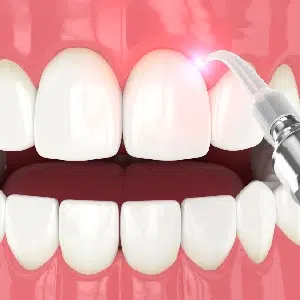
Understanding Laser Dentistry
Laser dentistry uses highly focused light beams to perform various dental procedures, from removing decayed tissue to reshaping gums. Laser precision means minimal damage to surrounding tissue, reduced discomfort, and often quicker recovery times.
Common Procedures Performed with Lasers
- Gum reshaping and contouring: Lasers precisely remove excess gum tissue to improve the gumline’s shape and symmetry. This enhances aesthetics while minimizing discomfort and promoting faster healing than traditional surgical methods.
- Cavity removal and preparation: Lasers gently remove decayed tooth material without the vibrations and noise of traditional drills. This technique reduces discomfort and preserves healthier tooth structure, creating a cleaner surface for fillings.
- Teeth whitening enhancement: Lasers can more effectively activate bleaching agents during professional whitening. This speeds up the whitening process and delivers brighter, longer-lasting results while minimizing tooth sensitivity during and after treatment.
- Soft tissue treatments (cold sores, gum infections): Lasers target and eliminate bacteria or lesions in soft tissues, relieving cold sores or infections. They seal tissues instantly, significantly reducing bleeding, discomfort, and healing time.
- Periodontal therapy: Lasers remove infected gum tissue and bacteria from periodontal pockets without damaging healthy tissue. This promotes gum reattachment and reduces pocket depth, improving periodontal health with less pain and downtime.
Benefits of Laser Dentistry
- Minimally invasive: Laser procedures are gentle, often eliminating the need for scalpels or stitches. This reduces trauma to tissues and creates a more comfortable experience for patients.
- Reduced need for anesthesia: Since lasers cause less discomfort and are highly precise, many procedures can be performed without local anesthesia, making dental visits more relaxing.
- Less bleeding and swelling: Lasers seal blood vessels during treatment, significantly minimizing bleeding. This reduces swelling and speeds up recovery, especially in soft tissue procedures.
- Faster healing and recovery: Lasers’ precision and cauterizing effect support quicker healing times. Patients experience less post-operative discomfort and can return to normal activities sooner.
- Lower risk of infection due to the sterilization effect of lasers: The laser sterilizes the area as it works, destroying bacteria and reducing the risk of post-treatment infections. This ensures a cleaner and safer healing process.
Understanding Traditional Dentistry
Traditional dental methods, which include drills, scalpels, and manual tools, have been the foundation of dental care for decades. Though highly effective, they often involve more invasive techniques and longer healing times.
Common Traditional Procedures
- Fillings using drills: Traditional fillings involve mechanical drills to remove decayed tooth material. Though effective, the noise, vibration, and heat can cause discomfort and anxiety, often requiring local anesthesia to numb the area during the procedure.
- Manual gum surgery: In conventional gum procedures, scalpels and stitches remove excess tissue or treat periodontal issues. This method can lead to increased bleeding, swelling, and a more extended recovery than modern laser techniques.
- Tooth extractions: When teeth are removed traditionally, forceps and surgical tools are often necessary. This process may involve cutting tissue and bone, which can lead to more bleeding, pain, and healing time than minimally invasive options.
- Crown preparation: Traditional methods of preparing a tooth for a crown involve reducing the tooth using a drill. This step can cause sensitivity and discomfort, and it usually requires anesthesia to manage pain during the shaping process.
Drawbacks of Traditional Methods
- May cause discomfort and require anesthesia: Traditional techniques often involve drills and cutting tools, which can be painful or uncomfortable. This usually requires local anesthesia to ensure patient comfort during the procedure, making the experience less invasive and stressful.
- Higher potential for bleeding and swelling: Using manual instruments increases the likelihood of tissue trauma. As a result, traditional methods often lead to more bleeding, swelling, and post-operative discomfort compared to less invasive technologies like lasers.
- Longer recovery periods: Because traditional procedures are more invasive, the healing process generally takes longer. Patients may experience discomfort, need stitches, and face increased downtime before returning to regular activities or enjoying complete relief.
- More anxiety-inducing due to sounds and vibrations: The loud sounds and vibrations from drills and other manual dental tools can cause significant anxiety, especially in nervous patients. This sensory discomfort often makes traditional treatments more stressful than necessary.
Laser Dentistry vs. Traditional Methods: A Direct Comparison
| Criteria | Laser Dentistry | Traditional Dentistry |
| Comfort | Minimally invasive, less discomfort | Often more invasive, it can cause discomfort |
| Healing Time | Faster recovery | Longer healing period |
| Anesthesia | Often not required | Usually necessary |
| Precision | Highly precise | Less precise in delicate areas |
| Infection Risk | Reduced due to sterilization | Higher risk without strict hygiene |
| Versatility | Ideal for soft tissue procedures | Preferred for extensive restorations |
Which Option Is Better for You?
There is no one-size-fits-all answer regarding laser dentistry vs. traditional methods. Each approach has its strengths:
- Laser dentistry is ideal for soft tissue procedures, cosmetic gum contouring, and patients with dental anxiety.
- Traditional methods are better suited for hard tissue procedures like placing crowns, treating advanced decay, and complex surgeries.
At Perfect White Smile, Dr. David Frey and our Beverly Hills, cosmetic experts team offer laser and traditional treatments. We assess your unique dental needs, comfort level, and desired outcomes before recommending the best approach.
Why Choose Perfect White Smile for Laser Dentistry in Beverly Hills
Our clinic combines advanced technology with decades of cosmetic and general dentistry experience. Dr. Frey has pioneered techniques and innovations, ensuring our patients receive only the most gentle and precise care.
With laser dentistry, we offer:
- State-of-the-art technology
- Customized treatment plans
- Compassionate and minimally invasive care
- Comprehensive cosmetic and restorative services
Book Your Consultation Today
Still unsure about laser dentistry vs. traditional methods? Let us help. At Perfect White Smile, every patient deserves comfort and confidence in their care. Book your personalized consultation today to explore your options and see how we can help create your perfect smile.
Call us (310) 737-8787 or visit our clinic at: 433 N Camden Drive Suite 1070, Beverly Hills, CA 90210.
FAQs
Is laser dentistry painful?
Laser dentistry is often less painful than traditional methods and may not require anesthesia for many procedures.
Can laser dentistry replace traditional dentistry entirely?
Not entirely. While it excels in soft tissue treatments, traditional methods are still better for certain hard tissue and restorative procedures.
Is laser treatment safe?
Yes. When performed by trained professionals like Dr. Frey at Perfect White Smile, laser dentistry is extremely safe and effective.
How much does laser dentistry cost?
The cost varies depending on the procedure, but is often comparable to traditional methods. We offer flexible financing options.
Bibliography & Sources
- “Lasers in Dentistry.”
- “Laser applications in dentistry.”
- “Laser vs Traditional Dental Treatment Comparison.”
- “Dental procedures and recovery times.”
Process of Dental Bonding. A confident smile can make a lasting first impression, but small imperfections like chips, gaps, or discoloration may affect how you feel about showing your teeth. Fortunately, cosmetic dentistry offers a simple and effective solution: dental bonding.
At Perfect White Smile, led by renowned cosmetic dentist Dr. David S. Frey, DDS, we help patients in Beverly Hills and beyond enhance their smiles with natural-looking dental bonding. But what exactly is the process like? This step-by-step guide will explain everything you need to know before your appointment.
What Is Dental Bonding?
Dental bonding is a cosmetic procedure in which a tooth-colored resin is applied to teeth and hardened with a special light. This material bonds to teeth and improves their appearance and function.
Bonding can fix many minor imperfections, such as:
- Chips and cracks
- Discolored teeth
- Gaps between teeth
- Short or misshapen teeth
- Protection for exposed tooth roots
Unlike veneers or crowns, bonding is minimally invasive and typically requires little to no removal of enamel.
Why Choose Dental Bonding?
Patients love dental bonding because:
Quick Procedure
Dental bonding is a quick procedure that typically takes just one appointment. This makes it ideal for patients seeking instant results without multiple visits or lengthy dental treatments.
Painless Experience
Bonding is minimally invasive and typically pain-free. In most cases, anesthesia is unnecessary since minimal enamel is removed, making the procedure comfortable and stress-free for patients.
Budget-Friendly
Dental bonding is a budget-friendly solution compared to more advanced cosmetic options like veneers or crowns. It delivers noticeable improvements to your smile at a fraction of the cost.
Natural Appearance
The composite resin used in dental bonding is carefully color-matched to blend seamlessly with natural teeth. This ensures that the repaired or enhanced area looks realistic and aesthetically pleasing.
Reversible Treatment
Dental bonding is a reversible cosmetic option. Since minimal tooth structure is removed, patients can pursue other treatments in the future if desired, without permanent changes to their teeth.
At Perfect White Smile, we use only the highest quality materials to ensure your results look stunning and natural.
Step-by-Step Guide to the Dental Bonding Process
Here’s what you can expect when you visit us for a bonding procedure:
Step 1: Consultation and Smile Assessment
Your journey begins with a comprehensive consultation. Dr. Frey will evaluate your oral health and discuss your smile goals to ensure bonding is right for you. Not all cases are suitable for bonding (e.g., severe decay or extensive damage may require crowns or veneers), so a customized approach is essential.
Step 2: Shade Matching
The composite resin used in dental bonding is available in many shades. Dr. Frey will carefully select a color that blends seamlessly with your natural teeth for an invisible repair.
Step 3: Tooth Preparation
Bonding requires minimal preparation. In most cases, anesthesia is unnecessary unless the bonding is being used to fill a cavity. The dentist will slightly roughen the tooth’s surface and apply a conditioning liquid to help the bonding material adhere properly.
Step 4: Applying the Composite Resin
Next, tooth-colored resin is applied, shaped, and sculpted to correct the imperfection. Dr. Frey uses artistic skill and precision to mold the resin to perfectly complement your natural tooth structure.
Step 5: Hardening the Bond
Once shaped, the resin is hardened using a special curing light. This process takes just a few seconds and instantly secures the resin to your tooth.
Step 6: Finishing Touches
Finally, Dr. Frey will trim, shape, and polish the bonded tooth. The goal is to ensure that your bonded tooth feels smooth and looks like your natural teeth.
Most bonding appointments take 30 minutes to 1 hour per tooth.
Aftercare and Longevity
Dental bonding does not require special maintenance, but good oral hygiene is essential. Follow these tips to keep your bonded teeth looking their best:
- Brush twice daily and floss regularly
- Avoid biting hard objects like pens or ice.
- Reduce staining by limiting coffee, tea, red wine, and tobacco.
- Visit Perfect White Smile for routine cleanings and exams
While dental bonding is durable, it is not as long-lasting as veneers or crowns. On average, bonding lasts 5–10 years before needing touch-ups or replacement.
Is Dental Bonding Right for You?
Dental bonding is a fantastic option for patients seeking a simple cosmetic fix. However, it’s not the best choice for extensive damage or severe misalignment.
At Perfect White Smile, Dr. Frey will help you decide if bonding, veneers, or another cosmetic procedure best meets your needs and long-term goals.
Transform Your Smile at Perfect White Smile
If you’re considering dental bonding in Beverly Hills, CA, trust Dr. David S. Frey and his team at Perfect White Smile. We’ve helped thousands of patients achieve their ideal smile with personalized cosmetic treatments.
Contact our friendly team today to schedule your consultation and learn how dental bonding can give you a flawless, confident smile.
FAQs
How long does dental bonding last?
Typically, bonding lasts 5–10 years. With proper care and maintenance, it may last longer.
Does dental bonding hurt?
No. Bonding is a painless procedure and usually does not require anesthesia unless used to fill a cavity.
Can dental bonding fix gaps?
Yes! Bonding is an excellent solution for closing small gaps between teeth quickly and affordably.
Is bonding stain-resistant?
While bonding material resists stains better than natural teeth, it is less resistant than porcelain veneers. To maintain brightness, avoid smoking and eating staining foods.
Can bonding be repaired if it chips?
Yes. Bonded areas can be easily repaired and polished by your dentist.
A complete and radiant smile enhances your appearance; it restores confidence, improves daily function, and protects your oral health. If you are missing several or all of your teeth, you may be weighing your options: Full Mouth Dental Implants vs Dentures.
At Perfect White Smile in Beverly Hills, we help patients make informed choices that suit their unique goals and lifestyle. In this guide, we’ll explain everything you need to know about these two popular solutions, from costs and benefits to long-term expectations.
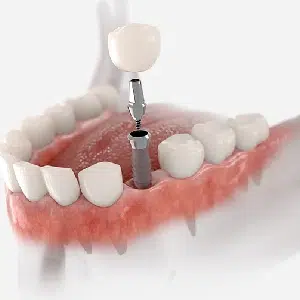 Understanding Full-Mouth Dental Implants
Full mouth dental implants involve strategically placing dental implants throughout the upper and/or lower jaws. These implants serve as secure anchors for permanent prosthetic teeth.
What Are They?
- Titanium posts are surgically implanted into the jawbone.
- A custom-made bridge or set of crowns is attached to the implants.
- This option offers the closest replacement to natural teeth.
Benefits of Full-Mouth Dental Implants
- Unmatched Stability: Implants are anchored into bone, eliminating slipping or movement.
- Preservation of Jawbone Health: Implants stimulate the bone, preventing bone loss and facial sagging.
- Natural Aesthetics: Implants look and feel incredibly natural.
- Easy Maintenance: Brush and floss like natural teeth.
Drawbacks of Full-Mouth Dental Implants
- Higher Initial Cost: Implant placement is a surgical procedure and tends to cost more upfront.
- Longer Treatment Time: Healing and osseointegration may take several months.
- Surgical Candidacy Required: Not all patients qualify without bone grafting.
Understanding Dentures
Dentures are removable prosthetics designed to replace missing teeth and surrounding tissues.
What Are They?
- Full dentures replace an entire arch of teeth.
- Partial dentures fill gaps when some natural teeth remain.
- Modern dentures can be customized for comfort and aesthetics.
Benefits of Dentures
- Affordable Upfront Costs: Dentures are generally less expensive initially.
- Quick Solution: Dentures can be crafted and fitted relatively quickly.
- Non-Invasive: No surgical procedures are required for standard dentures.
Drawbacks of Dentures
- Stability Issues: They can shift or slip, especially without adhesive.
- Bone Loss Concerns: Dentures do not stimulate the jawbone, potentially leading to bone deterioration.
- Ongoing Maintenance: Dentures need adjustments, relining, and eventual replacement.
Full Mouth Dental Implants vs Dentures: Cost Comparison
Cost of Full-Mouth Dental Implants
- It can range from $20,000 to $50,000 per arch depending on complexity.
- Considered an investment in long-term oral health and aesthetics.
- Insurance and flexible financing options may partially cover it.
Cost of Dentures
- Typically between $1,500 and $5,000 per arch.
- Less expensive initially, but may incur replacement and maintenance costs over time.
- Does not prevent bone loss, which could lead to additional expenses later.
Long-Term Value
While dentures offer lower initial costs, implants deliver better value over time. Full-mouth dental Implants vs Dentures is not just about upfront price but overall satisfaction, comfort, and long-term oral health.
Which Option Is Right for You?
Choosing between Full Mouth Dental Implants vs Dentures depends on several factors:
Budget and Financing
While full-mouth dental implants involve a higher initial cost, they are a long-term investment. Many clinics offer flexible financing options, making them accessible. Though more affordable upfront, dentures may incur recurring replacement and maintenance costs over time.
Bone Health
Implants may require bone grafting procedures for patients with significant jawbone loss to ensure stability and success. Dentures do not need as much bone support, but do not prevent further bone loss, which can change facial structure over the years.
Lifestyle and Preferences
Implants offer superior comfort and functionality, closely mimicking natural teeth. They allow you to eat, speak, and smile confidently without worry of slipping or discomfort, unlike removable dentures, which may shift or require adhesive for secure placement throughout the day.
Long-Term Vision
Considering your future dental health and lifestyle is essential. Implants provide a permanent solution with excellent durability, whereas dentures may need frequent adjustments or replacements. Before making a decision, consider comfort, maintenance, and aesthetic appeal over the next 10–20 years.
At Perfect White Smile, our dental experts are here to explain every option. From digital imaging and personalized treatment planning to expert aftercare, we ensure that you are empowered to choose the best solution.
Experience the Perfect White Smile Difference
Led by Dr. David S. Frey, Beverly Hills, trusted cosmetic and restorative dentist, Perfect White Smile offers state-of-the-art dental solutions, including consultations on full mouth dental implants vs dentures. Our patients enjoy:
- Advanced digital planning and imaging
- Custom smile designs for natural aesthetics
- Gentle, expert care throughout the process
- Long-lasting, confidence-boosting results
Conclusion: Investing in Your Smile
Both full-mouth implants and dentures can restore your smile, but they offer very different experiences and outcomes. If you seek unmatched comfort, function, and natural beauty, Full-Mouth Dental Implants may be your best investment. However, dentures remain a reliable, affordable solution for many.
Are you not sure which is right for you? Perfect White Smile in Beverly Hills, CA Contact today to schedule your consultation. Together, we’ll help you discover the most effective and rewarding path toward your dream smile.
FAQs
Are dental implants painful?
No. The procedure is done under local anesthesia or sedation. Most patients report only minor discomfort after surgery.
How long do full-mouth implants last?
With proper care, implants can last 20 years or more, often a lifetime.
Do dentures need to be removed daily?
Yes. Removable dentures should be taken out daily for cleaning and comfort.
Can I switch from dentures to implants later?
Yes! Many patients upgrade from dentures to implants as bone health and finances allow.
Does insurance cover full-mouth implants?
Some insurances cover part of the cost. Our team will help you explore all financing options.
Bibliography & Sources
- American Dental Association (ADA). “Dental Implants.”
- “Dentures: What to Expect.”
- “Dental Implants vs Dentures: What’s the Difference?”
When dealing with tooth decay or dental pain, patients often ask, “Is root canal better than filling?” This common question reflects the importance of understanding the differences between these two essential treatments. At Perfect White Smile in Beverly Hills, led by renowned cosmetic dentist Dr. David S. Frey, we help patients make informed choices for their oral health and aesthetics.
In this blog, we’ll explore when a filling is appropriate, when a root canal is necessary, and why choosing the right option is vital to preserving your smile.
Understanding Fillings and Root Canals
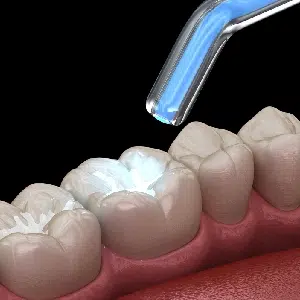
What is a Dental Filling?
A dental filling is a simple and effective solution for treating minor to moderate tooth decay. When plaque and bacteria erode your enamel, small cavities form. If caught early, your dentist can remove the decayed portion of the tooth and fill it using tooth-colored composite materials, amalgam, gold, or porcelain.
Fillings are ideal when:
- Decay has not reached the inner pulp
- The tooth structure is largely intact
- There are no signs of infection
At Perfect White Smile, we use only the most advanced and aesthetically pleasing filling materials, ensuring your restorations blend seamlessly with your natural teeth.
What is a Root Canal?
A root canal, on the other hand, is necessary when decay or trauma has reached the innermost layer of the tooth, the pulp. The pulp contains nerves and blood vessels, and when it becomes infected or inflamed, it can cause severe pain and lead to abscesses or tooth loss.
Root canal therapy involves:
- Removing the infected or damaged pulp
- Cleaning and disinfecting the inside of the tooth
- Filling the canals with a biocompatible material
- Sealing the tooth and typically restoring it with a dental crown
At Perfect White Smile, our root canal procedures are performed with precision and care, using modern techniques and anesthesia to ensure a virtually painless experience.
When Is a Dental Filling the Better Option?
Not every case of decay or damage requires a root canal. A dental filling may be the better choice when:
- The cavity is small and does not affect the pulp
- There is no pain or sensitivity.
- The tooth’s structure is strong and intact.
Fillings are quicker, less invasive, and more affordable than root canals. If your dentist identifies minor decay during a routine exam, treating it promptly with a filling can help you avoid more extensive procedures.
When Is a Root Canal Necessary?
In some situations, a root canal is clearly the better option than a filling. This includes:
- Deep decay that reaches the pulp
- Severe toothache or pain
- Prolonged sensitivity to heat or cold
- Swelling, tenderness, or an abscess near the tooth
- Cracks or trauma exposing the pulp
In these cases, placing a simple filling without removing the infected tissue would only temporarily mask the symptoms. The infection could spread without proper treatment, leading to more serious health issues or tooth loss.
Benefits of Root Canal Over Filling
When needed, root canal therapy offers several advantages over fillings:
- Preserves Natural Tooth: Saving your tooth is always preferable to extraction.
- Stops Infection: Removing infected pulp prevents the spread of bacteria.
- Restores Function: A root canal-treated tooth with a crown can function like a natural tooth.
- Protects Oral Health: Prevents bone loss and maintains your bite alignment.
At Perfect White Smile, we believe in preserving natural teeth whenever possible; root canal therapy is a cornerstone of that philosophy.
Root Canal vs. Filling: What About Costs?
Another consideration is cost. Fillings are more affordable initially, but if you avoid a needed root canal, you could end up paying more in the long run for procedures like:
- Tooth extraction
- Dental implants or bridges
- Emergency dental care due to worsening infections
A root canal can be a smart long-term investment by addressing the problem at its root—no pun intended.
What Happens After Treatment?
After a Filling
You can return to normal activities almost immediately after a filling. Some sensitivity may occur, but it typically resolves quickly.
After a Root Canal
After a root canal, a temporary filling may be placed while your custom crown is prepared. Once the crown is placed, your tooth will be fully functional and protected.
The Perfect White Smile Approach to Dental Care
At Perfect White Smile in Beverly Hills, we understand the anxiety and confusion that come with dental decisions like Is root canal better than filling?
Here’s how we help:
- Advanced Diagnostics: We use digital imaging to assess the extent accurately.
- Personalized Consultations: We listen to your concerns and create customized treatment plans.
- Comfort and Care: Our gentle approach and sedation options ensure a stress-free experience.
- Cosmetic Excellence: Even functional treatments like fillings and root canals are performed with aesthetics, ensuring beautiful, natural-looking results.
Whether your case calls for a simple filling or a more involved root canal, Dr. David Frey and our team will deliver compassionate, expert care.
Conclusion: Which is Better — Root Canal or Filling?
The answer is not always straightforward. A filling is the preferred solution for minor decay, and it is quick, easy, and cost-effective. However, when infection or deep damage is present, root canal therapy is a better option to save your natural tooth and restore function.
If you’re unsure which is right, the best next step is a comprehensive dental evaluation.
Book Your Consultation at Perfect White Smile Today!
Your smile deserves expert care and honest advice. If you’re asking yourself, Is root canal better than filling?, our team at Perfect White Smile in Beverly Hills, CA is here to help.
Contact us at (310) 737-8787 or visit our office to schedule a consultation. Let us help you make the best decision for your oral health and smile.
FAQs
Is a root canal painful compared to a filling?
Modern root canals are performed under local anesthesia and are no more uncomfortable than fillings. Recovery is typically smooth and pain-free.
How long does a root canal last?
Root canal-treated teeth can last a lifetime with proper care and a crown.
Can a filling be upgraded later to a root canal if needed?
Yes, if decay progresses or the pulp becomes infected, a filling may be followed by a root canal.
Is root canal always necessary if pain is present?
Not always. Pain can have multiple causes. A detailed examination will determine whether a root canal or filling is appropriate.
Can fillings and root canals improve the look of my teeth?
Yes. At Perfect White Smile, even restorative treatments are designed with aesthetics in mind to preserve or enhance your smile.
Hearing the words “root canal” often makes patients anxious, but this essential treatment can be a game-changer for oral health. Root canals are among the most effective ways to save a natural tooth and avoid extraction, all while relieving pain and preserving your smile.
At Perfect White Smile in Beverly Hills, renowned cosmetic dentist Dr. David Frey and his experienced team combine state-of-the-art technology with decades of expertise to ensure every root canal treatment is gentle, precise, and effective.
If you’re wondering what a root canal does, how it works, and why it may be necessary, this detailed guide will answer all your questions.

Understanding the Basics: What Is a Root Canal?
A root canal is a dental procedure to treat infection or damage inside the tooth. The “root canal” refers to the natural cavity within the tooth’s root that houses soft tissue known as the pulp, which contains nerves, blood vessels, and connective tissues.
When this pulp becomes infected or inflamed, often due to deep decay, cracks, or trauma, it causes severe pain and, if left untreated, can lead to abscesses and tooth loss. A root canal procedure removes this infected tissue, disinfects the area, and seals the tooth to prevent further problems.
What Happens During a Root Canal?
What does a root canal do step-by-step? Here’s a simple overview of the process:
Diagnosis and Preparation
At Perfect White Smile, your comfort comes first. We begin with advanced digital imaging to assess the tooth. If a root canal is needed, we gently numb the area before starting the procedure to ensure a pain-free experience.
Accessing the Tooth
A small, precise opening is made in the tooth’s crown to reach the pulp chamber. This step allows our team to effectively access the infected tissue and begin cleaning while preserving as much healthy structure as possible.
Removing Infected Pulp
Dr. Frey carefully removes the infected or damaged pulp from the tooth using specialized instruments. This crucial step eliminates the source of pain and prevents the spread of infection to surrounding tissues and bone.
Cleaning and Shaping the Canals
Once the pulp is removed, the inner canals are thoroughly cleaned, disinfected, and reshaped. This ensures all harmful bacteria are eliminated and the space is ready for a secure, long-lasting filling.
Filling and Sealing the Tooth
After cleaning, the canals are filled with a biocompatible material called gutta-percha to prevent future infection. A temporary or permanent filling is then placed to close the access point.
Restoration with a Crown
A custom crown is placed to protect the treated tooth and restore full function. Dr. Frey crafts high-quality restorations that blend seamlessly with your natural teeth for lasting strength and aesthetic appeal.
Why Would You Need a Root Canal?
Many patients at Perfect White Smile ask, “Do I need a root canal?” If you’re experiencing the following symptoms, the answer may be yes:
- Severe tooth pain, especially when chewing or applying pressure
- Prolonged sensitivity to heat or cold
- Darkening or discoloration of the tooth
- Swollen or tender gums near the tooth
- Recurring pimples or abscesses on the gums
A root canal is necessary when the pulp is irreversibly damaged and cannot heal independently. Without treatment, the infection can spread to surrounding tissues and even enter the bloodstream, posing serious health risks.
What Does a Root Canal Do to Save My Tooth?
Ultimately, the goal of a root canal is simple yet profound: It saves your natural tooth. Instead of extracting and replacing the tooth with a bridge or dental implant, a root canal preserves the structure and keeps your natural smile intact.
Here’s how a root canal benefits your oral health:
- Prevents Tooth Loss: By treating the infection inside the tooth, root canals help retain your original tooth, which is always the best option when possible.
- Stops the Spread of Infection: Removing infected tissue prevents bacteria from spreading to adjacent teeth or entering the bloodstream.
- Eliminates Pain: Once the infection and inflammation are removed, your pain subsides, and you can eat and speak comfortably again.
- Restores Function and Appearance: A crown placed after the root canal restores full function and blends beautifully with your natural teeth.
Myths vs. Reality: Is a Root Canal Painful?
Thanks to advances in modern dentistry, root canals are no longer the painful procedures they once were feared to be. At Perfect White Smile, Dr. Frey uses advanced anesthetics, gentle techniques, and state-of-the-art technology to ensure your comfort throughout the procedure.
Many patients report that the procedure feels no more uncomfortable than getting a filling.
Perfect White Smile: Where Comfort and Precision Meet
Choosing the right dentist makes all the difference when you need a root canal.
At Perfect White Smile, located in the heart of Beverly Hills, CA, Dr. David Frey brings more than 35 years of experience in advanced and cosmetic dentistry. Our team blends clinical expertise with a gentle, personalized touch to make root canal therapy stress-free and successful.
Whether you’re visiting from Beverly Hills or the surrounding areas, we are committed to helping you achieve a healthy, pain-free smile.
Additional Benefits of Choosing Us for Your Root Canal
- State-of-the-Art Technology: We use advanced imaging and treatment tools for precise and minimally invasive root canals.
- In-Network Insurance & Flexible Payments: We make your care affordable with financing options and acceptance of all major PPO insurances.
- Compassionate, Personalized Care: Your comfort and satisfaction are our priority from consultation to post-treatment follow-ups.
- Experience You Can Trust: Dr. Frey has performed thousands of restorative procedures, focusing on both function and aesthetics.
Is It Time to Save Your Tooth?
If you’re experiencing tooth pain or have been told you need a root canal, don’t delay. A root canal does far more than relieve discomfort; it gives your tooth a second chance and keeps your smile healthy and whole. At Perfect White Smile, we invite you to discover the difference that expertise, compassion, and advanced technology can make.
Call us at (310) 737-8787 or visit our Beverly Hills office to schedule your consultation. Your smile deserves nothing less than perfection.
FAQs
How long does a root canal take?
Most procedures take 60 to 90 minutes and can often be completed in a single visit.
Is a crown always needed after a root canal?
In most cases, yes. A crown strengthens and protects the treated tooth, especially molars.
How long do root canal results last?
With proper care, a root canal-treated tooth can last a lifetime.
What happens if I avoid getting a root canal?
Delaying treatment can lead to severe pain, infection, and tooth loss.
Does dental insurance cover root canals?
Many dental plans cover part or all of the cost. We can help verify your benefits before treatment.
Bibliography and Sources
When it comes to restoring your smile, dental implants are widely considered the gold standard. They offer unmatched stability, aesthetics, and long-term benefits. But one question patients at Perfect White Smile in Beverly Hills frequently ask is Can dental implants be done in one day?
With advancements in modern dental technology and techniques, the answer is often yes. Same-day dental implants, or immediate load implants, transform how quickly patients can reclaim their smiles.
Our team, led by renowned cosmetic and implant dentist Dr. David S. Frey, specializes in customized solutions for fast, beautiful, and long-lasting tooth replacement. Let’s explore how same-day dental implants work and who makes the ideal candidate.
Understanding Same-Day Dental Implants
Traditional dental implants typically require several months of healing after implant placement before a crown or prosthetic tooth is attached. However, same-day implants streamline this process.
With immediate load implants, the implant post is surgically placed into the jawbone, and a temporary crown or prosthesis is attached the very same day. This allows patients to leave the office with a fully functional and attractive smile, with a waiting period no longer required.
At Perfect White Smile, our use of cutting-edge imaging, advanced planning tools, and Dr. Frey’s 35+ years of experience allows us to deliver predictable, efficient, and stunning results.
What Makes Same-Day Dental Implants Possible?
So, can dental implants be done in one day? In many cases, yes, but certain factors must align to make this option viable:
- Bone Health: Sufficient jawbone density and volume are necessary to stabilize the implant immediately.
- Oral Health: Healthy gums and no active infections create an optimal environment for healing.
- Implant Site: Same-day implants are more successful in areas with minimal bite pressure, such as front teeth.
- Patient’s Overall Health: Non-smokers and individuals with good general health typically heal faster and experience better outcomes.
Dr. Frey will conduct a comprehensive consultation at our Beverly Hills dental office to determine if you’re a candidate.
What Happens on the Day of the Procedure?
At Perfect White Smile, same-day implant procedures follow a streamlined process:
Detailed Assessment:
We start with high-resolution digital imaging and 3D scans to assess your bone quality and design a tailored surgical plan. This technology ensures precise implant placement, reduces surprises during surgery, and helps our team prepare for immediate results when possible.
Implant Placement:
The dental implant, a titanium post, is gently inserted into the jawbone using advanced, minimally invasive techniques. This process minimizes discomfort and promotes quicker healing, forming the foundation for a stable, long-lasting tooth replacement that mimics the strength and function of a natural root.
Immediate Prosthetic Attachment:
Right after placing the implant, we attach a temporary crown or bridge. This gives you a fully functional and natural-looking tooth the same day, allowing you to speak, eat, and smile confidently without waiting for months like traditional implant methods.
Healing and Final Restoration:
Over several months, your implant fuses with the bone through a process called osseointegration. Once healing is complete, we replace the temporary crown with a custom-designed permanent restoration that blends seamlessly with your natural teeth and offers long-term strength and aesthetics.
Benefits of Same-Day Dental Implants
Can dental implants be done in one day? Absolutely and here’s why many patients prefer this option:
- Instant Results: Leave the office with a full, attractive smile immediately after surgery.
- Fewer Appointments: Traditional implants often require multiple visits over months. Same-day implants minimize disruptions to your schedule.
- Preserved Bone and Gums: Immediate placement reduces bone loss and helps maintain gum tissue shape.
- Improved Confidence: No need to wear uncomfortable removable dentures or go without teeth during the healing process.
At Perfect White Smile, every detail is customized for a natural look that blends seamlessly with your existing teeth.
Are Same-Day Implants Right for Everyone?
While the idea of instant results is appealing, same-day dental implants are not suitable for everyone.
You may not be a candidate if:
- You have severe bone loss in the jaw.
- You have active gum disease or oral infections.
- You smoke heavily or have uncontrolled medical conditions.
During your consultation, Dr. Frey will thoroughly assess your oral and overall health to recommend the most effective and safe solution. Even if immediate implants aren’t ideal for you, our team offers advanced techniques, including bone grafting and sinus lifts, to build bone and improve candidacy.
Same-Day vs. Traditional Dental Implants
Can dental implants be done in one day? They can, but how do they compare to the traditional approach?
| Same-Day Dental Implants | Traditional Dental Implants |
| Immediate function and aesthetics | Longer healing period before crown placement |
| Fewer visits required | Multi-step process over months |
| Best for strong bone density and healthy patients | Suitable for a broader range of patients |
| May require more precise planning and technique | Established, highly predictable success |
Ultimately, the right option depends on your unique needs, goals, and oral health.
Why Choose Perfect White Smile for Dental Implants?
When you’re considering if dental implants can be done in one day, the dentist you choose matters.
At Perfect White Smile in Beverly Hills, Dr. David Frey offers unmatched expertise and artistry in implant dentistry. With over 35 years of experience and a reputation for creating celebrity-caliber smiles, Dr. Frey’s approach ensures comfort, beauty, and long-lasting results.
Here’s why patients choose us:
- State-of-the-art technology for precise planning
- Gentle, minimally invasive techniques
- Customized aesthetics for flawless results
- Same-day implant solutions for eligible candidates
- Financing options and insurance are accepted to make treatment accessible
Your dream smile is just one day away; we are here to make it happen.
Book Your Consultation Today
Can dental implants be done in one day? In many cases, yes, and the team at Perfect White Smile is ready to help you achieve a stunning, healthy smile without waiting months for results.
If you want to learn more about same-day dental implants and whether they’re right, we invite you to schedule a personalized consultation at our Beverly Hills office.
Call (310) 737-8787 or contact us online.
Your perfect smile begins today!
FAQs
Can dental implants really be done in one day?
Yes, for eligible patients with healthy bone and gums, immediate implants can provide same-day tooth replacement.
How long do same-day implants last?
With proper care, they can last just as long as traditional implants, often decades or even a lifetime.
Will I feel pain during or after the procedure?
The procedure is performed under local anesthesia and sedation if needed. Mild soreness after surgery is common but manageable.
Is same-day implant placement safe?
Yes. With careful planning and expert placement by a skilled dentist like Dr. Frey, same-day implants are safe and highly effective.