
If you’re considering improving your smile in Beverly Hills or the Los Angeles area, two of the most popular cosmetic dentistry options are dental bonding and porcelain veneers. While both treatments enhance the appearance of your teeth, they offer different benefits in terms of cost, durability, and the scope of transformation. Knowing which one is right for you depends on your specific needs, lifestyle, and goals.
What Are Porcelain Veneers?
Porcelain veneers are a premium cosmetic option favored by many patients in Beverly Hills for complete smile transformations. These thin ceramic shells are bonded to the front surface of your teeth after a small amount of enamel is removed. The process typically takes two visits and includes custom lab fabrication.
Why veneers are a go-to for Los Angeles patients
- Create a smooth, glossy, and natural-looking finish
- Highly resistant to staining,great for wine lovers and coffee drinkers
- Long-lasting results, often 10 to 15+ years with good care
- Ideal for correcting worn, misaligned, or heavily stained teeth
- Provides that polished, camera-ready “Hollywood smile”
Things to keep in mind
- Higher cost per tooth due to advanced materials and lab work but worth it
- Requires permanent enamel removal, which makes it irreversible
- May involve some sensitivity post-treatment
What Is Dental Bonding?
Dental bonding is a cosmetic dental treatment commonly offered in Beverly Hills and Greater Los Angeles. It uses a tooth-colored composite resin to fix small imperfections such as chips, gaps, or isolated discoloration. The procedure is quick, often completed in a single visit, and minimally invasive with little to no enamel removal.
Why dental bonding is a popular choice in West LA
- Typically requires no drilling or permanent alteration to the tooth
- Completed in one appointment,perfect for busy professionals and students
- Great for minor aesthetic fixes like chips or small gaps
- Budget-friendly compared to other cosmetic treatments
- Easy to touch up or repair in the future
Things to consider
- Bonding is more prone to staining, especially if you drink coffee or red wine
- Not as durable as veneers, typically lasting 3 to 10 years because they can chip easily
- Not designed for full smile makeovers or major cosmetic changes since it would take many hours to apply and then if the forces in the bite are strong, you will break them and that is frustrating.
Comparing Veneers and Bonding for Beverly Hills and Los Angeles Smiles
| Factor | Dental Bonding | Porcelain Veneers |
| Best for | Minor chips, gaps, localized discoloration | Larger smile makeovers, worn teeth, major stains |
| Tooth preparation | Minimal or none | Requires enamel removal |
| Durability | 3–6 years | 10–15+ years |
| Cost per tooth | depends | Higher due to lab and materials |
| Number of visits | Usually one | Two or more |
How to Decide What’s Best in Los Angeles
If you’re prepping for an event, want to fix a small chip, or prefer a reversible, lower-cost option, dental bonding could be the perfect fit. But if you’re looking for a dramatic, long-lasting upgrade that transforms several teeth, veneers offer more in terms of durability and aesthetics.
In West LA and Beverly Hills, many patients make their choice based on lifestyle and expectations. If you’re often in the spotlight, attend events, or want a long-term boost in confidence, veneers are an excellent investment. If you’re new to cosmetic dentistry or just need a simple fix, bonding is an accessible way to elevate your smile without major commitment.
Frequently Asked Questions from Beverly Hills and LA Patients
1. Which lasts longer?
Veneers typically last 10 to 15 years, while bonding generally lasts between 3 to 10 years depending on care and your bite and the technique of the dentist and quality of his products.
2. Which looks more natural?
Porcelain veneers offer a more enamel-like finish and maintain their color longer than bonding. Bonding can be dull.
3. What’s the price difference?
Bonding is more cost-effective per tooth. Veneers cost more due to the materials, lab work, and multi-visit process.
4. Can bonding be repaired?
Yes, bonding can be repaired or touched up quickly if it chips and can happen frequently! Porcelain veneers are much stronger and less problems over time.
5. Is either treatment painful?
Bonding usually doesn’t require numbing. Veneers may involve mild discomfort due to enamel preparation, but it’s generally well tolerated.
6. Will they stain?
Composite bonding can stain over time, especially with coffee, tea, or wine. They are not color stable and fade color. Porcelain veneers are highly stain-resistant and will not stain intrinsically as they are color stable.
7. Is bonding reversible?
Yes, bonding usually does not involve permanent changes to the tooth. Veneers are not reversible because enamel is removed unless you do a No-prep veneer. Sometimes known as Lumineers they simply fit over your natural tooth. Good for small teeth or gappy teeth.
8. Can both close gaps and fix chips?
Yes. Bonding is ideal for small, localized fixes, while veneers are better for larger cosmetic adjustments.
9. Which is right for me?
If you’re looking for a short-term, affordable cosmetic improvement, bonding is a great choice. For a long-term, high-end transformation, veneers are the way to go. The problem is that your smile is something that goes with you everywhere you go. There is no short term solution when it comes to your smile! Go with porcelain veneers if you can.
Choosing Between Bonding or Veneers in Beverly Hills and West LA for Your Ideal Smile
In a city where first impressions matter, choosing between dental bonding and porcelain veneers can make a significant difference in how you look and feel. For residents of Beverly Hills and the wider West Los Angeles area, both options offer transformative benefits depending on your budget, timeline, and cosmetic goals.
Bonding offers a fast, reversible, and affordable way to fix minor flaws. It’s ideal for those starting their cosmetic journey or needing quick touch-ups. Veneers, on the other hand, offer long-lasting beauty and durability for patients ready to commit to a premium, polished smile that stands out whether you’re on Rodeo Drive or attending a red carpet event.
Whether you’re preparing for a major life event, improving your everyday confidence, or simply seeking a refined, natural look, choosing the right treatment,and the right dental team,makes all the difference.
Book Your Beverly Hills Smile Consultation Today – Serving West LA and Greater Los Angeles
Schedule your cosmetic consultation today with Perfect White Smile – Cosmetic Dentistry Beverly Hills. Conveniently located at 433 N Camden Dr #1070, Beverly Hills, CA 90210, our expert team provides advanced cosmetic solutions tailored to patients from Beverly Hills, West LA, and the Greater Los Angeles area. Call 310.737.8787 to book your appointment and discover whether dental bonding or veneers is the perfect choice for your perfect white smile.
A flawless smile can significantly enhance confidence and leave a lasting impression. For those considering cosmetic dentistry, Lumineers and traditional veneers are two of the most popular options. Both treatments improve the appearance of teeth by addressing discoloration, chips, gaps, and minor misalignments. However, the key question remains, is Lumineers better than veneers?
Both options offer distinct advantages, but differences in material, thickness, durability, and application process make each more suitable for different patients. Understanding these variations will help you determine the best choice for your smile transformation.
What Are Porcelain Veneers?

Porcelain veneers are thin, custom-made shells crafted from high-quality ceramic materials. These shells are bonded to the front surface of teeth to improve their appearance, creating a whiter and more uniform smile. To ensure a proper fit, a small amount of enamel is removed from the tooth before veneer placement. This process allows the veneers to sit naturally and blend seamlessly with existing teeth.
Key Characteristics of Porcelain Veneers
Porcelain veneers have several advantages, that makes them a preferred choice for those looking for long-term smile enhancement.
- They are highly durable and can last between ten to fifteen years with proper care.
- They are custom-designed to match the exact color, shape, and size of natural teeth.
- Regular brushing, flossing, and routine dental visits help maintain their longevity.
- A small amount of enamel must be removed to ensure a perfect fit.
- They are highly resistant to staining from coffee, tea, and red wine.
What Are Lumineers?
Lumineers are a brand of ultra-thin, no-prep veneers made from a specialized type of porcelain. Unlike traditional veneers, Lumineers do not require enamel removal, making them a minimally invasive alternative. They are approximately 0.3 millimeters thick, whereas regular veneers range from 0.5 to 1 millimeter in thickness.
Key Characteristics of Lumineers
Lumineers provide a convenient solution for those who want a whiter and more uniform smile without permanent alterations to their natural teeth.
- No enamel removal is required, making the procedure reversible.
- Their ultra-thin design allows for a more natural look but may not completely mask severe discoloration.
- With proper care, Lumineers can last between ten and twenty years.
- The application process is painless and does not require numbing or drilling.
- The initial cost of Lumineers is often lower than that of traditional veneers.
Veneers vs. Lumineers: A Detailed Side-by-Side Comparison
Choosing between veneers and Lumineers depends on cosmetic goals, dental health, and budget. The following comparison highlights the differences between the two treatments.
How Long Will They Last?
Both Lumineers and traditional veneers offer long-lasting results when properly maintained. The lifespan of these cosmetic enhancements depends on oral hygiene and lifestyle habits.
- Porcelain veneers can last between ten and fifteen years before requiring replacement.
- Lumineers can last up to twenty years, though they are more prone to chipping due to their thin structure.
Consistent oral hygiene, avoiding excessively hard foods, and scheduling regular dental checkups can help extend the longevity of both Lumineers and traditional veneers.
Cost Comparison: Initial vs. Long-Term Investment
- The cost of porcelain veneers ranges from one thousand to two thousand five hundred dollars per tooth. This price reflects the enamel removal and extensive customization required.
- Lumineers typically cost between eight hundred and two thousand dollars per tooth, making them a more affordable initial investment.
Although Lumineers are often less expensive upfront, porcelain veneers may provide better long-term value due to their durability and superior stain resistance.
Procedure and Treatment Process
The procedure for both Lumineers and veneers varies slightly, affecting the overall patient experience.
Porcelain Veneers Procedure
- The dentist conducts an initial consultation and evaluation.
- A small amount of enamel is removed to prepare the teeth for veneers.
- Impressions of the teeth are taken to create custom veneers.
- The veneers are permanently bonded to the teeth during the final appointment.
Lumineers Procedure
- A consultation is conducted to determine if Lumineers are suitable.
- Impressions of the teeth are taken without any enamel removal.
- Custom Lumineers are crafted in a dental laboratory.
- The Lumineers are bonded to the teeth without requiring significant modification.
Which Option is Best for Your Smile?
The choice between Lumineers and porcelain veneers depends on individual dental concerns, cosmetic preferences, and long-term goals. While Lumineers provide a minimally invasive approach, porcelain veneers offer superior durability and a more dramatic transformation.
Transform Your Smile with the Right Choice
If you’re considering Lumineers or porcelain veneers, Perfect White Smile offers expert guidance. Our skilled dental professionals will evaluate your unique needs and provide a tailored solution to enhance your smile with expert precision and compassionate care.
Call (310) 737-8787 today to schedule your consultation and take the first step toward achieving your perfect smile.
FAQs
Which lasts longer, veneers or Lumineers?
With proper care, both veneers and Lumineers can last over a decade. While traditional veneers generally last between ten and fifteen years, Lumineers may last up to twenty years due to their thin yet durable porcelain material.
What is better, veneers or Lumineers?
Porcelain veneers offer superior durability, stain resistance, and a highly customized appearance. Lumineers provide a non-invasive, reversible option for those who want a whiter smile without enamel removal. The best choice depends on an individual’s dental condition and cosmetic goals.
Do celebrities get veneers or Lumineers?
Many celebrities opt for both veneers and Lumineers to enhance their smiles. The decision depends on their specific needs—veneers offer a complete transformation, while Lumineers provide a less invasive alternative with a natural appearance.
Do you shave teeth for Lumineers?
Unlike traditional veneers, Lumineers do not require shaving or enamel removal. They are applied directly to the teeth, offering a minimally invasive option with no permanent alterations to the natural tooth structure.
Bibliography & Sources
Veneers vs. Lumineers: What’s the Difference?
A bright, white smile is often associated with confidence and good oral health, making teeth whitening one of the most popular cosmetic dental treatments. However, many people hesitate to undergo the procedure due to concerns about pain and sensitivity. The question often arises: is teeth whitening painful? While most people experience little to no discomfort, some may feel temporary sensitivity during or after the procedure.
Understanding how teeth whitening works, its potential side effects, and ways to reduce discomfort can help individuals achieve a whiter smile with confidence. Keep reading to explore whether teeth whitening causes pain, the common side effects, and how to ensure a comfortable experience.
What Is Teeth Whitening?

Teeth whitening is a cosmetic dental procedure that removes stains and discoloration from the enamel. This process typically involves bleaching agents like hydrogen peroxide or carbamide peroxide, which penetrate deep stains and effectively brighten the teeth.
There are multiple methods available, including professional in-office treatments and at-home whitening kits. While both can be effective, professional whitening is often preferred for faster and more dramatic results under the supervision of a dentist.
What Does Teeth Whitening Do?
Teeth whitening treatments penetrate the enamel to break down stain molecules, revealing a brighter, more youthful smile. Over time, teeth become discolored due to factors such as coffee, tea, red wine, smoking, and aging. Whitening treatments effectively lift these stains to enhance the overall brightness of the smile.
Professional treatments often provide noticeable results in a single session, whereas at-home options deliver gradual improvements over time. The effectiveness of whitening depends on many factors, such as the concentration of the bleaching agent and the extent of discoloration.
Does Teeth Whitening Hurt?
Teeth whitening is generally not painful. However, some individuals may experience mild to moderate sensitivity during or after the procedure. This occurs because whitening agents temporarily weaken the enamel, exposing the dentin layer beneath, which contains microscopic tubules connected to nerve endings.
The level of discomfort or uneasiness varies based on factors such as the effectiveness of the whitening agent used, pre-existing tooth sensitivity, the condition of enamel and gums, and whether the treatment is performed professionally or at home. While sensitivity is usually temporary, it can last for a few hours to a couple of days after whitening.
Common Side Effects of Teeth Whitening
Although teeth whitening is considered safe, some common side effects include:
Tooth Sensitivity
Sensitivity is the most frequently reported side effect of teeth whitening. This occurs because the bleaching agents temporarily dehydrate the teeth, making them more responsive to hot, cold, or sweet foods and beverages. The sensitivity typically subsides within a few days.
Gum Irritation
If whitening gel comes into direct contact with the gums, it may cause irritation or a mild burning sensation. Professional whitening treatments often include protective measures to minimize gum exposure, while at-home treatments require careful application to avoid irritation.
Uneven Whitening
Teeth with existing dental work, such as fillings, crowns, or veneers, may not whiten evenly, leading to color inconsistencies. Consulting a dentist before whitening can help determine the best approach for achieving uniform results.
Temporary Enamel Weakening
Whitening agents soften the enamel temporarily, making teeth more porous. This is why it is essential to follow post-whitening care instructions to protect the teeth and avoid staining foods immediately after treatment.
How to Deal With Tooth Sensitivity After Whitening?
If sensitivity occurs after whitening, there are several ways to reduce discomfort:
- Using toothpaste formulated for sensitive teeth, such as those containing potassium nitrate or fluoride, can help soothe nerve endings.
- Avoiding hot and cold foods and beverages for at least 24 to 48 hours can minimize discomfort.
- Reducing the consumption of acidic foods and drinks, such as citrus fruits and soda, can prevent further irritation.
- Brushing 2x with a soft-bristled toothbrush and using gentle strokes can help protect the enamel.
- Consult a dentist for additional fluoride treatments or desensitizing solutions if the sensitivity persists.
Is Teeth Whitening Safe?
Teeth whitening is considered safe when done properly and in moderation. Professional treatments are the safest option as they are administered under a dentist’s supervision. However, overuse of at-home whitening products can lead to enamel erosion and increased sensitivity.
Following the instructions provided with whitening products and consulting a dentist before starting any treatment ensures a safe and effective whitening experience.
Are There Any Alternatives to Teeth Whitening?
For those who experience sensitivity or prefer non-bleaching options, alternatives to traditional teeth whitening include:
-
Dental Bonding
A tooth-colored resin is applied to cover stains and imperfections, providing an instant whitening effect. This method is ideal for individuals with intrinsic stains that do not respond well to bleaching.
-
Porcelain Veneers
Veneers are thin shells placed over the front surface of teeth to create a permanently white smile without the use of bleaching agents. This option is effective for individuals with deep stains or discoloration.
-
Professional Dental Cleanings
Routine dental cleanings help remove surface stains and plaque buildup, maintaining a bright and healthy smile naturally.
-
Whitening Toothpaste
Whitening toothpaste containing mild abrasives can help remove surface stains gradually without causing sensitivity. This method is best for individuals looking for minimal yet consistent whitening effects.
FAQs
How long will my teeth hurt after whitening?
Tooth sensitivity after whitening typically lasts between 24 to 48 hours but can extend up to a week in some cases. The duration of sensitivity varies based on individual factors such as enamel thickness, pre-existing sensitivity, and the whitening method used.
What is the least painful way to whiten teeth?
Custom whitening trays offer a gentler approach to teeth whitening. These trays ensure the even application of the whitening gel while preventing it from spilling onto the gums, reducing irritation and discomfort—making them ideal for individuals with sensitive teeth.
Can I eat after teeth whitening?
Yes, eating is allowed after teeth whitening, but choosing foods that do not stain or damage the teeth is essential. Avoid coffee, tea, red wine, and acidic or highly pigmented foods for at least 24 to 48 hours to maintain results.
How long does teeth whitening last?
The longevity of teeth whitening results varies depending on oral hygiene, diet, and lifestyle habits. Results can last from a few months to several years. Regular dental cleanings and avoiding stain-causing foods and beverages can help prolong the effects.
Achieve a Brighter Smile Without the Pain
Teeth whitening doesn’t have to be a painful experience. While some individuals may experience temporary sensitivity, professional treatments and proper aftercare can significantly minimize discomfort. By understanding the whitening process, potential side effects, and preventive measures, you can achieve a brighter smile without worry.
Book Your Consultation Today
At Perfect White Smile, we prioritize safe and effective whitening solutions tailored to your needs. Ready to transform your smile? Call (310) 737-8787 today to schedule a consultation and achieve a stunning, pain-free smile with expert care.
Bibliography & Sources
Why does tooth bleaching hurt?
A bright, white smile is often seen as a sign of health and confidence, making teeth whitening one of the most popular cosmetic dental treatments today. Whether done professionally or with over-the-counter products, whitening can effectively remove stains and discoloration, restoring a more radiant smile. However, many people wonder—is teeth whitening safe? While generally considered a low-risk procedure, its safety and effectiveness depend on factors such as the whitening method used, the concentration of bleaching agents, and the overall health of your teeth and gums.
Keep reading to know if teeth whitening is safe or not. Understanding the potential risks and best practices will help you make an informed decision for a brighter, healthier smile
What is Teeth Whitening?

Teeth whitening is a cosmetic dental procedure that removes stains and discoloration from the surface of the teeth. It is commonly done using bleaching agents like hydrogen peroxide or carbamide peroxide, which help break down stains and brighten enamel.
Is Whitening Your Teeth Safe?
Teeth whitening is considered safe when performed correctly, but some factors can influence its effectiveness and safety, including:
- The type of whitening treatment used
- The concentration of whitening agents
- The condition of your teeth and gums
- How frequently do you whiten your teeth
What are the safe ways to whiten teeth?
There are several teeth whitening methods available, but not all are equally safe or effective. Below are the safest and most recommended options.
Professional Teeth Whitening
The best and most effective way to whiten teeth is through professional in-office whitening treatments performed by a dentist. These treatments use carefully controlled concentrations of whitening agents to deliver fast and long-lasting results while minimizing sensitivity and enamel damage.
Custom Take-Home Whitening Kits
Dentists can also provide custom-made whitening trays for at-home use. These take-home whitening kits contain lower concentrations of bleaching agents than in-office treatments but still provide professional-grade results with minimal risk of irritation when used as directed.
Over-the-Counter Whitening Products
Whitening toothpaste, strips, and gels available in drugstores can help remove surface stains. However, they are not as strong as professional treatments and may take longer to show visible results. It is important to follow the instructions carefully to avoid overuse and potential enamel damage.
Natural Whitening Methods
Some people opt for natural remedies such as baking soda or activated charcoal. While these methods may offer some whitening benefits, excessive use can be abrasive and cause enamel erosion over time. It is always best to consult a dentist before using alternative whitening methods.
Avoid Unproven Home Remedies
The internet has several with DIY teeth whitening solutions, ranging from kitchen staples to household products. While some of these methods may seem appealing, they can damage your teeth in the long run.
Why Home Remedies Can Be Harmful
Many at-home whitening methods involve acidic or abrasive substances like apple cider vinegar, baking soda, or activated charcoal. These ingredients can erode enamel over time, making teeth more sensitive and vulnerable to decay. Despite their popularity, there is little scientific evidence supporting their effectiveness in whitening teeth safely.
The Risks of Using Hydrogen Peroxide at Home
Hydrogen peroxide is a common ingredient used in professional whitening treatments, but that does not mean the household hydrogen peroxide in your medicine cabinet is safe for dental use. Whitening formulas are specially designed with controlled concentrations and additional ingredients to protect enamel and reduce irritation. Using undiluted hydrogen peroxide directly on teeth can cause severe irritation, gum damage, and enamel erosion.
For the safest results, always opt for dentist-approved whitening solutions rather than DIY alternatives.
Is Teeth Whitening Effective
Yes, teeth whitening is effective when done correctly and consistently. The results depend on the whitening method used and the starting shade of your teeth.
Effectiveness of At-Home Whitening Products
At-home whitening products can noticeably lighten teeth over time. Gel-filled whitening trays tend to work the fastest, with visible results in just a few days. Whitening strips and gels typically show improvements within two weeks, while whitening toothpastes and rinses takes longer as they gradually remove surface stains with regular use.
When using at-home products, consistency is key. Following product instructions and being patient with the process will help achieve a brighter smile. However, at-home methods are not as powerful as professional treatments and may not produce dramatic changes, especially for deeper stains.
Professional Whitening for Faster and More Dramatic Results
Professional teeth whitening delivers faster and more noticeable results due to the use of stronger concentrations of whitening agents. A single 30 to 60-minute session can significantly brighten teeth, sometimes by several shades.
Unlike at-home treatments, professional whitening allows for customized solutions that minimize sensitivity and protect enamel. If you want immediate and long-lasting results, a professional whitening session is the best option.
Are There Any Risks Associated with Teeth Whitening?
While teeth whitening is generally safe, some risks may arise depending on the method and frequency of use. Common concerns include:
1. Tooth Sensitivity
One of the most common side effects of teeth whitening is temporary tooth sensitivity. Whitening agents can make the teeth more sensitive to hot and cold temperatures, but this usually subsides after a few days.
2. Gum Irritation
High concentrations of bleaching agents can cause irritation in gum, especially if the whitening gel comes into direct contact with the gums. Professional treatments and protective measures help reduce this risk.
3. Enamel Damage
Excessive whitening or improper use of whitening products can weaken enamel over time, making teeth more prone to decay and sensitivity. It is important to strictly follow the recommended guidelines and avoid overuse.
4. Uneven Whitening
If you already have dental restorations such as crowns, veneers, or fillings, or are planning to get them, they will not respond to whitening agents, potentially leading to uneven color results. Consulting a dentist before whitening is advisable to achieve uniform results.
Who Should Avoid Teeth Whitening?
Although teeth whitening is safe for most people, some individuals should avoid or postpone whitening treatments:
- Pregnant or breastfeeding women should avoid chemical whitening agents as a precaution.
- Individuals with untreated cavities or gum disease should address these issues before whitening.
- People with highly sensitive teeth may experience increased discomfort and should consult a dentist for alternative options.
- Those with dental restorations should be aware that crowns, veneers, and fillings will not whiten and may require other cosmetic adjustments.
How to Keep Your Teeth White and Healthy?
To maintain a bright and healthy smile after whitening, follow these essential tips:
- Practice good oral hygiene by brushing 2x daily and flossing regularly.
- Avoid stain-causing foods and drinks, such as coffee, tea, red wine, and tobacco.
- Use a straw to minimize direct contact of staining beverages with your teeth.
- Schedule regular dental cleanings with the dentist to remove surface stains and plaque buildup.
- Use whitening toothpaste for maintenance, but avoid excessive use of abrasive formulas.
Is Teeth Whitening Safe?
Teeth whitening is generally a safe and effective way to enhance your smile when done correctly. While there are potential risks, they can be minimized by choosing professional treatments or using dentist-approved whitening products. If you have concerns about sensitivity, enamel health, or the best whitening method for your teeth, consulting a dental professional is the safest approach.
Achieve a Whiter, Healthier Smile Safely
If you are considering teeth whitening but have concerns about safety, let the experts at Perfect White Smile help you.
Call us today at (310) 737-8787 to book your consultation and achieve a brighter, healthier smile with confidence.
FAQs
Is it a good idea to whiten your teeth
Teeth whitening can be beneficial when done in moderation. However, excessive whitening may lead to tooth sensitivity and enamel damage. Since there are no official guidelines on frequency, it is best to consult a dentist and always follow product instructions.
What is the safest method to whiten teeth?
The safest way to whiten teeth is through professional teeth whitening performed by a dentist. This method ensures that whitening agents are applied safely, minimizing the risk of gum irritation and enamel damage. A dentist will also evaluate your oral health before treatment to ensure that whitening is a suitable option for you.
Can you whiten teeth without damaging them?
Yes, professional teeth whitening treatments use specially formulated whitening agents that safely remove stains without harming enamel. Over-the-counter whitening products can also be effective when used correctly, but overuse or improper application can weaken enamel over time.
How long does teeth whitening last?
Teeth whitening results can last anywhere from a few months to several years, depending on oral hygiene, diet, and lifestyle choices. Avoiding stain-causing foods and beverages, along with regular dental cleanings, can help prolong whitening results.
Can your teeth go yellow after whitening?
Yes, teeth can gradually revert to a yellowish shade over time due to diet, aging, smoking, and oral hygiene habits. Regular brushing, flossing, and periodic whitening touch-ups can help maintain a bright smile.
Bibliography & Sources
- Is It Safe to Whiten Your Teeth? And if So, What Works?
- Tooth Whitening: What We Now Know
- Teeth Whitening Options and Safety
A confident smile can leave a lasting imnot evedecision pression, but ryone requires extensive dental work to achieve one. Understanding what a mini smile makeover is can help individuals make an informed about improving their smile. A mini smile makeover offers a quick and effective way to enhance your smile by focusing on small yet impactful cosmetic improvements.
Whether you want to brighten your teeth, correct minor imperfections, or refine the shape of your smile, a mini smile makeover provides noticeable results in a short time.
This article will explain what is a mini smile makeover, the treatments involved, and how it can help you achieve a brighter, more confident smile.
What is a Mini Smile Makeover?

A mini smile makeover is a customized set of quick, non-invasive, or minimally invasive cosmetic dental treatments designed to enhance the appearance of teeth. Unlike a full smile makeover, which may involve extensive restorative work such as dental implants or orthodontics, a mini smile makeover focuses on subtle adjustments that create a significant impact in a shorter time frame.
This type of makeover is ideal for individuals who have minor dental imperfections they wish to correct, such as discoloration, small chips, slight misalignment, or uneven tooth shapes. The goal is to achieve a brighter, more uniform smile without undergoing major dental procedures.
What Treatments Are Included in a Mini Smile Makeover?
A mini smile makeover is tailored to the unique needs of each patient. It may include one or a combination of the following cosmetic dental treatments.
-
Professional Teeth Whitening
Teeth whitening is one of the most effective ways to enhance a smile. A professional whitening treatment can remove stains caused by coffee, wine, smoking, and aging, leaving teeth noticeably brighter in just one session.
-
Dental Bonding
Dental bonding is a simple and painless procedure where a tooth-colored resin is applied to fix minor chips, gaps, or irregularly shaped teeth. It blends seamlessly with natural teeth, providing an instant enhancement.
-
Tooth Contouring and Reshaping
For individuals with uneven or slightly misshapen teeth, tooth contouring involves carefully reshaping the enamel to create a more uniform and aesthetically pleasing smile.
-
Porcelain or Composite Veneers
For patients with minor discoloration or slight misalignment, minimal-prep veneers can be applied to select teeth to improve their appearance without extensive modifications.
-
Gum Contouring
Gum contouring reshapes an uneven gum line, creating a more balanced and proportionate smile, especially for individuals with excessive gum tissue.
-
Retainer Refinement
For mild misalignment, a custom retainer can make subtle adjustments to teeth positioning without the need for traditional braces.
Who Can Benefit from a Mini Smile Makeover?
A mini smile makeover is ideal for individuals who:
- Seek to improve their smile without the need for extensive dental procedures.
- Have minor imperfections such as discoloration, small chips, or slight misalignment.
- Are looking for a quick solution before a special event, such as a wedding, reunion, or job interview.
- Have healthy teeth and gums but desire small cosmetic improvements.
A mini smile makeover featuring non-invasive or minimally invasive treatments offers a safe and effective solution for most people seeking to enhance their smile.
How Long Does a Mini Smile Makeover Take?
One of the biggest advantages of a mini smile makeover is the quick turnaround time. Unlike a full smile makeover, which can take months, a mini smile makeover can be completed in just one or two dental visits. Some treatments, such as teeth whitening or dental bonding, can deliver instant results in a single session.
Is a Mini Smile Makeover Worth It?
A mini smile makeover is a cost-effective, time-efficient, and non-invasive way to enhance a smile without extensive dental work. Here are some key benefits.
- Immediate results with noticeable improvements after just one visit.
- Minimally invasive procedures without major dental work or surgeries.
- Boosts confidence by improving the appearance of a smile for both personal and professional interactions.
- Customized to individual needs, allowing patients to choose treatments that best suit their concerns and goals.
- A more affordable alternative compared to a full smile makeover.
FAQs
How long do the results of a mini smile makeover last?
The longevity of a mini smile makeover depends on the treatments performed and how well oral health is maintained. Teeth whitening results mostly last 6 months to three years, while bonding and contouring can last several years with proper care.
Does a mini smile makeover hurt?
Most procedures involved in a mini smile makeover are painless and do not require anesthesia. Treatments like teeth whitening may cause temporary sensitivity, but discomfort is minimal and manageable.
How much does a mini smile makeover cost?
The cost of a mini smile makeover varies depending on the treatments included. Teeth whitening and bonding are generally affordable, while veneers or Invisalign Express may have higher costs. Your dentist will provide a customized estimate based on your needs.
How do I know if I need a mini smile makeover or a full smile makeover?
If you have minor cosmetic concerns like discoloration, small chips, or mild misalignment, a mini smile makeover is likely sufficient. However, if you need major restorative work, orthodontics, or dental implants, a full smile makeover may be necessary.
Enhance Your Smile with a Mini Smile Makeover
A mini smile makeover is an excellent choice for those looking to enhance their smile quickly and affordably. If minor imperfections prevent you from feeling fully confident, these small cosmetic improvements can make a big difference. Since the treatments are non-invasive or minimally invasive, the process is comfortable and fast, and it delivers instant, natural-looking results.
Book Your Mini Smile Makeover Today
If you are ready to enhance your smile without extensive dental work, a mini smile makeover is the perfect solution. At Perfect White Smile, our expert cosmetic dentists offer personalized treatments that help you achieve a stunning, natural-looking smile in no time.
Call us now at (310) 737-8787 to book your consultation and take the first step toward your perfect smile.
Bibliography & Sources
A beautiful smile can boost confidence, enhance first impressions, and improve overall well-being. If you are considering a smile makeover, safety is likely a primary concern. You may be asking, Is a smile makeover safe? Are cosmetic dental procedures risk-free, or do they carry potential complications?
The good news is that a smile makeover is generally safe when performed by a qualified dentist using advanced technology and high-quality materials. However, like any dental procedure, it is essential to understand the potential risks, benefits, and best practices for achieving a safe and successful outcome. Let’s explore everything you need to know about the safety of a smile makeover.
Understanding the Risks and Benefits of Smile Makeover

The safety of a smile makeover depends on several factors, including the patient’s oral health, the procedures involved, and the expertise of the dentist. While these treatments are widely practiced and considered safe, understanding both the advantages and potential drawbacks can help you make an informed decision.
Benefits of a Smile Makeover
- Enhanced aesthetics by improving the shape, color, and alignment of teeth, giving a more youthful and attractive appearance.
- Increased confidence as many individuals experience a significant boost in self-esteem and social confidence due to their improved smile.
- Better oral health can be achieved by addressing issues such as misalignment, missing teeth, and gaps, improving oral hygiene, and minimizing the risk of tooth decay and gum disease.
- Long-lasting results as treatments such as veneers, dental crowns, and implants can last for many years with proper care, making a smile makeover a worthwhile investment.
- Personalized treatment since each smile makeover is customized to fit an individual’s unique dental needs and cosmetic goals, ensuring optimal results.
Potential Risks of a Smile Makeover
- Tooth sensitivity may occur with procedures such as teeth whitening, veneers, and crowns, which could cause temporary or permanent sensitivity.
- Gum irritation or recession can happen with treatments like gum contouring, leading to mild discomfort or gum recession if not performed correctly.
- Irreversible procedures such as veneers and dental crowns require the removal of enamel, making them a permanent commitment.
- Possible complications in rare cases where improper placement of veneers, crowns, or implants can lead to bite issues, discomfort, or infection.
- Ongoing maintenance is needed as some procedures, including veneers and teeth whitening, require regular maintenance and occasional replacements to preserve their appearance and functionality.
The risks are significantly minimized when treatments are conducted by an experienced cosmetic dentist using high-quality materials and modern dental technology.
How to Ensure a Safe Smile Makeover
-
Choose a Skilled and Experienced Dentist
Not all dentists specialize in cosmetic dentistry. It is crucial to select a professional with extensive training and experience in performing smile makeovers. Look for certifications, patient testimonials, and before-and-after results to assess their expertise.
-
Undergo a Comprehensive Dental Examination
Before proceeding with any cosmetic dental treatment, a dentist should evaluate your overall oral health. Any existing issues, such as gum disease or tooth decay, must be treated beforehand to prevent complications during the smile makeover process.
-
Understand the Treatment Plan and Expectations
Your dentist should clearly explain the proposed treatment plan, including the procedures involved, the expected results, potential risks, and post-treatment care. Make sure to ask any questions and discuss concerns before proceeding.
-
Follow Pre and Post Treatment Care Guidelines
Proper aftercare is essential to ensure a smooth recovery and long-lasting results. Your dentist will provide instructions on oral hygiene practices, dietary restrictions, and follow-up visits to monitor progress.
-
Choose High Quality and Biocompatible Materials
The quality of materials used in treatments, such as veneers, crowns, and implants, plays an important role in the durability and safety of your smile makeover. Ensure your dentist uses premium, biocompatible materials to avoid the risk of allergic reactions and long-term issues.
Who Is a Good Candidate for a Smile Makeover
A smile makeover is safe for most individuals, but the best candidates typically meet the following criteria.
- Have good overall oral health with no untreated cavities or active gum disease.
- Do not have severe teeth-grinding habits unless a nightguard is used for protection.
- Have realistic expectations regarding the results and required maintenance.
- Are committed to maintaining oral hygiene and attending regular dental visits.
- A comprehensive consultation with a skilled cosmetic dentist can assess your suitability for a smile makeover and tailor the best treatment plan for you.
Takeaway
Is a smile makeover safe? The answer is yes. A smile makeover is a safe and effective way to enhance your appearance and oral health when it is performed by an experienced cosmetic dentist using modern technology and high-quality materials. While minor risks exist, they can be managed through proper planning, high standards of dental care, and good post-treatment maintenance.
Transform Your Smile with Confidence
If you are ready for a safe and effective smile makeover, Perfect White Smile is here to help. Book your consultation today and take the first step toward achieving the smile you have always wanted.
Call us now at (310) 737-8787 to schedule your appointment.
FAQs
What are the disadvantages of a smile makeover?
Some smile makeover procedures may cause temporary discomfort or sensitivity. Treatments like dental implants and gum reshaping involve minor oral surgery, which can lead to swelling or pain. However, these effects are manageable with proper aftercare and pain relief methods.
Is a smile makeover worth it?
A smile makeover is a long-term investment in both aesthetics and oral health. It enhances confidence, improves oral function, and provides long-lasting results. Procedures like veneers and crowns can last more than a decade with proper care, making them a valuable choice for many individuals.
Can smile surgery go wrong?
Although complications are uncommon with an experienced dentist, potential risks include infection, misalignment of dental restorations, or temporary sensitivity. Following post-procedure care instructions and choosing a skilled professional greatly reduces the likelihood of complications.
Bibliography & Sources Smile makeover with direct composite veneers.
A bright, confident smile can be life-changing. Whether you are preparing for an important occasion, enhancing your self-image, or simply improving your oral aesthetics, a smile makeover can help you achieve the perfect look. But the big question remains: Is a smile makeover permanent?
While a smile makeover can deliver long-lasting results, its permanence depends on the treatments chosen, lifestyle habits, and oral care routine. In this blog, we will explore how long smile makeovers last, what influences their durability, and how you can extend their lifespan.
What Is a Smile Makeover?
A smile makeover is a customized dental treatment plan that enhances the appearance of your teeth and gums. Unlike general dentistry, which focuses on oral health, a smile makeover primarily aims to improve aesthetics.
Common Treatments in a Smile Makeover
- Teeth whitening brightens discolored or stained teeth.
- Porcelain veneers cover imperfections like chips, gaps, and discoloration.
- Dental crowns restore and strengthen damaged teeth.
- Invisalign or braces straighten misaligned teeth.
- Gum contouring reshapes uneven or excessive gum tissue.
- Dental implants replace missing teeth for a natural smile.
Each treatment has a different lifespan, affecting how long your smile makeover will last.
How Long Does a Smile Makeover Last?
A smile makeover is not a one-size-fits-all solution, and the longevity of your results depends on the type of procedures included in your treatment plan. Here is a breakdown of how long each treatment typically lasts:
- Porcelain veneers last 10 to 15 years.
- Dental crowns last 10 to 15 years.
- Teeth whitening results last 6 months to 3 years.
- Invisalign provides permanent results when retainers are used.
- Dental implants can last you 20 years or more with proper care.
While some treatments require maintenance, proper care, and routine check-ups can significantly extend their lifespan.
What Determines the Longevity of a Smile Makeover?
Several factors influence how long a smile makeover lasts:
- The type of treatment plays a crucial role. Some treatments, such as dental implants, are designed to last a lifetime, whereas others, like teeth whitening, require touch-ups.
- Oral hygiene habits are essential. Brushing twice daily, flossing, and using mouthwash prevent plaque buildup and protect dental restorations.
- Diet and lifestyle choices impact durability. Smoking, excessive coffee or wine consumption, and chewing on hard objects can damage or stain dental work.
- Regular dental checkups help maintain results. Visiting the dentist every six months for professional cleanings and exams prevents early wear and tear.
Can a Smile Makeover Last a Lifetime?
While no cosmetic dental treatment lasts forever, some smile makeover treatments can last decades with proper maintenance. For example, dental implants are designed to be permanent, while veneers and crowns can last over 10 years with good care.
How to Extend the Lifespan of a Smile Makeover
- Use a custom-fitted nightguard to prevent teeth grinding and protect your enamel from wear and damage.
- Limit your intake of stain-causing beverages like coffee, tea, and wine to maintain a brighter smile.
- Use a retainer after Invisalign to keep teeth in alignment.
- Follow a daily oral care routine, including brushing and flossing.
- Maintain a healthy smile by scheduling routine dental checkups and professional cleanings.
What Are the Most Durable Smile Makeover Treatments
If longevity is your main concern, consider these high-durability treatments:
- Dental implants can last more than 20 years with proper care.
- Porcelain veneers typically last 10 to 15 years.
- Dental crowns last 10 to 15 years.
- Invisalign provides permanent results when retainers are worn consistently.
These options provide long-lasting, natural-looking results while requiring minimal maintenance.
Are Smile Makeovers Worth the Investment?
A smile makeover is not just about aesthetics. It enhances confidence, improves first impressions, and can contribute to better oral health by correcting misalignments or bite issues.
The reasons why a Smile Makeover Is Worth It are:
- Provide long-lasting results with the right care.
- Offer customizable treatments to meet individual needs.
- Boost self-esteem and enhances overall appearance.
- Improve oral function and long-term dental health.
Choosing high-quality treatments and maintaining excellent oral hygiene will ensure the best long-term results from a smile makeover.
Is a Smile Makeover Permanent?
A smile makeover is not permanent, but with the right treatments and consistent care, results can last for decades. Investing in high-quality cosmetic dentistry and practicing excellent oral hygiene will ensure a healthy and beautiful smile for years to come.
Ready for a Confident, Long-Lasting Smile?
Your dream smile is within reach. At Perfect White Smiles, our expert team specializes in personalized cosmetic dental solutions to deliver long-lasting results. Schedule your consultation today and take the first step toward a radiant, confident smile.
Call us now at (310) 737-8787 to book your appointment!
FAQs
What happens after 20 years with veneers?
Veneers are durable but not permanent. Over time, they may develop cracks, change shape, or cause gaps to widen. Most patients need replacements after 10 to 20 years, depending on oral habits and dental care routines.
What age is best for a smile makeover?
There is no ideal age for a smile makeover. The best time depends on an individual’s dental health and goals. Many people choose smile makeovers in their 30s and 40s, while others opt for treatments in their 20s to correct orthodontic issues.
How do I maintain my smile makeover results?
Maintaining good oral hygiene, attending regular dental checkups, avoiding stain-causing foods, and using a nightguard if you grind your teeth can help extend the life of a smile makeover. Following a dentist’s care recommendations is essential for long-lasting results.
Bibliography & Sources
A beautiful smile is more than just aesthetics—it boosts confidence, enhances first impressions, and even improves oral health. But what if you’re not happy with your smile? That’s where a smile makeover comes in.
But what is a smile makeover exactly? Simply put, it’s a customized cosmetic dentistry treatment plan designed to enhance the appearance of your teeth and gums. Whether you’re dealing with discolored, chipped, misaligned, or missing teeth, a smile makeover can completely transform your look.
In this guide, we’ll explore what a smile makeover includes, how it works, its benefits, and everything you need to know before booking your appointment.

What Is a Smile Makeover?
A smile makeover is a personalized dental treatment plan that combines multiple cosmetic and restorative procedures to improve the appearance and functionality of your teeth.
Depending on Your Needs, a Smile Makeover Can Include
- Teeth Whitening – Brighten stained or discolored teeth.
- Porcelain Veneers – Cover chips, gaps, and uneven teeth.
- Dental Crowns – Restore damaged or weakened teeth.
- Orthodontics (Braces or Invisalign) – Straighten crooked teeth.
- Dental Implants – Replace missing teeth with a permanent solution.
- Gum Contouring – Improve the shape of your gum line for a balanced look.
A smile makeover isn’t just about aesthetics; it also improves oral function and overall dental health, ensuring your smile is both beautiful and healthy.
Who Needs a Smile Makeover?
If you’re self-conscious about your smile due to any of the following concerns, a smile makeover might be right for you:
- Discolored or stained teeth
- Chipped, cracked, or worn-down teeth
- Gaps or spaces between teeth
- Misaligned or crooked teeth
- Missing teeth
- Uneven gum line or gummy smile
During your consultation, your dentist will assess your oral health, discuss your aesthetic goals, and create a customized treatment plan to give you the smile you’ve always wanted.
What Procedures Are Included in a Smile Makeover?
A smile makeover involves a combination of cosmetic and restorative dental treatments. Here’s a breakdown of the most common procedures:
- Teeth Whitening: Professional teeth whitening removes deep stains caused by coffee, tea, wine, and smoking, leaving you with a radiant smile.
- Porcelain Veneers: Thin, custom-made shells that cover the front of your teeth, veneers fix discoloration, chips, and minor misalignments instantly.
- Invisalign or Braces: If you have crooked or misaligned teeth, orthodontic treatments like Invisalign can straighten your teeth discreetly.
- Dental Crowns & Bridges: Dental crowns restore damaged or weakened teeth, while bridges replace missing teeth, providing a complete, functional smile.
- Dental Implants: A permanent solution for missing teeth, implants restore both the look and function of natural teeth.
- Gum Contouring: If you have an uneven gum line or a gummy smile, laser gum contouring reshapes your gums for a more balanced smile.
- Composite Bonding: A cost-effective solution for fixing small chips, cracks, or gaps in teeth using a tooth-colored resin.
Your dentist will recommend combining these treatments to help you achieve your perfect smile.
How Long Does a Smile Makeover Take?
The timeline for a smile makeover varies depending on the treatments involved. Here’s a general idea:
- Teeth Whitening – One session (60-90 minutes).
- Porcelain Veneers – 2-3 visits over 2-3 weeks.
- Invisalign/Braces – 6-24 months.
- Dental Implants – Several months (includes healing time).
- Gum Contouring – Single session (immediate results).
Some smile makeovers can be completed in a single visit, while others may take several months to achieve the desired results.
Frequently Asked Question (FAQs) on Smile Makeover FAQs
much does a smile makeover cost?
The cost of a smile makeover varies based on the procedures involved. A simple teeth whitening can cost a few hundred dollars, while a full-mouth reconstruction involving veneers, implants, and orthodontics can range between $5,000 to $30,000 or more.
Is a smile makeover painful?
Most smile makeover procedures are minimally invasive and pain-free, thanks to modern anesthetics and sedation dentistry. Some treatments, like dental implants, may require a short recovery period.
How long do the results last?
With proper care, porcelain veneers last 10-15 years, dental crowns and implants 15+ years, and Invisalign results in a lifetime if you wear retainers.
Can I get a smile makeover if I have existing dental issues?
Yes! If you have cavities, gum disease, or other dental issues, your dentist will treat them first before proceeding with cosmetic enhancements.
Will insurance cover my smile makeover?
Most cosmetic procedures are not covered by insurance. However, restorative treatments like crowns or implants may have partial coverage. Check with your provider.
What’s the difference between a smile makeover and a full-mouth reconstruction?
A smile makeover is cosmetic, focusing on aesthetics. A full-mouth reconstruction includes restorative work like implants, crowns, and bite correction for functional improvements.
How do I maintain my new smile?
- Brush and floss daily.
- Avoid staining foods and drinks.
- Wear a nightguard if you grind your teeth.
- Visit your dentist for regular cleanings and checkups.
Conclusion: Get Your Dream Smile Today!
A smile makeover is a life-changing investment in your confidence and oral health. Whether you need whiter teeth, straighter alignment, or a complete transformation, our expert team at Perfect White Smile in Beverly Hills can create a custom treatment plan just for you.
Call us today at (310) 737 8787 to schedule your consultation! Or Visit our clinic: 433 N Camden Drive Suite 1070, Beverly Hills, CA 90210
A smile makeover is more than just enhancing aesthetics—it’s about boosting confidence, improving oral function, and creating a healthier smile. If you’re ready to transform your smile, book a consultation with Perfect White Smile today!
A perfect, dazzling smile is the dream of many, and dental veneers have become a popular solution for achieving this goal. But one of the most common questions patients ask is: Do veneers stay white?
Veneers are designed to mimic the natural translucency and color of real teeth while providing a brighter and more uniform appearance. But do they maintain their whiteness over time, or do they stain like natural teeth? In this blog, we’ll dive deep into how long veneers stay white, what factors influence their brightness, and how to maintain them for years to come.

Understanding Dental Veneers
Dental veneers are thin, custom-made shells that cover the front surface of your teeth to improve their appearance. They are commonly made from two materials:
- Porcelain Veneers: These are highly resistant to stains and closely resemble the natural look of teeth.
- Composite Resin Veneers: These are more affordable but less resistant to discoloration over time.
Both types provide instant cosmetic improvements, but the longevity of their brightness depends on material quality, oral hygiene, and lifestyle choices.
Do Veneers Stay White?
Yes, porcelain veneers stay white longer compared to natural teeth. High-quality porcelain is non-porous, meaning it does not absorb stains from foods and drinks like coffee, tea, red wine, or smoking. However, while veneers themselves are resistant to discoloration, the natural teeth underneath them and surrounding areas can still stain, affecting the overall brightness of your smile.
On the other hand, composite veneers are more prone to staining over time because they are slightly porous and can absorb pigments from certain foods and drinks.
Factors That Affect the Whiteness of Veneers
Even though veneers are designed to stay white for a long time, certain factors can affect their brightness:
Type of Veneer Material
- Porcelain veneers are stain-resistant and maintain their whiteness for years.
- Composite resin veneers can discolor more easily, requiring periodic maintenance.
Oral Hygiene Habits
- Regular brushing and flossing help keep veneers and natural teeth clean.
- Using a non-abrasive toothpaste is crucial to avoid surface scratches on veneers.
Dietary Choices
- Highly pigmented foods and beverages (such as coffee, tea, red wine, berries, and soy sauce) can stain the edges where veneers meet natural teeth.
- Acidic foods can wear down the bonding material, making teeth more vulnerable to staining.
Smoking and Tobacco Use
While porcelain veneers don’t stain, tobacco use can cause yellowing of the bonding material and surrounding natural teeth, making your veneers appear dull.
Natural Tooth Discoloration
The underlying natural teeth may become discolored over time, creating a contrast with the veneers.
Poor Dental Care and Maintenance
Neglecting regular dental cleanings can lead to plaque buildup, which may affect the appearance of veneers.
How to Keep Your Veneers White
Although veneers are designed to stay white, proper care is essential to maintain their brilliance. Here are some expert tips:
- Brush and Floss Daily:
-
- Use a soft-bristled toothbrush and a non-abrasive fluoride toothpaste to prevent scratches.
- Floss gently to keep gums and teeth healthy.
- Avoid Staining Foods and Drinks
- Limit consumption of coffee, tea, wine, and dark-colored foods.
- Use a straw to reduce contact with staining beverages.
- Stop Smoking
-
- Tobacco not only stains but also increases the risk of gum disease and tooth decay.
- Get Professional Cleanings
-
- Visit your dentist every six months for professional cleanings to remove plaque buildup and ensure your veneers look their best.
- Consider Whitening Your Natural Teeth
-
- If your natural teeth start to discolor, professional whitening treatments can help maintain an even appearance between veneers and surrounding teeth.
- Use a Mouthguard (if needed)
- If you grind your teeth at night (bruxism), wearing a mouthguard will prevent damage to your veneers.
FAQs
Do veneers turn yellow over time?
No, high-quality porcelain veneers do not turn yellow as they are stain-resistant. However, composite veneers and the bonding material used to attach veneers can discolor over time.
Can I whiten my veneers if they get stained?
No, veneers cannot be whitened with traditional teeth whitening treatments. If discoloration occurs, professional polishing or replacing the veneers may be needed.
How long do veneers stay white?
Porcelain veneers can maintain their brightness for 10-15 years with proper care, while composite veneers may require more frequent touch-ups.
What happens if my natural teeth become darker than my veneers?
If your natural teeth darken, a professional teeth whitening treatment can help maintain a consistent shade with your veneers.
Do coffee and wine stain veneers?
Porcelain veneers are highly resistant to staining, but composite veneers can absorb pigments over time. It’s best to rinse your mouth or brush after consuming staining drinks.
Can I replace veneers if they become discolored?
Yes, veneers can be replaced when they show signs of wear, discoloration, or damage. A consultation with your dentist will determine the best option.
Conclusion
So, do veneers stay white? The answer largely depends on the material used and how well they are maintained. Porcelain veneers are highly resistant to stains, while composite veneers may require more maintenance to stay bright. By practicing good oral hygiene, avoiding stain-causing foods, and scheduling regular dental visits, you can keep your veneers looking flawless for years.
If you’re considering veneers or need a consultation to enhance your smile, our team at Perfect White Smile is here to help. Call us today at (310) 276-4537 to schedule your consultation, Visit our clinic: 433 N Camden Drive Suite 1070, Beverly Hills, CA 90210
Bibliography & Sources
- Porcelain Veneers: What You Need to Know
- Dental Veneers: Risks and Benefits
- How to Care for Your Veneers
- Veneers vs. Whitening: Which is Best for You?
Veneers are a widely sought-after cosmetic dentistry solution, designed to create a bright, flawless, and symmetrical smile. They effectively cover discoloration, chips, gaps, and minor misalignments, giving patients a long-lasting aesthetic transformation. However, many individuals wonder about their impact on natural teeth and ask, “What happens to teeth under veneers?”

Common Concerns Include
- Do veneers damage natural teeth?
- Can teeth decay under veneers?
- Do veneers weaken teeth over time?
These questions are understandable, as veneers involve modifying the natural tooth structure. The key to a successful veneer treatment lies in proper placement, high-quality materials, and diligent oral hygiene. This article explores how veneers interact with natural teeth, dispels myths about damage, and explains how to maintain long-term tooth health and veneer durability.
This guide explores what happens to natural teeth under veneers, their impact on oral health, whether they can cause decay or damage, and how to protect your teeth. By the end, you’ll fully understand how veneers interact with your natural teeth.
Do Veneers Damage Natural Teeth?
A common misconception is that veneers damage or ruin natural teeth. The truth is:
- Veneers do not harm your teeth when placed correctly by a skilled dentist.
- Minimal enamel removal is necessary for proper veneer bonding.
- Veneers actually protect teeth from external damage, stains, and wear.
However, proper oral hygiene is essential because poor dental care can lead to decay, gum disease, or veneer failure.
What Happens to Teeth Under Veneers?
A Small Layer of Enamel is Removed
- To ensure veneers fit seamlessly, about 0.3–0.5 mm of enamel is shaved off.
- This step is painless and does not weaken teeth when done properly.
- Enamel does not grow back, making veneers a permanent solution.
Your Teeth Remain Strong and Protected
- Once bonded, veneers act as a protective shell, shielding teeth from stains, wear, and minor damage.
- Veneers help preserve teeth by reducing exposure to external elements.
No Decay Occurs Under Well-Maintained Veneers
- Teeth under veneers do not decay if oral hygiene is maintained.
- However, decay can occur at the edges of veneers if plaque builds up.
- Regular dental check-ups prevent potential issues.
Your Bite and Gum Health Remain Intact
- Veneers do not affect your bite when fitted correctly.
- If placed incorrectly, they may cause bite issues or gum irritation, which can be adjusted by your dentist.
Can Teeth Rot Under Veneers?
No, teeth do not rot under veneers unless:
- Decay develops due to poor hygiene – Plaque buildup at the margins can lead to cavities.
- A veneer becomes loose – Bacteria may enter small gaps if a veneer is not bonded properly.
- Gum recession exposes natural tooth surfaces, making them vulnerable to decay.
Proper care ensures teeth remain healthy and decay-free under veneers.
How to Protect Teeth Under Veneers?
- Brush Twice a Day – Use a soft-bristled toothbrush and non-abrasive fluoride toothpaste.
- Floss Daily – Clean between teeth to prevent plaque buildup at the veneer margins.
- Visit Your Dentist Regularly – Get professional cleanings every six months.
- Avoid Hard or Sticky Foods – Prevent veneer damage and excessive pressure on teeth.
- Wear a Nightguard if You Grind Teeth – Protect both veneers and natural teeth from stress.
Following these tips ensures your veneers stay intact and teeth remain healthy for years.
FAQs
Do teeth decay under veneers?
No, veneers protect teeth, but poor oral hygiene can lead to decay at the veneer edges. Regular brushing and flossing prevent this.
Are teeth under veneers still strong?
Yes! Veneers only require minimal enamel removal and actually reinforce and protect teeth from wear and damage.
Can veneers fall off and expose my natural teeth?
Veneers are bonded securely, but they may loosen over time due to improper care, injury, or teeth grinding.
Do veneers feel like real teeth?
Yes! Properly placed veneers feel natural, allowing normal eating, speaking, and smiling without discomfort.
Can I get cavities if I have veneers?
Yes, if you neglect dental hygiene. Cavities can form along the edges if plaque and bacteria build up.
Do gums recede around veneers?
Gums may naturally recede over time, exposing parts of the natural tooth. Good oral hygiene and regular check-ups minimize this risk.
How long do veneers last on teeth?
Porcelain veneers last 10–15 years with proper care, while composite veneers last around 5–7 years before needing replacement.
Are veneers permanent?
Yes, veneers are a permanent solution since a thin layer of enamel is removed. Once placed, they cannot be reversed.
Conclusion: Protecting Your Teeth Under Veneers
If you’re curious about the effects of veneers on teeth, the answer is quite straightforward: when veneers are applied correctly and properly maintained, the underlying teeth can stay healthy and strong. Veneers, which are thin shells of porcelain or resin, cover the front surface of teeth, enhancing their appearance while providing a layer of protection. It’s crucial, however, to ensure the procedure is done.
- Veneers do not harm natural teeth
- They protect against stains, wear, and minor damage
- Good oral hygiene prevents decay around the edges
At Perfect White Smile, we specialize in high-quality, custom veneers that enhance your smile while maintaining the health of your natural teeth. Call us today at (310) 737-8787 to schedule your consultation! Or Visit our clinic: 433 N Camden Drive Suite 1070, Beverly Hills, CA 90210
Dental veneers are one of the most popular cosmetic treatments for enhancing your smile. Whether you want to fix discolored, chipped, or misaligned teeth, veneers offer a long-lasting and natural-looking solution.
But many patients hesitate, asking the big question: “Are veneers painful?” The short answer is no, but some mild discomfort may occur during the procedure and recovery.
In this guide, we’ll break down:
- What to expect during the veneer procedure
- Whether veneers cause pain or discomfort
- Recovery tips to minimize sensitivity
- How to ensure a comfortable veneer experience
By the end, you’ll feel confident about your veneers journey and know what to expect at every step!
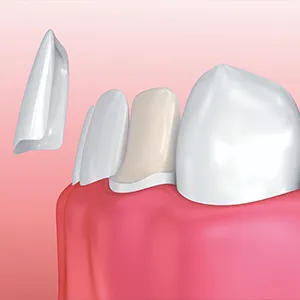
What Are Dental Veneers?
Veneers are thin shells made of porcelain or composite resin that are custom-designed to cover the front surface of your teeth. They provide a whiter, more symmetrical smile while correcting imperfections such as:
- Tooth discoloration
- Chipped or broken teeth
- Gaps between teeth
- Mild misalignment
- Worn-down enamel
Veneers require minimal tooth preparation, making them a minimally invasive cosmetic dentistry option.
Are Veneers Painful? Understanding the Procedure
Most patients experience little to no pain during the veneer procedure. Why? Because dentists use local anesthesia to numb the area before any preparation begins.
Step-by-Step Breakdown of the Veneer Procedure
Consultation & Planning
- Your dentist evaluates your teeth and discusses your goals.
- No pain occurs at this stage—just planning and designing your perfect smile.
Tooth Preparation (Minimal Discomfort)
- A small amount of enamel is removed (about 0.5 mm) to make space for the veneer.
- Local anesthesia is used, ensuring you don’t feel any pain during the process.
- Some patients report mild sensitivity after the procedure, similar to eating something cold.
Temporary Veneers (Mild Sensitivity Possible)
- Temporary veneers may be placed while your permanent ones are crafted in the lab.
- Some mild sensitivity to hot or cold foods can occur, but it’s manageable.
Veneer Placement (Painless Procedure)
- The temporary veneers are removed, and permanent ones are bonded.
- No anesthesia is typically needed for this step, as it’s a simple bonding process.
- Some patients feel slight pressure, but no significant pain.
Post-Treatment Recovery (Mild Discomfort for a Few Days)
- Mild gum soreness and sensitivity can occur, but it resolves in a few days.
- Over-the-counter pain relievers (like ibuprofen) help manage discomfort.
Most patients describe the process as quick, easy, and painless, with only minor sensitivity afterward.
Why Some Patients Experience Sensitivity After Veneers?
Although the veneer procedure isn’t painful, some patients experience temporary sensitivity or discomfort due to:
- Enamel removal – Thinning of the enamel may cause mild sensitivity to hot/cold foods.
- Gum irritation – The gum tissue may be slightly inflamed after placement.
- Bite adjustment – It may take a few days for your bite to feel completely natural.
These symptoms fade within a few days to a week, and most patients report feeling completely normal within two weeks.
How to Minimize Discomfort After Getting Veneers?
- Use Sensitivity Toothpaste – Helps reduce sensitivity and strengthen enamel.
- Avoid Extremely Hot or Cold Foods – Stick to lukewarm foods until sensitivity subsides.
- Take Over-the-Counter Pain Relievers – Ibuprofen or acetaminophen can help if needed.
- Avoid Hard or Sticky Foods – Give your veneers time to settle by eating softer foods.
- Rinse with Warm Salt Water – Helps soothe irritated gums and promotes healing.
By following these simple recovery tips, you can enjoy a comfortable and smooth transition to your new smile!
FAQs
Do veneers hurt during the procedure?
No. Your dentist will use local anesthesia to numb the area, ensuring a pain-free experience. Some patients feel pressure but no actual pain.
How long does veneer sensitivity last?
Most mild sensitivity disappears within a few days to two weeks. If discomfort lasts longer, consult your dentist for an adjustment.
Will I need anesthesia for veneers?
Yes, local anesthesia is used during the enamel preparation stage to prevent discomfort. However, it is not usually needed for placing the veneers.
Can I eat normally after getting veneers?
Yes! After 24 hours, you can eat most foods. However, avoid hard, sticky, or extremely hot/cold foods for the first few days to prevent discomfort.
Are temporary veneers painful?
Temporary veneers may cause slight sensitivity, especially to hot or cold foods. However, any discomfort is minimal and resolves once the permanent veneers are placed.
Do porcelain veneers cause long-term tooth pain?
No, veneers do not cause long-term pain. If you experience prolonged discomfort, it could be due to an improper bite adjustment, which your dentist can fix.
How do I know if my veneers are too big or uncomfortable?
If your veneers feel bulky or your bite feels off, visit your dentist. A simple adjustment can make them feel completely natural.
Can I go back to work the same day after getting veneers?
Yes! Most patients return to work immediately after the procedure. Any mild discomfort is easily manageable and doesn’t interfere with daily activities.
Conclusion: Are Veneers Painful? The Verdict
If you’ve been asking, “Are veneers painful?” the answer is no! The procedure is minimally invasive, and local anesthesia ensures a comfortable experience. While you may experience mild sensitivity or gum soreness, it subsides quickly, allowing you to enjoy your new perfect smile without discomfort.
At Perfect White Smile, we specialize in high-quality, custom veneers designed for a painless and seamless transformation.
Call us today at (310) 276-4537 to schedule your consultation!
Visit our clinic: 433 N Camden Drive, Suite 1070, Beverly Hills, CA 90210
Bibliography & Sources
- Veneers and Cosmetic Dentistry
- Tooth Sensitivity After Dental Procedures
- What to Expect After Cosmetic Dentistry
Getting a porcelain filling is a great way to restore your tooth while maintaining a natural look. However, many patients ask, “Can I eat after porcelain filling?” The short answer is yes, but there are certain precautions you should take to ensure the filling sets properly and your tooth heals without complications.
In this detailed guide, we’ll discuss:
- How soon you can eat after getting a porcelain filling
- Foods to eat and avoid
- How to protect your new filling
- Tips for a smooth recovery
By the end of this blog, you’ll know exactly how to care for your porcelain filling and make the best dietary choices for your dental health.

How Soon Can I Eat After Porcelain Filling?
The waiting time before eating depends on whether your filling was bonded with a dental adhesive or placed with temporary cement.
- If your filling was bonded: You can eat almost immediately after the procedure since the bonding material sets right away. However, it’s best to wait at least an hour to avoid any discomfort from lingering numbness.
- If temporary cement was used: You may need to wait a few hours or until your dentist advises you to eat. Temporary fillings are not as strong as permanent ones and can dislodge if not handled carefully.
Regardless of the method used, you should avoid hard, sticky, or extremely hot foods for at least 24 hours to allow your tooth to settle.
What Foods Can I Eat After Getting a Porcelain Filling?
For the first 24–48 hours, opt for soft, non-irritating foods that won’t put pressure on your tooth. Here are some great options:
- Soft fruits (bananas, ripe peaches)
- Cooked vegetables (steamed carrots, mashed potatoes)
- Yogurt and smoothies
- Soft proteins (scrambled eggs, fish, tofu)
- Pasta and rice
- Soups (lukewarm, not hot!)
Eating nutritious, soft foods will help your tooth heal properly while preventing unnecessary stress on your new filling.
Foods to Avoid After a Porcelain Filling
For the first 24 to 48 hours, it’s best to avoid foods that could damage or dislodge your new filling, such as:
- Hard foods (nuts, hard candies, chips) – Can cause fractures
- Sticky foods (chewing gum, caramel, gummy candies) – Can pull out the filling
- Extremely hot or cold foods – Can trigger sensitivity
- Crunchy vegetables (raw carrots, apples) – Require too much pressure to chew
- Sugary foods and drinks – Can lead to decay around the filling
- Alcoholic beverages – Can interfere with healing
Avoiding these foods for at least two days will help your filling set properly and reduce the risk of discomfort.
How to Protect Your Porcelain Filling While Eating?
Even though porcelain fillings are strong, they still require care to ensure longevity. Follow these tips to protect your new filling while eating:
- Chew on the opposite side – Avoid putting too much pressure on the restored tooth.
- Eat slowly and mindfully – Don’t bite into hard foods too quickly.
- Cut food into smaller pieces – Reduces the amount of force needed to chew.
- Drink through a straw – Prevents sugary or acidic drinks from affecting your teeth.
- Avoid using your teeth as tools – Never use them to open packaging or bite nails.
Taking these precautions can extend the lifespan of your porcelain filling and keep your teeth healthy.
Dealing with Sensitivity After a Porcelain Filling
It’s common to experience mild tooth sensitivity after getting a porcelain filling, especially to hot, cold, or sweet foods. Here’s how to manage it:
- Use a sensitivity toothpaste (such as Sensodyne) to reduce discomfort.
- Avoid extreme temperature foods (too hot or too cold).
- Take over-the-counter pain relievers if needed.
- Give it time – Sensitivity should subside within a few days to a week.
If pain or sensitivity persists beyond two weeks, contact your dentist for an evaluation.
FAQs
Can I eat right after getting a porcelain filling?
Yes, but it’s best to wait at least an hour before eating, especially if you were given an anesthetic. Avoid chewing hard foods on the treated side for 24 hours.
Can I drink coffee after a porcelain filling?
It’s best to wait a few hours before drinking hot coffee, as extreme temperatures can cause discomfort. If sensitivity occurs, switch to lukewarm beverages.
Will my porcelain filling feel weird when eating?
You may notice a slightly different texture or mild sensitivity for a few days, but this is temporary. If the filling feels too high or uneven, visit your dentist for an adjustment.
Can I eat crunchy foods after getting a porcelain filling?
Avoid hard, crunchy foods like nuts, chips, and raw vegetables for at least 24 to 48 hours to prevent stress on the new filling.
How long do I need to be careful with my new porcelain filling?
Be extra cautious for the first 24–48 hours. After that, you can return to normal eating habits, but avoid excessive force on the filled tooth.
Can I chew gum after getting a porcelain filling?
No, chewing gum and other sticky foods should be avoided for at least 24 hours, as they can dislodge the filling.
Follow the Right Diet for a Smooth Recovery
If you’re wondering, “Can I eat after porcelain filling?” the answer is yes—but with care! Waiting at least an hour, choosing soft foods, and avoiding hard or sticky items can help protect your new filling and ensure a smooth recovery.
At Perfect White Smile, we specialize in high-quality porcelain restorations that restore your smile while prioritizing comfort and durability.
Call us today at (310) 276-4537 to schedule your consultation!
Visit our clinic: 433 N Camden Drive, Suite 1070, Beverly Hills, CA 90210
Bibliography & Sources
Patients considering dental restorations often ask, “How safe are porcelain fillings?” As cosmetic dentistry advances, porcelain fillings have become a popular alternative to traditional amalgam and composite fillings. Known for their natural appearance, durability, and biocompatibility, they are an excellent choice for those seeking a metal-free solution. Unlike silver amalgam fillings, which contain mercury, porcelain fillings are non-toxic and do not expand or contract with temperature changes, reducing sensitivity risks. But are they completely safe? In this blog, we’ll explore the safety, benefits, and potential risks of porcelain fillings. By the end, you’ll have a clear understanding of whether they are the right choice for your dental health and long-term oral care.

What Are Porcelain Fillings?
Porcelain fillings, also known as ceramic or inlay/onlay restorations, are custom-made dental fillings designed to repair decayed or damaged teeth. Unlike silver amalgam or composite resin fillings, porcelain fillings are crafted in a dental lab and bonded to your teeth, offering durability and a natural appearance.
Dentists often recommend porcelain fillings for patients who want a tooth-colored, metal-free alternative that closely mimics the strength and aesthetics of natural enamel.
How Safe Are Porcelain Fillings?
- Non-Toxic and Biocompatible: Porcelain fillings are free from harmful metals like mercury, which are present in traditional amalgam fillings. Since porcelain is biocompatible, it does not cause allergic reactions or sensitivity issues in most patients.
- Mercury-Free Alternative: One of the primary concerns with silver amalgam fillings is the presence of mercury, which can release toxic vapors over time. Porcelain fillings provide a completely mercury-free solution, making them a safer option for long-term dental restorations.
- Strong and Durable: Porcelain fillings are highly durable and resistant to wear. They can withstand chewing forces similar to natural teeth and last 10–15 years or more with proper care.
- Low Risk of Sensitivity: Unlike metal fillings, which expand and contract with temperature changes, porcelain fillings do not react to heat or cold, reducing the risk of tooth sensitivity.
- Preserves More Tooth Structure: Porcelain inlays and onlays require minimal removal of natural tooth structure, unlike large metal fillings that weaken the tooth over time.
- Resistant to Staining and Decay: Unlike composite resin fillings, which can stain over time, porcelain fillings remain stain-resistant and help protect the tooth from further decay.
Potential Risks of Porcelain Fillings
While porcelain fillings are generally safe, they do have some potential drawbacks:
Cost
Porcelain fillings cost more than amalgam or composite options because they are custom-made in a dental lab. Their precise fabrication process ensures a superior fit, durability, and natural appearance, making them a high-quality, long-lasting restoration. While pricier, they offer exceptional aesthetics and strength, justifying their investment in long-term dental health.
Fracture Risk
Although highly durable, porcelain fillings may crack under extreme pressure, particularly in patients who grind or clench their teeth. To prevent damage, dentists often recommend wearing a nightguard for protection. Proper care and avoiding excessive force can help maintain their strength and longevity over time.
Longer Procedure Time
Unlike direct fillings, which are completed in a single visit, porcelain fillings usually require two appointments. The first visit involves taking impressions of your tooth, which are sent to a dental lab for fabrication. During the second visit, the custom-made filling is bonded securely to restore your tooth’s function and appearance.
Porcelain Fillings vs. Composite Fillings: Which Is Safer?
| Feature | Porcelain Fillings | Composite Fillings |
| Biocompatibility | High | Moderate |
| Durability | 10-15 years | 5-7 years |
| Aesthetics | Natural tooth-like | Good, but may stain |
| Sensitivity | Minimal | Moderate |
| Cost | Higher | Lower |
While both fillings are safe, porcelain fillings offer greater longevity, stain resistance, and durability, making them a better long-term investment for many patients.
FAQs
How long do porcelain fillings last?
Porcelain fillings can last 10–15 years or longer with good oral hygiene and regular dental check-ups.
Do porcelain fillings break easily?
Porcelain fillings are strong, but they can chip or crack under excessive pressure—especially if you grind your teeth. A nightguard can help prevent fractures.
Are porcelain fillings better than composite fillings?
Yes, porcelain fillings offer better durability, stain resistance, and biocompatibility compared to composite fillings, making them a preferred choice for long-term restorations.
Do porcelain fillings cause allergies?
No, porcelain is biocompatible and non-allergenic, making it a safe choice for most patients.
Can porcelain fillings get cavities?
While the filling itself cannot decay, improper oral hygiene can lead to cavities forming around the edges of the filling. Regular dental visits help prevent this.
How much do porcelain fillings cost?
The cost of porcelain fillings ranges from $800 to $2,000 per tooth, depending on the size of the restoration and the location of the clinic.
Conclusion: Should You Choose Porcelain Fillings?
If you need a safe, long-lasting, and natural-looking dental restoration, porcelain fillings are an ideal option. They are biocompatible, mercury-free, and designed to blend seamlessly with your natural teeth. Unlike traditional metal fillings, porcelain does not react to temperature changes, reducing the risk of sensitivity and expansion-related cracks.
Additionally, they offer exceptional durability, resisting stains and wear over time. With their ability to preserve more of your natural tooth structure, porcelain fillings provide functional strength and cosmetic appeal. If you’re considering a modern, metal-free alternative for your dental care, porcelain fillings stand out as a superior choice for maintaining long-term oral health and a confident smile.
At Perfect White Smile, we specialize in high-quality porcelain dental restorations to enhance your oral health and smile.
Call us today at (310) 276-4537 to schedule your consultation or visit our clinic at 433 N Camden Drive, Suite 1070, Beverly Hills, CA 90210
Bibliography & Sources
- Dental Restorative Materials
- Biocompatibility of Dental Materials
- Dental Fillings: Safety and Effectiveness
Porcelain fillings, often referred to as ceramic fillings or inlays/onlays, serve as a highly effective dental restoration for treating cavities and mending damaged teeth. Crafted from premium ceramic materials, these fillings are designed to integrate flawlessly with natural teeth, providing both strength and a pleasing appearance. They are an ideal choice for patients seeking durable, tooth-colored solutions for their dental concerns.
In this blog, we will explore the advantages of porcelain fillings, outline the procedure involved, and address some frequently asked questions regarding this advanced dental option. By understanding porcelain fillings better, patients can make informed decisions about their dental restoration needs and enjoy a healthy, beautiful smile.
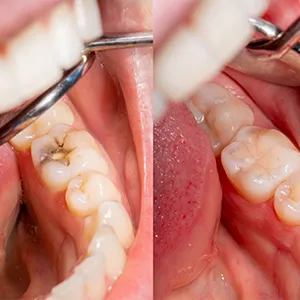
Why Are Porcelain Fillings Different?
Porcelain fillings differ from traditional options like amalgam or composite fillings in several ways:
- Material: They are crafted from ceramic, a biocompatible material that mimics the appearance of natural enamel.
- Custom-Made: Unlike direct fillings, porcelain fillings are fabricated in a dental lab and then bonded to the tooth.
- Durability: Porcelain fillings are stronger and more resistant to wear compared to composite fillings.
Benefits of Porcelain Fillings
Porcelain fillings offer a wide range of advantages, making them a popular choice for patients looking for both functionality and aesthetics:
- Natural Appearance: Porcelain fillings are tooth-colored and can be precisely matched to the shade of your natural teeth, ensuring they’re virtually invisible.
- Durability: Porcelain is a highly durable material, resistant to cracking, chipping, and wear. With proper care, porcelain fillings can last 10–15 years or longer.
- Stain Resistance: Unlike composite fillings, porcelain fillings are resistant to staining from coffee, tea, or other foods and beverages.
- Biocompatibility: Porcelain is a safe and non-toxic material, making it an excellent choice for individuals with metal allergies or sensitivities.
- Strength: Porcelain fillings bond tightly to your tooth, restoring its structure and strength while reducing the risk of future damage.
- Minimal Tooth Preparation: Porcelain fillings require less removal of healthy tooth structure compared to traditional metal fillings, preserving more of your natural tooth.
When Are Porcelain Fillings Recommended?
Porcelain fillings are ideal for:
- Large Cavities: They provide excellent coverage for larger areas of decay or damage.
- Replacing Old Fillings: Porcelain is an excellent choice for replacing worn-out metal fillings for a more natural look.
- Cracked or Broken Teeth: Porcelain fillings can restore the function and appearance of a damaged tooth.
- Teeth with Heavy Wear: Their durability makes them suitable for molars or teeth subjected to significant pressure.
The Porcelain Filling Procedure
Here’s what you can expect when getting porcelain fillings:
- Step 1: Consultation and Examination: Your dentist will evaluate your teeth to determine if porcelain fillings are the right option for you.
- Step 2: Tooth Preparation: The decayed or damaged portion of the tooth is removed, and the area is cleaned. Minimal enamel removal is required to preserve the natural structure.
- Step 3: Impression: An impression of your tooth is taken and sent to a dental lab, where your custom porcelain filling is crafted.
- Step 4: Temporary Filling: A temporary filling may be placed while you wait for your porcelain filling to be ready (typically 1–2 weeks).
- Step 5: Bonding: Once your custom filling is ready, it’s bonded to your tooth using a strong adhesive, ensuring a secure fit.
- Step 6: Polishing: The filling is polished to match the texture and luster of your natural teeth, creating a seamless finish.
FAQs
How long do porcelain fillings last?
Porcelain fillings typically last between 10–15 years, depending on your oral hygiene and habits. With proper care, they can last even longer.
Are porcelain fillings better than composite fillings?
Porcelain fillings are more durable and stain-resistant than composite fillings. They are ideal for larger restorations, while composite fillings are better suited for small cavities.
Are porcelain fillings expensive?
Porcelain fillings are more expensive than composite or amalgam fillings due to the material and lab customization. However, their durability and aesthetic appeal make them a worthwhile investment.
Do porcelain fillings look natural?
Yes, porcelain fillings are custom-made to match the color and shape of your natural teeth, ensuring a seamless and natural look.
Are porcelain fillings safe?
Yes, porcelain is a biocompatible material that is non-toxic and safe for individuals with metal allergies or sensitivities.
How do I care for porcelain fillings?
- Brush and floss regularly to maintain oral hygiene.
- Avoid biting hard objects like ice or pens.
- Visit your dentist for regular checkups and cleanings to monitor your fillings.
Porcelain Fillings vs Other Fillings
Porcelain fillings stand out for their durability, lasting 10–15 years or more, compared to composite fillings (5–7 years), and similar to amalgam fillings. They also offer the best appearance, blending seamlessly with natural teeth, unlike the noticeable silver color of amalgam fillings.
When it comes to stain resistance, porcelain fillings are highly resistant, while composite fillings may stain over time, requiring replacements. Amalgam doesn’t stain but is visibly metallic.
Porcelain fillings are more expensive due to their high-quality material and custom fabrication, whereas composite fillings are moderately priced, and amalgam is the most cost-effective.
Lastly, porcelain is biocompatible and safe for individuals with metal allergies, unlike amalgam, which contains mercury. For patients seeking a durable, aesthetic, and long-lasting option, porcelain fillings are an excellent choice.
Conclusion
So, what are porcelain fillings? They are a durable, natural-looking, and biocompatible solution for restoring damaged or decayed teeth. Offering unmatched aesthetics and long-lasting results, porcelain fillings are an excellent choice for patients looking to enhance their smile and maintain optimal dental health.
At Perfect White Smile, we specialize in porcelain fillings and other advanced dental treatments. Our experienced team is dedicated to providing personalized care to help you achieve a healthy, beautiful smile.
Call us today at (310) 276-4537 to schedule your consultation and find out if porcelain fillings are right for you! Visit our clinic at 433 N Camden Drive, Suite 1070, Beverly Hills, CA 90210
For more than 150 years dentists have used silver or amalgam as the go-to filler for tooth cavities. The material is less-expensive than others and is relatively easy to care for.
Metallic fillings do have drawbacks, and research has demonstrated that silver fillings can expand and contract depending on hot and cold temperatures in the mouth. When the metal expands under increased temperatures the surrounding tooth can crack. In colder temperatures the metal can contract and allow acids and germs to seep into the cavity.
Concerned groups have also highlighted the negative health effects of mercury found in metal fillings. In larger amounts mercury may be linked to headaches, nausea, and memory loss, or even brain damage and death in the most extreme circumstances. It’s important to note that the United States Food and Drug Administration (FDA) finds no reason for concern over the mercury content in silver amalgam but that other health associations disagree with this decision.
Everyone agrees that metallic fillings are ugly, and many dentists now recommend the use of porcelain fillings over silver amalgam.
What Are The Advantages Of Porcelain Fillings?
Porcelain fillings have become an increasingly popular choice among patients who value oral hygiene and pleasing aesthetics. Here are the main reasons to consider porcelain fillings for any new cavities and also to consider replacing old metalling fillings with porcelain.
- They Look Better – Porcelain is a versatile material that can match the natural color of teeth. This means you can smile and open your mouth wide without worrying that others will notice reparative dental work. It’s also durable and stain resistant and can last for many years.
- Ideal for Reparative Purposes – Porcelain can be made to fit a wide array of tooth shapes and cavities. It’s ideal for filling small to medium-sized holes that have formed from decay. Once the material is applied it can be smoothed and shaped to resemble a natural tooth.
- Preserves Healthy Tooth Tissue – a major drawback of metal fillings is that the material does not bond well with teeth. Undamaged enamel is often removed with the decayed tooth when metallic fillings are applied. This is not the case with porcelain, as the material clings tightly to teeth.
- Prevents Bacteria Buildup – Because porcelain fits and bonds so well with natural teeth, there are no gaps that allow saliva and germs to seep into cavities where they can do more damage. When paired with good brushing and eating habits many additional dental problems can be avoided with porcelain fillings.
- High Durability – Porcelain is known for its durability in dental applications. Crowns and veneers which can last for decades are made from this same material because of its ability to withstand the force of biting and grinding. You can expect the same when you opt to use it for fillings. Porcelain can take a lot of abuse before showing any signs of wear.
- Mercury-Free – although the mercury in amalgam fillings is deemed harmless by the FDA many are still uncomfortable with continued exposure to this material.
Porcelain fillings may be more expensive than metallic fillings but the advantages of porcelain outweigh the added cost in all instances.
It’s always best to contact a respected dentist for a professional recommendation.