
Losing one or more teeth can significantly affect your self-confidence, ability to chew properly, and even the shape of your face. Fortunately, dental implants provide a long-lasting solution that looks, feels, and functions like natural teeth. However, there is a lot of information and misinformation available, which can make it difficult to know what is accurate. So, what is the truth about dental implants?
Are they painful? Are they expensive? Are they worth the investment? Let us address these common concerns and provide a clear, evidence-based explanation of what dental implants involve.
What Are Dental Implants?

Dental implants are artificial tooth roots made of biocompatible materials, usually titanium, that are surgically placed into the jawbone. Over time, the implant integrates with the bone in a process called osseointegration. Once healing is complete, a crown, bridge, or denture is securely attached to the implant, creating a permanent and natural-looking tooth replacement.
Dental implants can be used to:
- Replace a single missing tooth
- Support multiple missing teeth with bridges
- Secure full or partial dentures for enhanced stability
Unlike removable prosthetics that sit on the gums, implants are fixed in the jaw and provide superior strength, comfort, and function.
The Truth About Dental Implants: Myths vs. Reality
Let’s separate fact from fiction to help you make a confident, informed decision about dental implants.
Myth 1: Dental Implants Are Painful
Reality: Most patients report that the dental implant procedure is less painful than a tooth extraction. Local anesthesia is used to ensure a painless experience during surgery, and most post-operative discomfort is mild and manageable with medication.
Myth 2: Dental Implants Are Only for Older Adults
Reality: Dental implants are suitable for people of all ages. Whether you have lost teeth because of trauma, decay, or gum disease, implants can be an excellent solution if your gums are healthy and you have adequate bone structure.
Myth 3: Dental Implants Are Too Expensive
Reality: While implants have a higher upfront cost compared to other options, they are more cost-effective in the long run. Unlike bridges or dentures, which often require replacement, dental implants can last a lifetime with proper care.
Myth 4: Recovery Takes Too Long
Reality: Most patients return to their normal routine within a day or two after the procedure. While full healing and osseointegration can take a few months, patients are typically comfortable and able to function during this time.
What to Expect During the Dental Implant Process?
The dental implant journey includes several stages. Each step is equally important for achieving a stable, long-term result.
Step 1: Consultation and Evaluation
Your initial visit includes a thorough examination, dental imaging, and discussion of your goals. Your dentist will assess your oral health, bone density, and suitability for dental implants, then develop a customized treatment plan.
Step 2: Implant Placement
The implant post is surgically inserted into the jawbone in a sterile, controlled environment. Local anesthesia is used to ensure comfort. Most patients recover from this step in just a few days.
Step 3: Healing and Bone Integration
The implant must fuse with the jawbone in a process known as osseointegration. This typically takes three to six months. During this time, a temporary restoration may be used to maintain appearance and function.
Step 4: Attachment of the Abutment and Restoration
Once the implant is fully integrated, an abutment (a connector piece) is placed. Then, your permanent crown, bridge, or denture is secured to the abutment, completing the restoration.
Step 5: Maintenance and Follow-Up
Dental implants require the same care as your natural teeth. It requires regular brushing, flossing, and routine dental checkups to ensure long-term success.
What Is the Worst-Case Scenario?
Although dental implants have a high success rate, complications can occur. Potential issues include infection at the implant site, injury to surrounding structures, or failure of the implant to properly integrate with the bone. These risks are minimized by carefully choosing a skilled and experienced dental provider and following all post-operative instructions.
Signs of Dental Implant Infection
While rare, infection is possible during the early stages of healing. Warning signs include:
- Persistent swelling or discomfort near the implant site
- Red or bleeding gums
- Bad taste or odor in the mouth
- A loose implant or difficulty chewing
- Pus or discharge near the implant area
- Fever or general feeling of unwellness
If you notice any of these symptoms, contact your dental provider immediately for assessment and treatment.
Are There Alternatives to Dental Implants?
Yes, there are several alternatives depending on your oral health needs and preferences:
- Dental bridges: Anchored to adjacent teeth, these are used to replace one or more missing teeth.
- Removable dentures: Cost-effective and non-surgical, though less stable than implants.
- Resin-bonded bridges: Ideal for small gaps, particularly in front teeth, where minimal stress is applied.
Your dentist will help you find the most appropriate solution.
Takeaway
Dental implants are a reliable, effective, and long-term solution for replacing missing teeth. With proper planning and care, they offer a natural appearance, excellent function, and long-lasting oral health benefits.
If you are missing one or more teeth and want a stable, permanent replacement that looks and feels like your own, dental implants could be the right choice for you.
Learn The Truth About Dental Implants With a Consultation
Are you considering dental implants but still have questions? Let us help you explore your options with expert guidance and a personalized approach.
Book your consultation today by calling (310) 737 8787. Let Perfect White Smile help you regain your smile and confidence through expert implant care and compassionate support.
FAQs
What is the downside to dental implants?
The main downsides include the initial cost, the healing time, and the need for adequate bone structure. Dental implants also require surgery, which carries a small risk of infection or complications.
What does no one tell you about dental implants?
Patients often do not realize how important ongoing care is for implant success. Lifestyle factors such as smoking and poor hygiene can negatively impact healing and long-term results.
You do not need to replace healthy teeth
Dental implants are intended to replace missing or severely damaged teeth. If your existing teeth are healthy, there is no reason to remove them. Implants are used strategically, not for a full arch replacement, unless absolutely necessary.
What is the major problem with dental implants?
The most significant issue is implant failure, which can result from poor osseointegration or infection. Other problems include inadequate bone or pre-existing medical conditions. A thorough evaluation and skilled placement can help prevent these outcomes.
Can you live a long life with dental implants?
Yes, dental implants are made to last a lifetime when properly maintained. With good oral hygiene and regular visits to the dentist, they can provide durable and functional tooth replacement for many years.
Who should avoid dental implants?
Individuals with uncontrolled diabetes, heavy smokers, or those with insufficient bone who are not candidates for grafting may not be ideal candidates for implants. A full dental and medical evaluation is needed to determine suitability.
Bibliography & Sources
Dental implants are often considered the most reliable and long-lasting solution for missing teeth. They offer durability, natural appearance, and the ability to restore full dental function. However, while dental implants are an excellent option for many patients, they are not suitable for everyone. So, who cannot get dental implants?
If you are wondering whether you are a good candidate for dental implants, we will help you understand the conditions and health factors that may limit your eligibility. It also explores alternatives that can restore your smile effectively and safely.
Why Are Dental Implants So Widely Recommended?

Dental implants are surgically placed titanium posts that act as artificial roots for crowns, bridges, or dentures. They are highly valued for several reasons:
- Longevity: With proper care, implants can last for decades.
- Bone preservation: They prevent jawbone loss by stimulating the bone.
- Aesthetics: Implants look and feel like natural teeth.
- Functionality: They restore chewing, speaking, and biting capabilities.
- Stability: Implants remain securely in place and do not slip or shift like removable dentures.
Despite their many benefits, some individuals cannot get dental implants without additional treatments or modifications.
What Can Make You Ineligible for Getting Dental Implants
The success of a dental implant depends heavily on the health of your gums and jawbone. For the implant to stay secure, it must undergo osseointegration, where it fuses with the jawbone. Several factors may interfere with this process, including oral health habits, systemic conditions, and lifestyle behaviors. Here are the key reasons some people may not qualify for dental implants:
1. Age
There is no upper age limit for getting dental implants, and even patients in their 80s can benefit from the procedure. However, dental implants are not recommended for individuals under the age of 18. In young individuals, the jaw is still developing, and placing an implant prematurely can disrupt facial and jawbone growth.
2. Gum Disease
Healthy gum tissue is essential to support the dental implant. If a person has periodontal disease, the inflammation and infection can destroy gum tissue and bone, jeopardizing implant stability. Patients with active gum disease must receive treatment and achieve stable oral health before proceeding with implants.
3. Smoking
Tobacco use can significantly impair healing and increase the risk of implant failure. Smoking reduces blood flow to the gums and interferes with the immune response, making it harder for the implant to bond with the bone. Many dentists require patients to stop smoking prior to implant surgery and during recovery.
4. Pregnancy
Dental implants are not recommended during pregnancy because of the stress of surgery and the effects of local anesthesia. Although rare, potential risks to fetal development exist. For this reason, most dentists suggest postponing implant procedures until after childbirth.
5. Chemotherapy and Radiation Therapy
People who have undergone radiation therapy to the head, neck, or jaw may have compromised bone quality. Radiation can weaken the jawbone, making it difficult for the implant to integrate successfully. Chemotherapy can also suppress immune function and hinder healing, both of which are critical for implant success.
6. Health Disorders and Medications
Certain medical conditions, like uncontrolled diabetes, autoimmune diseases, and cardiovascular issues, can interfere with the healing process. Medications that affect bone density, like bisphosphonates or blood-thinning drugs, may also reduce the implant’s success rate. A full medical evaluation is essential before deciding on implant treatment.
Who Cannot Get Dental Implants Without Additional Care?
In addition to the complications above, some individuals may be temporarily ineligible for dental implants. However, with the right treatment and preparation, they could still receive implants in the future. Here are some examples:
- Patients with insufficient jawbone may benefit from bone grafting procedures.
- Those with mild gum disease can undergo periodontal treatment before implant placement.
- Diabetic patients who maintain proper blood sugar control may qualify for implants with medical clearance.
Each case must be evaluated individually by a skilled dental professional.
What Are the Alternatives If You Cannot Get Dental Implants?
If implants are not an option for you at this time, there are other effective solutions to restore your smile:
- Dental Bridges: These use adjacent teeth for support and can replace one or more missing teeth.
- Removable Dentures: Cost-effective and customizable dentures are suitable for partial or full tooth replacement.
- Resin-Bonded Bridges: These are minimally invasive and often used for front teeth where pressure is minimal.
Your dentist will help you choose the best treatment option by considering your oral health, personal goals, and daily lifestyle needs.
Takeaway
Who Cannot Get Dental Implants? While dental implants are not suitable for every individual, modern dentistry offers multiple solutions to help you achieve a healthy, confident smile. Many people who initially are not eligible for implants may become candidates after addressing certain health conditions or receiving preparatory treatments.
Not Sure If You Qualify for Dental Implants? We Can Help
If you’re wondering who cannot get dental implants, the best next step is a one-on-one consultation. Call (310) 737-8787 to book your consultation today.
Let Perfect White Smile help you restore your smile with expert guidance and compassionate care.
FAQs
1. Who should not get a dental implant?
Individuals with uncontrolled diabetes, untreated gum disease, poor bone density, or those undergoing radiation therapy in the jaw area may not be eligible for implants without further treatment or evaluation.
2. When is it not possible to have dental implants?
Dental implants may not be feasible if a patient has insufficient bone, serious medical conditions affecting healing, or is under 18 years of age. In such cases, your dentist will suggest alternative treatments.
3. Are there non-surgical alternatives to dental implants?
Yes. Fixed dental bridges and removable dentures are effective non-surgical alternatives. While they may not offer the same stability as implants, they restore function and aesthetics for many patients.
4. Can dental implants fail due to health conditions?
Yes. Systemic conditions like osteoporosis or autoimmune disorders can impact healing and bone integration. Proper diagnosis and pre-treatment planning are crucial to minimize risks and ensure long-term success.
Dental implants look, feel, and function like natural teeth, offering a long-term solution for missing or damaged teeth. However, some patients may wonder: Can dental implants be removed?
Implant removal may become necessary due to complications, implant failure, or a change in overall health. Let us explain when and why dental implants might be removed, the removal process, and the treatment options available afterward.
What Are Dental Implants?
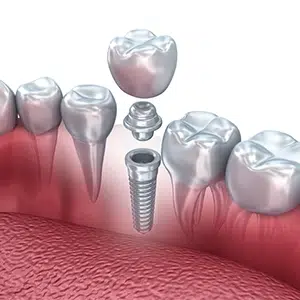
A dental implant is a small titanium post that is surgically inserted into the jawbone to act as an artificial tooth root. Once the implant fuses with the bone through a process called osseointegration, a crown, bridge, or denture is attached to complete the restoration.
Dental implants may last you a lifetime with proper care. However, complications or health changes may require implant removal in certain situations.
Can Dental Implants Be Removed?
Yes, dental implants can be removed, although this is uncommon. Removal typically becomes necessary due to complications such as implant failure, infection, or damage to surrounding structures. Because the implant is fused with the jawbone, removal is considered a surgical procedure and should be performed by an experienced dental professional.
Reasons Why a Dental Implant Might Be Removed
Implant Failure: While dental implants have a high success rate, failure to integrate with the jawbone may occur. This may be due to insufficient bone density, trauma during healing, or improper placement.
Infection (Peri-implantitis): Infection in the gum tissue around the implant can cause inflammation and bone loss. If not treated early, this condition may lead to instability and require implant removal.
Implant Mobility: A properly integrated implant should be stable. Any movement or looseness is a clear indication that the implant has not fused with the bone as intended.
Damage to Surrounding Structures: In rare cases, the implant may affect surrounding nerves, sinuses, or adjacent teeth, leading to discomfort and the need for removal.
Medical Conditions or Treatments: Systemic conditions like uncontrolled diabetes or treatments such as chemotherapy may compromise healing and implant integration, making removal necessary to maintain overall health.
How Are Dental Implants Removed?
Dental implant removal is usually a minor surgical procedure. The method of removal depends on how securely the implant is integrated with the bone:
- Simple Removal: If the implant is loose or not fully integrated, it can often be gently unscrewed with minimal impact on surrounding tissues.
- Surgical Removal: If the implant is firmly integrated, a small portion of bone may need to be removed to extract the implant. This may be followed by bone grafting to restore the area.
Your dental provider will evaluate your case and choose the safest and most effective approach.
Can Dental Implant Crowns Be Removed?
Yes, dental implant crowns can be removed and replaced without disturbing the implant post. If the crown becomes damaged, worn, or does not match your current bite or smile goals, your dentist can replace it easily. It is less invasive than implant removal and typically involves minimal recovery time.
Can a New Implant Be Placed After Removal?
In many cases, a new dental implant can be placed either immediately after removal or once the area has healed. The timing and success depend on the cause of removal and the condition of the surrounding bone and tissue.
If the jawbone is healthy, reimplantation may be performed during the same appointment. If bone loss or infection is present, a healing period and bone grafting may be required before a new implant can be placed. Advanced imaging like X-rays or 3D scans allows the dentist to make a customized treatment plan tailored to your needs.
What Are the Alternatives If Reimplantation Is Not Possible?
If reimplantation is not suitable, there are alternative solutions to restore your smile:
- Dental bridges: These are supported by adjacent teeth and are suitable for replacing one or more missing teeth.
- Removable dentures: These can be used for partial or full tooth replacement and are typically more affordable and non-invasive.
- Resin-bonded bridges: Often used for front teeth, they are less invasive and suitable for areas with low bite pressure.
Your dentist will recommend the best option based on your dental health, preferences, and long-term goals.
Is Implant Removal Painful?
Most people report minimal discomfort during dental implant removal. Local anesthesia is used to numb the area, and the procedure is often quicker and less complex than initial implant placement.
Post-operative discomfort, such as swelling or mild tenderness, is typically short-lived and can be managed with over-the-counter medications or prescriptions if needed. Healing is usually fast, especially when aftercare instructions are followed carefully.
Considering Dental Implant Removal or Replacement?
Dental implants are intended to be permanent, and their high success rate makes them one of the most reliable options for replacing missing teeth.
However, if complications arise or health conditions change, removal may be the best path to recovery and future dental stability. An experienced dental professional will guide you through the process, address your concerns, and provide appropriate solutions for your continued oral health.
Book Your Consultation With Perfect White Smiles
If you are experiencing discomfort, have concerns about an existing implant, or are exploring your options for implant removal or replacement, our dental team is here to help. We provide expert evaluations and customized care to ensure your long-term comfort and confidence.
Book your consultation today by calling (310) 737-8787.
Let Perfect White Smile help you restore, replace, or refresh your dental implants with professional care and personalized attention.
FAQs
1. What happens if a dental implant has to be removed?
If a dental implant needs to be removed, your dentist will assess the cause such as infection or implant failure—and perform a surgical procedure to extract it. Follow-up treatment may include reimplantation or alternative restoration methods.
2. How easy is it to remove a dental implant?
The ease of removal depends on the implant’s integration with the bone. If the implant is loose, removal is straightforward. Fully integrated implants may require a more delicate surgical approach to protect the surrounding structures.
3. Has anyone had a dental implant removed?
Yes, implant removal has been performed in cases of complications like infection, failed integration, or health-related concerns. Many patients successfully undergo reimplantation or switch to other dental restoration options after recovery.
Are you wondering are dental implants safe?
As a dependable alternative to replace lost teeth, dental implants are becoming more and more common. In order to restore both function and appearance, they provide a strong, aesthetically pleasing substitute for conventional dentures and bridges. Even though getting dental implants is usually thought to be a safe treatment, worries about possible hazards are normal. The good news is that 98% of healthy people who receive contemporary implants succeed since they are highly advanced and put by qualified dental specialists.
In this blog post, we’ll explore the safety of dental implants, address common concerns, and explain why they are often the best choice for restoring your smile and improving oral health.
Who is a Candidate for Dental Implants?
The success and safety of dental implants are closely linked to the patient’s overall health and the quality of their jawbone. To ensure optimal results, candidates for implants should meet the following criteria:
- Healthy Gums: The integration of the implant is significantly influenced by the condition of your gums. Gum disease and infections, for example, might make implants less stable and raise the possibility of problems.
- Sufficient Bone Density: A robust mandible is necessary to sustain the implant. In cases where there has been bone loss, a bone grafting treatment can be required to restore the bone and create a stable foundation for the implant.
- Good General Health: Systemic health issues can hinder recovery and have an impact on the implant’s success, such as uncontrolled diabetes or autoimmune illnesses. If dental implants are a good option for you, it’s important to discuss your medical history in detail with your dentist.
Are Dental Implants Safe?
Are dental implants safe? Well, dental implants are a well-established solution for replacing missing teeth, offering both aesthetic and functional benefits. They have been used successfully for over 30 years and are widely regarded as a safe and effective treatment option. Here’s why dental implants are considered safe and what factors contribute to their high success rates.
Biocompatibility and FDA Approval
Titanium is a material that is commonly used to make dental implants because of its remarkable biocompatibility. This indicates that titanium forms a strong basis for the prosthetic teeth and lowers the possibility of rejection by integrating perfectly with the jawbone. Dental implants are governed by the Food and Drug Administration (FDA), which makes sure they adhere to strict safety requirements before approving them for use. To guarantee that the materials used in implants are safe for patients, this regulatory control entails extensive testing and assessment.
High Success Rate
One key indicator of dental implant safety is its success rate. According to research, dental implants have a success percentage of roughly 90–95% over ten years; however, some studies show success rates as high as 98% over forty–fifty years. This remarkable history demonstrates the dependability of implants when placed by qualified experts. The high success rate is attributed to advances in implant technology and techniques, which have significantly improved over the years.
Durability and Longevity
Dental implants are intended to last a long time. They often have a lifetime of use with appropriate upkeep. Its longevity lowers the requirement for frequent replacements while also improving process safety overall. Implants are designed to endure years of continuous use and good performance.
Minimizing Risks
Even while dental implants are generally safe, there are still hazards to be aware of. Any surgical procedure carries some risk, such as infection, implant failure, and nerve damage. These hazards are, nevertheless, rather uncommon and can be reduced by selecting a dentist with experience and according to post-operative care guidelines.
Are Dental Implants Safe for Older People?
If you’re over 60, evaluating the potential risks of dental implants is important. According to a 2020 study, older adults should consider the following:
- Slower Healing Time: Healing after the surgical procedure might take longer.
- Existing Health Conditions: Any preexisting conditions could influence the outcome.
- Bone Health: The procedure may impact bone health.
Consulting with your doctor about these concerns before proceeding with dental implants ensures you have a comprehensive understanding of your options and a tailored approach to your dental care.
Regarding Age Limits
Dental implants are suitable for people of any age. Anybody in need of tooth replacement, regardless of age, may find that dental implants are an excellent alternative if they are in good health and the dentist believes the treatment is acceptable.
Complications from Dental Implants – What You Need to Know
Tooth implants are a common choice for replacing missing teeth due to their practicality, endurance, and natural appearance. Even though these procedures have a high success rate and are generally safe, it’s crucial to be aware of any possible dangers and problems. Here’s a detailed look at what you need to know:
Potential Risks and Complications
Infection (Peri-Implantitis)
A potential complication is infection at the implant site, known as peri-implantitis. This infection affects the gum tissue surrounding the implant and can occur if the implant area is not properly cleaned or if post-operative oral hygiene is inadequate. To minimize this risk, ensure that you follow your dentist’s post-operative care instructions and maintain rigorous oral hygiene.
Implant Failure
Rarely, dental implants may come loose or fail to fuse with the jawbone. Implant failure risk factors include smoking, low-quality bone, and specific medical problems. But these hazards have been greatly mitigated by sophisticated implant technology and careful pre-implant planning, which includes bone grafting if necessary.
Nerve Damage
The insertion of an implant carries a slight risk of causing nerve injury. This may result in pain, tingling, or numbness in the chin, gums, or lips. Skilled dental practitioners meticulously arrange the implant placement and reduce the risk of nerve injury by using modern imaging techniques.
Sinus Issues
There is a small chance of sinus cavity-related problems for implants positioned in the upper jaw. Problems with sinuses might arise from implants that extend into the sinus cavity. Detailed imaging will be used by your dentist to guarantee correct installation and prevent this problem.
Implant Rejection
Implant rejection, also known as foreign body rejection, occurs when the body’s immune system reacts negatively to the implant material. This is a rare complication, often related to allergies to implant components. The biocompatibility of modern implant materials greatly reduces the likelihood of this issue.
Factors Affecting Implant Success
Overall Health
The success of dental implants is significantly influenced by your overall health. Health conditions that can affect recovery and raise the risk of complications include uncontrolled diabetes mellitus and severe gum disease. To determine if you are a good candidate for the operation, it is imperative that you and your dentist talk about your medical history.
Smoking
One major risk factor for implant failure is smoking. Research indicates that compared to non-smokers, smokers experience a greater rate of implant failure. It’s crucial to give up smoking entirely or drastically cut back before having implant surgery because smoking has detrimental impacts on dental health and healing.
Gum Health
Gum health is essential to the performance of dental implants. Infections or gum disease can affect how stable and long-lasting implants are. Ensuring the success of your implants and preventing gum disease require routine dental checkups and good oral hygiene.
Restore Your Smile & Confidence with Dental Implants in Beverly Hills, CA
Tooth implants are a safe and efficient way to replace lost teeth. They have many advantages over other tooth replacement methods, such as longevity, a natural-looking appearance, and high success rates. While there are certain hazards involved in the operation, they are not very common and can be controlled with appropriate care and by selecting a dentist with experience.
For advice about dental implants and any worries you may have regarding their safety, get in touch with Perfect White Smile’s professionals. Our staff is committed to giving you the best service possible and making sure you’re comfortable at all times. Make an appointment for a consultation at Perfect White Smiles In Beverly Hills, CA, right now to find out more about how dental implants can improve your smile and confidence.
FAQs
Are dental implants high-risk?
Similar to other surgical procedures, dental implant surgery carries some potential health risks. However, complications are uncommon, and when they do arise, they are typically mild and manageable with appropriate treatment. These risks may include the possibility of infection at the implant site.
Can dental implants get cavities?
Although dental implant crowns are not made from natural enamel and cannot develop cavities, it’s still crucial for patients to maintain proper oral hygiene after receiving implants. Neglecting dental care can harm the implant and lead to cavities in the surrounding natural teeth.
Can your body reject dental implants?
Steel rods and dental implants are examples of foreign items that the body may not always be able to tolerate. Furthermore, allergies to metals such as titanium may occur in certain patients, which may result in a negative reaction. Because of this, the body may reject the implant before the process known as osseointegration—which allows it to fully fuse with the jawbone—is completed.
Reference
- Are Dental Implants Considered Safe? Healthline Media LLC.
- Dental Implant 101: Are Dental Implants Safe? Arizona Periodontal Group
- Are dental implants safe for elderly? Oral Health Center
- Possible Risks and Complications of Dental Implants Narre Warren Dental Care
- Factors that Impact Dental Implant Success Rate Montgomery Dental Care
Are you considering dental implants to replace missing teeth and wondering How much is a tooth implant? Dental implants offer a permanent, natural-looking solution that helps maintain jawbone health and restore functionality. The cost of a single implant can range from $1,500 to $5,000, depending on factors like the type of implant, the number of teeth being replaced, and the complexity of the procedure.
At Perfect White Smile, we understand that the cost is a significant consideration. This blog post will break down the factors influencing the price and explore financing options to help you make an informed decision about investing in your oral health. Dental implants are more than just a cosmetic fix—they are a long-term investment in your smile.
Factors Affecting Dental Implant Costs
The answer to “How much is a tooth implant?” is multifaceted. There are several critical factors contribute to the overall cost, each impacting the final price in different ways:
- Type of Implant: The specific type of implant chosen can significantly influence the cost. Due to their complexity and the materials required, traditional implants, mini implants, and all-on-4 implants, each have distinct price points.
- Number of Implants: The total cost rises with the number of implants needed. Replacing a single tooth is generally more affordable, whereas multiple implants or a full arch replacement will naturally incur higher costs.
- Preliminary Procedures: Certain preparatory procedures, like bone grafting, tooth extractions, or sinus lifts, may be necessary before the implant can be placed. These additional steps can significantly impact the overall price.
- Materials Used: The quality of materials plays a key role in the cost. Implants made from premium materials such as titanium or zirconium tend to be more expensive but offer enhanced durability and a more natural appearance.
- Dentist’s Experience: Another crucial factor is the dentist’s expertise. Dentists with advanced training and a strong reputation often charge more, reflecting their skill level and the likelihood of a successful outcome.
- Geographical Location: The cost of living in the dentist’s area directly affects the price of dental implants. Urban locations or regions with higher living costs typically see higher prices for dental services.
- Laboratory Fees: The laboratory responsible for crafting the crown and other components can also influence the cost. Some labs charge more for their high-quality work, which can add to the total expense of the implant.
- Customization: Dental implants are highly personalized to fit each patient’s unique needs. This level of customization adds to the cost, as each implant must be tailored specifically to the individual’s anatomy and requirements.
How Much is a Tooth Implant?
The price of dental implants can vary widely based on the type of implant and any additional procedures required. Factors like implant insertion techniques and the use of advanced imaging methods such as 3D scans contribute to this variation. Every dental implant procedure is unique, influencing the overall cost.
Single-Tooth Implant
The typical cost for a single-tooth implant, which includes all components and related procedures, ranges from $3,100 to $5,800. This estimate is based on data from the American Dental Association’s Health Policy Institute.
Multiple-Teeth Implant
Replacing multiple adjacent teeth can be more cost-effective. Instead of placing individual implants for each missing tooth, a bridge supported by fewer implants can restore several teeth. The cost for this approach generally falls between $6,000 and $10,000, depending on the specific treatment plan.
Full Mouth Implant
Full-mouth implants, which involve replacing all teeth in the upper and lower jaws, are the most expensive option. Conventional full-mouth implants, where each tooth is individually replaced, can range from $60,000 to $90,000. However, the All-on-4 implant method offers a more affordable alternative. This technique uses four to six implants per arch to support a full set of replacement teeth, with costs typically ranging from $24,000 to $50,000.
Implant Type |
Cost |
| Single-Tooth Implant | $3,100 to $5,800 |
| Multiple-Teeth Implant | $6,000 to $10,000 |
| Full Mouth Implant | $60,000 to $90,000 |
| All-on-4 Dental Implant | $24,000 to $50,000 |
Cost of a Tooth Implant Components
To better understand the cost, it’s helpful to break down the three main components of a dental implant:
Implant Post
The implant post is a screw-like structure, typically made from titanium, that is surgically placed into the jawbone. This post acts as the root of the artificial tooth. The cost of the implant post usually ranges from $1,000 to $3,000.
Abutment
The abutment is a connector placed on top of the implant post, linking the post to the crown. It generally costs between $300 and $500.
Crown
The crown is the visible part of the tooth that is attached to the abutment. It can be made from various materials, with porcelain and zirconia being the most common. The cost of the crown typically ranges from $1,000 to $2,000.
Why Should You Invest in a Tooth Implant?
When considering the cost of a tooth implant, it’s essential to weigh the long-term benefits. Here’s why a tooth implant is a worthwhile investment:
- Durability and Longevity: Unlike other tooth replacement options, such as dentures or bridges, dental implants are designed to last a lifetime with proper care. While the initial cost may be higher, the long-term value is unmatched.
- Preservation of Jawbone Health: Tooth implants help preserve jawbone density, preventing bone loss that often occurs with missing teeth. This not only maintains the facial structure but also supports overall oral health.
- Natural Appearance and Functionality: Dental implants look and function like natural teeth, allowing you to eat, speak, and smile confidently. The aesthetic and functional benefits contribute to a higher quality of life.
- Low Maintenance: With proper oral hygiene, dental implants require minimal maintenance. Regular brushing, flossing, and dental check-ups are all that’s needed to keep your implant in excellent condition.
Financing Options for Dental Implants
Paying for a dental implant procedure can vary based on your individual needs and financial situation. At Perfect White Smile, we offer several options to make dental implants more accessible and manageable. Here are the most common payment methods available:
Financing and Payment Plans
One effective way to manage the cost of dental implants is through financing or payment plans. Many patients prefer spreading their payments over time rather than paying the full amount upfront. These plans can often be arranged through our clinic or a third-party financing company. Be sure to ask us about the available financing options and how they can be customized to fit your budget.
Dental Insurance
Depending on your specific dental insurance provider, your plan may cover a portion of the cost of dental implants. While implants are not fully covered by all insurance plans, many do offer support or partial payment for related treatments. To understand your coverage and any potential out-of-pocket expenses, it’s a good idea to get in touch with your insurance provider. Our team at Perfect White Smile is also here to help navigate your insurance benefits.
FSAs and HSAs
Dental implants are among the qualified medical expenses that can be paid for with tax-advantaged Flexible Spending Accounts (FSAs) and Health Savings Accounts (HSAs). Pre-tax income from your paycheck can be deposited into these accounts, reducing your overall tax obligation and providing savings that can be used for dental treatment. This can be a smart way to lower the cost of your dental implant procedure.
In-House Financing
At Perfect White Smile, we also offer in-house financing options. These programs may provide more favorable terms compared to external lenders, such as flexible repayment schedules or lower interest rates. Our team can help you explore these options and determine which plan best suits your financial situation.
Dental Discount Plans
Another option to consider is enrolling in dental discount plans. These programs often provide discounts on a variety of dental procedures, including implant placements. Compared to out-of-pocket expenses or traditional insurance, they can offer significant savings. Inquire with us about the different discount plans available and how they could benefit you.
The cost of a tooth implant is a common concern for patients. While the price can vary, it’s essential to consider the long-term benefits and improved quality of life that dental implants offer. At Perfect White Smile In Beverly Hills, CA, we strive to make dental implants accessible and affordable for our patients. Contact us today for a consultation to discuss your treatment options and learn more about our financing plans.
FAQs
Are tooth implants worth it?
Often, the cost of dental implants is only marginally higher than that of traditional dental treatments. However, implants offer a permanent solution for missing teeth, which can make them a more cost-effective choice over time. They are an excellent investment for those looking to prevent future dental issues and maintain long-term oral health.
How long do teeth implants last for?
Dental implants boast a 90% to 95% success rate over a period of 10 years or more and can last a lifetime with proper care and maintenance. However, the crown might need to be replaced every 15 to 20 years.
Why is one tooth implant so expensive?
The cost of titanium implants and the advanced technology used by the doctor for precise placement in the mouth is significant. Additionally, the prostheses—both temporary and permanent—are made with valuable metals and fused with porcelain, which skilled technicians meticulously craft to achieve a natural and aesthetically pleasing result.
Are you thinking about getting dental implants but are worried about the price? It can be difficult to understand that does dental insurance cover implants because the policies differ so much. Some plans might cover only a portion of implants, while others might not cover anything at all since they classify implants as elective or cosmetic.
To navigate this, it’s essential to thoroughly review your insurance policy. Factors such as the reason for the implants and your plan’s specifics will influence coverage. At Perfect White Smile, we’re committed to helping you understand your insurance options and finding the best solution for your needs. We can also guide you through alternative financing options. Discover how dental insurance can cover implants and explore your financial choices with us.
Dental Insurance and Implant Coverage
Dental insurance coverage for implants can vary significantly based on several factors, including the complexity of the procedure and the specifics of your insurance plan. Whether you’re opting for a single tooth replacement or a full arch restoration, understanding these factors will help you determine what is covered under your plan.
Tooth Extraction
Tooth extraction, which may be necessary before placing an implant, is generally covered by many insurance plans as a basic service. However, if the tooth was missing prior to the start of your coverage, it might not be covered. Insurance typically considers the extraction of damaged or decayed teeth as a standard procedure, but each plan has its own rules.
Bone Grafting
For patients with insufficient jawbone to support an implant, bone grafting is often required. Unfortunately, bone grafting is frequently categorized as an optional enhancement rather than a standard procedure, which means it may not be covered by your dental insurance. This step is essential for many implant procedures, so it’s important to understand how your insurance addresses this cost.
Implant Placement
One of the main treatments is the surgical installation of the dental implant. A percentage of this expense may be covered by insurance policies, frequently up to 50%, but the scope of coverage varies greatly. It’s critical to confirm with your insurance company exactly how much of the implant implantation is covered by your policy. Certain plans may have particular limitations or provide less coverage than others.
Artificial Tooth Placement
The crown or artificial tooth that is placed on top of the implant is also categorized as a major service. Depending on your insurance plan, coverage for this part of the procedure might be comparable to coverage for crowns on natural teeth. This could potentially mean higher coverage for the artificial tooth, but this varies by plan. Confirming the details with your insurer can help you understand what to expect.
Additional Considerations
Dental implants may occasionally be covered by health insurance plans if they are thought to be required as a result of illnesses like oral cancer. If you think this might apply to you, check your health insurance policy or get in touch with your provider for more details.
Key Points to Remember
- Standard Coverage Limitations: Many traditional dental insurance plans classify implants as cosmetic or elective, leading to limited or no coverage. These plans typically emphasize preventive and basic restorative care, such as cleanings, exams, and fillings.
- Potential for Partial Coverage: Some plans may offer partial coverage for components of the implant procedure, such as the crown or abutment, but may not cover the implant itself or the surgical placement. Reviewing your plan’s details and discussing with your insurance provider is crucial.

- Alternative Benefits: If your plan does not cover implants, it might offer benefits for alternative treatments, such as bridges or dentures. These alternatives may be covered more comprehensively, providing other viable options for tooth replacement.
- Waiting Periods: Some insurance plans may have waiting periods for major procedures, ranging from 30 days to a year. However, some plans offer immediate coverage, so it’s important to check the specifics of your policy.
Factors Affecting Dental Implant Coverage
Several factors can determine whether your dental insurance will cover implants:
- Type of Insurance Plan: Traditional dental insurance plans often provide limited coverage for implants. Conversely, plans designed for comprehensive dental care might offer more extensive coverage for these procedures.
- Reason for Tooth Loss: Insurance coverage for implants may be more likely if the tooth loss results from an accident or injury. However, if the tooth loss is due to dental disease or decay, coverage could be more restricted.
- Policy Exclusions: Some dental insurance plans explicitly exclude implant procedures. It’s important to thoroughly review your policy to identify any specific exclusions or limitations related to implants.
- Waiting Periods: Many dental insurance plans impose waiting periods before covering certain procedures, including implants. Check for any applicable waiting periods in your policy to avoid unexpected delays.
So, Does Dental Insurance Cover Implants?
Dental insurance coverage for implants can be quite complex and varies significantly from one plan to another. While some plans may offer partial coverage, others might classify implants as a cosmetic procedure rather than a necessary restorative treatment.
Here’s a comprehensive look at how various types of insurance might address the costs associated with dental implants:
Basic Dental Insurance Coverage
Basic dental insurance plans typically focus on preventive care and minor restorative treatments, such as cleanings, fillings, and extractions. Unfortunately, major procedures like dental implants are often excluded from coverage. Insurers sometimes classify implants as cosmetic rather than necessary, meaning you might be responsible for the entire cost under these basic plans.
Comprehensive Dental Insurance Plans
Comprehensive dental insurance plans offer broader coverage compared to basic plans. They may include a portion of the cost of dental implants, often covering up to 50% of the procedure with an annual cap. Details, however, can differ significantly between providers and between policies. It is crucial to go over the details of your plan in order to ascertain the extent of coverage and any exclusions.
Medical Insurance Coverage
In some cases, medical insurance may assist with the cost of dental implants, particularly if tooth loss is due to an accident or a medical condition affecting oral health. Coordination between your dental and medical insurance providers is essential to determine which expenses might be covered and under what conditions.
Supplemental Dental Insurance Plans
Supplemental dental insurance can help bridge the gap left by basic plans. These policies are designed to cover procedures not included in standard dental insurance, such as dental implants. While they require an additional premium, they can be advantageous for those needing extensive dental work.
Making the Most of Your Insurance Benefits
To maximize your insurance benefits and manage the cost of dental implants:
- Review Your Policy: Examine your insurance policy for details on implant coverage, exclusions, and limits. Understanding what’s covered can help you plan your treatment and budget effectively.
- Contact Your Insurance Provider: Reach out to your insurance provider for a clear explanation of your coverage. Ask about specific details related to implants, including any limitations or required documentation.
- Consult Your Dentist: Your dentist’s office can assist with verifying insurance coverage and may offer guidance on payment plans or financing options if coverage is limited.
Does Medical Insurance Cover Implants?
Dental implants are often excluded from standard health insurance plans. However, there are some exceptions. For example, if you have a serious injury (such as one from a vehicle accident), your health insurance might pay for implants if they are considered “medically necessary.” Additionally, under certain circumstances, Medicare plans might offer coverage for implants if they meet specific medical necessity requirements.
Alternative Ways to Manage Dental Implants Cost
When dental insurance doesn’t fully cover the cost of implants, there are several ways to manage the expense. Here’s a closer look at some options:
Tax-Advantaged Accounts: FSAs and HSAs
Flexible Spending Accounts (FSAs)
You can use your FSA, if your company offers one, to cover a range of out-of-pocket medical costs, including dental implants. However, keep in mind that you might need to submit a receipt for the procedure and possibly a letter of medical necessity from your dentist. This documentation proves that the implant is necessary for your oral health, rather than for cosmetic purposes.
Health Savings Accounts (HSAs)
As long as the operation is considered medically essential, you can use pre-tax cash from your HSA to pay for medical costs, including dental implants. Unlike FSAs, HSAs are available not only through your employer but also independently if you have a high-deductible health plan. The main advantage of an HSA over an FSA is that the funds roll over year to year, giving you more flexibility in managing your healthcare costs.
Additional Financing Options
1. Dental Savings Plans
These programs, which are sometimes referred to as cheap dentistry plans, provide lower costs for dental services, including implants. They may not cover everything, but they can significantly lower the amount you have to spend out of pocket. Usually subscription-based, these programs offer significant discounts, particularly on expensive treatments like implants.
2. Payment Plans
We at Perfect White Smile are aware that getting dental implants might be expensive. We provide in-house payment plans to help you spread the expense over a number of months. With this choice, you may more easily accommodate the cost without compromising the standard of treatment.
3. Third-Party Financing
Third-party financing firms such as CareCredit provide loans or credit lines exclusively for dentistry and medical bills, should you want additional financial support. These programs are a desirable choice for controlling the cost of dental implants since they frequently include flexible payment arrangements and low or no interest rates for eligible applicants.
Conclusion
Understanding whether Does Dental Insurance Cover Implants is crucial for planning your treatment and managing costs. While many insurance plans have limitations or exclusions for implants, exploring all available options can help you find a solution that works for you. At Perfect White Smile, we’re dedicated to providing you with the comprehensive dental treatment options and the assistance of our skilled team in order to help you attain a beautiful, functional smile. Get in touch with us right now to find out more about dental implants and how we can help you with your financing and insurance requirements.
FAQs
How much does most dental insurance pay for implants?
Generally, dental implant insurance policies cover a portion of the procedure’s cost, but the extent of coverage can vary significantly between plans. Some policies might cover only 50% of the total cost, while others may offer coverage of up to 70%.
What is the most expensive part of a dental implant?
The crown is the most costly component of a dental implant, typically ranging from $1,000 to $3,000. Overall, the cost per tooth generally falls between $1,500 and $6,000. The final price depends on two main factors: the number of implants needed and the condition of the gums.
How to save money on dental implants?
By inquiring about payment plans, you can reduce the cost of dental implants. because a lot of dental offices give financing alternatives or flexible payment schedules to help patients afford dental implants. See if you can divide the expense into affordable monthly installments, or look into third-party financing providers that focus on dental and medical care.
Replacing your missing teeth with dental implants is a significant long-term investment in your health, function, and quality of life. It makes sense to select the most qualified dentist for your treatment. You might wonder, “What kind of dentist does dental implants?” Nowadays, even general dentists are placing dental implants, but they often lack the extensive training and education that specialists have.
While you can seek dental implant surgery from various types of dentists, understanding their qualifications and experience is crucial. These are general guidelines, so always research a dentist’s credentials and their years of experience in placing dental implants, regardless of their specialty.
Am I a Suitable Candidate for Dental Implants?
Generally, if you are healthy enough for any routine surgical procedure, you are likely healthy enough for dental implant surgery. The surgery typically takes about an hour, although this can vary based on individual conditions.
To receive a dental implant, you need a sufficient jawbone to support it. Bone grafting procedures have enabled more patients to qualify for dental implants by regenerating facial bone. When a bone graft is placed in an area with bone loss, it acts as a scaffold for new bone growth, leading to stronger bone formation. Once the bone graft has healed, you can get a dental implant.
How to Choose the Right Dentist for Dental Implants?
Now that you understand the unique skill sets of oral surgeons, periodontists, and prosthodontists, how do you decide which dentist is right for you? Here are some factors to consider:
Evaluating Professional Qualifications and Certifications
When embarking on your dental implant journey, it is crucial to thoroughly evaluate a dentist’s professional qualifications and certifications. Ensure they possess the requisite training and credentials in implant dentistry. Look for certifications from recognized dental institutions and confirm their membership in relevant professional organizations. These memberships indicate a commitment to ongoing education and staying abreast of the latest advancements in the field.
Assessing Experience in Dental Implant Procedures
Experience is a critical factor in the success of dental implant procedures. Examine the dentist’s track record by inquiring about the number of implant surgeries they have performed. Ask about their specific experience with different implant systems and techniques. A dentist with substantial practical experience is more likely to provide a smooth and successful implant process, leveraging their hands-on knowledge to address any challenges that may arise.
Reviewing Patient Testimonials and Feedback
Patient testimonials and reviews offer valuable insights into the quality of care provided by a dentist. Take time to read through reviews from previous patients who have undergone dental implant procedures. Positive feedback and high satisfaction rates indicate a dentist’s proficiency and dedication to patient care. Pay attention to comments regarding the overall treatment experience, the effectiveness of the post-implant care, and the longevity of the results.
Ensuring Effective Communication and Collaboration
Successful dental implant treatments often involve a team of specialists, including oral surgeons, periodontists, and prosthodontists. It is essential that your dentist communicates effectively and collaborates seamlessly with these professionals. A coordinated approach ensures comprehensive care and addresses all aspects of your dental health. Clear and open communication throughout the treatment process fosters confidence and trust, making your dental implant journey more comfortable and reassuring.
So, What Kind of Dentist Does Dental Implants? 
Dental implant procedures demand specialized knowledge and expertise. Various dental professionals are qualified to perform them, each bringing unique skills. Oral surgeons, periodontists, prosthodontists, and general dentists are the most common types of dentists who perform dental implant procedures. Let’s explore the roles of each in the dental implant journey.
1. Oral Surgeons
Oral surgeons are highly trained specialists who focus on surgical procedures. They play a critical role in the context of dental implants. They handle complex cases and perform intricate surgeries for implant placement.
Consulting an oral surgeon is particularly beneficial in challenging anatomical situations or when additional procedures like bone grafting are required. Their surgical expertise ensures a smooth and successful dental implant experience.
2. Periodontists
Periodontists specialize in the supporting structures of teeth, including gums and bone. Their role in dental implant placement is crucial, especially when gum and bone health are primary concerns.
A periodontist’s expertise is indispensable when issues such as gum disease or insufficient bone support arise. Their focus on maintaining oral health and managing tissues significantly contributes to the long-term success of dental implants.
3. Prosthodontists
Prosthodontists are experts in designing, creating, and placing dental prosthetics, making them essential to the dental implant process. They specialize in crafting customized solutions to restore oral function and aesthetics. A prosthodontist’s skills ensure a precise and visually appealing outcome for detailed prosthetic work, such as designing crowns, bridges, or implant-supported dentures.
4. General Dentists
While specialists often lead dental implant procedures, general dentists play vital roles throughout the process. They are usually the initial point of contact, providing initial consultations and referrals to specialists when needed.
General dentists are instrumental in assessing oral health and determining a patient’s suitability for dental implants. In some cases, general dentists with specific training and experience in implantology may perform straightforward dental implant procedures.
Choose Perfect White Smile for Dental Implants in Beverly Hills, CA
At Perfect White Smile, we recognize the significance of a healthy and radiant smile. Our team comprises highly skilled dentists passionately dedicated to delivering outstanding dental implant treatments to our valued patients.
Equipped with state-of-the-art facilities and employing the latest dental technology, we provide comprehensive implant care that encompasses every stage of treatment. From initial evaluation and meticulous planning to the precise placement of dental implants and the creation of customized prosthetic teeth, we ensure a seamless and effective process.
Our professionals collaborate closely, crafting individualized treatment plans tailored to address your specific dental needs. This personalized approach guarantees that you receive the highest-quality care and achieve optimal outcomes.
If you are contemplating dental implants as a solution, we invite you to schedule an appointment at Perfect White Smile. Take the first step towards rejuvenating your smile and restoring your confidence with us.
FAQs
Should a periodontist or an oral surgeon do an implant?
When considering dental implant surgery, many consider oral surgeons the primary specialists. However, consulting a periodontist may offer a more beneficial approach.
When should a patient be referred to a periodontist?
During a routine dental check-up, if the general dentist or hygienist detects signs of gingivitis or rapidly advancing periodontal disease, they may consult a periodontist.
Who is the best to do dental implants?
Due to their specialization in oral surgery, an oral surgeon is often the safest choice for dental implant placement. Therefore, individuals concerned about the procedure can feel confident that they are in expert hands when an oral surgeon operates.
Reference
What Kinds of Dentists Do Implants? Dental Health Society
Am I a Good Candidate for Dental Implants? Bunker Hill Dentistry
How to Choose the Right Dental Implant Specialist? Thantakit International Dental Center
What Type of Dentist Should I See for Dental Implants? DOCTORS IMPLANTS
Dental implants provide a transformative solution for people looking to restore their smiles and oral function. Since dental implants offer unparalleled stability and durability, they have become the gold standard in tooth replacement options. However, like any medical procedure, dental implantation carries potential risks and side effects that every patient must be aware of before undergoing treatment.
You must be thinking about “What are the side effects of dental implants, and how do we mitigate risks for a successful implantation journey?” Let us find out.
Understanding Dental Implants
Before we explore the side effects, let’s first understand what dental implants involve. Dental implants are synthetic tooth roots made from biocompatible materials like titanium. They are surgically inserted into the jawbone to provide support for replacement teeth, such as crowns, bridges, or dentures. Unlike traditional dentures or bridges, which sit on the gums or adjacent teeth, dental implants fuse with your jawbone to create a firm base for artificial teeth. This integration process, known as osseointegration, is necessary for the success and longevity of your tooth implants.
So, What are the side effects of dental implants? Let us learn about them.
6 Side Effects of Dental Implants
Did you know that dental implant surgeries have a success rate of about 98%? They’re considered low-risk procedures that can greatly improve both the appearance and function of your smile. While it’s important to be mindful of the potential side effects of dental implants, don’t let them dissuade you from exploring or opting for a dental implant procedure.
Here are six possible side effects of dental implants:
Pain and Discomfort:
Following dental implant surgery, patients may experience pain, soreness, or discomfort at the implant site. This is normal and generally resolves within a few days to a week.
Prescribed pain medications can help ease any discomfort during the initial healing period.
Swelling and Bruising:
Swelling and bruising of the gums and surrounding tissues are common after dental implant surgery. It peaks within 48 hours before gradually subsiding.
Using ice packs on that particular area and maintaining proper oral hygiene helps in reducing swelling and bruising.
Infection:
While rare, infection at the implant site can occur after surgery. Symptoms of infection may include persistent pain, swelling, redness, or discharge from the surgical site.
Maintaining proper oral hygiene habits, such as gently brushing and using an antimicrobial mouthwash, can help in preventing infection. Additionally, patients should closely follow their dentist’s post-operative care suggestions to lower the risk of infection.
Nerve Damage:
In some cases, dental implant surgery may cause damage to nearby nerves, resulting in numbness, tingling, or altered sensation in the surrounding areas, such as the lips, chin, or tongue. This side effect is relatively rare but can occur, especially in complex implant cases involving the lower jaw.
Patients must discuss the risk of nerve damage with their dentist before undergoing implant surgery.
Implant Failure:
Despite their high success rate, dental implants can fail to mix with the surrounding bone, leading to implant failure. Factors contributing to implant failure may include poor bone quality, inadequate healing, infection, or implant overload. Patients with certain medical conditions, such as diabetes or smoking, may be at higher risk of implant failure.
Regular dental checkups and consistent oral hygiene practices are important for monitoring the health and stability of dental implants.
Peri-Implantitis:
Peri-implantitis is a condition where the tissues around the dental implant become inflamed and infected. If not treated, it can cause bone loss, and the implant will fail, similar to gum disease affecting natural teeth. Symptoms of peri-implantitis may include bleeding gums, swelling, pain, and mobility of the implant.
Early detection and intervention are necessary for managing peri-implantitis and preserving the implant’s and surrounding tissues’ health.
Conclusion
Still wondering, “What are the side effects of dental implants?” While dental implants are a dependable and durable option for replacing missing teeth, it’s crucial to understand the potential side effects of dental implants. If you’re considering dental implants, it’s wise to seek guidance from a qualified dentist or oral surgeon. They can provide personalized advice on the most suitable treatment options for your individual needs.
Book Your Dental Implant Consultation!
Transform your smile and regain your confidence with dental implants! Book your appointment online today with Perfect White Smile in Beverly Hills, CA, and take the first step towards achieving the perfect white smile you’ve always dreamed of. New patients call us at (310) 737-8787 while existing patients can reach us at (310) 276-4537. Don’t wait – your radiant smile awaits!
FAQ
What is the success rate of dental implant surgeries?
Dental implant surgeries typically have a success rate of around 98%, making them a highly reliable tooth replacement option.
How long do the side effects of dental implants last?
Side effects such as pain, swelling, and discomfort usually subside within a few days to a week after surgery. However, it’s essential to follow post-operative care instructions for optimal healing.
Are there any long-term complications associated with dental implants?
While rare, long-term complications such as implant failure or peri-implantitis can occur. Regular dental check-ups and proper oral hygiene are essential for monitoring and preventing these complications.
“How much are dental implants?” If you have been considering dental implants as a solution for missing teeth, you’re likely curious about how much they cost. It’s common for adults aged 45 to 64 in the United States to be missing an average of 5 teeth due to injury or gum disease. Additionally, statistics show that 18% of people aged 65 and older have lost all of their natural teeth. So, if you’re among the many individuals dealing with tooth loss, you’re not alone.
Getting dental implants can be costly, and where you decide to get them done can greatly affect both the quality of the procedure and the overall cost. So, how much are dental implants in California?
How much do dental implants cost?
In California, the price of dental implants can differ based on various factors, like where the dental office is located, the type of implant material chosen, and the extent of coverage provided by your dental insurance. On average, getting a single-tooth dental implant in California can cost anywhere from $3,000 to $5,000 per tooth. This cost usually covers the entire process, including the surgical placement of the implant, as well as the abutment and crown needed to complete the restoration.
In Beverly Hills, California, the cost of dental implants varies depending on multiple factors, including the type of implant procedure and the specific needs of the patient. Single tooth implants cost somewhere around $3000 to $5000, multiple teeth implants cost $6000 to $10000 and above, full mouth implant costs $30000 to $60000 and above, and all on 4 implants will cost $20000 to $40000 per arch.
What factors affect the cost of dental implants?
Factors Affecting Dental Implant Cost are:
Location:
The cost of dental implants depends on the geographical location of the dental office. Urban areas like California may have higher costs than rural areas because of higher overhead expenses.
Type of Implant:
There are several types of dental implants, including traditional implants, mini implants, and All-on-4 implants. The type of implant chosen affects the overall cost.
Implant Material:
Dental implants are made from different materials, such as titanium or zirconia. The type of material also influences the cost, with titanium implants being more commonly used and cost-effective.
Number of Implants:
The total cost of dental implants depends on the number of teeth being replaced. While single-tooth implants are common, some individuals may require multiple implants or full mouth reconstruction, impacting the overall cost.
Additional Procedures:
Sometimes, procedures like bone grafting or sinus lifts add to the overall cost of treatment.
When to get Dental Implants?
Here are some situations when you might want to think about getting dental implants:
Missing Teeth:
If you’re missing one or more teeth, whether it’s from an injury, decay, or another reason, dental implants can successfully restore your smile and ability to chew properly.
Discomfort with Dentures:
If you wear dentures and find them uncomfortable or inconvenient, dental implants offer a more stable and natural-feeling alternative. They can hold your dentures securely in place so you can eat, speak, and smile with confidence.
Concerns about Jawbone Health:
Dental implants help in preventing further bone loss in your jaw by stimulating bone growth. If you’ve experienced jawbone deterioration due to tooth loss, implants can help maintain your facial structure and oral health.
Improved Chewing Ability:
Dental implants provide a stronger bite force and better chewing ability compared to other dental restorations.
Enhanced Appearance:
Dental implants look like natural teeth, enhancing your smile and overall facial aesthetics. Whether you’re missing one tooth or several, implants can improve your confidence and self-esteem.
Long-Term Solution:
Unlike other dental treatments that may need to be replaced over time, dental implants are a permanent solution. Proper care provides a long-term solution.
Why Choose Dental Implants Over Other Solutions?
Here are some reasons why dental implants might be a better choice compared to other options:
Long-lasting:
Dental implants provide a long-lasting solution with proper care, making them a durable investment. Unlike bridges and dentures that may need frequent replacements or adjustments, implants offer a reliable solution.
Natural look and feel:
Implants look like natural teeth in both appearance and sensation. They blend seamlessly with your existing teeth, improving your smile and boosting your confidence.
Preserves adjacent teeth:
Unlike traditional bridges that require neighboring teeth to be altered for support, dental implants do not affect surrounding teeth. This maintains the integrity of your natural teeth and avoids unnecessary damage.
Promotes oral health:
Dental implants help prevent bone loss and minimize the risk of gum disease and several other issues associated with missing teeth. They are also easier to clean compared to other alternatives, contributing to better oral hygiene.
How Can You Pay For Dental Implants?
There are several financing options available to make dental implants more affordable:
Health Savings Accounts (HSA) and Flexible Spending Arrangements (FSA):
HSA and FSA allow individuals to set aside pre-tax dollars for medical expenses, including dental implants.
Dental Insurance:
Some dental insurance plans might offer coverage for a portion of dental implant expenses.
Payment Plans:
Many dental offices have flexible payment plans, allowing patients to distribute the treatment expenses over an extended period. These monthly payment options can make dental implants more manageable within a budget.
Conclusion
Still wondering, How much are dental implants? Before undergoing the transformative treatment of dental implants, it’s crucial to know the associated costs. While the initial price may seem high, the long-term benefits of improved oral health and confidence are priceless. Consulting with a trusted dental provider and exploring financing options can help make achieving a healthy, beautiful smile with dental implants more accessible.
Ready to explore your options for getting dental implants? Schedule a consultation with Perfect White Smile in Beverly Hills, CA, today. Book an appointment now by calling (310) 737-8787 for new patients or (310) 276-4537 for existing patients.
FAQ
How much do dental implants cost on average?
The cost of dental implants varies depending on factors like the type of implant and any additional procedures required. On average, a single-tooth implant can range from $3,000 to $5,000 per tooth.
Are there financing options available for dental implants?
Many dental offices offer financing options such as payment plans or healthcare savings accounts (HSA) to help make dental implant treatment more affordable.
Do dental insurance plans cover the cost of dental implants?
Insurance coverage for dental implants differs depending on the plan and provider. Some plans offer partial coverage, while others may not cover implants at all. Verify your coverage options with your insurance provider for clarity.
References
- How Much Do Dental Implants Cost In 2024? Forbes Media LLC.
- Factors That Affect The Cost Of Dental Implants Crosby Family Dental.
- 9 Warning Signs You May Need Dental Implants Smiles at Fairfax Corner.
- The Benefits of Choosing Dental Implants over Other Dental Solutions Triangle Restoration Dentistry
Dental implants have revolutionized dentistry, offering a long-term solution for missing teeth. However, a common question among patients considering this treatment is, “How long does a dental implant last?” Understanding the factors influencing the lifespan of dental implants and making predictions about their durability can provide valuable insights for both patients and dental professionals.
Factors Influencing the Longevity of Dental Implants
Several factors play a crucial role in determining how long a dental implant lasts:
Quality of Bone
The density and quality of the jawbone where the implant is placed significantly impact its stability and longevity. Healthy bone tissue provides a solid foundation for the implant to integrate properly.
Oral Hygiene
Good oral hygiene practices, including regular brushing, flossing, and dental check-ups, are essential for maintaining the health of surrounding teeth and gums. Proper oral care can prevent complications such as gum disease, which can compromise the stability of dental implants.
Overall Health
Systemic health conditions such as diabetes and autoimmune disorders can affect the body’s ability to heal and may impact the success of dental implant procedures. Patients must disclose their medical history to their dentist to ensure proper treatment planning.
Smoking
Tobacco use has been linked to a higher risk of implant failure due to its detrimental effects on oral health and impaired healing processes. Patients who smoke are advised to quit or reduce smoking to improve the chances of successful implant integration.
Implant Maintenance
Regular maintenance and follow-up care are vital for the long-term success of dental implants. Dentists may recommend periodic examinations and professional cleanings to monitor the health of implants and address any issues promptly.
How Long Does a Dental Implant Last?
Typically, a dental implant’s lifespan ranges from 10 to 30 years, suggesting it may endure for the remainder of your life, contingent upon your age at implant placement. Notably, this surpasses the longevity of any other tooth replacement alternative. Opting for a dental implant signifies a long-term commitment to your dental well-being. It represents an investment in maintaining oral health for your lifetime.
How Can I Increase the Longevity of Dental Implants?
To ensure the longevity of your dental implant, it requires basic maintenance on your part. Here are some essential steps:
Maintain Good Dental Hygiene
Regular brushing and flossing are crucial for your dental implant’s overall health and longevity. Brush your teeth twice a day and floss at least once daily. This routine preserves your natural teeth and gum health, indirectly supporting your dental implant’s stability. While the implant resists decay, healthy surrounding teeth and gums are vital for its sustainability.
Attend Routine Dental Check-ups
Visiting your dentist every six months is essential for the longevity of your implant. These routine appointments ensure that your teeth and gums remain clean and healthy, contributing to the stability of your implant. Additionally, regular dental exams can detect any potential issues early on, such as gum disease, which could compromise the integrity of your implant.
Avoid Smoking
Smoking poses significant risks to the health of your dental implant. It constricts blood flow in the gum tissue, hindering the healing process and osseo integration—the bonding of the implant with the jawbone. As a result, your implant may fail to solidify properly. Quitting smoking or avoiding it altogether can greatly improve the chances of long-term success for your dental implant.
Maintain Overall Health
A healthy lifestyle plays a crucial role in supporting dental health, including the longevity of dental implants. Adequate bone health is particularly important, as a weakened jawbone may struggle to support the implant effectively. Consider incorporating vitamins and supplements into your diet, especially calcium and potassium, with guidance from your doctor to promote optimal bone health.
Transform Your Smile with Dental Implants in Beverly Hills, CA
Are you ready to enhance your smile with durable dental implants? Look no further than Perfect White Smile. We specialize in providing lasting solutions for tooth replacement, whether you require single-tooth implants, implant-supported bridges, or dentures.
Take the first step towards restoring your confidence and oral health by contacting us at (310) 737-8787 to schedule your consultation. Don’t hesitate to reclaim your smile! You can also conveniently request an appointment online.
FAQs
What is the downside of dental implants?
While dental implants offer significant benefits, they do come with potential downsides. Infection at the implant site following surgery is one concern, though it’s relatively uncommon. Implant failure is another, though success rates are high with proper care and selection. Other potential complications like nerve damage, sinus issues, and gum recession should also be considered.
When are implants not recommended?
Individuals with chronic diabetes or leukemia might need to consider alternative options to dental implants. This is because undergoing surgical procedures, like implant placement, can carry additional risks for people with these health conditions. Working closely with your dentist and physician can help you explore the best approaches to improve your oral health, considering your specific medical circumstances.
Why does my dental implant hurt when I chew?
Implant failure and pain can have two origins: improper placement or gum infection. Regardless of the cause, even slight implant movement accompanied by pain or discomfort signals a potential loosening issue that requires attention.
Dental implants are often considered a reliable solution to restore your smile and regain dental function. However, like any medical procedure, there’s always a possibility of complications. Understanding the signs of dental implant failure is necessary for ensuring the long-term success of your dental restoration.
In this guide, we will explore the common signs of dental implant failure, empowering you to take important steps to protect your oral health and seek timely intervention when needed.
The Components of an Implant
Dental implants are typically comprised of three key parts:
- The titanium implant body is surgically placed into the jawbone.
- An abutment acts as the bridge between the implant and the crown.
- The crown itself affixed securely onto the abutment, resembles a natural tooth and aligns with neighboring teeth.
Should any of these components become loose or damaged, it can lead to complications affecting the entire implant structure.
Despite their metallic composition, the success of implants hinges on a biological process called osseointegration. This process involves the fusion of living bone cells with the implant surface, effectively anchoring it to the jawbone. Over time, the surrounding bone continues to provide support to the implant. However, incomplete or disrupted osseointegration can potentially result in issues following the implantation procedure.
Recognizing Signs of Dental Implant Failure
5 common signs your dental implant has failed are given below:
Persistent Severe Pain:
It’s normal to feel some discomfort after getting dental implants, but if you’re experiencing intense and lasting pain that affects your daily life, it could signal a problem with the implant.
Inflammation or Swelling:
While a bit of swelling is expected after the procedure, excessive redness, swelling, or bleeding around the implant site could indicate healing or implant integration issues.
Gum Recession:
If you notice your gums pulling away from the implant, it might mean that the implant isn’t properly integrating with the surrounding tissues, potentially leading to implant failure.
Loose Tooth Replacement:
Your dental implant should feel stable and secure, just like a natural tooth. If your replacement tooth feels loose or moves around, it’s a sign that something might be wrong with the implant.
Difficulty Chewing or Speaking:
Properly functioning dental implants should improve your ability to chew and speak. If you experience pain or discomfort while doing these activities, it could indicate a problem with the implant.
If your dentist notices mobility in your implant, they may recommend an X-ray to assess bone growth. An X-ray of a failed implant often shows significant bone loss around the metal portion of the implant.
Treating a Failed Dental Implant
The important news is that you can get rid of failed dental implants while under local anesthesia.
Removal:
The first step usually involves removing the failed implant. Your dentist or oral surgeon will gently take out the implant to prevent any further issues and promote healing.
Bone Grafting:
After removing the failed implant, your dentist may need to perform a bone grafting procedure. This involves placing special material to stimulate the growth of new bone in the area where the implant was located.
Healing Time:
Following the removal and bone grafting, you’ll need to give your mouth time to heal properly. The exact healing time varies depending on factors like the extent of bone loss and your body’s healing ability.
Replacement Implant:
Once your mouth has healed, your dentist may consider placing a new dental implant. This replacement implant will be carefully positioned and monitored to ensure it integrates well with your jawbone.
Maintenance:
After getting a replacement implant, it’s crucial to follow good dental hygiene practices and visit your dentist regularly. This helps prevent future implant failures and ensures your dental implant treatment is a success.
How to Reduce the Risk of Implant Failure?
Implant failure is rare, but it’s essential to take some steps to minimize any potential risks associated with the procedure. Here are some simple ways to lower your chances of implant failure:
Choose a reputable specialist:
Select a skilled and experienced dental implant expert is crucial. They will ensure your implant is fitted and secured correctly for a successful surgery.
Assess bone density:
Sufficient bone density is vital for the implant to fuse properly to your jawbone. Consider bone grafting treatment if needed to ensure you have adequate bone tissue.
Maintain good oral hygiene:
Daily brushing, flossing, and regular professional cleanings keep the gums and teeth healthy.
Quit smoking:
Smoking increases the risk of implant failure. It’s strongly advised to quit smoking before undergoing a dental implant procedure to promote better oral health.
Follow a healthy diet:
Have a balanced and nutritious diet both before and after implant surgery. Opt for soft or easy-to-eat foods in the days following the procedure to aid in the healing process.
Conclusion
It is essential to identify the signs of dental implant failure to maintain the health and effectiveness of your dental implants. By staying attentive and addressing any potential issues as soon as they arise, you can avoid severe complications and ensure the long-term success of your dental treatment.
At Perfect White Smile, Beverly Hills, CA, we don’t just provide dental implants—we offer comprehensive services backed by years of specialized training and practical experience. Our team is dedicated to delivering high-quality implant treatments to patients from all walks of life.
If you’re dealing with implant failure, you can rely on our expertise to address your concerns and ensure you achieve the healthy, beautiful smile you deserve.
Schedule an appointment with us today. New patients can call us at (310) 737-8787, while all other callers can call at (310) 276-4537.
FAQ
Can dental implants fail years later?
Dental implants can fail years later due to various reasons, such as poor oral hygiene, trauma, or underlying health conditions. Regular dental check-ups can detect and prevent implant failures.
What are the common causes of dental implant failure?
Common causes of dental implant failure include inadequate bone density, infection, poor oral hygiene, implant overload, and medical conditions like diabetes or autoimmune diseases.
Is dental implant failure painful?
While dental implant failure may not always be painful, it can cause discomfort, inflammation, and mobility of the implant. If you experience any unusual symptoms, it’s important to seek professional dental care promptly.
Dental implants are widely considered the gold standard for replacing missing teeth, offering a natural-looking, long-lasting solution. But for many patients, the question of pain looms large. Are dental implants painful? Like most things, the answer isn’t a simple yes or no. It depends on several factors, and understanding these nuances can help alleviate anxiety and make an informed decision about your oral health.
How Long Can You Expect Pain After Dental Implant Surgery?
Typically, patients may experience discomfort in the treated area, as well as in the face and jaw, for a duration of around ten days on average. While some swelling is normal, dentists often prescribe antibiotics and painkillers to alleviate any pain and swelling experienced by the patient. Fortunately, swelling and pain typically worsen by the third day following the procedure.
By the end of the two-week mark, patients may feel free from pain, signaling that the implant will likely heal well. However, if pain and swelling persist beyond the 14th day, it’s imperative for the patient to promptly schedule a visit to the dentist, as this could indicate the presence of an infection requiring immediate attention.
Are Dental Implants Painful?
Like any surgical procedure, undergoing a dental implant installation may entail some discomfort. However, it’s important to distinguish between discomfort and pain, as the procedure is typically conducted under anesthesia.
During implant surgery, local anesthesia or conscious sedation is commonly administered to ensure your comfort. In more complex cases, such as full-mouth extractions and extensive dental implant procedures, options like IV sedation or general anesthesia may be available. Nonetheless, the administration of these options often necessitates the presence of an anesthesiologist at the dental facility.
It’s crucial to recognize that individuals have varying levels of pain tolerance, which can significantly influence their experience during and after dental implant placement.
Managing Pain of Dental Implants
Managing pain after dental implant surgery is key to a smooth recovery. While some discomfort is normal, severe or persistent pain shouldn’t be ignored. Here’s a breakdown of what to expect and how to find relief:
First 3-5 Days: Pain management takes center stage. Recovery can take days or weeks, depending on the procedure.
Most patients:
- Feel normal within a week.
- Have minimal tenderness at the implant site after two weeks.
- See longer recovery times (up to 3 weeks) with tooth extraction and bone grafting.
Postoperative Care Tips
Immediately After Surgery
- Bite gauze for 30-45 minutes, replacing it as needed until bleeding stops.
- Avoid spitting, straws, and poking the surgical area.
- Take prescribed medications as directed (not on an empty stomach).
- Apply ice packs wrapped in towels for 20 minutes on, 20 minutes off (first 48 hours).
- Switch to warm compresses (after 48 hours) three times a day.
General Care
- No smoking/vaping.
- Stay hydrated (avoid coffee, alcohol, and carbonated drinks).
- Stick to soft, cold foods for 1-3 days (mashed potatoes, pasta, etc.).
- Avoid strenuous activity for 7-10 days.
- Rinse with a warm saltwater solution (1 tsp salt in 8 oz water) gently the day after surgery.
- Brush with a soft-bristled toothbrush, being careful near the surgical area.
- Maintain good oral hygiene practices throughout healing.
Conclusion
Nobody wishes to endure dental implant surgery if it promises to be painful and uncomfortable. Fortunately, advancements in techniques and materials have significantly mitigated the discomfort associated with the entire process.
Many patients now undergo the procedure with minimal discomfort and achieve a natural-looking smile that endures for years. It’s crucial to acknowledge that each case is unique, with potential health-related concerns that should always be addressed with your dentist before proceeding with any treatment.
If you’re prepared to take the next step toward restoring your oral health and enhancing your smile, consider scheduling a free consultation with Perfect White Smile. Rest assured, you’re receiving the highest standard of care for your dental needs, instilling confidence in your decision.
FAQs
What hurts more, tooth extraction or implant?
While implant placement generally involves less pain and disruption to daily life than tooth extraction, individual experiences can vary depending on several factors.
What dental procedure hurts the most?
Many people shy away from root canals due to the myth of excruciating pain. But the reality is that modern root canals are typically comfortable procedures that aim to rescue your tooth from infection. During the process, your dentist gently removes harmful bacteria and dead tissue from the tooth’s interior, restoring its health and function.
What is the most painful part of getting a dental implant?
Gently brushing around the implant site might be tender at first due to bruising of the gums, creating some pain. Besides this localized discomfort, you may experience temporary swelling in your cheeks, chin, and under your eyes following the procedure.
Getting a dental implant can do wonders for you, not only restoring the oral health of your mouth but giving you the confidence and joy to smile again. The ability to smile broadly and not worry about being judged for a missing or discolored tooth cannot be understated. It changes your life.
But what is the process of getting a dental implant? How is the crown attached to the dental implant? What is the process? And what even is the difference between an implant and a crown?
How is a crown placed on a dental implant?
A dental implant comes in three parts. The first is the actual dental implant, which is a post that embeds in the jaw. The second part is called the abutment, which is what connects the dental implant post to the crown. And the third part is the crown which caps everything off.
The implant and abutment are never seen when you smile. The crown, the fake tooth, is what everyone sees. So what is the dental implant’s crown, and how is it put in place?
Dental Crowns Attached with Oral Cement
The first way that a crown is attached to the abutment is with oral cement. This decision is usually made for aesthetic purposes because the other method (screwed crowns) sometimes show a little discoloration in the artificail tooth.
Note that this is not always the case. Sometimes a screw attachement is what’s best for your mouth and your smile. Talk to Dr. Frey about this if it’s a concern for you and he’ll walk you through the options.
Dental cement is colored to make your artificial tooth match to any natural tooth. Dental cement is a permanent crown–it’s meant to last forever. The downside to dental cement is that sometimes you might need to upgrade your crown–if it chips or there is some other problem–and the cement is a hard fix. It will require more effort than a screw-retained type of crown.
Dental Crowns Attached with Screws
Some dental crowns can be screwed directly into the abutment. This is easier to repair, but it can also not look as natural as the dental cement-based tooth. There may be a little discoloration and it may not match your natural teeth.
However, screw-retained implant crown placement is safer and faster, and can generally be done the same day the abutment is placed. Crowns on a screw-retained placement are also meant to be permanent, but have the benefit of being abloe to be placed. And, one final benefit is that if a tooth next to a screw-retained tooth, then the screw-retained tooth can be remoived and a bridge can be made using the existing crown-to-the-abutment setup.
Does putting a crown on an implant hurt?
Putting the crown on the abutment for your dental implant can cause pressure and discomfort. If you’ve had braces, it can feel a little like the sensation of getting your braces tightened. The good news is that this sensation will go away quickly and you’ll seen find that the tooth replacing treatment is beneficial and helps more than it ever hurt.
Does a crown go on top of an implant?
Yes, the crown goes on top of the implant. The implant and the abutment are the hardware that are driven into your jaw that allow the crown to attach. The implant and abutment will not be seen once the crown is in place.
How long does it take to put a crown on an implant?
It really depends on a lot of different factors. There are times when you can get the implant, the abutment, and the crown all in one day. But that’s uncommon. The more common thing is for the implant and abutment to be placed, sometimes with a temporary crown, and the implant will heal in the jaw before the permanent crown is placed.
It also may be that the crown needs to be made, as no two teeth are alike. And you’ll want your new crown to look like the natural teeth surrounding it. The creation of the tooth is generally done off-site from your dentist’s office, and can take a few weeks to shape and create.
When you request an appointment with Dr. Frey you can talk about the timeframe, and when you are meeting with him doing treatment planning he will explain everything and give you options.
Dental implants are tooth replacements that are artificial, implanted with a metal screw into the bone of the jaw. These implants are permanent and they replace damaged and missing teeth in a very effective fashion, looking just like your real teeth and being much more firmly implanted than other tooth replacement techniques,
What is the Dental Implant Procedure Timeline?
Dental Implant Procedure Steps
Dental Exam
The first thing you need to do to get an implant is to have a comprehensive dental exam to prepare for this significant dental implant procedure. X-rays will be taken to make sure that your mouth is prepared for a dental implant. In some cases, if the X-rays show questionable results, an MRI will be needed to see if a dental implant can be placed.
During this dental exam, the dentist will get a full medical history, making special note of health conditions and allergies. They will want to know what medications you’re taking, and if you have other major health problems like heart conditions.
Finally, the dentist will make a specialzied treatment plan that is perfect for your own implant surgery.
Dental Implant Surgery Timeline
Anesthesia
Depending on the situation, the dentist or oral surgeon will give you anesthesia which can either be a local anesthesia, sedation, or general anesthesia.
Damaged Tooth Removal
If you have a damaged tooth or teeth that need to be removed for implant placement, then that will be the first part of the implant procedure. Tooth extractions are generally easy and quick. If you are already missing the tooth, then the dentist will make a detailed examination of the gum and area where the tooth used to be.
Jawbone Preparation
This may be minor or it may be extended. The jawbone is what the screw on the artifical tooth is drilled into. If your jawbone is in good condition, then this step will be minor.
If you have problems with your jawbone (not necessarily bone deficiencies, but possibly the artificial tooth roots will go into a thin area.). If needed, the oral surgeon will do some bone grafts.
Dental Implant Placement
Then the dentist will replace the tooth with a dental implant. To do this, the oral surgeon will cut open the gum to expose the bone. A hole will be drilled into the bone which the artificial tooth will be screwed into.
This is not a shallow hole, but the tooth will be implanted deep into the bone. Note that the tooth is not attached to the screw at this point. The screw, or post, is put down into the hole and will be left for a period of time.
Removable Denture Will be Fitted
The dental implant isn’t immediately placed at the time that the hole is drilled for the artificial tooth. Instead you will get a temporary denture to take the place of the tooth.
Bone Growth
With the screw or post in place, a process needs to take place called osseointegratioon. This is when the jawbone grows to accept the screw. This part of the process takes the longest–it can take several months for the bone to grow securely around the post.
Affixing the Abutment
Once you’re ready for the implant, the oral surgeon may need to place an abutment. This is a part of the implant that is the connector between the screw and the artificial tooth.
Getting Your Artificial Teeth
Once the abutment is in, and your gums have healed, it is time to get your new tooth. The dentist, in consultation with you, will match the color of the artificial tooth to the other teeth in your mouth. The implant will then be permanently attached to the screw in your jawbone. It may or may not be cemented, or simply screwed on.
Post Implant Care
As you are going through all of this, both after the drilling into the jawbone, then after the abutment, to after the final implant, you can experience symptoms like swelling and bruising. You will have pain which the oral surgeon or dentist will treat with pain medications, generally over-the-counter. There may be minor bleeding which you can staunch with gauze.
After all is done, you’ll want to make sure that you’re getting excellent oral hygiene and that you see your dentist on schedule every time. And eating the right foods will be important, such as not chewing hard candy, and avoiding tooth-staining things like tobacco or coffee.
References
- How Dental Implants Work Pickens Family Dentistry
- A Complete guide to Dental Implants Process and Timeline Omega Dental Specialists.
- TOOTH EXTRACTION Cleveland Implant Institute
- All You Need To Know About Artificial Teeth Mission Implant.
Losing your baby teeth to allow for your permanent teeth to come into alignment is a normal part of oral development. However, once the adult teeth are in place, they need to be cared for to eliminate the chances of damage or loss from periodontal disease, tooth decay, or trauma. If teeth are lost or extracted, it is essential that patients work directly with their dentist to determine the best possible tooth replacement option available. Dr. David S. Frey highly recommends long-term solutions such as dental implants.
Dental Implants 101
Dental implants are titanium posts used by Dr. David S. Frey to replace natural tooth roots. It provides a proper foundation for the placement of a crown, bridge, or denture. These restorations have many advantages, which make patients more likely to consider them when compared to alternative solutions.
When Should I Consider Dental Implants?
Patients should work with their dentist as soon as their tooth has been lost or extracted to determine the best replacement option for their needs. Patients who are seeking a long-term option are often encouraged to consider the advantages of using dental implants. Dental implants are often considered when patients want a solution that is:
- A wise investment
- A long-term solution to tooth loss
- Strong, durable, and functions as a natural tooth
- Not removable/temporary
- Natural-looking and aesthetic
- Versatile
Most patients missing a single tooth will find dental implants to be a smart choice for their unique needs. However, patients who have replaced their teeth with dentures may also benefit from implants. Implant-retained dentures will stay in place better than dentures placed with or without dental adhesives. These dentures have the best functionality and allow patients to feel more confident in their denture placement.
Call Dr. David S. Frey To Learn More About Dental Implants
Dental implants have been used for years to provide patients with a long-term solution to tooth loss. If you live in the area of Beverly Hills, CA and are ready to speak to a professional about dental implants and other restorative services, contact our office today.
Many patients may be familiar with implants in the body, but may not fully understand what a dental implant is. Dr. David S. Frey is pleased to educate patients on one of the most popular dental restorations available in today’s dental practices.
Important Facts About Dental Implants
There are many benefits and considerations that patients think about when they are presented with the possibility of placing one or more dental implants in their smile for tooth replacement:
• Dental implants are versatile. Dental implants can be used to replace one or more teeth within the smile. They can be covered with a dental crown to replace a single tooth, or be used along a dental arch to anchor a full denture in place.
• Dental implants are biocompatible. Dental implants used at the practice of Dr. David S. Frey are made of titanium. This is a metal that is used for other implants in the body because it work well with the body and is not treated as a foreign substance.
• Dental implants can improve bone structure. When a dental implant is placed into the jawbone, it can stimulate the process of osseointegration. This is the growth of bone that wraps around the restoration to hold it firmly in place. Traditional denture use can lead to bone loss, while the placement of dental implants can restore the bone without requiring bone grafting.
• Dental implants will last a lifetime. Patients who visit their dentist regularly for checkups and cleanings, and take good care of their smile at home between appointments, will often enjoy their dental implants for the rest of their lives. This makes the dental implant a smart investment for those who will benefit from them for decades!
• Dental implants are strong and sturdy. Because the dental implant uses the bone of the jaw as a foundation, it is strong and durable. Dental implants offer strength that cannot be obtained with any other tooth replacement options.
Dr. David S. Frey Offers Placement And Restoration Of Dental Implants
Call Dr. David S. Frey today to discuss your tooth replacement needs at our Beverly Hills, CA location. Call (310) 276-4537 to request a consultation.
Tooth loss can occur to anyone. It may be a result of periodontal disease, large areas of decay, or injury to the mouth. It doesn’t mean that you can’t have a perfect smile! Dr. David S. Frey of Beverly Hills, CA is a dedicated dentist who works with patients in the area to restore their smile when tooth loss occurs. One of the most popular options chosen by his patients is that of dental implants.
How The Dental Implant Works
A dental implant is a post made from titanium metal that functions as a replacement for a natural tooth root. The dentist will place the implant into the bone of the jaw and allow a process called osseointegration to occur. This is the growth of bone around the implant to hold it in place and give it th stability and strength it requires to function at its best.
What Are The Benefits Of Dental Implants?
Dental implants are:
- Versatile – implants can be used to replace a single tooth, several teeth in a row, or to even hold and stabilize full dentures.
- Affordable – though costlier up front to place and restore, these restorations can last a lifetime, making them an affordable option over the course of time.
- Long Lasting – dental implants can last decades with proper care and attention
- Natural-looking – dental implants are restored over the top with natural-looking restorations to ensure seamless integration into the smile.
- Strength- because implants use the bone of the jaw for a foundation, they are stronger and more durable than alternative solutions.
Schedule A Consultation
If you are interested in finding out if you are a candidate for the placement of dental implants and want to move forward with an experienced dental professional, we welcome you to book an appointment with Dr. David S. Frey today to discuss this as an option for tooth replacement. Call (310) 279-4537 and visit the Beverly Hills, CA area location at 461 North Linden Drive, Suite 414. We welcome you to book an appointment with our professionals to find out about implants and other tooth restoration solutions used to achieve beautiful, healthy smiles for life!
Dentists do the best they can to meet patients’ needs for oral function and optimal esthetics. For years, the only methods for achieving this after tooth loss were with bridges and dentures. While this was the best that was available, there were limitations that were difficult to overcome. The standard natural-tooth bridge, in which the artificial tooth is supported by two natural teeth that have been crowned, lasts an average of 6.1 years. That’s not very long in the grand scheme of things.
Dental Implants
Recently, we have seen a growing interest in dental implants for minor and major oral rehabilitation after tooth loss. There is no question that implants can significantly improve outcome, with their 99% success rate. There is also no question that implants are better at stabilizing restorations such as crowns, bridges, or dentures than other methods. So, what we need to look at regarding value, is the lifespan of the average implant.
Factors That Affect Longevity Of Implants
There are a few things that may affect the lifespan of an implant. The good news is that, when these factors can be mitigated, the patient may enjoy indefinite functionality.
Excessive Force
Tooth grinding and clenching are more serious than many people imagine. This condition, also known as bruxism, may be especially harmful to the integration of a dental implant. The excessive force placed onto the supporting connective tissues can degrade the casing of bone around the metal post. Patients with bruxism may require corrective treatment, or a night guard to reduce the physical impact.
Inflammation
Just as inflammation of the gums may cause deterioration around natural teeth, these conditions around a restoration can adversely affect the implant. Only the inorganic implant materials are resistant to disease, natural oral tissues, such as bone, are not. If oral bacteria enter the surface tissues, the periodontal ligament is next in line for depreciation. Good hygiene habits do not become any less important after tooth replacement with dental implants. Brushing and flossing must be performed daily to maintain healthy gums and the life of the implant.
Schedule A Consultation
Do you want more information on dental implants? A friendly staff member in our Beverly Hills office can be reached at 310-276-4537.
Telling stories is the way that much of our history gets passed down from generation to generation. Stories can entertain, they can teach. If you’re not careful, the stories you tell yourself could also inhibit your total wellness. Here, we want to point out some of the stories people tell themselves when they need tooth replacement. Specifically, these stories are related to dental implants. And to be clear, they aren’t stories; they are all lies that we want our Beverly Hills patients to steer clear of.
“I don’t deserve to get dental implants.”
Would you ever tell yourself that you don’t deserve to have a full set of natural teeth? These oral fixtures sprouted up in your mouth before you ever game them a thought before you ever did anything to “deserve” them. Why would dental implants be any different, other than that they have become necessary to restore a natural look and feel to your smile? They aren’t. You deserve to have the ability to make all the sounds of speech, to chew crunchy and dense and chewy foods like nobody’s business! Translation: you have to do nothing at all to deserve dental implants.
“I’m old, and it doesn’t matter.”
You know who tells themselves this story? Patients in mid-life! Patients who have many more years ahead of them to smile and speak and eat and laugh and enjoy life. And, to be honest, even a 90-year-old who is in good health could get dental implants. Why spend even one year, one day, with a dental restoration that does not meet all of your needs? No matter your age, we are happy to consult with you about tooth replacement that works.
“Dental implants are too expensive.”
This is a big story and one that should not be told. All forms of tooth replacement require the monetary investment. Some cost less up front but keep you paying throughout the years. Implants cost more up front, but patients typically require less maintenance for restorations after their initial investment.
“I’m fine without a replacement tooth at all.”
It’s difficult to address this story without rolling the eyes a little. We’ll be clear. You need your teeth, every last one of them. The gap in the mouth will be noticeable. More than that, the fact that a tooth is just not there means that other teeth have to pick up the slack, putting them at risk for excessive wear and damage.
Put an end to stories like these by getting the facts about dental implants. Call our Beverly Hills office at 310-276-4537.
Dentistry tends to focus on the prevention of extensive dental injury through routine care. Today more than ever, we have the information and the techniques to help our patients enjoy what nature has given them in the way of their teeth. As much as we would like to say that tooth loss or the need for extraction can be completely avoided, we know that is not the case. That being said, there is little need to wring your hands with worry if tooth loss or extraction is a prospect you are facing. Your Beverly Hills Dentist Dr. David Frey can restore ultimate function with dental implants.
How Dental Implants Work
The progressive development of new dental technologies is one of the most exciting aspects of our field. Dental implant treatment has been in the works for more than half a century. In the past decade alone, we have seen the proven success of this treatment garner praise from dentists and their patients, whose primary concern is recreating the natural look and feel of the tooth or teeth that are no longer present.
Historically, to replace a tooth with dental implants would require multiple steps. If the tooth needed to be extracted, this would be performed in one visit. Then, in a subsequent visit, the implant post (root replacement) would be inserted. This post would be covered completely by gum tissue and left to heal for several months. Only after the implant had fully integrated into the jawbone would the restoration be affixed to it. Today, we have an expedited method for achieving the same outstanding results.
As dental implant treatment has evolved, it has been discovered that a temporary restoration can be placed onto the implant on the same day that the post is inserted. Furthermore, it is also possible to insert the implant into the socket immediately after tooth extraction. This method of care minimizes the number of visits while maximizing patient comfort.
Dr. Frey has been serving patients from Beverly Hills and Los Angeles with personal cosmetic dental care for over 20 years. Our practice places priority on service, comfort, and long-lasting results. To learn more about dental implants, call 310-276-4537.
Implant stability quotient (ISQ) is a value that indicates the level of osseointegration or the stability of the connection between the bone and the dental implant. High ISQs are typically associated with the success of dental implantations and the longevity of dental implants. The value of an implant’s ISQ is measured in a scale that ranges from 0 to 100, with the acceptable stability rate being between 55 and 85. The higher scales are more often found in the mandible or the lower jaw compared to the maxilla or upper jaw.
How is are implants’ ISQ measured?
Finding the ISQ of dental implants is an interesting process. ISQ can be measured with resonance frequency analysis (RFA), a method that that makes use of a probe and magnetic force. First, a small magnet is attached on top of the artificial tooth’s abutment or the connector that is placed on or built into the dental implant. Next, the probe emits magnetic forces directed to the small magnet. Finally, the probe listens to the tone of the vibration in the abutment and translates it into an ISQ value.
How durable are dental implants?
It is sufficient to say that dental implants can last a lifetime. Once they have fully healed, you only have to take care of them like normal teeth — by brushing at least 2 times a day, flossing once a day, and having them checked by your dentist at least twice every year or so.
Dental implants in our practice
While the prospect of getting dental implants can cause a bit of apprehension to some people, you can rest assured that our cosmetic dentistry practice provides each patient with options for a most comfortable treatment process. Dental implantation can be performed with local anesthetic, and we also practice sedation or sleep dentistry for those who might feel uncomfortable going through the procedure awake or conscious. And with pain medication, post-operative discomfort also shouldn’t also be a problem for our patients.
It takes about 3 months to completely heal from the operation. Osseointegration takes place during this time, bonding the root with the bone of the jaw. Once the bone has healed, the abutment is then placed on the implant and topped by the crown or bridge.
Find dental options that will give you a perfect smile for the years to come. Dr. Frey is a leading cosmetic dentist in Beverly Hills, California, who is known for producing some of the best results on patients who require dental implants and other cosmetic dentistry procedures. Please give us a call at (310) 276-4537. to book an appointment or to learn more about what we can do for your smile.
In order for your body to function smoothly, you need to have a good set of teeth. Your teeth are important because they facilitate nourishment by breaking down the food you eat, they help you speak your mind by making speech possible, and they also allow you to showcase your glowing personality through your beautiful smile
There is nothing better than knowing that your teeth are healthy and complete, but just like all organic things, there will come a time when they will weaken, deteriorate, and eventually fall out. Children who lose their first set of teeth will not have to worry because these will be replaced with a permanent set of teeth in no time. For older generations, however, they will never get that chance again.
Although it is common for people to lose a tooth or two, there are some people who are not comfortable knowing that their teeth are incomplete. Massive gaps and exposed gums can displease your overall mouth feel and simple tasks such as chewing your food can become difficult. Luckily, a dentist can help you remedy these situations by simply fitting your mouth with the proper dental implants.
What Are Dental Implants?
During a dental implant surgery, the dentist technically replaces your missing or weak tooth with an artificial one. This replacement is screwed into the jawbone beneath your gums, so that the stability within your mouth can return. Dental implants do share some similarities with dentures, but unlike dentures, they cannot be easily removed and offer a more natural feel and look. There are two types of procedures to choose from, namely endosteal implants and subperiosteal implants. With endosteal implants, the artificial tooth is directly implanted into the jawbone. Subperiosteal implants utilize metal frames that are fitted onto the jawbone below the gum tissue.
Benefits Of Dental Implants
Normally, people with weak or missing teeth find it difficult to chew, eat, and talk. While dental implants do resolve these problems, they can do a whole lot more.
Looks And Feels Natural
Although dental implants are made from artificial materials, they are designed to match your existing teeth – creating an all-natural feel and appearance. You will not feel them move around in your mouth because they are permanently attached.
Built To Last
Unlike most traditional tooth-supported dental appliances, dental implants offer a long-term benefit. They may need to be periodically checked for adjustments, but they can last a whole lifetime as long as they are properly maintained.
Preserves Your Natural Smile And Face Shape
If your mouth has gotten used to having missing teeth, chances are that your lower jaw will begin to sag inward, permanently giving you a sad expression as a result. With the help of dental implants, the structure of your teeth, mouth, and jaws are retained, thus fortifying your face’s shape. Having empty spaces inside your mouth can lead to very serious health issues which can definitely affect the bones on your face. Without the proper support, your jawbone will begin to deteriorate and slowly lose its strength and firmness. The only way to remedy this situation is with dental implants, because they are able to preserve and stimulate your natural bone.
Keeps Your Teeth In Your Mouth
Unlike dentures, dental implants are secured inside your mouth. In most instances there is no need to remove them for cleaning. You will no longer worry about opening your mouth too wide because they will not fall out or feel them move about whenever you are eating.
Cavity Free
Although these teeth look and feel natural, they are not living teeth and it’s highly unlikely that they will develop cavities. However, to maintain their color and durability, and to ensure the health of the gums upon which they are anchored it’s important to make sure to visit your dentist regularly to get them checked.
Improves Your Appearance 
Everyone knows that the best smiles always come from a full set of teeth. Not only is it beautiful to look at, but it also gives the person the confidence to feel good. It will be difficult to be proud of your pearly whites when there are a few missing pieces, but with the help of dental implants, regaining that perfect white smile will become easier.
Gives You A Long-Lasting Smile
Dental implants do not experience wear in the same ways that natural teeth experience wear, and can last a lifetime.
Very Convenient
One of the great things about dental implants is that you can treat them like real teeth. You do not have to get braces to keep your teeth aligned nor purchase a set of dentures to replace missing teeth. They are permanent, durable, and lifelike. Simple dental hygiene practices like brushing and flossing will aid in prolonging their lifespan.
Who Can Benefit From Dental Implants
Anyone with missing or extensively damaged teeth should consider dental implants, but it’s important to discuss your current health and the long-term care of dental implants with your dentist to help decide if they’re for you.
Always choose a dentist with whom you feel comfortable and be sure to follow his or her professional recommendations for the healthiest, most beautiful smile possible.
Losing a tooth used to mean having a gap in your smile or having your dentist create a “dental bridge” to span the gap. Today in our Beverly Hills cosmetic dentistry office we can replace that missing tooth with a dental implant that will feel and act just like a natural tooth.
The implant is a small device that is inserted into the jaw and acts like a tooth root – it looks similar to a small screw. Following insertion of the implant, a replacement tooth, a special type of dental crown, is placed over the implant and the new tooth is complete. Dental implants can replace one tooth, several teeth or even used to anchor a complete set of dentures.
A good candidate for dental implants should be in good overall health and the jawbone must be healthy enough to hold the implants in place. Gum health is also important for dental implants.
Of course we still offer the dental bridge for replacing missing teeth. Dental bridges, sometimes called partial dentures, attach to the teeth next to the missing tooth or teeth and “bridge” the distance. Dental bridges may be fixed in place or removable. There are also bridges that are affixed to dental implants.
The best choice for replacing your missing tooth or teeth is a decision that must be made in conjunction with your dentist. Not every patient or every case is appropriate for a bridge or a dental implant but we can work together to make the best decision for your needs.
Please contact Beverly Hills cosmetic dentist Dr. David Frey today at 310-276-4537 today to schedule a consultation. We’ll be happy to discuss your options for replacing missing teeth and our cosmetic dentistry options will give you back your beautiful smile.
Our Beverly Hills cosmetic dentistry office is excited about a new website launched by Colgate to inform patients about the proper care of their dental implants. Of course, because the site is created by a toothpaste company if does contain advertising about the importance of using their brand of antibacterial toothpaste. It also contains some really good information, including videos, for patients with new dental implants.
Using dental implants to replace missing teeth is a miracle of modern dental science. There used to be no choice when you lost a tooth – you got a bridge or a partial denture and that was it. Today the dental implant not only replaces the missing tooth in both function and appearance but the implant also helps conserve bone in the jaw. This helps patients look younger as years pass by avoiding the shriveled or sunken look that accompanies tooth loss. The face looks shrunken because when the jaw bone is no longer supporting teeth it begins to recede. What a great side affect – keeping a younger looking jawline!
Dental implants are an investment of both time and money and like any investment you should learn as much as you can. This new website offers suggestions on oral hygiene care when you have implants. First on their list – stop smoking. Smoking makes healing more difficult so if you smoke you should stop prior to placing your implants if you can. Good oral hygiene is just as important as before you had your implants so remember to brush and floss every day. Interdental brushing (using tiny brushes to get between teeth) is useful if you have spots that are hard to floss.
If you have lost a tooth and are unsure about your options for replacement please contact Beverly Hills cosmetic dentist Dr. David Frey today at 310-276-4537 to schedule your consultation. We will be glad to discuss your alternatives and discover whether or not dental implants are right for you.