
A bright, flawless smile is life-changing, but what if you’re feeling throbbing pain after veneers? You’ve invested time, money, and trust, so any discomfort can feel alarming. The good news is that mild soreness can be normal, but persistent throbbing pain usually means your teeth or gums are trying to tell you something. Let’s explore why it happens, what’s normal, and how to fix it fast.
Understanding Veneers and Your Nerves
Porcelain and composite veneers are thin shells designed to enhance your smile’s natural beauty. During preparation, a small amount of enamel is removed from your teeth to make room for the veneer. Although this process is minimally invasive, it can temporarily irritate the tooth’s nerve, leading to sensitivity or mild throbbing discomfort.
However, if the pain feels deep, pulsing, or continues after a few days, it might indicate an underlying problem such as gum inflammation, bonding issues, or even nerve trauma.
Is Throbbing Pain After Veneers Normal?
For most patients, mild sensitivity or discomfort after veneer placement is completely normal. Your teeth and gums are simply adjusting to their new surfaces. This adjustment period can cause short-term reactions such as:
- Hot or cold foods and drinks feeling sharper against the teeth
- Gentle pressure or twinges while biting or chewing
- Brief discomfort when breathing in cool air
This sensitivity usually occurs because a thin layer of enamel is reshaped during veneer preparation, making the underlying dentin temporarily reactive to temperature and pressure. Most patients notice that this mild soreness or tingling fades within three to five days, as the nerves settle and the bite starts feeling natural.
Good oral hygiene, a soft-bristled toothbrush, and avoiding extreme temperatures help speed up recovery. However, intense or persistent throbbing pain after veneers is not normal. If discomfort lasts beyond a week or affects daily activities, it may signal an uneven bite, nerve inflammation, or an ill-fitting veneer.
Healing Timeline: What to Expect After Veneers
Understanding how your veneers heal can help manage expectations and ease anxiety. Here’s a general recovery timeline to guide you after treatment:
Day 1–2:
Slight soreness or tingling is normal as the teeth and gums adjust to new surfaces. Avoid very hot or cold foods and maintain gentle brushing habits.
Day 3–5:
Sensitivity typically starts to decrease as your gums adapt to the veneers and nerves settle. You should start feeling more comfortable while eating or drinking.
Day 6–7:
Any lingering throbbing pain after veneers should be evaluated by your dentist. Persistent or worsening pain could indicate an issue with bite alignment, bonding, or inflammation.
If your discomfort continues beyond a week or seems to intensify, reach out to Perfect White Smiles for a quick evaluation to ensure a fast, pain-free recovery.
Common Causes of Throbbing Pain After Veneers
Understanding the root cause is the first step toward lasting relief. Here are the most common culprits:
- Pulp inflammation: If too much enamel was removed or the tooth was already compromised, the pulp may become inflamed.
- High bite (occlusal interference): If the veneer is slightly too thick or misaligned, it can cause uneven pressure while biting, resulting in sharp, throbbing discomfort.
- Gum irritation: Poor-fitting veneers can irritate the gum line or lead to localized infection.
- Tooth decay under veneers: In rare cases, decay that was not fully removed before veneer placement can trigger nerve pain.
- Sinus or referred pain: Upper teeth may ache due to sinus congestion or referred discomfort.
At Perfect White Smiles, we use digital bite analysis and advanced imaging to identify the precise cause quickly and accurately.
When to Call Your Dentist Immediately
While some sensitivity is expected, there are clear signs that your pain needs professional attention right away. Contact Perfect White Smiles immediately if you experience:
- Severe, throbbing pain that lasts more than a few days
- Swelling, redness, or bleeding around the veneer site
- A veneer that feels loose, high, or uneven when biting
- Persistent bad taste or odor near the treated tooth
- Sharp, shooting pain when exposed to pressure or temperature changes
These symptoms may indicate infection, improper bonding, or nerve involvement. Our dental experts will evaluate and correct the issue using precision diagnostics, advanced comfort technology, and gentle care tailored to your comfort.
What You Can Do at Home Before Visiting the Dentist
While you wait for your appointment, these steps may help:
- Rinse with warm salt water to reduce inflammation.
- Avoid hot, cold, or sticky foods.
- Use desensitizing toothpaste formulated for sensitive teeth.
- Apply a cold compress externally if your face feels tender.
- Take an over-the-counter pain reliever (as advised by your dentist).
If symptoms persist or worsen, avoid delaying treatment. Early intervention is key to preventing long-term complications.
How We Treat Throbbing Pain After Veneers at Perfect White Smiles
At Perfect White Smiles, we don’t just treat pain, we treat its cause. Our comprehensive approach includes:
- Professional Evaluation: Using 3D digital imaging, we analyze each tooth to detect irregularities, nerve irritation, or bonding issues.
- Bite Adjustment: If your veneer is placing uneven pressure, we quickly correct your bite to relieve the discomfort.
- Root Canal Therapy (if needed): In cases of deep nerve inflammation, a minimally invasive root canal can preserve your veneer and eliminate pain permanently.
- Laser Gum Contouring: For gum-related issues, our soft-tissue lasers gently reshape or disinfect affected areas without pain or downtime.
- Veneer Replacement: In rare cases of poor fit or fabrication, we custom-design a new veneer using precision CAD/CAM technology for perfect symmetry and comfort.
When you visit our clinic, your comfort is our top priority. Most patients report immediate reduction in pain after a single appointment.
Prevention: How to Avoid Throbbing Pain After Veneers
- Choose a highly experienced cosmetic dentist.
- Ask about pre-treatment sensitivity testing.
- Maintain excellent oral hygiene to prevent gum irritation.
- Visit your dentist regularly for bite checks and professional cleanings.
- Use a nightguard if you clench or grind your teeth.
Our patients love the confidence their veneers bring, and they love that they can smile pain-free thanks to our precision and aftercare.
Book a Consultation Today
If you’re experiencing throbbing pain after veneers, don’t ignore it or hope it disappears. Pain is your body’s signal that something needs attention. At Perfect White Smiles, we’ll diagnose the cause, eliminate discomfort, and restore your smile’s brilliance, all in a calm, spa-like environment.
Ready to feel confident again? Call us at (310) 737-8787 or visit us at our Beverly Hills Office, located at 433 N Camden Drive, Suite 1070, Beverly Hills, CA 90210, or our London Office at 40–41 Wimpole Street, Marylebone, London W1G 6BG.
Book your consultation today and let our expert cosmetic dentists help you smile brighter, live pain-free, and love your reflection again.
FAQs
Will veneer pain go away on its own?
Mild discomfort may fade in a few days, but throbbing or severe pain should be evaluated promptly.
Can I get veneers if I have sensitive teeth?
Yes, but your dentist will first address any sensitivity or gum issues before the veneer procedure. At Perfect White Smiles, we tailor every plan to your needs for a pain-free experience.
What if my veneers hurt months later?
Delayed pain could point to bite changes, clenching habits, or developing nerve issues. It’s vital to schedule a check-up. We often detect tiny bite shifts that standard exams may miss.
Do veneers damage natural teeth?
No, when placed by an experienced cosmetic dentist, veneers protect and strengthen your teeth while improving aesthetics. Proper preparation keeps your natural tooth structure largely intact.
Can veneers cause nerve damage or permanent pain?
No, properly placed veneers should not cause nerve damage or permanent pain. However, if too much enamel is removed, or if the veneer sits unevenly, the underlying tooth nerve can become irritated. This can cause temporary or throbbing pain that your dentist should address promptly.
Persistent jaw pain. Clicking while chewing. Facial discomfort that won’t go away. These are common signs pointing to temporomandibular joint (TMJ) disorders, and yet most people go months, or even years, without a clear diagnosis. The truth is: diagnosing TMJ disorders requires precision, and that precision comes from one powerful tool, a TMJ MRI.
At Perfect White Smiles, our dental specialists combine art, technology, and expertise to identify the root cause of your TMJ symptoms. In this guide, you’ll learn everything about what a TMJ MRI is, how it works, and why it could be the key to ending your jaw pain for good.
Understanding TMJ and Its Symptoms
The temporomandibular joint connects your jawbone to your skull, acting like a sliding hinge. It’s responsible for everyday actions like talking, chewing, and smiling. When the joint or surrounding muscles misalign or become inflamed, you may experience symptoms such as:
- Difficulty or pain while opening/closing your mouth
- Clicking or popping sounds in the jaw
- Jaw locking or stiffness
- Headaches, earaches, or facial tension
These symptoms can mimic other issues like ear infections, sinus problems, or dental pain, which is why accurate imaging is crucial for correct diagnosis.
What Is a TMJ MRI?
A TMJ MRI (Magnetic Resonance Imaging) is a non-invasive scan that uses magnetic fields and radio waves to generate detailed images of both soft and hard tissues in your jaw joint. Unlike X-rays or CT scans, an MRI doesn’t use radiation and can visualize soft tissues, like muscles, ligaments, and the articular disk, that traditional imaging can’t.
Key advantages of a TMJ MRI:
- Captures high-definition images of cartilage, muscles, and the joint disk
- Detects inflammation, misalignment, and early-stage tissue damage
- Helps dentists create personalized and minimally invasive treatment plans
At Perfect White Smiles, we use high-resolution dental MRI imaging systems designed specifically for evaluating TMJ disorders, producing clarity that standard hospital MRIs often fail to achieve.
Why a TMJ MRI Is Essential for Diagnosis
A TMJ MRI plays a critical role in uncovering the root causes of jaw pain and dysfunction. While traditional dental exams or surface imaging can identify only structural abnormalities, MRI technology goes several layers deeper, revealing what’s happening inside the joint itself.
Through detailed visualization of the articular disc, soft tissues, ligaments, and joint capsule, an MRI helps your dentist detect subtle abnormalities such as disc displacement, fluid buildup, or inflammation. These insights lead to early diagnosis and more personalized treatment.
For patients, this means faster relief, prevention of long-term damage, and treatment plans grounded in precise, evidence-based data, not guesswork or outdated imaging.
Is a TMJ MRI Safe for Everyone?
A TMJ MRI is considered one of the safest diagnostic imaging methods available. It does not use radiation, instead, it relies on magnetic fields and radio waves to produce detailed joint images. Unlike CT scans or X-rays, there’s no exposure to harmful rays, making it perfectly suitable for repeated evaluations if needed.
The procedure is safe for most patients, though those with certain medical implants (such as pacemakers or specific metal devices) should notify their dentist before scheduling the MRI. Modern dental materials, braces, and fillings are typically MRI-compatible, so most patients can proceed without concern.
Your dental specialist will review your medical history to ensure complete safety and comfort throughout the imaging process.
What Makes TMJ MRI Different from Other Imaging Methods
| Imaging Type | What It Shows | Radiation Used | Best For |
| X-ray | Bone structure | Yes | Detecting fractures |
| CT Scan | 3D bone anatomy | Yes | Bone abnormalities |
| Ultrasound | Muscle movement | No | Surface analysis |
| TMJ MRI | Soft and hard tissues | No | Complete joint assessment |
Beyond avoiding radiation, a TMJ MRI provides superior medical accuracy by capturing both soft tissue and dynamic movement within the joint. While CT scans and X-rays are excellent for identifying bone-related issues, they cannot visualize cartilage, ligaments, or the articular disc, the very elements responsible for TMJ disorders. MRI technology shows subtleties such as disc displacement, early inflammatory changes, and muscle involvement, helping dentists tailor treatments before structural damage worsens.
What to Expect During a TMJ MRI
A TMJ MRI is a smooth and comfortable procedure that typically takes 30 to 45 minutes to complete for both joints. Patients are asked to lie still while the MRI machine captures detailed images from various angles.
- Before the scan: You’ll be asked to remove any metal accessories such as jewelry, glasses, or hairpins. A dental specialist will position your head comfortably to ensure clear imaging of both joints.
- During the scan: The machine may make rhythmic tapping or humming sounds as it operates. Earplugs or headphones are usually provided to reduce the noise and help you relax.
- Comfort and positioning: You’ll be comfortably supported throughout, and most patients find the process painless. The technician will communicate with you through an intercom to ensure your comfort and guide you during the procedure.
- After the scan: You can resume normal activities immediately. There’s no recovery time or restrictions once the MRI is finished.
This simple, non-invasive process ensures clear, high-quality images that allow your dentist to accurately assess the health and alignment of your jaw joint.
When Should You Get a TMJ MRI?
You don’t need to wait until jaw pain becomes unbearable to explore imaging. Early TMJ MRI screening can prevent long-term joint deterioration and chronic discomfort. Consider scheduling a TMJ MRI if you notice any of the following warning signs:
- Persistent or recurring jaw pain or tenderness
- Clicking or popping during chewing or speaking
- Difficulty opening or closing your mouth fully
- Facial headaches or pressure around the temples and ears
- History of jaw trauma or prolonged teeth grinding
- Uneven bite or recent orthodontic changes that altered jaw alignment
Early imaging not only helps confirm or rule out TMJ disorders but also identifies issues before they progress, making treatment easier, faster, and more effective.
Unique Insights on TMJ MRI Technology
Here’s something most patients don’t know: A TMJ MRI can detect disk displacement before symptoms become moderate or severe. That means early intervention can prevent long-term joint damage.
Our imaging systems also capture dynamic movement, watching how your jaw joint moves in real time. This ability to “see the motion” uncovers subtle dysfunctions that static X-rays often miss.
This combination of early detection and motion analysis makes TMJ MRI one of the most advanced diagnostic tools available today.
Ready to Take the First Step?
Jaw pain shouldn’t define your days. It’s time to diagnose precisely and treat effectively with a TMJ MRI at Perfect White Smiles.
If you’ve been ignoring symptoms or struggling with ongoing discomfort, book your consultation today. Our caring dental professionals are here to guide you through every step, from diagnosis to complete relief.
Call us today at (310) 737-8787 or visit us at
Beverly Hills Office
433 N Camden Drive Suite 1070
Beverly Hills, CA 90210
London Office
40-41 Wimpole St
Marylebone, London w1g 6BG
to schedule your TMJ MRI appointment and start smiling pain-free again.
FAQs
Will insurance cover my TMJ MRI?
In most cases, yes. We help patients navigate insurance claims for TMJ diagnostics and communicate with your provider to minimize out-of-pocket expenses.
Can I do the MRI if I have braces or a metal implant?
Yes, but we’ll evaluate the type of metal. Many modern dental materials are MRI-safe, and our team always confirms before scheduling your scan.
How soon will I get results?
You’ll receive a complete diagnostic explanation on the same day as your scan, no waiting weeks for results.
Is treatment always surgical?
Rarely. Our focus is on non-invasive TMJ therapy, including custom splints, muscle relaxation techniques, physiotherapy, and bite correction, all based on your MRI analysis.
Do I need to prepare before my MRI scan?
No special preparation is needed. You may be asked to remove metal accessories such as earrings, eyeglasses, or piercings before the scan for safety and image clarity.
Can TMJ disorders heal without an MRI?
Some mild TMJ issues improve with rest, stress management, or splint therapy. However, without an MRI, it’s difficult to know whether deeper joint damage or disk displacement exists, making early imaging a smart step toward lasting relief.
Root canal treatment is one of the most common dental procedures performed to save teeth affected by severe decay or infection. Many patients are curious about the cost of this essential treatment. At Perfect White Smile, we understand that cost is a key factor when deciding on dental procedures.
This article aims to provide a clear breakdown of root canal pricing, the factors influencing the cost, and how to make this necessary treatment more affordable.

What is a Root Canal?
A root canal is a procedure used to treat infection or damage inside the pulp (soft tissue) of a tooth. The pulp consists of nerves, blood vessels, and connective tissue that help nourish the tooth. When this pulp becomes infected or damaged, typically due to severe decay, trauma, or repeated dental procedures, the tooth may need to undergo a root canal treatment to prevent further complications.
During the procedure, your dentist removes the infected pulp, cleans and shapes the tooth’s root canals, and fills it with a biocompatible material. A crown or filling may be placed over the tooth to restore its function and appearance. Root canal treatments have a high success rate and are crucial for preserving your natural tooth.
Factors Influencing the Cost of a Root Canal
The cost of a root canal treatment can vary greatly depending on several factors. Let’s explore these key elements to give you a more accurate estimate of what you might pay.
Location of the Tooth
The location of the tooth being treated plays a significant role in the cost of the procedure. Generally, root canals on front teeth (incisors or canines) tend to be less expensive compared to those on back teeth (molars). Here’s why:
- Front Tooth (Incisor or Canine): These teeth have fewer roots, and the procedure tends to be simpler and quicker. This results in a lower cost.
- Back Tooth (Molar): Molars have multiple roots, which makes the procedure more complex and time-consuming. This results in a higher cost due to the increased difficulty and the need for more specialized equipment.
Complexity of the Procedure
A simple root canal on a front tooth will cost less than a more complicated root canal on a molar. If the tooth is badly infected or requires additional steps (such as multiple canals to be cleaned), the treatment becomes more complex and may raise the price.
Dental Practice and Location
The cost of root canal treatments can vary based on geographic location and the type of dental practice you visit. Urban areas with a higher cost of living tend to have higher dental fees compared to rural areas. Additionally, dental offices with advanced technology, specialized equipment, and highly experienced staff might charge a premium for their services.
Insurance Coverage
Dental insurance often covers a portion of the root canal procedure, but coverage varies depending on the policy. While some insurance plans may only cover part of the cost, others may cover a higher percentage. The procedure is often classified as a “major” service by most dental insurance plans.
If you have dental insurance, it’s important to review your policy and check the specifics of your coverage. If you’re unsure, our team at Perfect White Smile can help you navigate insurance details and maximize your benefits.
Restorative Treatments After the Root Canal
After the root canal procedure, additional treatments may be necessary to restore the tooth’s structure and function. Typically, a crown is recommended for molars after root canal treatment. Crowns can be made of various materials, such as porcelain, metal, or a combination, and the cost of a crown can range from $800 to $2,000, depending on the material and the tooth being treated.
How Much is a Root Canal?
The cost of a root canal at our clinic generally falls within the following range:
| Tooth Type | Estimated Cost |
| Front Tooth (Incisor or Canine) | $500 – $1,000 |
| Premolar Tooth | $800 – $1,500 |
| Molar Tooth | $1,000 – $2,000 |
It’s important to note that these costs may vary depending on the complexity of the procedure and whether additional treatments, such as crowns, are needed.
How to Save on Root Canal Treatment
While the cost of a root canal treatment can seem high, there are ways to make the procedure more affordable.
Review Your Dental Insurance Policy
Dental insurance can significantly reduce the out-of-pocket cost of your root canal. It’s essential to understand what your plan covers and what you may need to pay out of pocket. If you’re unsure, our team at Perfect White Smile can help you review your insurance benefits and assist with claims.
Explore Financing Options
If paying the full cost upfront is difficult, consider financing options. Many dental offices offer financing plans that allow you to pay for your treatment over time with low-interest rates or even no-interest plans.
Look for Promotions or Discounts
Occasionally, dental offices run promotions or special offers for procedures like root canals. Keep an eye on any special offers from your dentist, as they may help reduce your overall treatment cost.
Preventive Care
Taking good care of your teeth through regular brushing, flossing, and routine dental checkups can help prevent the need for a root canal. By catching potential issues early, you can avoid more complex procedures and save money in the long term.
Is a Root Canal Worth the Cost?
While root canal treatment may seem expensive, it is a worthwhile investment in your dental health. Root canals are highly effective in preserving a natural tooth, preventing the need for more invasive procedures like tooth extractions and implants. A saved tooth helps maintain your bite, prevents neighboring teeth from shifting, and keeps your smile intact.
If left untreated, an infected or decayed tooth can lead to more severe complications, including abscesses, tooth loss, and further costly treatments. By undergoing a root canal, you’re not only saving a tooth, but you’re also preserving your overall oral health.
Conclusion
The cost of a root canal can vary depending on factors like the location of the tooth, the complexity of the procedure, and your insurance coverage. However, the investment in your dental health is well worth it in the long run. At Perfect White Smile, we offer affordable root canal treatments without compromising on the quality of care.
Ready to save your natural tooth with a root canal? Contact Perfect White Smile today to schedule a consultation. Our team is here to provide high-quality care at an affordable price.
FAQs
How much does a root canal hurt?
With modern anesthetics, root canal procedures are typically no more painful than having a deep filling. Patients may feel slight pressure or vibration, but sharp pain is rare.
How long does a root canal take?
A typical root canal procedure lasts between 60 to 90 minutes for a single-visit treatment, depending on the tooth type and complexity. Molars may require multiple visits.
How long does a root canal tooth last?
A properly treated tooth can last a lifetime with good oral hygiene and routine dental care. Crowns help protect the tooth and increase longevity.
Are there alternatives to a root canal?
If the tooth cannot be saved, extraction may be an option. However, replacing a lost tooth with implants or bridges is usually more complex and costly than a root canal.
Does insurance cover root canals?
Many insurance plans cover a portion of the procedure, often under major dental services. Coverage varies, so review your policy carefully.
Can a root canal fail?
Root canal treatments are highly successful (success rate up to 95%), but failure can occur due to untreated canals, new decay, or cracks in the tooth. Re-treatment or surgery may be needed in rare cases.
Is a root canal necessary for a tooth with no pain?
Not always. Pain is a common symptom, but sometimes decay or infection can be asymptomatic. Dentists use X-rays and clinical evaluation to determine the need for a root canal.
Bibliography & Sources
- https://engage.ada.org/p/phys/root-canal-therapy-695
- https://www.mayoclinic.org/diseases-conditions/tooth-abscess/in-depth/root-canal/art-20585454
- https://www.webmd.com/oral-health/root-canals
When it comes to dental procedures that restore functionality and appearance, full mouth reconstruction is one of the most comprehensive options available. Whether caused by injury, aging, or extensive dental wear, a full mouth reconstruction can help patients regain both form and function in their mouths. However, many ask the question: Does insurance cover full mouth reconstruction?
Keep reading to explore the key details of full mouth reconstruction, how insurance coverage works, and what you need to know to make informed decisions about your dental care.

What is Full Mouth Reconstruction?
Full mouth reconstruction is a treatment plan that combines various dental procedures to restore your mouth’s function and aesthetic appearance. This comprehensive treatment aims to improve oral health, comfort, and ability to chew, speak, and smile.
Common procedures included in full mouth reconstruction are:
- Dental Implants: Used to replace missing or severely damaged teeth.
- Crowns: Restore the strength, shape, and appearance of compromised teeth.
- Bridges: Replace missing teeth and restore your bite.
- Veneers: Enhance the appearance of discolored, chipped, or misaligned teeth.
- Root Canals: Treat and save teeth with severe decay or infection.
- Orthodontics: Correct bite issues and align the teeth properly.
This personalized treatment plan addresses missing teeth, jaw pain, bite problems, and damage. Ultimately, full mouth reconstruction not only restores your smile but also enhances your overall oral health.
Is Full Mouth Reconstruction Covered by Insurance?
The answer to “Does insurance cover full mouth reconstruction?” is: It depends. Insurance coverage for full mouth reconstruction varies based on multiple factors, including the type of procedures involved, the specifics of your insurance plan, and whether the treatment is considered medically necessary or cosmetic.
While most dental insurance plans offer some coverage, they cover only part of the cost, especially for complex or elective procedures. Let’s explore how insurance handles full mouth reconstruction and what you can expect.
Types of Coverage Offered by Insurance
Dental insurance generally categorizes coverage into three main areas: preventive care, basic care, and major care. Each category has different coverage levels, and full mouth reconstruction often involves procedures from the major care category.
Preventive Care
Preventive care includes routine cleanings, check-ups, and diagnostic X-rays. Most insurance plans cover 100% of these services, as they help maintain oral health and prevent future issues.
Basic Care
Basic care includes treatments like fillings, extractions, and root canals. Insurance plans cover some of these procedures, but patients often pay a co-payment or deductible.
Major Care
Full mouth reconstruction often involves major procedures such as crowns, dental implants, bridges, and sometimes orthodontics. Coverage for major care varies widely between insurance plans. While some plans may cover a percentage of these costs, there are annual maximums, and patients may need to cover a significant portion of the expenses out-of-pocket.
Factors That Affect Insurance Coverage for Full Mouth Reconstruction
Several factors influence how much of your full mouth reconstruction is covered by insurance:
1. Procedure Type
Not all procedures involved in full mouth reconstruction are treated equally by insurance providers. For example, dental implants are often considered cosmetic and may not be covered unless deemed medically necessary. However, procedures like crowns, bridges, and root canals are more likely to be partially covered, as they are essential for restoring functionality and oral health.
2. Medical Necessity
Insurance plans are more likely to cover treatments deemed medically necessary. Insurance may cover part of the cost if your full mouth reconstruction addresses functional issues, such as severe bite problems, tooth loss, or jaw pain. The more medically necessary the treatment, the higher the chance insurance will provide coverage.
3. Type of Insurance
The type of insurance plan you have plays a significant role in determining coverage. Health insurance may offer limited dental coverage for medically necessary procedures, but many plans exclude dental work. If you have dental insurance, check whether it covers major restorative procedures like implants, crowns, or bridges.
4. Insurance Limits and Maximums
Even if your insurance covers major procedures, most plans have annual limits or maximums on how much they will pay for dental care. Some insurance policies cover a specific percentage of the total cost, but if your treatment exceeds these limits, you may need to cover the remaining balance yourself.
Can I Use Multiple Insurance Plans for Full Mouth Reconstruction?
If you have both dental and health insurance, you may be able to maximize your coverage by coordinating benefits. This is known as the coordination of benefits, which allows you to combine coverage from multiple policies to reduce out-of-pocket costs.
It’s essential to consult with your insurance providers and dentist to understand how your specific plans work together and what costs you’ll need to cover. Your dentist’s office can often assist with navigating this process, ensuring you explore all available options.
Financing Options for Full Mouth Reconstruction
Even with insurance coverage, full mouth reconstruction may not be fully covered. Fortunately, several financing options are available to make treatment more affordable:
1. Dental Payment Plans
Many dental offices offer flexible payment plans, allowing you to break the cost of treatment into manageable monthly installments. This option makes it easier to budget for the overall cost of your full mouth reconstruction.
2. Healthcare Credit Cards
Specialized healthcare credit cards, such as CareCredit, allow patients to finance dental procedures and pay over time, often with low or no interest. These cards are designed specifically for medical and dental expenses, making them a convenient option for many patients.
3. Personal Loans
Personal loans may be a viable option for those needing additional financing. These loans offer fixed interest rates and flexible repayment terms, allowing you to cover the cost of full mouth reconstruction without straining your finances.
Will Insurance Cover Full Mouth Reconstruction for Cosmetic Reasons?
Insurance does not cover cosmetic procedures unless they are necessary to restore functionality. Most insurance plans will not cover the costs if your full mouth reconstruction is solely for aesthetic reasons, such as a smile makeover.
However, suppose the reconstruction addresses issues like tooth loss, damage, or misalignment that affect your ability to chew, speak, or perform other essential functions. In that case, your insurance may cover part of the cost, depending on the specifics of your policy and the circumstances.
Takeaway
Does insurance cover full mouth reconstruction? The answer depends on various factors, such as the type of procedures involved, the medical necessity of the treatments, and your specific insurance plan. While most dental insurance plans cover part of the treatment, especially when it’s necessary to restore function, it’s essential to understand the details of your policy. Consult with your dentist and insurance provider to ensure you’re fully informed about your coverage.
Take the First Step Toward a Healthier Smile with Full Mouth Reconstruction
If you’re considering full mouth reconstruction and have questions about your insurance coverage, the expert team at Perfect White Smile can help you navigate your options, assess your needs, and find the most cost-effective solution.
Book your consultation today by calling us at (310) 737-8787 or visiting us at 433 N Camden Drive, Suite 1070, Beverly Hills, CA 90210. Let us help you restore your smile’s function and beauty with the best treatment options and financial plans available.
FAQs
Is Full Mouth Reconstruction Covered by Insurance?
Insurance coverage for full mouth reconstruction depends on the procedures involved and whether they are medically necessary. Many plans cover parts of the treatment, particularly if it restores function, such as addressing missing teeth or bite problems, but cosmetic procedures may not be fully covered.
How Much Does Full Mouth Reconstruction Cost?
Full mouth reconstruction costs vary based on the procedures required and the case’s complexity. The average cost can range from $30,000 to $100,000 or more. A consultation with your dentist will provide a personalized treatment plan and a more accurate estimate.
How Long Does Full Mouth Reconstruction Take?
Full mouth reconstruction can take several months, depending on the procedures involved. Multiple visits for treatments like implants, crowns, and orthodontics may be necessary over weeks or months. Your dentist will give you a timeline based on your specific needs.
Are There Financing Options for Full Mouth Reconstruction?
Many dental practices offer financing options such as payment plans, healthcare credit cards (e.g., CareCredit), or personal loans. These options allow you to pay for full mouth reconstruction in manageable monthly payments, making it more affordable even if insurance doesn’t cover everything.
Is Full Mouth Reconstruction Safe?
Yes, full mouth reconstruction is generally safe when performed by an experienced dentist. The procedures use trusted dental techniques to restore your mouth’s function and aesthetics. Your dentist will assess your health and customize the treatment plan to ensure safety and effectiveness.
Do you hear a popping or clicking sound when you open your mouth or chew? While it may seem like a minor issue initially, frequent jaw popping could signal an underlying problem that shouldn’t be overlooked.
Studies show that approximately 5% to 12% of the U.S. population experiences temporomandibular joint and muscle disorders (TMJD), which can lead to symptoms like jaw popping, pain, and difficulty chewing.
If you’ve been wondering, “Why does my jaw pop when I chew?” you’re not alone. Many people experience this sensation, sometimes with pain or discomfort, without understanding its cause or how to resolve it.
Let’s explore the reasons behind jaw popping, who it affects, whether it’s a temporary concern or a more serious condition, and how expert dental care can help you find lasting relief.
What Does Jaw Popping Mean?
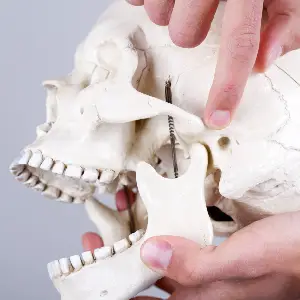
Jaw popping refers to an audible sound, such as a click, snap, or pop, originating from the temporomandibular joint (TMJ). This joint connects the jawbone to the skull and is critical in chewing, speaking, and yawning.
While occasional jaw popping can be harmless, persistent or painful popping may be a sign of a temporomandibular joint disorder (TMD), misalignment of the joint, or other structural issues. If you experience frequent or painful jaw popping, it’s important to consult with a dental professional to determine the root cause and appropriate treatment.
Why Does My Jaw Pop When I Chew?
There are several possible reasons for jaw popping, each affecting the temporomandibular joint (TMJ) and the surrounding muscles. Here are some of the most common causes:
Temporomandibular Joint Disorder (TMD)
TMD is one of the leading causes of jaw popping. This disorder affects the TMJ, the joint that allows your jaw to move smoothly. Inflammation, arthritis, or muscle tension can restrict normal jaw movement, causing popping or clicking, which is especially noticeable when chewing or speaking.
Jaw Misalignment
When the teeth or jawbones do not align properly, a condition known as malocclusion can put additional stress on the TMJ. Misalignment can cause discomfort and popping sounds, particularly when chewing, speaking, or making other jaw movements.
Bruxism (Teeth Grinding or Clenching)
Bruxism, or the grinding or clenching of teeth, often happens during sleep. This habit can wear down the muscles and joints around the jaw, leading to popping sounds, discomfort, or even pain over time. Bruxism is commonly triggered by stress, anxiety, or misaligned teeth.
Injury or Trauma
Any impact to the face or jaw, whether from an accident, sports injury, or other trauma, can disrupt the normal function of the TMJ. It can cause irregular jaw movements, leading to popping when chewing or opening the mouth.
Arthritis
Conditions like osteoarthritis or rheumatoid arthritis can affect the cartilage in the jaw joint. As the cartilage deteriorates, it can lead to stiffness, pain, and popping sounds as the joint moves. This condition is more common in older adults but can occur at any age.
Does Jaw Popping Affect Adults or Children?
Jaw popping can affect both adults and children, although the causes and prevalence rates differ between the two groups.
In Children and Adolescents
Temporomandibular disorders (TMDs) are not limited to adults. Research shows that the prevalence of TMDs in children and adolescents ranges from 6% to 68%. Common contributing factors in this age group include:
- Malocclusion: Improper bite alignment that places undue stress on the TMJ.
- Parafunctional Habits: Behaviors such as nail-biting, thumb-sucking, or teeth clenching.
- Psychosocial Stress: Emotional factors like anxiety and stress can exacerbate TMD symptoms.
It’s important to note that females, older adolescents, and those exhibiting signs of stress or nervousness are at higher risk.
In Adults
In adults, TMDs are also quite common, affecting an estimated 10% to 15% of the population. The prevalence is notably higher in women, with a female-to-male ratio of about 3:1. Factors contributing to jaw popping in adults include:
- Bruxism: Teeth grinding or clenching, often aggravated by stress, which leads to jaw discomfort.
- Arthritis: Osteoarthritis or rheumatoid arthritis can lead to inflammation and degeneration of the TMJ.
- Trauma or Injury: Past injuries to the jaw or head can misalign the TMJ, resulting in popping.
- Hormonal Factors: Hormonal fluctuations, especially in women, may influence the prevalence and severity of TMD symptoms.
While TMDs are common, many cases are manageable with appropriate treatments. However, persistent or painful jaw popping should be evaluated by a dentist to determine the underlying cause and treatment options.
Can Jaw Popping Be Treated?
Yes, jaw-popping is treatable, and the best approach depends on the underlying cause. Below are some of the most effective treatment options:
Custom Night Guards
For patients who grind or clench their teeth (bruxism), a custom night guard can protect the teeth and reduce pressure on the TMJ. This helps prevent further damage and alleviates popping sounds.
Orthodontic Treatment
Misalignment of the teeth or jaw is a major contributor to jaw popping. Correcting these issues with orthodontic treatments, such as braces or Invisalign, can help realign the bite, reduce strain on the TMJ, and eliminate the popping.
TMJ Therapy
A comprehensive approach to treating TMJ disorders often involves jaw exercises, physical therapy, and the application of cold or warm compresses to reduce inflammation and promote healing. Lifestyle modifications, such as reducing jaw stress, may also be recommended.
Stress Management
Since stress is a common factor in teeth clenching and jaw tension, managing stress through techniques like yoga, meditation, or counseling can significantly reduce symptoms. Learning to relax and manage stress can prevent jaw popping from becoming a chronic issue.
Dental or Surgical Interventions
In more severe cases of TMD or when structural damage to the TMJ occurs, dental or surgical interventions may be necessary. These can range from minimally invasive procedures to more advanced surgeries aimed at restoring proper joint function and alleviating pain.
Can Jaw Popping Be Prevented?
While not all cases of jaw popping can be prevented, several proactive steps can be taken to reduce the risk and protect your jaw health:
- Avoid Hard or Chewy Foods: Chewing tough or overly chewy foods can strain the jaw muscles. Opt for softer foods when possible to reduce stress on the TMJ.
- Maintain Good Posture: Proper posture is crucial for aligning your head and jaw. Avoid slouching or holding your head in unnatural positions to help reduce strain on the jaw and neck muscles.
- Use Proper Techniques When Yawning or Chewing: Avoid wide yawning or excessive jaw movements that can overstretch the TMJ. Chew food slowly and evenly on both sides of your mouth to prevent unnecessary stress on one side of your jaw.
- Manage Stress: Since stress contributes to teeth clenching and grinding, relaxation techniques such as yoga, meditation, or deep breathing can help reduce jaw tension.
- Schedule Regular Dental Checkups: Routine visits to your dentist can help detect early signs of misalignment or other issues that could lead to jaw popping. Addressing problems early can prevent them from escalating.
When Should You See a Dentist?
You should consult a dentist if you experience any of the following symptoms:
- Frequent Popping or Clicking: If your jaw pops or clicks often, especially when you are in discomfort, it may require attention.
- Pain or Stiffness: Persistent jaw pain or stiffness can indicate a temporomandibular joint disorder (TMD) or other jaw-related issues.
- Jaw Locking: If your jaw locks open or closed, chewing or speaking can be difficult, and you should seek professional evaluation.
- Difficulty Chewing, Speaking, or Yawning: If it becomes hard to chew, speak, or yawn comfortably, your jaw might not function correctly, and a dentist should assess it.
- Headaches, Earaches, or Facial Pain: Jaw problems can radiate pain to other areas, such as your head, ears, or face. If you experience these symptoms along with jaw issues, seek professional care.
These symptoms may indicate a deeper problem requiring prompt attention. Early diagnosis and treatment can help prevent long-term complications and restore comfort.
Is Jaw Popping a Serious Problem?
While jaw popping isn’t always a serious issue, it should not be ignored if it becomes persistent or painful. Whether caused by TMD, bite misalignment, or stress, untreated jaw popping can lead to more significant problems. The good news is that relief is possible with the right diagnosis and personalized treatment. Don’t wait for symptoms to worsen; consult a dental professional to explore your treatment options and regain a pain-free life.
Get Expert Treatment for Jaw Popping and Discomfort in Beverly Hills
If you’re experiencing persistent jaw popping while chewing, consult the skilled team at Perfect White Smile for effective solutions. We specialize in treating TMJ disorders, bite misalignment, and other jaw-related concerns with customized treatments in our advanced Beverly Hills facility.
Take control of your jaw health today by scheduling a consultation.
Call (310) 737-8787 or visit us at 433 N Camden Drive, Suite 1070, Beverly Hills, CA 90210. Let us help you restore comfort and alleviate jaw pain.
FAQs
How do you fix my jaw from popping when I chew?
Treatment for jaw popping depends on its cause. Common solutions include custom night guards, orthodontic treatment, TMJ therapy, physical therapy, and stress management techniques. Severe cases may require surgical intervention. A dentist or TMJ specialist will determine the most effective treatment.
Is it serious if your jaw pops?
Occasional jaw popping may not be serious, but frequent popping, accompanied by pain or stiffness, can indicate TMD or bite misalignment. It’s essential to consult a dentist to assess whether treatment is necessary.
How do I reset my TMJ jaw?
Resetting your TMJ involves gentle exercises, warm or cold compresses, and avoiding excessive jaw movement. Your dentist or physical therapist may recommend specific techniques to restore normal function and relieve discomfort.
Why does my jaw click on only one side?
A clicking jaw on one side is usually caused by issues with the TMJ on that side. Misalignment, cartilage damage, or inflammation could be the cause. A dentist can diagnose the issue and recommend appropriate treatments to restore function.
Will TMJ go away on its own?
TMJ symptoms may improve with self-care, rest, and stress management. However, chronic symptoms require professional treatment. Early intervention can prevent worsening and provide long-term relief.
Invisalign has revolutionized orthodontic treatment by providing a clear, removable alternative to traditional braces. A common question patients ask is: Can you eat with Invisalign?
The short answer is no. Invisalign aligners are not built to withstand chewing or extreme temperatures in food and beverages. Following specific eating and care guidelines is essential to protect your aligners and maintain your treatment schedule.
Keep reading to learn why eating with Invisalign is discouraged, what could happen if you do, and the best practices for keeping your treatment on track.

Why You Shouldn’t Eat With Invisalign In?
Invisalign aligners are made of medical-grade plastic designed to move your teeth gently. They are not resistant to the forces or heat associated with eating. Here’s why eating with aligners is a bad idea:
- Aligners can warp under heat – Hot foods and beverages may distort the aligners, affecting their fit and ability to shift your teeth correctly.
- Chewing can crack or break the trays – The force of chewing can damage the trays, possibly requiring replacements and delaying your treatment.
- Food particles get trapped – Eating with aligners traps food and bacteria between your teeth and trays, increasing the risk of decay and gum issues.
- Staining is likely – Dark-colored foods and drinks can stain the aligners, reducing their clear, discreet appearance.
- Progress may be delayed – Damaged or warped aligners do not apply the necessary pressure to move teeth effectively.
Always remove your aligners before consuming anything besides plain water to prevent these issues.
What Happens If You Eat With Invisalign?
Accidentally eating with Invisalign may seem harmless, but doing so regularly can cause several problems:
- Aligners may lose shape – Chewing can distort their form, reducing effectiveness.
- Stains build up – Colored foods and beverages can discolor the clear plastic.
- Sugars and acids get trapped – These substances may get sealed under the aligners, increasing cavity risk.
- Treatment slows down – Misaligned trays don’t move teeth properly.
- Additional costs – Damaged aligners may require replacements, adding expenses and time.
If you eat with your aligners by mistake, rinse them and your mouth thoroughly. Contact your dentist if you notice damage or persistent stains.
Do’s to Follow While Eating With Invisalign
To get the most from your Invisalign treatment, follow these essential guidelines:
- Remove aligners before eating – This avoids damage and ensures continued tooth movement.
- Store aligners safely – Use your Invisalign case to protect them from bacteria, damage, or loss.
- Rinse after meals – Rinse your mouth and trays to remove debris before reinserting.
- Brush and floss – Clean your teeth after every meal to avoid trapping particles.
- Wear aligners 20–22 hours daily – Stick to your wear time to stay on track with your treatment.
Don’ts of Eating With Invisalign
Avoid these habits to prevent unnecessary delays or complications:
- Don’t eat or drink (except water) with aligners in – This can warp or stain them.
- Don’t wrap aligners in napkins – They can be lost or contaminated.
- Don’t skip oral hygiene – Inserting aligners without brushing encourages decay.
- Don’t use harsh cleaners – Abrasive substances can scratch and dull your trays.
- Don’t delay reinsertion – Prolonged breaks reduce daily wear time and treatment effectiveness.
How to Clean Invisalign Aligners After Eating
Clean aligners thoroughly to keep them hygienic and invisible:
- Rinse with lukewarm water – Never use hot water as it can distort the trays.
- Gently brush with a soft toothbrush – This removes buildup without damaging the surface.
- Avoid toothpaste – Use clear, unscented antibacterial soap instead.
- Air-dry when possible – Moisture can encourage bacterial growth.
- Soak in cleaning crystals – Do this weekly for a deeper clean.
This simple care routine helps maintain clear, fresh aligners and a healthy smile.
Foods to Enjoy During Invisalign Treatment
With Invisalign, you can eat almost anything, just not while wearing the trays. Enjoy these aligner-friendly foods:
- Soft fruits – Bananas, peaches, and berries are gentle on teeth.
- Cooked vegetables – Steamed or roasted veggies are nutritious and easy to chew.
- Lean proteins – Fish, tofu, and chicken are healthy and soft.
- Whole grains – Rice, pasta, and quinoa are filling and easy on teeth.
- Smooth foods – Yogurt, soups, and smoothies require minimal chewing and are convenient for busy days.
Always clean your mouth before reinserting aligners after meals.
Invisalign and Snacking: What You Need to Know
Snacking requires discipline during Invisalign treatment. Here’s how to manage it effectively:
- Limit snacking – Reduce how often you remove your aligners by combining snacks with meals.
- Choose healthy options – Go for fruits, yogurt, or soft cheese.
- Avoid sugary or sticky snacks – These can cling to teeth and increase the risk of decay.
- Brush after snacking – Always clean your teeth before reinserting trays.
- Stay hydrated – Water helps rinse away food debris and bacteria.
Following these habits helps maintain hygiene and supports consistent aligner wear.
Conclusion
While you can’t eat with Invisalign trays in your mouth, thoughtfully managing your diet and oral care is key to treatment success. Removing trays before eating, practicing consistent oral hygiene, and following wear-time recommendations help ensure predictable, efficient results. You’ll enjoy a smooth Invisalign journey and a confident, straight smile with simple adjustments.
Start Your Invisalign Journey with Confidence
Transform your smile with Invisalign at Perfect White Smile. Our team combines advanced technology with expert care to help you achieve precise, comfortable, and beautiful results.
Call (310) 737-8787 to book your consultation, or visit us at 433 N Camden Drive, Suite 1070, Beverly Hills, CA 90210. Let us help you take the first step toward a straighter, healthier smile.
FAQs
Can you eat with Invisalign on?
No, you should never eat while wearing Invisalign. The aligners are not designed to handle food pressure and can warp or stain. Always remove them before eating and clean your teeth before putting them back in.
What happens if you accidentally eat with Invisalign?
Accidentally, eating with Invisalign may not cause instant damage, but repeated occurrences can distort the trays, trap food, or lead to staining. Remove and rinse your aligners and check for visible damage if this happens.
Can I drink with Invisalign?
Only plain, cool water is safe to drink with Invisalign. Hot beverages can warp the trays, and sugary or colored drinks can stain them. Remove your aligners for all other beverages.
How often should I clean my Invisalign aligners?
Clean your aligners at least twice daily, once in the morning and once at night. Rinse after every removal and soak in cleaning crystals several times a week.
Is snacking allowed during Invisalign treatment?
Yes, but you must remove your trays before snacking, clean your teeth before reinserting them, and try to limit snacks to reduce aligner removal and maintain daily wear time.
Snap-on veneers have become an increasingly popular choice for people looking to enhance their smile quickly, affordably, and without invasive dental procedures. These removable dental appliances are designed to improve the appearance of your teeth by covering imperfections such as stains, gaps, or chips. However, many patients ask one question: can you eat with snap-on veneers?
Let’s explore everything you need to know, including what snap-on veneers are, who they are suitable for, which foods to avoid, and how to properly care for them. With the right guidance and habits, you can enjoy a daily confident and functional smile.

What Are Snap-On Veneers?
Snap-on veneers, or clip-on or removable veneers, are custom-made dental covers crafted from high-quality resin. These covers fit snugly over your natural teeth and are designed to instantly improve the appearance of your smile. Unlike traditional veneers, snap-on veneers do not require tooth reduction, drilling, or anesthesia.
They are engineered to mimic the natural look of your teeth and can conceal various cosmetic flaws such as discoloration, minor misalignment, gaps, chipped enamel, and even missing teeth. Since they are removable and noninvasive, snap-on veneers provide a pain-free, temporary cosmetic solution for patients seeking a smile transformation without committing to permanent dental work.
Who Is a Good Candidate for Snap On Veneers?
Snap-on veneers are ideal for individuals who want to enhance the appearance of their smile without undergoing extensive dental procedures. They are especially beneficial for those looking for an affordable, nonpermanent cosmetic option.
You may be a good candidate for snap-on veneers if:
- Your teeth are stained, chipped, or slightly misaligned
- You have one or more missing teeth but not a full arch
- You want a removable, budget-friendly alternative to traditional veneers or implants
- You’re not ready for permanent dental restorations
- You need a temporary solution for events, photoshoots, or special occasions
However, snap-on veneers may not be suitable for everyone. Patients with severe dental issues such as advanced tooth decay, gum disease, or major bite misalignment should consult a dentist to treat these underlying problems before considering this option.
Am I Able to Eat With Snap-On Dental Veneers?
You can eat with snap-on dental veneers but with certain precautions. These veneers are designed to be functional for everyday activities, including eating, but they are not as strong as your natural teeth or permanent dental restorations.
Snap-on veneers can handle soft, nonsticky foods, making them suitable for light meals and snacks. However, it’s crucial to be mindful of how much pressure you apply while chewing and to avoid foods that could damage or dislodge the veneers. Eating tough or chewy items frequently may cause the material to wear down prematurely, reducing the overall lifespan of the veneers.
To get the most out of your snap-on veneers, follow your dentist’s advice and develop eating habits that prioritize the appliance’s integrity.
Eating With Snap On Veneers
If you choose to eat while wearing snap-on veneers, it’s important to do so thoughtfully. Here are some practical tips to help you eat safely and comfortably:
- Choose soft foods: Stick to gentle foods such as scrambled eggs, pasta, mashed potatoes, yogurt, and bananas. These options are less likely to put stress on the veneers.
- Chew with your back teeth: Avoid biting into food using your front teeth. Instead, chew with your molars to evenly distribute pressure and minimize damage.
- Cut food into smaller pieces: Smaller bites limit pressure on the veneers, reducing the risk of cracks or shifting.
- Avoid extremely hot foods: Very hot temperatures can cause the veneer material to expand or warp.
- Remove when necessary: For sticky, crunchy, or particularly hard foods, it’s best to remove the veneers before eating.
Remember, while snap-on veneers are suitable for light meals, they are not built for heavy chewing. Practicing mindful eating habits will help preserve their condition and keep your smile looking its best.
Foods to Avoid With Veneers
To extend the life of your snap-on veneers and maintain their appearance, avoiding certain foods that could cause staining, cracking, or general wear is essential. The following foods and beverages should be limited or avoided:
- Hard foods – Raw carrots, nuts, hard candies, and ice can put excessive pressure on the veneers and may cause cracks or fractures.
- Sticky foods – Items like chewing gum, caramel, and toffee can cling to the veneers, leading to loosening or misalignment.
- Highly pigmented foods and drinks—Coffee, red wine, berries, curry, and tomato-based sauces can stain the veneer surface over time.
- Tough meats – Chewy cuts like steak can stress the veneers during biting and increase the risk of wear or damage.
- Sugary snacks—Excess sugar can contribute to plaque buildup around the veneers, affecting the appliance and your natural teeth.
If you consume any of these items, it is best to remove your veneers beforehand. To maintain optimal hygiene, rinse your mouth and clean the veneers before reinserting them.
How to Care for Your Snap-On Veneers
Proper care is essential to keep your snap-on veneers clean, intact, and long-lasting. Follow these care guidelines to maintain their condition:
- Clean after each use: Gently brush your veneers using a soft-bristled toothbrush and nonabrasive toothpaste or mild soap.
- Soak daily: To remove bacteria and odor, use a denture cleaning solution to soak your veneers overnight.
- Store properly: Always place your veneers in a ventilated protective case when not in use to avoid damage or contamination
- Avoid harsh chemicals: Do not use bleach, alcohol-based products, or abrasive cleansers, as they can erode the veneer surface.
- Maintain oral hygiene: Brush and floss your natural teeth twice daily to support healthy gums and prevent plaque buildup.
Routine dental visits are also important for evaluating your veneer’s condition and fit and ensuring your oral health remains on track.
Keep Your Smile Stunning and Functional
Snap-on veneers provide a noninvasive, affordable way to upgrade your smile and boost your confidence. While you can eat with snap-on veneers, doing so with care is essential to maintaining their quality. By avoiding harmful foods, practicing smart eating habits, and maintaining proper hygiene, you can enjoy snap-on veneers’ daily functional and aesthetic benefits.
Schedule Your Snap On Veneers Consultation Today
Ready to transform your smile with snap-on veneers? Our expert cosmetic dentists at Perfect White Smile are here to help you find the right solution tailored to your needs. We’ll guide you through the process, from consultation to fitting, ensuring a comfortable and confident experience.
Book your consultation today by calling (310) 737-8787 or visiting our clinic at 433 N Camden Drive, Suite 1070, Beverly Hills, CA 90210.
FAQs
Can you eat while wearing snap-on veneers?
You can eat while wearing snap-on veneers, but you should stick to soft, nonsticky foods. Avoid hard or chewy items, which can damage the veneers or cause discomfort. Removing them during challenging meals can help preserve their quality and fitness.
What are the disadvantages of snap-on veneers?
Snap-on veneers are less durable than permanent dental restorations. They may stain over time and wear down frequently, and they might not fit perfectly for everyone. They are also not suitable for patients with advanced decay, gum disease, or severe misalignment.
Can you eat normally with pop-on veneers?
You can eat with pop-on veneers, but not exactly as you would with natural teeth. Stick to soft foods, avoid biting with your front teeth, and steer clear of anything too hard or sticky. Careful eating helps prevent damage or loosening of the veneers.
Do dentists recommend snap-on veneers?
Dentists may recommend snap-on veneers as a temporary or cosmetic enhancement for individuals looking to improve their smile without permanent dental work. However, they are not a substitute for comprehensive treatments like crowns, bridges, or implants when restoration is needed.
Can I sleep with snap-on veneers?
No, you should not sleep with snap-on veneers in place. Wearing them overnight can lead to discomfort, increased bacterial buildup, and potential breakage. Always remove them before sleeping and store them in a clean case.
Can you chew gum with snap-on veneers?
Chewing gum with snap-on veneers is not advisable. The gum can stick to the veneers and may cause them to shift or become loose. Repeated chewing can also stress the material and shorten its lifespan.
You’re not alone if you’ve ever experienced jaw discomfort, clicking sounds, or difficulty chewing. Millions of Americans report jaw-related pain each year. Often, this discomfort is connected to conditions involving the temporomandibular joint (TMJ). But there’s a lot of confusion around TMJ vs. TMD.
At Perfect White Smile, we believe that patient education is the foundation of effective treatment. This guide will clearly explain the symptoms, causes, and treatment options so you can seek the right care.
What Is TMJ?
TMJ refers to the temporomandibular joint, which connects the jawbone (mandible) to the skull (temporal bone). It acts as a sliding hinge that allows essential movements such as speaking, chewing, and yawning. Everyone has two TMJs, one on each side of the jaw.
TMJ is not a diagnosis—it’s an anatomical part of the body.

What Is TMD?
TMD stands for temporomandibular disorders—a group of conditions that affect the function of the TMJ, surrounding muscles, and jaw structures. According to the National Institute of Dental and Craniofacial Research (NIDCR), over 10 million Americans suffer from some form of TMD, with women more frequently affected than men.
Recognizing the Symptoms of TMD
Understanding the signs of TMD is crucial for early intervention. Delaying diagnosis can worsen symptoms over time.
Common Symptoms Include:
- Jaw pain or tightness, especially in the morning
- Clicking, popping, or grinding sounds during jaw movement
- Difficulty opening or closing the mouth
- Ear pain or a sensation of fullness without infection
- Frequent headaches, especially near the temples
- Pain or fatigue while chewing
- Facial swelling near the joint
- Tinnitus (ringing in the ears)
Some may experience mild or intermittent symptoms, while others may experience debilitating chronic pain. Our dentists evaluate symptoms in context with your medical and dental history to arrive at an accurate diagnosis.
What Causes TMD?
Several risk factors can contribute to TMD. In most cases, the cause is multifactorial, meaning a combination of issues affects the joint or surrounding muscles.
- Bruxism (Teeth Grinding and Clenching): Habitual grinding or clenching, especially during sleep, places constant pressure on the TMJ, leading to muscle fatigue, joint inflammation, and potential enamel damage.
- Jaw or Facial Injury: Physical trauma from accidents or sports can displace or damage the TMJ, altering jaw alignment and triggering chronic pain or joint dysfunction over time.
- Arthritis: Inflammatory conditions like osteoarthritis or rheumatoid arthritis can break down joint cartilage, causing pain, stiffness, and restricted jaw movement within the TMJ.
- Malocclusion: An uneven bite causes misalignment in jaw movement, resulting in excessive strain on one or both TMJs and leading to muscle stress and joint wear.
- Stress and Muscle Tension: Emotional stress often triggers involuntary jaw clenching, which overworks the jaw muscles, leading to tightness, pain, and eventual joint irritation or dysfunction.
Identifying the cause helps tailor treatment. For example, a TMD related to bruxism responds well to night guards and behavior modification, while an arthritis-related TMD may require anti-inflammatory therapy.
Diagnosing TMD at Perfect White Smile
At Perfect White Smile, diagnosis is handled by our skilled dental professionals who are experienced in evaluating TMJ-related issues. We use a combination of:
- Comprehensive medical and dental history: We review your health records to identify risk factors and past jaw-related symptoms.
- Digital X-rays and 3D scans for joint analysis: High-resolution imaging helps visualize joint position, bone structure, and any signs of degeneration.
- Bite assessments and joint palpation: We examine your bite alignment and gently feel the jaw joint for pain or irregular motion.
- MRI or CT imaging (when necessary): Advanced imaging shows soft tissue health and internal joint structure for detailed assessment.
Our clinic prioritizes patient education and transparency in all treatment discussions. You’ll always understand the “why” behind your diagnosis and next steps.
Treatment Options for TMD
We follow an evidence-based, conservative-first approach. Surgery is a last resort, and most patients respond well to non-invasive care.
1. Home Care & Lifestyle Adjustments
Managing TMD often begins with simple lifestyle changes. During flare-ups, we recommend a soft-food diet to reduce strain on your jaw. Avoid chewing gum, biting nails, or eating hard foods. Warm compresses can relax facial muscles, and practicing jaw-stretching exercises and maintaining proper posture can significantly reduce tension over time.
2. Customized Night Guards
We design custom-fitted occlusal splints, known as night guards, to protect your teeth from grinding and clenching while you sleep. These devices realign your bite slightly and reduce pressure on your temporomandibular joints, providing long-term symptom relief and helping prevent further joint damage and enamel wear.
3. Medications
Medications can help manage pain and inflammation associated with TMD. NSAIDs like ibuprofen are commonly prescribed to reduce swelling. Muscle relaxants may relieve tension in overactive jaw muscles, while low-dose tricyclic antidepressants can be used in chronic cases to manage nerve-related pain and improve sleep quality.
4. Physical Therapy & Jaw Exercises
We may refer patients to licensed physical therapists trained in TMJ rehabilitation. Therapy includes guided jaw exercises, posture correction, and ultrasound or TENS therapy. These methods improve joint mobility, restore muscle balance, and help prevent further episodes of jaw pain or dysfunction through consistent therapeutic exercises.
5. Botox® Injections
For patients with chronic muscle tightness or jaw spasms, Botox® injections can offer targeted relief. The neurotoxin temporarily weakens hyperactive jaw muscles, easing pain and improving function. It’s especially effective for those unresponsive to other therapies. Our use of Botox® follows ADA guidelines and is clinically supported for select TMD cases.
6. Surgery (Only When Needed)
Surgery is reserved for severe, non-responsive TMD cases. When conservative options fail, procedures such as arthrocentesis, arthroscopy, or joint replacement may be considered. At Perfect White Smile, we refer patients to board-certified oral and maxillofacial surgeons, ensuring safety and precision in complex cases.
Living with TMD: Long-Term Outlook
TMD can be temporary or chronic. With proper diagnosis and early intervention, most patients improve significantly. Regular follow-ups, treatment adherence, and stress management are essential for long-term relief.
TMJ or TMD: Which One Are You Dealing With?
If you’re experiencing jaw discomfort, clicking sounds, facial pain, or limited jaw movement, you’re likely dealing with TMD (temporomandibular joint disorder)—not just TMJ. It’s important to understand that TMJ refers to the joint connecting your jaw to your skull, while TMD is the condition or disorder affecting how that joint functions.
Many people use the terms interchangeably, which can create confusion. However, knowing the difference is crucial for proper diagnosis and treatment. While jaw discomfort might seem minor at first, it can worsen without care, leading to chronic pain, difficulty eating, and even headaches or ear symptoms.
A professional diagnosis is the best way to determine what’s affecting your oral health.
Conclusion: Get Relief the Expert Way
Understanding the difference between TMJ and TMD is vital for seeking proper care. With symptoms, causes, and treatment options explained, you can take the next step toward relief.
At Perfect White Smile, we are committed to helping you restore your oral comfort, function, and overall wellness. If you’re experiencing jaw pain, book your TMD consultation today.
Relief may be just one appointment away!
FAQs
Is TMD a permanent condition?
Not necessarily. Many cases improve with therapy, lifestyle changes, and professional treatment.
Can jaw clicking be normal?
Painless clicking may not require treatment. However, if it’s frequent or paired with pain, evaluation is advised.
Are TMD symptoms linked to stress?
Yes. Emotional stress can lead to jaw clenching, which worsens TMD symptoms.
Who is most at risk for TMD?
Women aged 20–40 are more prone to TMD, possibly due to hormonal and anatomical factors.
Jaw pain is a common concern that affects millions of people and can range from mild annoyance to severe discomfort that disrupts daily life. Whether it starts suddenly or gradually builds over time, jaw pain can interfere with speaking, chewing, and sleeping. If you’re wondering, “Why does my jaw hurt?” understanding the cause is the first step toward lasting relief.
Keep reading to explore the most common causes of jaw pain and offer evidence-based strategies for identifying the issue and finding appropriate relief.
What Causes Jaw Pain?
Jaw pain can originate from various sources, such as joints, muscles, nerves, or nearby structures like teeth or sinuses. Identifying the exact cause is essential for effective treatment.
Here are some of the most common causes of Jaw Pain:

1. Temporomandibular Joint Disorder (TMD)
TMD refers to issues affecting the jaw joints and surrounding muscles. These joints help you talk, chew, and yawn, but are sensitive to stress and misalignment. Common causes include teeth grinding, jaw clenching, arthritis, or joint injury.
Women are more likely than men to develop TMJ disorders, possibly due to hormonal differences, stress levels, or jaw anatomy. Symptoms may include jaw clicking, facial soreness, headaches, and limited jaw movement.
2. Tooth or Gum Infections
Untreated dental issues such as cavities, gum disease, or abscesses can lead to jaw pain. This pain is usually sharp or throbbing and intensifies while chewing. A dental examination can help distinguish this from joint or muscle pain.
3. Sinus Infections
Inflamed sinuses, particularly the maxillary sinuses above the upper jaw, can cause facial pressure and discomfort that mimics jaw pain. Accompanying symptoms include nasal congestion and tenderness in the cheeks.
4. Trigeminal Neuralgia
This neurological condition affects the trigeminal nerve, which transmits sensation to the face. It can trigger intense, electric-like pain in the jaw, even during simple actions like brushing your teeth or eating. Medical evaluation is necessary for diagnosis and management.
5. Cluster Headaches
Cluster headaches are excruciating and usually affect the area around one eye. However, they can also radiate to the jaw, especially during active headaches. Other symptoms may include nasal congestion and eye watering.
6. Heart Attack Warning Sign
In rare cases, jaw pain, particularly on the left side, may signal a heart attack. Women are more likely to experience this symptom. If jaw pain occurs with chest discomfort, sweating, or shortness of breath, seek emergency medical help.
7. Arthritis of the Jaw
Conditions like osteoarthritis or rheumatoid arthritis can affect the jaw joints, leading to stiffness, grinding sensations, and pain. Symptoms are often worse in the morning or after excessive jaw use.
8. Teeth Grinding and Clenching (Bruxism)
Bruxism involves grinding or clenching the teeth, often during sleep or stressful situations. Over time, this can damage the jaw joints and muscles, resulting in soreness and persistent discomfort.
9. Dental Surgery or Trauma
During recovery, procedures such as extractions, root canals, or implants can cause temporary jaw pain. Similarly, jaw trauma from injuries can result in fractures, dislocations, or muscle strain.
How to Relieve Jaw Pain: Effective At-Home Solutions
Jaw pain doesn’t always require invasive treatment. Here are some strategies you can try at home to manage and reduce discomfort:
- Use Warm or Cold Compresses: Apply a warm compress to ease muscle tension or a cold pack to reduce inflammation. Use for 10–15 minutes at a time, multiple times a day, to help alleviate symptoms.
- Try Jaw Massage and Gentle Stretching: Massage the muscles around your jaw with circular motions and incorporate gentle stretching exercises. It can help relieve tightness and improve joint mobility.
- Avoid Hard, Chewy, or Crunchy Foods: During flare-ups, stick to soft foods such as soups, smoothies, and mashed vegetables. Avoid gum, hard candies, and raw vegetables to reduce strain on the jaw.
- Reduce Stress to Minimize Clenching: Stress is a major trigger for unconscious jaw clenching. To ease tension, engage in stress-reducing activities like yoga, deep breathing, meditation, or journaling.
- Limit Caffeine Intake: Caffeine can exacerbate muscle tension and contribute to jaw pain. Reducing coffee, tea, and energy drinks may help lower muscle sensitivity over time.
Professional Treatments for Jaw Pain
If self-care doesn’t provide relief, professional intervention may be necessary. Common treatment options include:
- Custom Mouthguards: Dentist-fitted mouthguards, especially worn at night, can help prevent teeth grinding and protect the TMJ from further stress.
- Prescription Muscle Relaxants: Muscle relaxants may be prescribed to reduce jaw tension and pain, particularly when other failed treatments have been used. These are used in the short term.
- Botox® Injections for TMJ: Botox injections can temporarily weaken overactive jaw muscles and relieve chronic clenching or TMJ dysfunction. Results last a few months.
- Jaw Surgery: Surgery is considered only when conservative treatments do not work. Depending on the severity, options include arthroscopy, joint realignment, or full joint replacement.
When to See a Dentist or Specialist
Consult a healthcare provider if you experience any of the following:
- Pain lasting more than a few days
- Difficulty moving your jaw
- Clicking, locking, or popping sounds
- Pain spreading to your ears, neck, or head
- Fever or facial swelling
Early diagnosis can prevent complications and support faster recovery.
Summary
Jaw pain can be disruptive and may signal a variety of underlying issues, from TMJ disorders and bruxism to infections or systemic conditions. Identifying the cause is key to choosing the proper treatment. Whether through home care or professional therapies, most individuals can find effective, long-term relief and regain their quality of life.
Find Relief from Jaw Pain Today
If jaw pain interferes with your comfort or daily life, it’s time to take action. Book your consultation by calling (310) 737-8787 or visiting our office at 433 N Camden Drive, Suite 1070, Beverly Hills, CA 90210. Expert care can help you regain function and restore your smile.
FAQs
How to get jaw pain to go away?
To relieve jaw pain, apply warm or cold compresses, take over-the-counter anti-inflammatory medications, avoid hard foods, and manage stress. If the pain persists, seek evaluation from a dental or medical professional to determine the underlying cause.
How do I know what is causing my jaw pain?
A comprehensive evaluation by a dentist or physician is necessary. They may use physical exams, dental assessments, and imaging tools like X-rays or MRIs to diagnose conditions such as TMJ disorders, infections, or nerve issues.
What is the best pain reliever for jaw pain?
Nonsteroidal anti-inflammatory drugs (NSAIDs) like ibuprofen or naproxen are often recommended. Acetaminophen may also help with general pain. Always follow dosage guidelines and consult a healthcare provider before taking any medication.
What is the disease that starts with jaw pain?
Several conditions may start with jaw pain. One of the most serious is a heart attack. Other conditions include TMD, sinusitis, or infections like osteomyelitis. Persistent or severe pain should always be evaluated promptly.
How do you release tension in your face and jaw?
You can release tension by performing facial massages, jaw stretches, and stress-reducing activities such as yoga and breathing exercises. Avoid clenching your teeth; consider using a nightguard if you grind your teeth at night.
Jaw pain is more than just a minor discomfort; it can signify a deeper issue affecting oral health. Whether it’s from a recent injury, underlying dental problems, or a chronic condition like TMJ, jaw pain can significantly impact your daily life. If you’ve been experiencing consistent or recurring pain in your jaw, it’s important to understand the root causes. In this blog, we’ll explore five possible reasons why your jaw might hurt and how you can find relief, especially with expert care from Perfect White Smile.

1. Temporomandibular Joint Disorder (TMJ)
One of the most common causes of jaw pain is Temporomandibular Joint Disorder (TMJ), which refers to issues affecting the temporomandibular joint. This hinge connects your jaw to your skull. This joint plays a vital role in every movement you make with your mouth, from talking to chewing, and even yawning. When it becomes inflamed, misaligned, or damaged, it can cause significant discomfort.
Symptoms of TMJ
TMJ disorders often present with various symptoms, which can range from mild to severe. Some common symptoms include:
- Pain in the jaw, neck, or shoulders
- Clicking, popping, or grating sounds when you move your jaw
- Limited movement or locking of the jaw
- Headaches and earaches
- Tinnitus (ringing in the ears)
Causes of TMJ
TMJ can be triggered by various factors, such as stress, injury, or even genetics. Some people may clench or grind their teeth unconsciously, especially while they sleep, which puts excessive pressure on the joint, leading to pain and inflammation. Other causes can include jaw misalignment, arthritis, or trauma from an accident.
Treatment Options for TMJ
If you’re dealing with TMJ symptoms, Perfect White Smile specializes in diagnosing and providing effective treatments for TMJ disorders. Dr. David Frey, DDS, uses advanced diagnostic techniques to evaluate the root cause of your jaw pain. Treatment may involve:
- Custom-made nightguards to prevent teeth grinding
- Physical therapy to improve joint mobility
- Anti-inflammatory medications to reduce pain
- Dental splints to help reposition the jaw
2. Teeth Grinding (Bruxism)
Teeth grinding, also known as bruxism, is another common cause of jaw pain. Many people unknowingly grind or clench their teeth, especially while they sleep. Over time, this repetitive pressure on the teeth and jaw can cause discomfort, wear down your enamel, and even lead to cracked teeth.
Symptoms of Bruxism
Signs that you may be grinding your teeth include:
- Waking up with a sore jaw or headache
- Tooth sensitivity
- Chipped or cracked teeth
- Visible wear on the surface of your teeth
Causes of Bruxism
Teeth grinding can be triggered by a variety of factors, including:
- High levels of stress and anxiety
- Sleep disorders
- Misaligned teeth or an improper bite
- Certain medications (like antidepressants)
Treatment for Bruxism
If you grind your teeth at night, the best solution is a custom nightguard. At Perfect White Smile, Dr. Frey offers personalized mouthguards that fit comfortably and protect your teeth from the damaging effects of bruxism. Other treatment options may include stress management techniques, lifestyle changes, or orthodontic treatments to correct a misaligned bite.
3. Arthritis
Arthritis can affect various joints, including the temporomandibular joint (TMJ). Both osteoarthritis (degenerative joint disease) and rheumatoid arthritis (an autoimmune disorder) can lead to inflammation, stiffness, and pain in the jaw. As these conditions progress, they can interfere with the joint’s ability to move properly, causing discomfort and limited mobility.
How Arthritis Affects the Jaw
Arthritis in the TMJ can cause:
- Joint degeneration, leading to bone-on-bone friction
- Reduced jaw mobility or a locked jaw
- Constant dull or throbbing pain
- Swelling and tenderness around the jaw joint
Managing Arthritis and Jaw Pain
Managing arthritis-related jaw pain often requires a comprehensive approach, including:
- Medication to reduce inflammation and pain
- Physical therapy to strengthen the jaw muscles
- The use of joint-supporting devices, such as splints or nightguards
- Surgical intervention, in extreme cases, to repair or replace the joint
If you suspect arthritis contributes to your jaw pain, consult with Dr. Frey to create a customized treatment plan that addresses the symptoms and the underlying condition.
4. Jaw Injury
Jaw injuries, whether caused by a fall, accident, or sports-related trauma, can lead to pain and discomfort. A jaw injury may result in a dislocated jaw, fractured bone, or muscle strain, which can interfere with normal jaw function.
Common Jaw Injuries
- Fractures: A break in the jawbone, often caused by trauma.
- Dislocations: When the jaw joint is forcibly moved out of place.
- Muscle Strains: Injuries to the muscles that control jaw movement.
Treatment for Jaw Injuries
If you have recently suffered a jaw injury, it’s essential to seek dental care immediately. Dr. Frey will perform a thorough examination and may recommend:
- X-rays to evaluate the extent of the injury
- Ice packs to reduce swelling
- Splints or braces to stabilize the jaw
- Surgical treatment in the case of severe fractures or dislocations
A timely visit to Perfect White Smile ensures the right intervention to heal your jaw and restore its function.
5. Dental Issues
Certain dental problems can cause or exacerbate jaw pain. For instance, misaligned teeth or bite issues may lead to unnecessary stress on your jaw, resulting in discomfort. Similarly, untreated cavities, gum disease, or infections in the tooth roots may radiate pain to the jaw.
How Dental Issues Lead to Jaw Pain
- Misalignment: An uneven bite can force your jaw to compensate, resulting in pain and tension.
- Cavities: Infected teeth can cause swelling or throbbing that extends to the jaw.
- Gum Disease: Infected gums can cause tenderness and pain that radiates through the jaw.
Treatment for Dental Issues
Addressing dental problems early on can help prevent jaw pain. At Perfect White Smile, we offer comprehensive dental treatments, including:
- Braces or Invisalign for bite correction
- Fillings or root canal therapy for cavity treatment
- Periodontal care for gum disease
By resolving these dental issues, you can alleviate strain on your jaw and prevent further discomfort.
Conclusion
Jaw pain can arise from various causes, ranging from TMJ disorders and teeth grinding to arthritis, injuries, and dental issues. Understanding the underlying cause is the first step toward effective treatment. If you’ve been struggling with jaw pain, don’t wait to seek professional care. At Perfect White Smile, Dr. David S. Frey provides comprehensive solutions tailored to your needs, offering relief from jaw discomfort and helping you regain a healthy, pain-free smile.
Contact us today to schedule a consultation and take the first step toward a pain-free life.
FAQs
What are the common symptoms of TMJ?
TMJ symptoms include jaw pain, headaches, earaches, clicking or popping sounds when opening your mouth, and difficulty opening your mouth wide.
How can I prevent teeth grinding?
To prevent teeth grinding, try using a nightguard, managing stress, and avoiding stimulants like caffeine before bedtime. Your dentist can provide a custom mouthguard for protection.
Can arthritis cause jaw pain?
Yes, both osteoarthritis and rheumatoid arthritis can affect the temporomandibular joint, leading to pain and reduced jaw movement.
What should I do if my jaw hurts after an injury?
If your jaw hurts after an injury, seek dental care immediately. Your dentist can assess the damage and offer treatment options to reduce pain and restore functionality.
How can I improve my bite and relieve jaw pain?
A misaligned bite can contribute to jaw pain. Treatments like braces, Invisalign, or corrective dental work can help realign your teeth, relieving strain on your jaw.
Bibliography & Source
- American Dental Association (ADA) – Temporomandibular Joint (TMJ) Disorders
- National Institute of Dental and Craniofacial Research (NIDCR) – Bruxism
- WebMD – Jaw pain
Jaw pain can interfere with your ability to chew, speak, and sleep. At Perfect White Smile, we frequently treat patients suffering from persistent jaw discomfort, many of whom are unsure whether the issue lies with their TMJ or a condition known as TMD.
In this expert guide, we’ll explain Jaw Pain and Its Causes: TMD vs TMJ, how to tell the difference, and what treatment options are available to help you regain comfort and jaw function.
TMJ vs. TMD: What’s the Difference?
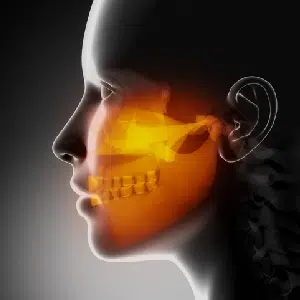
What Is the TMJ?
The temporomandibular joint (TMJ) connects your lower jaw (mandible) to the skull. This hinge-like joint allows your mouth to open and close and plays a crucial role in chewing, speaking, and swallowing.
What Is TMD?
Temporomandibular joint disorder (TMD) is dysfunction or pain affecting the TMJ and surrounding muscles. It’s a broad term encompassing inflammation, misalignment, and stress-related issues that interfere with normal jaw function.
Key Distinction:
- TMJ: the anatomical joint
- TMD: the dysfunction or condition causing pain
TMJ vs. TMD: Clearing the Confusion
To clarify:
| Term | Meaning |
| TMJ | Temporomandibular Joint (the anatomical joint) |
| TMD | Temporomandibular Disorders (conditions affecting the joint and muscles) |
You have a TMJ, but you may suffer from TMD.
Using the right terminology helps ensure accurate communication between you and your dental provider.
Causes of TMD: Understanding the Root Problem
There is no single cause of TMD; it can stem from a combination of factors. Here are the most common contributors:
- Bruxism (Teeth Grinding and Clenching): Often linked to stress, bruxism exerts constant pressure on the TMJ, leading to muscle fatigue and joint irritation, especially overnight.
- Joint Injury or Trauma: A blow to the jaw or an accident can displace or damage the joint, triggering inflammation and long-term dysfunction.
- Arthritis: Osteoarthritis or rheumatoid arthritis can deteriorate the TMJ over time, reducing joint flexibility and causing pain.
- Misaligned Bite (Malocclusion): When your teeth don’t align properly, your jaw muscles and joints compensate, which may eventually strain the TMJ.
- Emotional Stress and Muscle Tension: High-stress levels can cause unconscious jaw clenching, increasing strain on the joint and facial muscles.
How To Treat TMD?
We believe in non-invasive, conservative care wherever possible. Your treatment plan may include:
1. Custom Nightguards
These custom-fitted appliances are worn while you sleep to prevent teeth grinding (bruxism) and reduce stress on the TMJ. They help relax the jaw muscles and protect teeth from wear, easing pain over time.
2. Bite Correction
If your bite is misaligned, we may recommend orthodontic treatments like Invisalign® to improve how your teeth come together. Proper alignment reduces strain on the jaw joint and prevents further deterioration of the TMJ.
3. Physical Therapy
Specialized jaw exercises and muscle-stretching techniques help improve mobility, reduce inflammation, and relieve muscle tension. We may also recommend posture correction and manual therapy techniques to support long-term jaw function.
4. Stress Management
Because stress is a major trigger for jaw clenching and grinding, we provide relaxation strategies such as breathing exercises, mindfulness, and behavioral therapy referrals to help reduce emotional tension and prevent TMD flare-ups.
5. Medication
Depending on the severity of symptoms, anti-inflammatory drugs, muscle relaxants, or Botox® injections may relieve pain and reduce jaw muscle spasms, allowing healing and improved function.
6. Surgery (Last Resort)
When conservative treatments don’t offer relief, surgical options like arthrocentesis (joint flushing), arthroscopy, or joint replacement may be considered. Surgery is only recommended after thorough evaluation and when all other options have been exhausted.
Prevention Tips for TMD & Jaw Pain
- Avoid excessive gum chewing or nail-biting
- Maintain proper posture while working or using digital devices
- Use a nightguard if you grind your teeth
- Eat soft foods during flare-ups
- Apply moist heat or cold packs for temporary relief
Conclusion: Take the First Step Toward Jaw Pain Relief
Jaw discomfort can significantly impact your daily life, but you don’t have to live with it. Understanding the difference between TMD and TMJ is key to finding lasting relief. At Perfect White Smile, our expert team offers advanced diagnostics and personalized care to address the root cause of your symptoms.
If you’re experiencing persistent jaw pain, clicking, or stiffness, don’t wait. Schedule your consultation today and let us help you restore comfort, function, and confidence in your smile.
FAQs
Can TMD be cured permanently?
While some patients experience permanent relief with treatment, others may need ongoing care to manage symptoms, especially if bruxism or arthritis is involved.
Are women more likely to develop TMD?
Yes. Studies have shown that women, especially those between 20–40 years old, are more likely to experience TMD symptoms. Hormonal factors may play a role.
Can TMD go away on its own?
Mild TMD symptoms may resolve without treatment, especially if caused by temporary stress or muscle tension. However, chronic or worsening jaw pain should always be evaluated. Early intervention from a qualified provider can prevent long-term damage to the joint and muscles.
Is TMD dangerous if left untreated?
Untreated TMD can lead to worsening pain, limited jaw movement, joint damage, and even permanent misalignment. It may also affect sleep, diet, and mental health. That’s why timely evaluation by an experienced dentist is crucial for long-term well-being.
Can Invisalign help with TMD?
Yes, if your TMD is caused or worsened by bite misalignment, Invisalign® may help. Under professional guidance, it can gradually reposition the teeth and improve bite functions, reducing joint stress and easing TMD symptoms.
Temporomandibular joint (TMJ) disorders can be painful, frustrating, and often misunderstood. While many individuals associate TMJ dysfunction with jaw clicking or soreness, nerve involvement presents a more complex and serious concern. If you experience symptoms such as tingling, numbness, or radiating pain around your face, neck, or ears, you may be suffering from TMJ-related nerve damage. Recognizing these signs early and seeking timely, professional care can significantly improve your quality of life.
TMJ disorders affect approximately 5–12% of Americans, with women being twice as likely to experience symptoms as men, especially between the ages of 20 and 40. Let’s explain the most common symptoms of TMJ nerve damage and provide strategies for managing and relieving the condition.
What Is TMJ and How Can It Affect the Nerves?
The temporomandibular joints connect the lower jaw to the skull on each side of the face. These joints allow essential movements such as chewing, speaking, and yawning. When the TMJ is misaligned, inflamed, or under stress, it can compress or irritate nearby nerves, including the trigeminal and facial. This prolonged nerve compression or inflammation can trigger pain and neurological symptoms in the jaw, head, neck, and facial areas.
Common TMJ Nerve Damage Symptoms
Identifying the symptoms of TMJ-related nerve damage is essential for early intervention and effective treatment. Below are the most frequently reported symptoms:
Facial Pain or Tingling
Tingling, numbness, or sharp, shooting pain in the cheeks, jaw, chin, or lips may signal trigeminal nerve irritation. These sensations may be intermittent or persistent and often interfere with facial expressions, chewing, or brushing teeth.
Ear Pain and Tinnitus
TMJ disorders can compress nerves near the ear canal, resulting in unexplained earaches, a sensation of fullness in the ears, or tinnitus (ringing or buzzing sounds). These symptoms typically occur without any infection and can be confusing for patients.
Radiating Pain to the Neck and Shoulders
Since the jaw muscles and nerves are connected to the neck and upper back, it is common for TMJ dysfunction to cause pain that spreads beyond the jaw. Patients may feel muscle tension, stiffness, or nerve-like pain that extends to the shoulders and back.
Headaches or Migraines
TMJ-related nerve inflammation often contributes to frequent headaches or migraines, particularly around the temples or behind the eyes. These episodes can be triggered by jaw clenching, chewing, or prolonged speaking.
Difficulty Swallowing or Speaking
When inflammation affects the facial or glossopharyngeal nerves, patients may experience discomfort while speaking or swallowing. This may include a sensation of throat tightness or difficulty articulating certain words.
Tooth Sensitivity or Pain
Nerve-related referred pain can make teeth feel sore or unusually sensitive, even without dental decay or infection. Patients often mistake this discomfort for a dental issue when it originates from TMJ dysfunction.
Studies show that patients with TMJ dysfunction and nerve involvement exhibit joint derangement, often accompanied by neuropathic symptoms like tingling, numbness, or radiating facial pain.
What Causes TMJ Nerve Damage?
Several factors may lead to nerve irritation or compression in the temporomandibular joint:
- Chronic teeth grinding (bruxism)
- Jaw misalignment or malocclusion
- Arthritis or joint inflammation
- Trauma to the jaw or head
- Poor posture, especially in the neck
- Chronic stress or anxiety leading to jaw-clenching
A comprehensive dental and neuromuscular evaluation is critical for accurately diagnosing the underlying cause and developing a targeted treatment plan.
Effective Treatments for Managing TMJ Nerve Damage
Treatment for TMJ nerve damage should be tailored to the severity and origin of your symptoms. There are several options to relieve pressure on the TMJ and surrounding nerves:
- Custom Oral Appliances: A professionally made nightguard or splint can alleviate pressure on the jaw joint, prevent teeth grinding, and reduce nerve strain.
- Neuromuscular Dentistry: Using advanced diagnostics, we assess the relationship between your jaw, muscles, and nerves. We then realign your bite to relieve nerve compression and restore proper function.
- Stress Reduction Techniques: Stress management through guided breathing, meditation, or cognitive-behavioral therapy can help reduce unconscious clenching and relax overstimulated nerves.
- Anti-inflammatory and Nerve Pain Medications: NSAIDs, gabapentin, or low-dose antidepressants may be prescribed to reduce inflammation and nerve sensitivity. Muscle relaxants may also help alleviate jaw tension.
- Heat and Cold Therapy: Applying warm compresses improves blood flow and relaxes tight muscles, while cold packs help reduce inflammation and numb nerve pain. Alternating both methods can enhance symptom relief.
- Advanced Dental Treatments: In persistent cases, treatments like Botox® injections, occlusal adjustments, or minimally invasive joint procedures may be necessary to address muscle overactivity and nerve compression.
- Dietary and Lifestyle Modifications: Switching to a soft-food diet and avoiding hard or chewy foods can reduce strain on the jaw. Staying hydrated and minimizing caffeine or alcohol intake may help prevent muscle and nerve irritation.
- Surgical Solutions: For severe TMJ disorders that do not respond to conservative treatment, surgical options such as arthrocentesis, arthroscopy, or open-joint surgery may be considered. These procedures are typically a last resort.
When to See a TMJ Specialist
If you experience any of the following symptoms, it’s time to consult a TMJ specialist:
- Persistent jaw pain, tingling, or discomfort lasting more than a few days
- Worsening symptoms that affect your ears, neck, or head
- Difficulty speaking, chewing, or swallowing
- Tooth pain or sensitivity without a dental cause
- Limited jaw mobility or frequent locking
A specialist can provide a thorough diagnosis and customize a treatment plan that addresses the root cause of your TMJ nerve symptoms.
Takeaway
TMJ nerve damage can cause persistent pain and discomfort that interferes with daily life. Early recognition and personalized care are key to managing symptoms and preventing long-term complications. From oral appliances and neuromuscular dentistry to advanced treatments and stress reduction, the team at Perfect White Smile offers comprehensive solutions to restore your comfort and quality of life.
Ready to Treat Your TMJ Nerve Symptoms?
Don’t let TMJ nerve pain affect your health and happiness. Contact Perfect White Smile for a complete TMJ evaluation and treatment plan tailored to your needs. Call us at (310) 737-8787 or visit us at 433 N Camden Drive, Suite 1070, Beverly Hills, CA 90210. Let our experienced team help you reclaim your comfort, function, and confidence.
FAQs
How do you fix TMJ nerve damage?
TMJ nerve damage is treated with oral appliances, neuromuscular dentistry, physical therapy, medications, or advanced procedures like Botox® or surgery. Treatment depends on the severity of your symptoms and the underlying cause.
Is TMJ nerve damage reversible?
In many cases, TMJ nerve damage can improve or even reverse with timely, appropriate care. Early diagnosis and conservative treatment increase the likelihood of recovery.
How long does TMJ nerve damage last?
The duration varies by case. Mild irritation may resolve in weeks, while chronic nerve involvement can last months. Regular treatment and stress management can improve outcomes.
Can TMJ nerve damage heal on its own?
Minor nerve irritation may subside without intervention, especially with rest and reduced jaw movement. However, persistent or worsening symptoms typically require professional care.
Can TMJ nerve damage affect both sides of the face?
Yes. TMJ dysfunction can cause bilateral symptoms, especially when both joints are involved, or the underlying muscle tension affects both sides of the jaw and face.
Temporomandibular Joint (TMJ) pain can disrupt your daily life with symptoms like jaw stiffness, facial soreness, and migraines. While splints and pain relievers offer temporary relief, they don’t always fix the root cause. For many patients, braces and orthodontic treatment offer long-term solutions by addressing the structural issues behind TMJ dysfunction.
At Perfect White Smile in Beverly Hills, we specialize in physiologic and cosmetic dentistry designed to optimize health and aesthetics. This blog explores how TMJ pain develops, how orthodontic treatment can help, and what to expect during recovery.

What Is TMJ Disorder?
Your temporomandibular joints are on each side of your face, connecting your jawbone to your skull. These joints act like sliding hinges and are responsible for chewing, speaking, and facial expressions.
TMJ disorder (or TMD) occurs when the joints and surrounding muscles don’t function properly. This can result from injury, arthritis, stress, or teeth and jaw misalignment.
Common Symptoms of TMJ Dysfunction
TMJ disorder can present in multiple ways, and many people don’t realize their discomfort is jaw-related. Some common symptoms include:
- Clicking, popping, or grinding sounds in the jaw
- Pain or tenderness in the jaw, cheeks, or neck
- Difficulty chewing or opening the mouth wide
- Chronic headaches or migraines
- Earaches or a feeling of fullness in the ears
- Locking of the jaw joint
A dental evaluation is crucial for proper diagnosis and treatment planning when symptoms persist.
What Causes TMJ Pain?
TMJ dysfunction can stem from several factors. Understanding the cause is the first step toward choosing the proper treatment. Common causes include:
- Bite Misalignment: If your teeth don’t come together properly, the jaw muscles and joints may overcompensate, leading to strain and dysfunction.
- Teeth Grinding and Clenching (Bruxism): Often occurring during sleep, bruxism puts constant pressure on the TMJ, contributing to muscle fatigue and joint inflammation.
- Arthritis or Joint Degeneration: Rheumatoid arthritis or osteoarthritis can degrade the TMJ structure, leading to chronic pain and reduced mobility.
- Trauma or Injury: Whiplash, sports injuries, or falls may impact jaw alignment and damage joint tissues.
- Stress and Muscle Tension: Anxiety often leads to unconscious jaw clenching, especially during the day or night.
How Braces Help Relieve TMJ Pain
Orthodontics addresses the underlying structural problems of TMJ dysfunction, particularly malocclusion (bad bite) and jaw misalignment.
Here’s how braces and other orthodontic treatments can relieve TMJ symptoms:
- Correcting Bite Alignment: Braces move teeth into ideal positions, closing the jaw in a more natural, tension-free alignment. This reduces stress on the TMJs and surrounding muscles.
- Enhancing Jaw Function: A properly aligned bite improves jaw opening, closing, and moving side-to-side, minimizing joint strain during normal functions like speaking and chewing.
- Preventing Future Damage: Addressing the cause of misalignment early can prevent long-term joint wear, degeneration, and associated pain.
- Reducing Bruxism: Improved alignment can reduce nighttime teeth grinding, which is often caused by uneven bite pressure and muscle imbalance.
When Is Orthodontic Treatment Recommended for TMJ Pain?
Not every case of TMJ dysfunction requires braces, but orthodontics is ideal when:
- You have a visibly misaligned bite
- There’s evidence of clenching, grinding, or uneven tooth wear
- Pain is localized to the joint or the surrounding muscles
- Imaging or exams show asymmetry in jaw movement
- You’ve experienced limited success with splints or mouthguards
A complete evaluation at Perfect White Smile will include imaging, bite analysis, and jaw function testing to determine your best treatment plan.
Benefits of Orthodontic TMJ Treatment
- Long-term pain relief without surgery
- Improved bite and chewing efficiency
- Enhanced smile aesthetics and facial balance
- Lower risk of future jaw joint degeneration
- Better sleep and reduced teeth grinding
- Non-invasive and drug-free alternative
Orthodontic Treatment Options for TMJ Pain
At Perfect White Smile, treatment plans are tailored to each patient’s unique needs. Options may include:
Traditional Braces
Traditional braces use metal or ceramic brackets connected by wires to move teeth into their proper positions gradually. They are especially effective for correcting complex orthodontic problems, such as severe overbites, underbites, or overcrowding. This method allows precise control over tooth movement and is often recommended for patients needing significant bite correction and jaw alignment improvement.
Clear Aligners (e.g., Invisalign®)
Clear aligners like Invisalign® are a popular alternative to traditional braces, especially for adults. These custom-made, nearly invisible trays fit snugly over teeth and are replaced every few weeks to gently guide teeth into position. Ideal for mild to moderate misalignment, they offer the benefit of being removable, making it easier to maintain oral hygiene and eat without restrictions.
Expanders or Bite Correctors
Jaw expanders and bite correctors are specialized orthodontic appliances that modify the jaw’s structure or bite mechanics. Palatal expanders gradually widen the upper jaw to correct crossbites and create space for crowded teeth. Bite correctors reposition the lower jaw forward or backward to improve overall alignment. These devices are often used during childhood when the jaw is still developing.
Combination Therapy
In complex cases like TMJ-related misalignment, orthodontic treatment may be combined with adjunctive therapies for better outcomes. This may include custom nightguards to reduce jaw tension, myofunctional therapy to retrain oral muscles, or stress-reduction techniques to alleviate clenching. Combination therapy addresses mechanical and behavioral factors affecting jaw health and improves long-term treatment success.
Conclusion: A Healthier Jaw Starts with a Straighter Smile
TMJ pain doesn’t have to be a lifelong struggle. At Perfect White Smile, we focus on treating the root cause of discomfort, not just masking symptoms. Whether through braces, aligners, or a full-mouth rehabilitation plan, we offer personalized solutions that lead to lasting relief.
Call us today at (310) 737-8787 to schedule your TMJ evaluation, or visit us at 433 N Camden Drive, Suite 1070, Beverly Hills, CA 90210
Your journey to a pain-free, confident smile starts here.
FAQs
Can braces alone cure TMJ disorder?
Braces can significantly improve TMJ symptoms by correcting bite issues, but complete relief may also involve other supportive therapies.
How long does TMJ-focused orthodontic treatment take?
Treatment typically ranges from 12 to 24 months, depending on the severity of your bite problems and jaw misalignment.
Are clear aligners as effective as braces for TMJ issues?
In mild-to-moderate cases, clear aligners can be just as effective as traditional braces, especially when guided by a physiologic dental specialist.
Will I need surgery if orthodontics doesn’t work?
Most TMJ patients experience relief with conservative care. Surgery is rare and only considered when other options fail.
Does insurance cover TMJ orthodontic treatment?
Some insurance plans offer partial coverage if the treatment is deemed medically necessary. Our team can help verify your benefits and financing options.
Bibliography and Sources
- National Institute of Dental and Craniofacial Research – TMJ Disorders
- Mayo Clinic – TMJ disorders: Symptoms and Causes
When it comes to maintaining your oral health and achieving your best smile, advancements in dental technology have given patients more choices than ever. One of the most revolutionary options available today is laser dentistry. But how does it stack up against traditional dental methods? At Perfect White Smile, Beverly Hills’ trusted cosmetic and advanced dentistry destination, we believe in helping patients make informed decisions. This guide will help you understand the differences and benefits of laser dentistry vs. traditional methods, and which might be right for you.
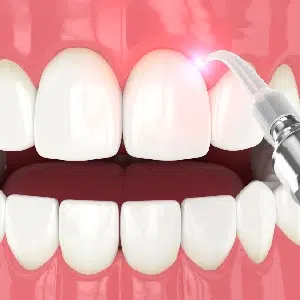
Understanding Laser Dentistry
Laser dentistry uses highly focused light beams to perform various dental procedures, from removing decayed tissue to reshaping gums. Laser precision means minimal damage to surrounding tissue, reduced discomfort, and often quicker recovery times.
Common Procedures Performed with Lasers
- Gum reshaping and contouring: Lasers precisely remove excess gum tissue to improve the gumline’s shape and symmetry. This enhances aesthetics while minimizing discomfort and promoting faster healing than traditional surgical methods.
- Cavity removal and preparation: Lasers gently remove decayed tooth material without the vibrations and noise of traditional drills. This technique reduces discomfort and preserves healthier tooth structure, creating a cleaner surface for fillings.
- Teeth whitening enhancement: Lasers can more effectively activate bleaching agents during professional whitening. This speeds up the whitening process and delivers brighter, longer-lasting results while minimizing tooth sensitivity during and after treatment.
- Soft tissue treatments (cold sores, gum infections): Lasers target and eliminate bacteria or lesions in soft tissues, relieving cold sores or infections. They seal tissues instantly, significantly reducing bleeding, discomfort, and healing time.
- Periodontal therapy: Lasers remove infected gum tissue and bacteria from periodontal pockets without damaging healthy tissue. This promotes gum reattachment and reduces pocket depth, improving periodontal health with less pain and downtime.
Benefits of Laser Dentistry
- Minimally invasive: Laser procedures are gentle, often eliminating the need for scalpels or stitches. This reduces trauma to tissues and creates a more comfortable experience for patients.
- Reduced need for anesthesia: Since lasers cause less discomfort and are highly precise, many procedures can be performed without local anesthesia, making dental visits more relaxing.
- Less bleeding and swelling: Lasers seal blood vessels during treatment, significantly minimizing bleeding. This reduces swelling and speeds up recovery, especially in soft tissue procedures.
- Faster healing and recovery: Lasers’ precision and cauterizing effect support quicker healing times. Patients experience less post-operative discomfort and can return to normal activities sooner.
- Lower risk of infection due to the sterilization effect of lasers: The laser sterilizes the area as it works, destroying bacteria and reducing the risk of post-treatment infections. This ensures a cleaner and safer healing process.
Understanding Traditional Dentistry
Traditional dental methods, which include drills, scalpels, and manual tools, have been the foundation of dental care for decades. Though highly effective, they often involve more invasive techniques and longer healing times.
Common Traditional Procedures
- Fillings using drills: Traditional fillings involve mechanical drills to remove decayed tooth material. Though effective, the noise, vibration, and heat can cause discomfort and anxiety, often requiring local anesthesia to numb the area during the procedure.
- Manual gum surgery: In conventional gum procedures, scalpels and stitches remove excess tissue or treat periodontal issues. This method can lead to increased bleeding, swelling, and a more extended recovery than modern laser techniques.
- Tooth extractions: When teeth are removed traditionally, forceps and surgical tools are often necessary. This process may involve cutting tissue and bone, which can lead to more bleeding, pain, and healing time than minimally invasive options.
- Crown preparation: Traditional methods of preparing a tooth for a crown involve reducing the tooth using a drill. This step can cause sensitivity and discomfort, and it usually requires anesthesia to manage pain during the shaping process.
Drawbacks of Traditional Methods
- May cause discomfort and require anesthesia: Traditional techniques often involve drills and cutting tools, which can be painful or uncomfortable. This usually requires local anesthesia to ensure patient comfort during the procedure, making the experience less invasive and stressful.
- Higher potential for bleeding and swelling: Using manual instruments increases the likelihood of tissue trauma. As a result, traditional methods often lead to more bleeding, swelling, and post-operative discomfort compared to less invasive technologies like lasers.
- Longer recovery periods: Because traditional procedures are more invasive, the healing process generally takes longer. Patients may experience discomfort, need stitches, and face increased downtime before returning to regular activities or enjoying complete relief.
- More anxiety-inducing due to sounds and vibrations: The loud sounds and vibrations from drills and other manual dental tools can cause significant anxiety, especially in nervous patients. This sensory discomfort often makes traditional treatments more stressful than necessary.
Laser Dentistry vs. Traditional Methods: A Direct Comparison
| Criteria | Laser Dentistry | Traditional Dentistry |
| Comfort | Minimally invasive, less discomfort | Often more invasive, it can cause discomfort |
| Healing Time | Faster recovery | Longer healing period |
| Anesthesia | Often not required | Usually necessary |
| Precision | Highly precise | Less precise in delicate areas |
| Infection Risk | Reduced due to sterilization | Higher risk without strict hygiene |
| Versatility | Ideal for soft tissue procedures | Preferred for extensive restorations |
Which Option Is Better for You?
There is no one-size-fits-all answer regarding laser dentistry vs. traditional methods. Each approach has its strengths:
- Laser dentistry is ideal for soft tissue procedures, cosmetic gum contouring, and patients with dental anxiety.
- Traditional methods are better suited for hard tissue procedures like placing crowns, treating advanced decay, and complex surgeries.
At Perfect White Smile, Dr. David Frey and our Beverly Hills, cosmetic experts team offer laser and traditional treatments. We assess your unique dental needs, comfort level, and desired outcomes before recommending the best approach.
Why Choose Perfect White Smile for Laser Dentistry in Beverly Hills
Our clinic combines advanced technology with decades of cosmetic and general dentistry experience. Dr. Frey has pioneered techniques and innovations, ensuring our patients receive only the most gentle and precise care.
With laser dentistry, we offer:
- State-of-the-art technology
- Customized treatment plans
- Compassionate and minimally invasive care
- Comprehensive cosmetic and restorative services
Book Your Consultation Today
Still unsure about laser dentistry vs. traditional methods? Let us help. At Perfect White Smile, every patient deserves comfort and confidence in their care. Book your personalized consultation today to explore your options and see how we can help create your perfect smile.
Call us (310) 737-8787 or visit our clinic at: 433 N Camden Drive Suite 1070, Beverly Hills, CA 90210.
FAQs
Is laser dentistry painful?
Laser dentistry is often less painful than traditional methods and may not require anesthesia for many procedures.
Can laser dentistry replace traditional dentistry entirely?
Not entirely. While it excels in soft tissue treatments, traditional methods are still better for certain hard tissue and restorative procedures.
Is laser treatment safe?
Yes. When performed by trained professionals like Dr. Frey at Perfect White Smile, laser dentistry is extremely safe and effective.
How much does laser dentistry cost?
The cost varies depending on the procedure, but is often comparable to traditional methods. We offer flexible financing options.
Bibliography & Sources
- “Lasers in Dentistry.”
- “Laser applications in dentistry.”
- “Laser vs Traditional Dental Treatment Comparison.”
- “Dental procedures and recovery times.”
Process of Dental Bonding. A confident smile can make a lasting first impression, but small imperfections like chips, gaps, or discoloration may affect how you feel about showing your teeth. Fortunately, cosmetic dentistry offers a simple and effective solution: dental bonding.
At Perfect White Smile, led by renowned cosmetic dentist Dr. David S. Frey, DDS, we help patients in Beverly Hills and beyond enhance their smiles with natural-looking dental bonding. But what exactly is the process like? This step-by-step guide will explain everything you need to know before your appointment.
What Is Dental Bonding?
Dental bonding is a cosmetic procedure in which a tooth-colored resin is applied to teeth and hardened with a special light. This material bonds to teeth and improves their appearance and function.
Bonding can fix many minor imperfections, such as:
- Chips and cracks
- Discolored teeth
- Gaps between teeth
- Short or misshapen teeth
- Protection for exposed tooth roots
Unlike veneers or crowns, bonding is minimally invasive and typically requires little to no removal of enamel.
Why Choose Dental Bonding?
Patients love dental bonding because:
Quick Procedure
Dental bonding is a quick procedure that typically takes just one appointment. This makes it ideal for patients seeking instant results without multiple visits or lengthy dental treatments.
Painless Experience
Bonding is minimally invasive and typically pain-free. In most cases, anesthesia is unnecessary since minimal enamel is removed, making the procedure comfortable and stress-free for patients.
Budget-Friendly
Dental bonding is a budget-friendly solution compared to more advanced cosmetic options like veneers or crowns. It delivers noticeable improvements to your smile at a fraction of the cost.
Natural Appearance
The composite resin used in dental bonding is carefully color-matched to blend seamlessly with natural teeth. This ensures that the repaired or enhanced area looks realistic and aesthetically pleasing.
Reversible Treatment
Dental bonding is a reversible cosmetic option. Since minimal tooth structure is removed, patients can pursue other treatments in the future if desired, without permanent changes to their teeth.
At Perfect White Smile, we use only the highest quality materials to ensure your results look stunning and natural.
Step-by-Step Guide to the Dental Bonding Process
Here’s what you can expect when you visit us for a bonding procedure:
Step 1: Consultation and Smile Assessment
Your journey begins with a comprehensive consultation. Dr. Frey will evaluate your oral health and discuss your smile goals to ensure bonding is right for you. Not all cases are suitable for bonding (e.g., severe decay or extensive damage may require crowns or veneers), so a customized approach is essential.
Step 2: Shade Matching
The composite resin used in dental bonding is available in many shades. Dr. Frey will carefully select a color that blends seamlessly with your natural teeth for an invisible repair.
Step 3: Tooth Preparation
Bonding requires minimal preparation. In most cases, anesthesia is unnecessary unless the bonding is being used to fill a cavity. The dentist will slightly roughen the tooth’s surface and apply a conditioning liquid to help the bonding material adhere properly.
Step 4: Applying the Composite Resin
Next, tooth-colored resin is applied, shaped, and sculpted to correct the imperfection. Dr. Frey uses artistic skill and precision to mold the resin to perfectly complement your natural tooth structure.
Step 5: Hardening the Bond
Once shaped, the resin is hardened using a special curing light. This process takes just a few seconds and instantly secures the resin to your tooth.
Step 6: Finishing Touches
Finally, Dr. Frey will trim, shape, and polish the bonded tooth. The goal is to ensure that your bonded tooth feels smooth and looks like your natural teeth.
Most bonding appointments take 30 minutes to 1 hour per tooth.
Aftercare and Longevity
Dental bonding does not require special maintenance, but good oral hygiene is essential. Follow these tips to keep your bonded teeth looking their best:
- Brush twice daily and floss regularly
- Avoid biting hard objects like pens or ice.
- Reduce staining by limiting coffee, tea, red wine, and tobacco.
- Visit Perfect White Smile for routine cleanings and exams
While dental bonding is durable, it is not as long-lasting as veneers or crowns. On average, bonding lasts 5–10 years before needing touch-ups or replacement.
Is Dental Bonding Right for You?
Dental bonding is a fantastic option for patients seeking a simple cosmetic fix. However, it’s not the best choice for extensive damage or severe misalignment.
At Perfect White Smile, Dr. Frey will help you decide if bonding, veneers, or another cosmetic procedure best meets your needs and long-term goals.
Transform Your Smile at Perfect White Smile
If you’re considering dental bonding in Beverly Hills, CA, trust Dr. David S. Frey and his team at Perfect White Smile. We’ve helped thousands of patients achieve their ideal smile with personalized cosmetic treatments.
Contact our friendly team today to schedule your consultation and learn how dental bonding can give you a flawless, confident smile.
FAQs
How long does dental bonding last?
Typically, bonding lasts 5–10 years. With proper care and maintenance, it may last longer.
Does dental bonding hurt?
No. Bonding is a painless procedure and usually does not require anesthesia unless used to fill a cavity.
Can dental bonding fix gaps?
Yes! Bonding is an excellent solution for closing small gaps between teeth quickly and affordably.
Is bonding stain-resistant?
While bonding material resists stains better than natural teeth, it is less resistant than porcelain veneers. To maintain brightness, avoid smoking and eating staining foods.
Can bonding be repaired if it chips?
Yes. Bonded areas can be easily repaired and polished by your dentist.
A complete and radiant smile enhances your appearance; it restores confidence, improves daily function, and protects your oral health. If you are missing several or all of your teeth, you may be weighing your options: Full Mouth Dental Implants vs Dentures.
At Perfect White Smile in Beverly Hills, we help patients make informed choices that suit their unique goals and lifestyle. In this guide, we’ll explain everything you need to know about these two popular solutions, from costs and benefits to long-term expectations.
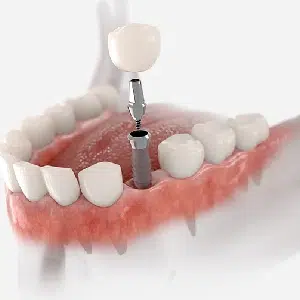 Understanding Full-Mouth Dental Implants
Full mouth dental implants involve strategically placing dental implants throughout the upper and/or lower jaws. These implants serve as secure anchors for permanent prosthetic teeth.
What Are They?
- Titanium posts are surgically implanted into the jawbone.
- A custom-made bridge or set of crowns is attached to the implants.
- This option offers the closest replacement to natural teeth.
Benefits of Full-Mouth Dental Implants
- Unmatched Stability: Implants are anchored into bone, eliminating slipping or movement.
- Preservation of Jawbone Health: Implants stimulate the bone, preventing bone loss and facial sagging.
- Natural Aesthetics: Implants look and feel incredibly natural.
- Easy Maintenance: Brush and floss like natural teeth.
Drawbacks of Full-Mouth Dental Implants
- Higher Initial Cost: Implant placement is a surgical procedure and tends to cost more upfront.
- Longer Treatment Time: Healing and osseointegration may take several months.
- Surgical Candidacy Required: Not all patients qualify without bone grafting.
Understanding Dentures
Dentures are removable prosthetics designed to replace missing teeth and surrounding tissues.
What Are They?
- Full dentures replace an entire arch of teeth.
- Partial dentures fill gaps when some natural teeth remain.
- Modern dentures can be customized for comfort and aesthetics.
Benefits of Dentures
- Affordable Upfront Costs: Dentures are generally less expensive initially.
- Quick Solution: Dentures can be crafted and fitted relatively quickly.
- Non-Invasive: No surgical procedures are required for standard dentures.
Drawbacks of Dentures
- Stability Issues: They can shift or slip, especially without adhesive.
- Bone Loss Concerns: Dentures do not stimulate the jawbone, potentially leading to bone deterioration.
- Ongoing Maintenance: Dentures need adjustments, relining, and eventual replacement.
Full Mouth Dental Implants vs Dentures: Cost Comparison
Cost of Full-Mouth Dental Implants
- It can range from $20,000 to $50,000 per arch depending on complexity.
- Considered an investment in long-term oral health and aesthetics.
- Insurance and flexible financing options may partially cover it.
Cost of Dentures
- Typically between $1,500 and $5,000 per arch.
- Less expensive initially, but may incur replacement and maintenance costs over time.
- Does not prevent bone loss, which could lead to additional expenses later.
Long-Term Value
While dentures offer lower initial costs, implants deliver better value over time. Full-mouth dental Implants vs Dentures is not just about upfront price but overall satisfaction, comfort, and long-term oral health.
Which Option Is Right for You?
Choosing between Full Mouth Dental Implants vs Dentures depends on several factors:
Budget and Financing
While full-mouth dental implants involve a higher initial cost, they are a long-term investment. Many clinics offer flexible financing options, making them accessible. Though more affordable upfront, dentures may incur recurring replacement and maintenance costs over time.
Bone Health
Implants may require bone grafting procedures for patients with significant jawbone loss to ensure stability and success. Dentures do not need as much bone support, but do not prevent further bone loss, which can change facial structure over the years.
Lifestyle and Preferences
Implants offer superior comfort and functionality, closely mimicking natural teeth. They allow you to eat, speak, and smile confidently without worry of slipping or discomfort, unlike removable dentures, which may shift or require adhesive for secure placement throughout the day.
Long-Term Vision
Considering your future dental health and lifestyle is essential. Implants provide a permanent solution with excellent durability, whereas dentures may need frequent adjustments or replacements. Before making a decision, consider comfort, maintenance, and aesthetic appeal over the next 10–20 years.
At Perfect White Smile, our dental experts are here to explain every option. From digital imaging and personalized treatment planning to expert aftercare, we ensure that you are empowered to choose the best solution.
Experience the Perfect White Smile Difference
Led by Dr. David S. Frey, Beverly Hills, trusted cosmetic and restorative dentist, Perfect White Smile offers state-of-the-art dental solutions, including consultations on full mouth dental implants vs dentures. Our patients enjoy:
- Advanced digital planning and imaging
- Custom smile designs for natural aesthetics
- Gentle, expert care throughout the process
- Long-lasting, confidence-boosting results
Conclusion: Investing in Your Smile
Both full-mouth implants and dentures can restore your smile, but they offer very different experiences and outcomes. If you seek unmatched comfort, function, and natural beauty, Full-Mouth Dental Implants may be your best investment. However, dentures remain a reliable, affordable solution for many.
Are you not sure which is right for you? Perfect White Smile in Beverly Hills, CA Contact today to schedule your consultation. Together, we’ll help you discover the most effective and rewarding path toward your dream smile.
FAQs
Are dental implants painful?
No. The procedure is done under local anesthesia or sedation. Most patients report only minor discomfort after surgery.
How long do full-mouth implants last?
With proper care, implants can last 20 years or more, often a lifetime.
Do dentures need to be removed daily?
Yes. Removable dentures should be taken out daily for cleaning and comfort.
Can I switch from dentures to implants later?
Yes! Many patients upgrade from dentures to implants as bone health and finances allow.
Does insurance cover full-mouth implants?
Some insurances cover part of the cost. Our team will help you explore all financing options.
Bibliography & Sources
- American Dental Association (ADA). “Dental Implants.”
- “Dentures: What to Expect.”
- “Dental Implants vs Dentures: What’s the Difference?”
When dealing with tooth decay or dental pain, patients often ask, “Is root canal better than filling?” This common question reflects the importance of understanding the differences between these two essential treatments. At Perfect White Smile in Beverly Hills, led by renowned cosmetic dentist Dr. David S. Frey, we help patients make informed choices for their oral health and aesthetics.
In this blog, we’ll explore when a filling is appropriate, when a root canal is necessary, and why choosing the right option is vital to preserving your smile.
Understanding Fillings and Root Canals
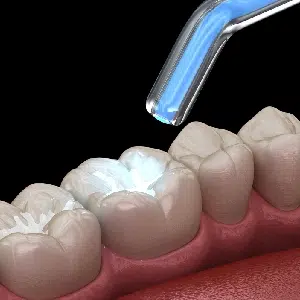
What is a Dental Filling?
A dental filling is a simple and effective solution for treating minor to moderate tooth decay. When plaque and bacteria erode your enamel, small cavities form. If caught early, your dentist can remove the decayed portion of the tooth and fill it using tooth-colored composite materials, amalgam, gold, or porcelain.
Fillings are ideal when:
- Decay has not reached the inner pulp
- The tooth structure is largely intact
- There are no signs of infection
At Perfect White Smile, we use only the most advanced and aesthetically pleasing filling materials, ensuring your restorations blend seamlessly with your natural teeth.
What is a Root Canal?
A root canal, on the other hand, is necessary when decay or trauma has reached the innermost layer of the tooth, the pulp. The pulp contains nerves and blood vessels, and when it becomes infected or inflamed, it can cause severe pain and lead to abscesses or tooth loss.
Root canal therapy involves:
- Removing the infected or damaged pulp
- Cleaning and disinfecting the inside of the tooth
- Filling the canals with a biocompatible material
- Sealing the tooth and typically restoring it with a dental crown
At Perfect White Smile, our root canal procedures are performed with precision and care, using modern techniques and anesthesia to ensure a virtually painless experience.
When Is a Dental Filling the Better Option?
Not every case of decay or damage requires a root canal. A dental filling may be the better choice when:
- The cavity is small and does not affect the pulp
- There is no pain or sensitivity.
- The tooth’s structure is strong and intact.
Fillings are quicker, less invasive, and more affordable than root canals. If your dentist identifies minor decay during a routine exam, treating it promptly with a filling can help you avoid more extensive procedures.
When Is a Root Canal Necessary?
In some situations, a root canal is clearly the better option than a filling. This includes:
- Deep decay that reaches the pulp
- Severe toothache or pain
- Prolonged sensitivity to heat or cold
- Swelling, tenderness, or an abscess near the tooth
- Cracks or trauma exposing the pulp
In these cases, placing a simple filling without removing the infected tissue would only temporarily mask the symptoms. The infection could spread without proper treatment, leading to more serious health issues or tooth loss.
Benefits of Root Canal Over Filling
When needed, root canal therapy offers several advantages over fillings:
- Preserves Natural Tooth: Saving your tooth is always preferable to extraction.
- Stops Infection: Removing infected pulp prevents the spread of bacteria.
- Restores Function: A root canal-treated tooth with a crown can function like a natural tooth.
- Protects Oral Health: Prevents bone loss and maintains your bite alignment.
At Perfect White Smile, we believe in preserving natural teeth whenever possible; root canal therapy is a cornerstone of that philosophy.
Root Canal vs. Filling: What About Costs?
Another consideration is cost. Fillings are more affordable initially, but if you avoid a needed root canal, you could end up paying more in the long run for procedures like:
- Tooth extraction
- Dental implants or bridges
- Emergency dental care due to worsening infections
A root canal can be a smart long-term investment by addressing the problem at its root—no pun intended.
What Happens After Treatment?
After a Filling
You can return to normal activities almost immediately after a filling. Some sensitivity may occur, but it typically resolves quickly.
After a Root Canal
After a root canal, a temporary filling may be placed while your custom crown is prepared. Once the crown is placed, your tooth will be fully functional and protected.
The Perfect White Smile Approach to Dental Care
At Perfect White Smile in Beverly Hills, we understand the anxiety and confusion that come with dental decisions like Is root canal better than filling?
Here’s how we help:
- Advanced Diagnostics: We use digital imaging to assess the extent accurately.
- Personalized Consultations: We listen to your concerns and create customized treatment plans.
- Comfort and Care: Our gentle approach and sedation options ensure a stress-free experience.
- Cosmetic Excellence: Even functional treatments like fillings and root canals are performed with aesthetics, ensuring beautiful, natural-looking results.
Whether your case calls for a simple filling or a more involved root canal, Dr. David Frey and our team will deliver compassionate, expert care.
Conclusion: Which is Better — Root Canal or Filling?
The answer is not always straightforward. A filling is the preferred solution for minor decay, and it is quick, easy, and cost-effective. However, when infection or deep damage is present, root canal therapy is a better option to save your natural tooth and restore function.
If you’re unsure which is right, the best next step is a comprehensive dental evaluation.
Book Your Consultation at Perfect White Smile Today!
Your smile deserves expert care and honest advice. If you’re asking yourself, Is root canal better than filling?, our team at Perfect White Smile in Beverly Hills, CA is here to help.
Contact us at (310) 737-8787 or visit our office to schedule a consultation. Let us help you make the best decision for your oral health and smile.
FAQs
Is a root canal painful compared to a filling?
Modern root canals are performed under local anesthesia and are no more uncomfortable than fillings. Recovery is typically smooth and pain-free.
How long does a root canal last?
Root canal-treated teeth can last a lifetime with proper care and a crown.
Can a filling be upgraded later to a root canal if needed?
Yes, if decay progresses or the pulp becomes infected, a filling may be followed by a root canal.
Is root canal always necessary if pain is present?
Not always. Pain can have multiple causes. A detailed examination will determine whether a root canal or filling is appropriate.
Can fillings and root canals improve the look of my teeth?
Yes. At Perfect White Smile, even restorative treatments are designed with aesthetics in mind to preserve or enhance your smile.
Hearing the words “root canal” often makes patients anxious, but this essential treatment can be a game-changer for oral health. Root canals are among the most effective ways to save a natural tooth and avoid extraction, all while relieving pain and preserving your smile.
At Perfect White Smile in Beverly Hills, renowned cosmetic dentist Dr. David Frey and his experienced team combine state-of-the-art technology with decades of expertise to ensure every root canal treatment is gentle, precise, and effective.
If you’re wondering what a root canal does, how it works, and why it may be necessary, this detailed guide will answer all your questions.
Understanding the Basics: What Is a Root Canal?
A root canal is a dental procedure to treat infection or damage inside the tooth. The “root canal” refers to the natural cavity within the tooth’s root that houses soft tissue known as the pulp, which contains nerves, blood vessels, and connective tissues.
When this pulp becomes infected or inflamed, often due to deep decay, cracks, or trauma, it causes severe pain and, if left untreated, can lead to abscesses and tooth loss. A root canal procedure removes this infected tissue, disinfects the area, and seals the tooth to prevent further problems.
What Happens During a Root Canal?
What does a root canal do step-by-step? Here’s a simple overview of the process:
Diagnosis and Preparation
At Perfect White Smile, your comfort comes first. We begin with advanced digital imaging to assess the tooth. If a root canal is needed, we gently numb the area before starting the procedure to ensure a pain-free experience.
Accessing the Tooth
A small, precise opening is made in the tooth’s crown to reach the pulp chamber. This step allows our team to effectively access the infected tissue and begin cleaning while preserving as much healthy structure as possible.
Removing Infected Pulp
Dr. Frey carefully removes the infected or damaged pulp from the tooth using specialized instruments. This crucial step eliminates the source of pain and prevents the spread of infection to surrounding tissues and bone.
Cleaning and Shaping the Canals
Once the pulp is removed, the inner canals are thoroughly cleaned, disinfected, and reshaped. This ensures all harmful bacteria are eliminated and the space is ready for a secure, long-lasting filling.
Filling and Sealing the Tooth
After cleaning, the canals are filled with a biocompatible material called gutta-percha to prevent future infection. A temporary or permanent filling is then placed to close the access point.
Restoration with a Crown
A custom crown is placed to protect the treated tooth and restore full function. Dr. Frey crafts high-quality restorations that blend seamlessly with your natural teeth for lasting strength and aesthetic appeal.
Why Would You Need a Root Canal?
Many patients at Perfect White Smile ask, “Do I need a root canal?” If you’re experiencing the following symptoms, the answer may be yes:
- Severe tooth pain, especially when chewing or applying pressure
- Prolonged sensitivity to heat or cold
- Darkening or discoloration of the tooth
- Swollen or tender gums near the tooth
- Recurring pimples or abscesses on the gums
A root canal is necessary when the pulp is irreversibly damaged and cannot heal independently. Without treatment, the infection can spread to surrounding tissues and even enter the bloodstream, posing serious health risks.
What Does a Root Canal Do to Save My Tooth?
Ultimately, the goal of a root canal is simple yet profound: It saves your natural tooth. Instead of extracting and replacing the tooth with a bridge or dental implant, a root canal preserves the structure and keeps your natural smile intact.
Here’s how a root canal benefits your oral health:
- Prevents Tooth Loss: By treating the infection inside the tooth, root canals help retain your original tooth, which is always the best option when possible.
- Stops the Spread of Infection: Removing infected tissue prevents bacteria from spreading to adjacent teeth or entering the bloodstream.
- Eliminates Pain: Once the infection and inflammation are removed, your pain subsides, and you can eat and speak comfortably again.
- Restores Function and Appearance: A crown placed after the root canal restores full function and blends beautifully with your natural teeth.
Myths vs. Reality: Is a Root Canal Painful?
Thanks to advances in modern dentistry, root canals are no longer the painful procedures they once were feared to be. At Perfect White Smile, Dr. Frey uses advanced anesthetics, gentle techniques, and state-of-the-art technology to ensure your comfort throughout the procedure.
Many patients report that the procedure feels no more uncomfortable than getting a filling.
Perfect White Smile: Where Comfort and Precision Meet
Choosing the right dentist makes all the difference when you need a root canal.
At Perfect White Smile, located in the heart of Beverly Hills, CA, Dr. David Frey brings more than 35 years of experience in advanced and cosmetic dentistry. Our team blends clinical expertise with a gentle, personalized touch to make root canal therapy stress-free and successful.
Whether you’re visiting from Beverly Hills or the surrounding areas, we are committed to helping you achieve a healthy, pain-free smile.
Additional Benefits of Choosing Us for Your Root Canal
- State-of-the-Art Technology: We use advanced imaging and treatment tools for precise and minimally invasive root canals.
- In-Network Insurance & Flexible Payments: We make your care affordable with financing options and acceptance of all major PPO insurances.
- Compassionate, Personalized Care: Your comfort and satisfaction are our priority from consultation to post-treatment follow-ups.
- Experience You Can Trust: Dr. Frey has performed thousands of restorative procedures, focusing on both function and aesthetics.
Is It Time to Save Your Tooth?
If you’re experiencing tooth pain or have been told you need a root canal, don’t delay. A root canal does far more than relieve discomfort; it gives your tooth a second chance and keeps your smile healthy and whole. At Perfect White Smile, we invite you to discover the difference that expertise, compassion, and advanced technology can make.
Call us at (310) 737-8787 or visit our Beverly Hills office to schedule your consultation. Your smile deserves nothing less than perfection.
FAQs
How long does a root canal take?
Most procedures take 60 to 90 minutes and can often be completed in a single visit.
Is a crown always needed after a root canal?
In most cases, yes. A crown strengthens and protects the treated tooth, especially molars.
How long do root canal results last?
With proper care, a root canal-treated tooth can last a lifetime.
What happens if I avoid getting a root canal?
Delaying treatment can lead to severe pain, infection, and tooth loss.
Does dental insurance cover root canals?
Many dental plans cover part or all of the cost. We can help verify your benefits before treatment.
Bibliography and Sources
When it comes to restoring your smile, dental implants are widely considered the gold standard. They offer unmatched stability, aesthetics, and long-term benefits. But one question patients at Perfect White Smile in Beverly Hills frequently ask is Can dental implants be done in one day?
With advancements in modern dental technology and techniques, the answer is often yes. Same-day dental implants, or immediate load implants, transform how quickly patients can reclaim their smiles.
Our team, led by renowned cosmetic and implant dentist Dr. David S. Frey, specializes in customized solutions for fast, beautiful, and long-lasting tooth replacement. Let’s explore how same-day dental implants work and who makes the ideal candidate.
Understanding Same-Day Dental Implants
Traditional dental implants typically require several months of healing after implant placement before a crown or prosthetic tooth is attached. However, same-day implants streamline this process.
With immediate load implants, the implant post is surgically placed into the jawbone, and a temporary crown or prosthesis is attached the very same day. This allows patients to leave the office with a fully functional and attractive smile, with a waiting period no longer required.
At Perfect White Smile, our use of cutting-edge imaging, advanced planning tools, and Dr. Frey’s 35+ years of experience allows us to deliver predictable, efficient, and stunning results.
What Makes Same-Day Dental Implants Possible?
So, can dental implants be done in one day? In many cases, yes, but certain factors must align to make this option viable:
- Bone Health: Sufficient jawbone density and volume are necessary to stabilize the implant immediately.
- Oral Health: Healthy gums and no active infections create an optimal environment for healing.
- Implant Site: Same-day implants are more successful in areas with minimal bite pressure, such as front teeth.
- Patient’s Overall Health: Non-smokers and individuals with good general health typically heal faster and experience better outcomes.
Dr. Frey will conduct a comprehensive consultation at our Beverly Hills dental office to determine if you’re a candidate.
What Happens on the Day of the Procedure?
At Perfect White Smile, same-day implant procedures follow a streamlined process:
Detailed Assessment:
We start with high-resolution digital imaging and 3D scans to assess your bone quality and design a tailored surgical plan. This technology ensures precise implant placement, reduces surprises during surgery, and helps our team prepare for immediate results when possible.
Implant Placement:
The dental implant, a titanium post, is gently inserted into the jawbone using advanced, minimally invasive techniques. This process minimizes discomfort and promotes quicker healing, forming the foundation for a stable, long-lasting tooth replacement that mimics the strength and function of a natural root.
Immediate Prosthetic Attachment:
Right after placing the implant, we attach a temporary crown or bridge. This gives you a fully functional and natural-looking tooth the same day, allowing you to speak, eat, and smile confidently without waiting for months like traditional implant methods.
Healing and Final Restoration:
Over several months, your implant fuses with the bone through a process called osseointegration. Once healing is complete, we replace the temporary crown with a custom-designed permanent restoration that blends seamlessly with your natural teeth and offers long-term strength and aesthetics.
Benefits of Same-Day Dental Implants
Can dental implants be done in one day? Absolutely and here’s why many patients prefer this option:
- Instant Results: Leave the office with a full, attractive smile immediately after surgery.
- Fewer Appointments: Traditional implants often require multiple visits over months. Same-day implants minimize disruptions to your schedule.
- Preserved Bone and Gums: Immediate placement reduces bone loss and helps maintain gum tissue shape.
- Improved Confidence: No need to wear uncomfortable removable dentures or go without teeth during the healing process.
At Perfect White Smile, every detail is customized for a natural look that blends seamlessly with your existing teeth.
Are Same-Day Implants Right for Everyone?
While the idea of instant results is appealing, same-day dental implants are not suitable for everyone.
You may not be a candidate if:
- You have severe bone loss in the jaw.
- You have active gum disease or oral infections.
- You smoke heavily or have uncontrolled medical conditions.
During your consultation, Dr. Frey will thoroughly assess your oral and overall health to recommend the most effective and safe solution. Even if immediate implants aren’t ideal for you, our team offers advanced techniques, including bone grafting and sinus lifts, to build bone and improve candidacy.
Same-Day vs. Traditional Dental Implants
Can dental implants be done in one day? They can, but how do they compare to the traditional approach?
| Same-Day Dental Implants | Traditional Dental Implants |
| Immediate function and aesthetics | Longer healing period before crown placement |
| Fewer visits required | Multi-step process over months |
| Best for strong bone density and healthy patients | Suitable for a broader range of patients |
| May require more precise planning and technique | Established, highly predictable success |
Ultimately, the right option depends on your unique needs, goals, and oral health.
Why Choose Perfect White Smile for Dental Implants?
When you’re considering if dental implants can be done in one day, the dentist you choose matters.
At Perfect White Smile in Beverly Hills, Dr. David Frey offers unmatched expertise and artistry in implant dentistry. With over 35 years of experience and a reputation for creating celebrity-caliber smiles, Dr. Frey’s approach ensures comfort, beauty, and long-lasting results.
Here’s why patients choose us:
- State-of-the-art technology for precise planning
- Gentle, minimally invasive techniques
- Customized aesthetics for flawless results
- Same-day implant solutions for eligible candidates
- Financing options and insurance are accepted to make treatment accessible
Your dream smile is just one day away; we are here to make it happen.
Book Your Consultation Today
Can dental implants be done in one day? In many cases, yes, and the team at Perfect White Smile is ready to help you achieve a stunning, healthy smile without waiting months for results.
If you want to learn more about same-day dental implants and whether they’re right, we invite you to schedule a personalized consultation at our Beverly Hills office.
Call (310) 737-8787 or contact us online.
Your perfect smile begins today!
FAQs
Can dental implants really be done in one day?
Yes, for eligible patients with healthy bone and gums, immediate implants can provide same-day tooth replacement.
How long do same-day implants last?
With proper care, they can last just as long as traditional implants, often decades or even a lifetime.
Will I feel pain during or after the procedure?
The procedure is performed under local anesthesia and sedation if needed. Mild soreness after surgery is common but manageable.
Is same-day implant placement safe?
Yes. With careful planning and expert placement by a skilled dentist like Dr. Frey, same-day implants are safe and highly effective.
A dazzling white smile can do wonders for your confidence, but if the thought of dental procedures makes you uneasy, you are not alone. Many patients exploring cosmetic dentistry ask one simple question: Are Lumineers painful?
If you are considering Lumineers to enhance your smile but are worried about discomfort, this blog is for you. Let us explore what Lumineers are, how they differ from traditional veneers, and most importantly, what the actual experience feels like.
What Are Lumineers?

Lumineers are ultra-thin, translucent shells made from patented Cerinate porcelain. They are designed to fit seamlessly over your natural teeth and help correct cosmetic concerns such as:
- Discoloration or staining
- Minor chips and cracks
- Gaps between teeth
- Mild misalignment
- Worn enamel
What sets Lumineers apart from traditional veneers is their non-invasive application. Unlike conventional veneers, which often require the removal of tooth enamel, Lumineers are so thin that they typically do not require shaving or drilling. This makes them a popular option for patients seeking a pain-free cosmetic solution.
Who Is a Good Candidate for Lumineers?
Lumineers can be an excellent solution for many patients, but they are not suitable for every dental condition. Here is a breakdown:
Good Candidates for Lumineers:
- Individuals with minor cosmetic dental imperfections like discoloration, spacing, or mild misalignment
- Patients with healthy teeth and gums who want a minimally invasive procedure
- Those seeking a reversible and low-sensitivity cosmetic dental option
Lumineers May Not Be Ideal For:
- Patients with significant tooth decay or structural damage requiring restorative treatment
- Individuals needing major orthodontic corrections
- Those who grind or clench their teeth regularly, as this can affect the longevity of Lumineers
Scheduling a consultation at Perfect White Smile is the best way to find out if Lumineers are the right option for your unique needs.
Are Lumineers Painful During the Procedure?
Here is the good news: Lumineers are generally not painful, and in most cases, patients do not even need anesthesia.
Following are the reasons why Lumineers are considered painless:
-
No Drilling or Shots:
Traditional veneers often require enamel removal, which can lead to discomfort. Lumineers, however, are placed over your existing teeth with minimal to no preparation. This means no needles, no shots, and no drilling in most cases.
-
Preservation of Natural Tooth Structure:
Since the Lumineers procedure is non-invasive, your dentist does not need to file down the enamel. This preserves your natural tooth structure and helps prevent the sensitivity that often follows traditional veneer procedures.
-
Quick and Convenient Process:
The Lumineers treatment usually involves two simple visits. During the first appointment, your dentist will take digital impressions of your teeth. During the second visit, the custom Lumineers will be bonded to your teeth typically without the need for numbing.
Many patients say that getting Lumineers feels similar to a routine dental cleaning. You may feel slight pressure during placement, but actual pain is uncommon.
Is There Any Pain After Getting Lumineers?
After the Lumineers are placed, some patients experience mild sensitivity to hot or cold beverages. This is a temporary sensation and usually subsides within a few days.
Here is what you might notice after the procedure:
- Mild Gum Tenderness: This can occur as your mouth adjusts to the new shape and thickness of the Lumineers.
- Slight Bite Awareness: It may take a few days for your bite to feel completely natural as you adjust to the Lumineers.
- Occasional Sensitivity: In rare cases, you may experience minor sensitivity around the gum line, especially if your teeth are already prone to sensitivity.
At Perfect White Smile, we provide detailed post-procedure instructions and follow-up care to ensure your comfort and satisfaction.
How Dentists Minimize Discomfort During Lumineers?
At Perfect White Smile, we use advanced techniques and technology to make your cosmetic journey smooth and virtually painless.
- Advanced Digital Imaging: We use digital impressions instead of traditional molds to ensure a more accurate and comfortable experience.
- Custom Fit Design: Your Lumineers are designed specifically for your teeth, ensuring a precise and comfortable fit.
- Experienced Cosmetic Dentists: Our dental professionals are highly trained in cosmetic procedures and have extensive experience placing Lumineers successfully.
- Post-Treatment Follow-Up: We schedule a follow-up visit to ensure your Lumineers fit perfectly and you are adjusting comfortably.
Do Lumineers Hurt More Than Veneers?
No, Lumineers are generally more comfortable than traditional veneers.
Conventional veneers often require significant tooth reduction, which can result in post-procedure sensitivity and soreness. In contrast, Lumineers require little to no enamel removal, resulting in a more comfortable and less invasive experience.
Many patients who have had both types of procedures report that Lumineers feel gentler and involve less discomfort.
Are Lumineers Painful? Not with the Right Dentist
If you are asking yourself, Are Lumineers painful?, rest assured that with the right dentist, they do not have to be. Thanks to their non-invasive design, most patients experience minimal to no discomfort during or after the procedure.
At Perfect White Smile, we specialize in providing high-quality cosmetic treatments in a comfortable, patient-centered environment. We are here to help you achieve a radiant smile without the worry of pain.
Ready for a Pain-Free Smile Makeover?
Lumineers are designed to give you a beautiful smile without the discomfort associated with traditional veneers.
Book your consultation today by calling (310) 737-8787. Let Perfect White Smile show you just how comfortable and transformative cosmetic dentistry can be.
FAQs
Are Lumineers painful?
No, Lumineers are not painful. Because they require little to no enamel removal, the procedure is typically very comfortable and rarely involves the need for anesthesia.
How long do Lumineers last?
With proper care, Lumineers can last up to 20 years. Regular dental checkups and good oral hygiene practices are essential to maintain their longevity.
Can Lumineers be removed later?
Yes, Lumineers are considered a reversible cosmetic option. Since they do not significantly alter natural teeth, your dentist can remove them if necessary.
How long does it take to get Lumineers?
The process usually takes two appointments. The first involves taking digital impressions, and the second is when your custom Lumineers are bonded to your teeth.
Will Lumineers look natural on my teeth?
Yes, Luminaires are made from high-quality porcelain that mimics the look and translucency of natural enamel, offering a beautiful, natural-looking result.
Do Lumineers stain or discolor over time?
Lumineers are crafted from stain-resistant porcelain. However, maintaining good oral hygiene and avoiding excessive consumption of staining foods and beverages will help preserve their brightness.
We all want that Hollywood smile that is bright, symmetrical, and confidence-boosting. Lumineers have become a popular solution for enhancing smiles without extensive dental work. But one concern many people have is: Do Lumineers make your teeth look bigger?
Let us explain how Lumineers work, whether they increase the appearance of tooth size, and how a properly done procedure can enhance your smile without making your teeth look too big.
What Are Lumineers?

Lumineers are a brand of ultra-thin dental veneers made from a durable porcelain material called Cerinate. These custom-made shells are bonded to the front surfaces of teeth to conceal cosmetic flaws such as staining, small chips, gaps, or minor misalignment.
Unlike traditional veneers, Lumineers often require little to no enamel removal. This makes them a less invasive option for patients who want to improve their smile with minimal discomfort or alteration to their natural tooth structure.
Do Lumineers Make Your Teeth Look Bigger?
The short answer is that Lumineers do not make your teeth look noticeably bigger when placed correctly. Although they do add a very thin layer to the surface of your teeth, the effect is subtle and designed to enhance your natural appearance.
-
Your Natural Tooth Shape and Size
The outcome largely depends on the size and shape of your natural teeth. If your teeth are already large or protruding, poor planning can result in a bulkier look. However, if your teeth are small, worn down, or spaced out, Lumineers can actually bring them into better proportion.
-
Expertise of Your Cosmetic Dentist
The skill of your dentist is essential. A well trained cosmetic dentist will evaluate your facial symmetry, bite alignment, and tooth dimensions to ensure that your Lumineers look natural and well balanced. At Perfect White Smile, our dentists use advanced imaging and design tools to customize each case.
-
Your Personal Smile Goals
In some cases, patients want their teeth to appear longer or fuller, especially when dealing with worn enamel or short teeth. Lumineers can be tailored to meet these goals while maintaining a natural and aesthetic result.
In summary, while Lumineers do slightly increase the surface thickness of your teeth, a professionally designed and placed set will not make them appear too big. Instead, Lumineers enhance your smile by correcting imperfections while maintaining natural proportions.
What Happens If Lumineers Look Too Bulky?
In rare cases, Lumineers can look bulky if they are poorly designed or placed without proper assessment. Common causes include:
- Incorrect sizing or shape during fabrication
- Applying Lumineers over teeth that are already large or protruded
- Skipping digital previews or mockups before placement
To avoid these issues, it is crucial to work with an experienced dental team. At Perfect White Smile, we use a combination of digital smile design, 3D scans, and custom measurements to ensure a precise and attractive fit.
How We Ensure a Natural Look with Lumineers?
We take pride in delivering smiles that look and feel natural. Here are some of the ways we make sure your Lumineers do not make your teeth look too big:
- Advanced digital imaging to preview your smile before any treatment
- Customized design to match your face, bite, and tooth proportions
- Careful attention to enamel thickness and gum line alignment
- Bite and comfort checks during and after placement
Our team at Perfect White Smile ensures your Lumineers enhance your smile while preserving harmony with your facial features.
When Might You Want Teeth to Look Bigger?
For some patients, increasing tooth size is actually a goal. People with small, worn down, or uneven teeth may benefit from slightly larger veneers to create a fuller and more balanced smile. In these situations, Lumineers are an excellent option for restoring tooth height, improving symmetry, and enhancing overall aesthetics.
Rather than making teeth look unnaturally big, Lumineers can provide much-needed balance and proportion when applied thoughtfully.
Are Lumineers Right for You?
If you have been wondering, “Do Lumineers make your teeth look bigger?” The answer depends on your individual dental anatomy and the experience of your dentist. When properly planned, Lumineers can enhance your smile in a natural and subtle way.
A consultation with a cosmetic dental expert will help determine whether Lumineers are a good fit for your needs and goals. At Perfect White Smile, we take the time to personalize every case and deliver exceptional results.
Takeaway
Do Lumineers Make Your Teeth Look Bigger? It is completely normal to have concerns about how cosmetic dentistry may affect your appearance. The good news is that Lumineers do not make your teeth look oversized when they are placed correctly. Their ultra-thin design, combined with careful planning and customization, ensures a result that enhances your smile without overwhelming it.
Working with a skilled cosmetic dentist ensures your teeth look proportional, natural, and radiant.
Ready for a Smile That Looks Natural and Balanced?
Still wondering, Do Lumineers make your teeth look bigger? Let us guide you toward a smile that looks and feels just right.
Book your consultation today by calling (310) 737 8787. Discover how Perfect White Smile can help you achieve a confident and natural-looking smile with expertly placed Lumineers.
FAQs
Do Lumineers make your teeth bigger?
Lumineers do not make your teeth look bigger when applied properly. They are designed to be ultra thin and customized to complement your natural tooth shape.
Why do veneers make your teeth look big?
Veneers may look bulky if not customized properly or if applied over large teeth without appropriate planning. Traditional veneers are thicker than Lumineers and often require enamel reduction to avoid a bulky appearance.
Are Lumineers good for small teeth?
Yes, Lumineers are ideal for patients with small or worn-down teeth. They help restore tooth length and create a more proportionate and balanced smile without invasive procedures.
Can Lumineers be adjusted if they feel bulky?
Yes, your dentist can adjust the Lumineers after placement. Minor refinements can improve the fit, reduce bulkiness, and ensure your bite feels natural and comfortable.